
Key Takeaways
| Epic Games CEO Tim Sweeney warns that global gaming hardware shortages are expected to persist for three years. |
| Massive capital investment into AI infrastructure and data centers is cannibalizing supply chains originally meant for consumer electronics. |
| RAM and NAND storage prices are projected to rise significantly as manufacturers prioritize high-margin server hardware. |
| The gaming industry is currently facing its most significant market correction since the 1980s. |
The gaming hardware shortage is poised to wreak havoc on your next PC upgrade, with industry insiders warning of a three-year period of severe supply constraints. You might find yourself staring at empty digital shelves and inflated price tags for the foreseeable future as a global rush for computing power reshapes the manufacturing landscape.
Epic Games CEO Tim Sweeney recently dropped a bombshell report in Edge magazine, painting a bleak picture for gamers and developers alike. While you may be waiting for the next generation of GPU performance, the components required to build those rigs are being diverted to satisfy the insatiable hunger of the artificial intelligence sector.
Understanding the Gaming Hardware Shortage Crisis
This gaming hardware shortage is not simply a lingering symptom of post-pandemic supply chain issues; it is an entirely new phenomenon driven by the global AI arms race. As massive tech conglomerates pour billions into data centers and large language models, the demand for specialized DRAM and high-density storage has skyrocketed. Because these AI projects are often more profitable for manufacturers than consumer-grade components, the gaming industry is being pushed to the back of the queue.

Sweeney describes the situation as a ‘Crash 2.0’ for the gaming industry, noting that development costs for AAA titles have spiraled out of control. When you combine this internal economic instability with an external supply crisis that drives up the cost of raw components, you get a perfect storm. Prices for memory modules and storage drives are already seeing upward pressure, and current market projections suggest this trend will not plateau until at least 2027.
The fundamental issue lies in the physical capacity of semiconductor foundries. Constructing a modern chip fabrication plant is a multi-year project costing tens of billions of dollars. Even if manufacturers begin building new facilities today, the sheer scale of global capacity requirements means that current hardware scarcity is the new normal. For gamers, this means waiting longer for hardware refreshes and potentially paying a premium for parts that were previously affordable.
The Role of Server Prioritization
Manufacturers are currently optimizing their production lines for high-margin enterprise products. By prioritizing server-side DRAM and NAND flash storage, companies can maximize their revenue per wafer. This strategic pivot, as documented by TrendForce market intelligence, leaves the retail gaming sector struggling to secure consistent inventory.
Market Projections and Statistical Analysis
To truly grasp the scale of the impending hardware crunch, we must look at the data provided by industry analysts. The following table highlights the anticipated price fluctuations for key memory components over the next two years.
| Component Type | Expected Price Trend (Q3 2026) | Market Driver |
|---|---|---|
| PC DRAM | 13% – 18% Increase | Server Priority |
| NAND Flash | 10% – 15% Increase | Data Center Expansion |
| General Hardware | Continued Volatility | Supply Chain Competition |
As you can see, the data indicates a sustained upward trajectory for costs. This isn’t just a seasonal shift; it is a structural change in how hardware components are allocated globally. For more context on how these industry shifts impact consumers, check out Forbes’ comprehensive analysis of global supply chain economics.
Historical Context and The Crash of 2024
Industry experts are drawing parallels between the current landscape and the infamous gaming market crash of the 1980s. While today’s market is structurally more robust, the combination of ballooning AAA development budgets and the current supply chain bottleneck creates an environment where failure rates for smaller studios could climb. When you cannot source the hardware to run your software, or when the cost to produce that hardware pushes entry-level pricing into the luxury tier, the entire ecosystem feels the pressure.
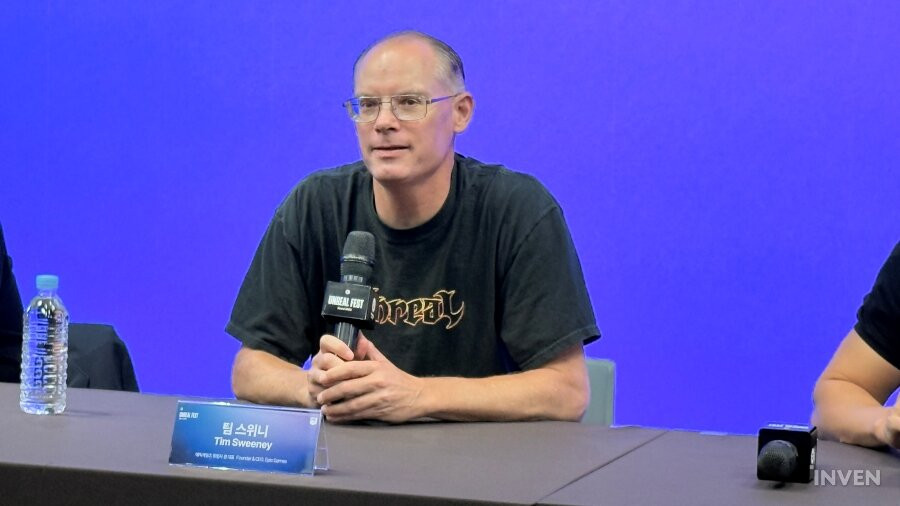
Sweeney suggests that the only long-term solution is a massive global expansion of manufacturing capacity. This echoes sentiments expressed by leaders at industry-focused technology hubs, who note that short-term fixes like inventory hoarding will only exacerbate the issue for the average consumer. We are currently in a transition period where the infrastructure of the internet itself—powered by AI—is being prioritized over the tools used for digital recreation.
Expert Take: The Infrastructure Moat
From an expert perspective, the current situation functions as an ‘infrastructure moat.’ Big Tech firms now possess the capital leverage to outbid entire entertainment industries for the basic building blocks of computing. This shift signals a departure from the consumer-first era of electronics manufacturing toward a B2B-centric model that favors large-scale cloud computing providers.
People Also Ask
What happened with the gaming hardware shortage today?
Epic Games CEO Tim Sweeney warned that gaming hardware shortages will likely last for another three years due to extreme demand from the AI and data center sectors.
Why is Tim Sweeney’s warning trending right now?
His comments in Edge magazine highlighted a growing conflict between consumer gaming interests and the explosive capital investment in global AI infrastructure.
How does this affect PC gaming prices?
Consumers should expect higher costs for RAM and storage components, with market analysts projecting consistent quarterly price increases through 2026.
When will hardware supply constraints ease?
While DRAM supplies remain tight, market research suggests that NAND flash constraints may begin to ease by the second half of 2027.
Navigating the Hardware Future
As we look toward the next three years, adaptability will be your greatest asset. Whether you are an enthusiast tracking the latest component news at tech industry updates or a developer looking for stability, the reality is that the gaming hardware shortage will continue to define the market. Understanding the interplay between AI investment and supply chain limitations is crucial for navigating this complex financial landscape.
Staying informed on these business trends for 2026 will allow you to make better decisions regarding your next hardware investments. While the short term may be defined by scarcity, the long-term potential for technological advancement remains high once manufacturing capacity finally catches up to the current global demand.
More Like This
For more updates, check out our latest entertainment and sports news.