Key Takeaways
| Gen Z engagement with 9/11 history is significantly declining as direct memory fades. |
| The shift from civic education to grievance-based curriculum impacts national unity. |
| Cultural coarsening has devalued the solemnity of major historical tragedies. |
| Intergenerational storytelling is the primary defense against the erosion of historical awareness. |
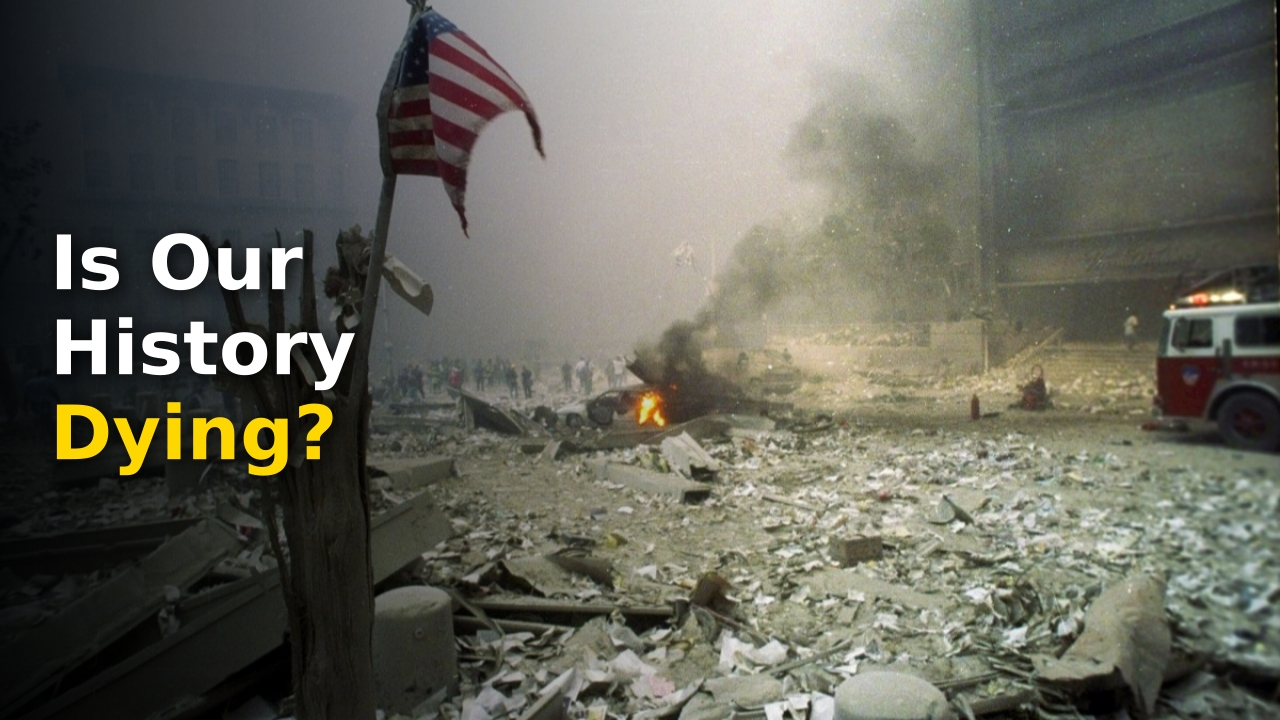
Danny Tyree 9/11 reflections highlight a haunting reality that the events of September 11, 2001, are slipping from the forefront of American cultural consciousness. You have likely noticed how the sharp, visceral unity following those attacks has eroded into a landscape of indifference and digital distraction. As the years march toward the three-decade mark, the question remains whether the lessons of that day are dying along with the witnesses.
The cultural distance between the horror of the Twin Towers and the modern era is widening rapidly. For many young adults today, the tragic events of that September morning are merely archived footage rather than a formative pillar of national identity. This detachment threatens to turn a defining moment of American tenacity into a footnote.
Danny Tyree 9/11 Analysis: The Fading Echoes of Unity
The passage of time acts as an accelerant for historical revisionism and simple forgetfulness. As Danny Tyree points out in his poignant commentary, we have entered an era where school-age children possess zero firsthand experience with a pre-9/11 world. This is not merely a matter of chronology; it is a fundamental shift in how modern society preserves its history. When education prioritizes contemporary grievances over civic legacy, the moral weight of such events becomes easily discarded.

You must confront the discomforting truth that our collective memory is subject to the same decay as our infrastructure. The Gen Z generation, increasingly quizzed on the basics of the terror attacks, often displays a disconnect that is both jarring and predictable. When educators fail to emphasize the gravity of 9/11, the vacuum is filled with 24/7 entertainment and social media noise. This loss of shared history creates a fragmented national consciousness that makes future unity increasingly difficult to achieve.
The Role of Digital Distraction
Technology has accelerated the trend of living in a perpetual “now.” With the constant barrage of short-form video and instant gratification, the heavy, contemplative work of remembrance is often pushed aside. This isn’t just a failure of the school system; it is a failure of the modern home environment, where the dinner table conversation has been replaced by isolated screen time.
The Statistical Decline of National Remembrance
Data suggests that as the physical witnesses to the tragedy decrease, the intensity of commemoration follows a predictable downward slope. The following table illustrates the divergence between post-attack sentiment and current cultural engagement.
| Timeframe | Commemoration Focus | Public Engagement Level |
|---|---|---|
| 2001–2006 | National Solidarity | Extremely High |
| 2011–2016 | Institutional Ceremony | Moderate |
| 2021–2026 | Routine/Sporadic | Low/Fragmented |
Background and Cultural Context
The 9/11 attacks were more than a tragedy; they were a cultural reset button for the United States. Following the September 11 terrorist attacks, the nation experienced a rare moment of absolute clarity regarding its values and priorities. However, the subsequent years have been marked by a coarsening of the public discourse. When political vitriol becomes the standard, the sanctity of remembrance is inevitably tainted by partisanship and apathy.

By the numbers, the impact of the tragedy remains monumental, yet the emotional tether to those figures is fraying. For those interested in the broader sociological impact, Forbes’ analysis of cultural shifts offers insight into how institutional values have moved away from traditional civic pride. This disconnect is evident in how we handle everything from modern media trends to the way we teach the next generation about historical American resilience.
The Erosion of Life’s Value
A disturbing trend identified by commentators like Tyree is the normalization of death in popular media. When children are desensitized by endless video game violence and a culture that treats political opponents as mortal enemies, the gravity of a real-world tragedy loses its impact. The “Never Forget” mantra is becoming a hollow slogan rather than a living commitment to historical truth.
People Also Ask
Why is Danny Tyree questioning 9/11 memory?
Danny Tyree is concerned that the cultural significance of the 9/11 attacks is fading as younger generations, specifically Gen Z, show a lack of historical awareness and emotional connection to the event.
How has 9/11 education changed over time?
Education has shifted from fostering civic pride toward a curriculum often focused on grievances, leading to a diminished emphasis on pivotal national events like the September 11 attacks.
Does the US culture currently treat 9/11 as special?
There is a perceived coarsening of American culture where life is seen as cheaper and constant entertainment distracts from the solemnity required to properly honor the victims of 9/11.
What can individuals do to ensure 9/11 is remembered?
Individuals are encouraged to share their personal stories of that day with younger people in their families and workplaces to bridge the intergenerational gap in knowledge.
Final Reflections: Reclaiming Our History
The future of national remembrance rests entirely on our individual shoulders. If we expect the state or school boards to carry the torch of our collective memory, we are destined to be disappointed. You hold the power to keep the reality of 9/11 alive by refusing to let it become just another page in a history book. The legacy of that day is not a burden; it is a responsibility we owe to the future.
As Danny Tyree 9/11 commentary suggests, our inaction today will define the historical illiteracy of tomorrow. Let us choose to prioritize truth and remembrance over the convenience of apathy. Never forget our losses, and more importantly, never stop explaining their significance to those who weren’t there to witness them.
More Like This
For more updates, check out our latest entertainment and sports news.