Key Takeaways
| The tabletop gaming sector currently commands a massive $20 billion market share globally. |
| Rupture represents a new breed of independent games disrupting the traditional retail landscape. |
| Local innovation in Chicago continues to serve as a significant incubator for creative startup ventures. |
| Game development now requires deep integration of psychological engagement mechanics and social connectivity. |
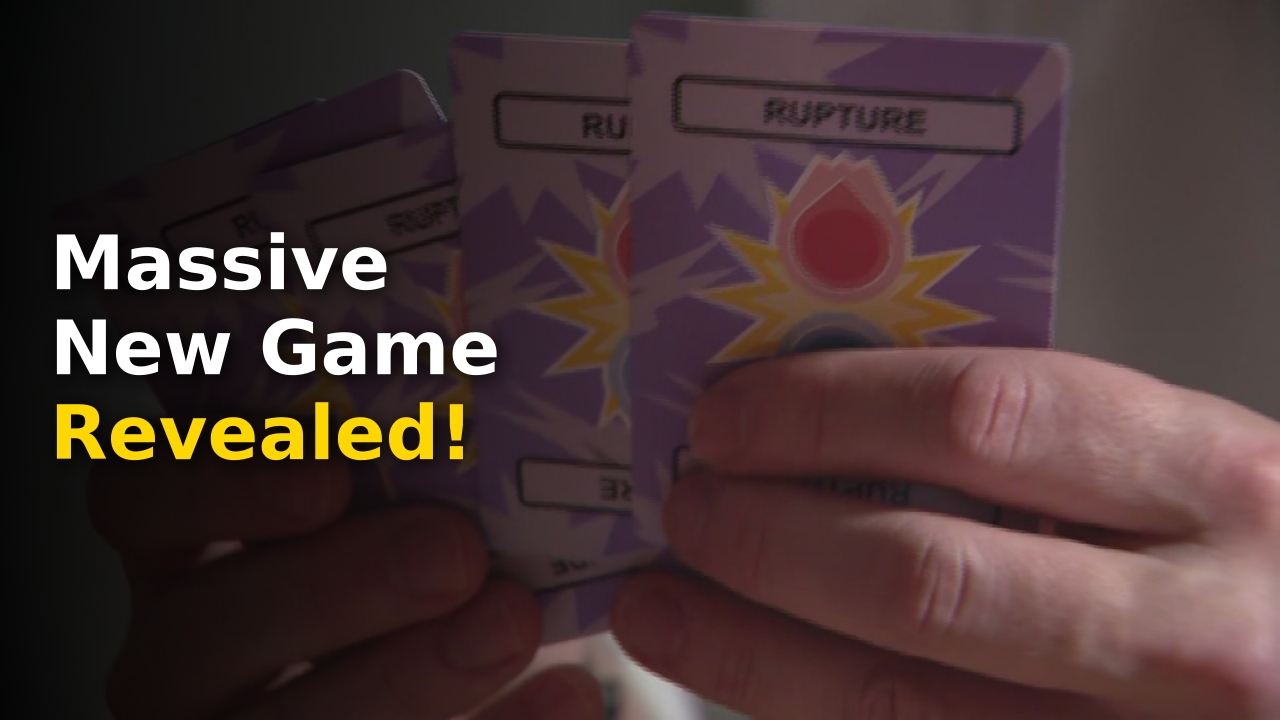
Chicago inventor launches new card game Rupture, signaling a bold new entry into a competitive $20 billion tabletop entertainment market. You have likely noticed a surge in independent designers bypassing traditional publishing gatekeepers to bring unique mechanics directly to players. As the industry evolves, this Chicago-based creation aims to capture the attention of hobbyists and casual gamers alike by prioritizing visceral, fast-paced interaction.
The rise of modern tabletop gaming is no accident, as enthusiasts increasingly seek out social experiences that do not involve digital screens. By blending strategy with high-stakes unpredictability, the game seeks to distinguish itself in an era where unique board game design has become a prerequisite for commercial success. Whether you are a seasoned strategist or a newcomer, the mechanics behind this release promise a shift in how groups interact during game night.
Understanding the Rupture Gaming Phenomenon
At its core, the game challenges players to navigate a landscape of shifting rules and immediate consequences. Designers often look toward modern game development trends to understand what makes a tabletop product truly “sticky” for modern audiences. In a market flooded with re-skinned versions of classic titles, original intellectual property like Rupture relies on a specific balance of accessibility and depth.
Chicago has historically served as a hub for industrial creativity, and the local gaming scene is currently enjoying a renaissance. Independent inventors are finding that community-driven platforms allow them to test prototypes before launching full-scale production. This grassroots approach helps mitigate the risks typically associated with a $20 billion market that is notoriously difficult for new entrants to crack without significant retail backing.

The Psychology of Modern Tabletop Interaction
Why do we play? Modern gamers seek experiences that challenge their cognitive abilities while fostering real-world bonding. By forcing players to make rapid, high-pressure decisions, the game designers have effectively gamified the concept of sudden change. This methodology aligns with recent research published by leading entertainment critics who study the intersection of social behavior and leisure.
The competitive nature of the game encourages a high level of engagement, making it a perfect fit for social gatherings. You might find that the game provides the right level of friction to keep participants focused throughout the entire session. By stripping away unnecessary complexity, the game invites players to jump straight into the action rather than memorizing exhaustive rulebooks.
Market Metrics and Industry Growth
The global tabletop sector is not merely growing; it is undergoing a radical transformation driven by boutique creators. Understanding the financial landscape of this industry reveals exactly why investors are watching local innovation in places like Chicago so closely.
| Market Factor | Growth Trend | Impact on Developers |
|---|---|---|
| Independent Publishing | High | Direct-to-consumer access |
| Board Game Cafes | Steady | Increased local visibility |
| Digital Crowdfunding | Very High | Lower barrier to entry |
| Niche Strategy Titles | Moderate | High player loyalty |
As indicated by the data above, the barrier to entry has shifted from requiring massive manufacturing deals to needing a compelling social media presence and a solid prototype. Chicago is uniquely positioned to capitalize on these trends given its history of manufacturing and logistics infrastructure. The emergence of games like Rupture is evidence that even a saturated market has room for disruptive, well-thought-out intellectual properties that prioritize player agency.
The Evolution of Independent Game Design
Designing a game is a grueling process that involves hundreds of hours of playtesting and iterative feedback. Most people forget that behind every successful title is a graveyard of abandoned mechanics and failed prototypes. In this case, the creator spent extensive time refining the specific ‘rupture’ mechanic that gives the game its name and competitive edge.
Expert Take: Balancing Luck and Skill
Gaming experts often note that the best titles offer a perfect 50/50 split between luck and strategic decision-making. If a game relies too heavily on skill, casual players lose interest quickly. If it relies too heavily on luck, the competitive demographic feels alienated. Successful products in this space manage to balance these forces by creating ‘meaningful moments’ of chaos that anyone can capitalize on, regardless of their experience level. The creator behind this project has clearly studied the classics to ensure the game doesn’t fall into the common trap of being either too punishing or too trivial.
People Also Ask
What happened with Chicago inventor launches new card game Rupture today?
A local Chicago inventor has officially debuted Rupture, a new tabletop card game aiming to capture a piece of the $20 billion gaming industry. The launch marks a significant milestone for local independent designers in the city.
Why is this card game trending right now?
The game is gaining traction because it addresses the growing consumer demand for fast-paced, high-interaction social gaming experiences. Its unique mechanical focus provides a fresh alternative to traditional board games currently on the market.
How does this affect the tabletop gaming industry?
This launch highlights the ongoing shift toward independent, high-concept games that can succeed without traditional publishing backing. It serves as a case study for how small-scale creators can effectively challenge larger, established industry players.
Where can players find details on this Chicago invention?
Interested parties can follow the inventor’s journey through local news outlets or check out the latest game industry feature coverage. Updates regarding retail availability and expansion packs are expected to drop throughout the coming year.
The Future of Chicago Gaming Ventures
As we look forward, the success of this game may serve as a blueprint for other inventors in the Midwest. By leveraging the city’s unique creative spirit, entrepreneurs are proving that you do not need to be in Silicon Valley or New York to disrupt a multi-billion dollar category. The ultimate test for Chicago inventor launches new card game Rupture will be its long-term retention—whether it becomes a household name or remains a cult classic among enthusiasts.
Ultimately, the industry thrives on innovation and the willingness of creators to take risks on new ideas. You are witnessing the start of what could be a long-standing contribution to the world of tabletop fun. As more details emerge regarding the distribution and potential digital adaptations, keep a close eye on this project—it is exactly the kind of grassroots disruption that keeps the gaming world exciting.
More Like This
For more updates, check out our latest entertainment and sports news.