Key Takeaways
| Stacey Edelstein launched Hi-Res magazine in 2024 as a grassroots response to political and social uncertainty. |
| The project has evolved from an 8-page independent zine into a 44-page, full-color bilingual publication. |
| Hi-Res First Thursdays is a live storytelling series bringing creators together in Logan Heights. |
| The initiative is self-funded, relying on a collective of volunteers to document San Diego and Tijuana art. |
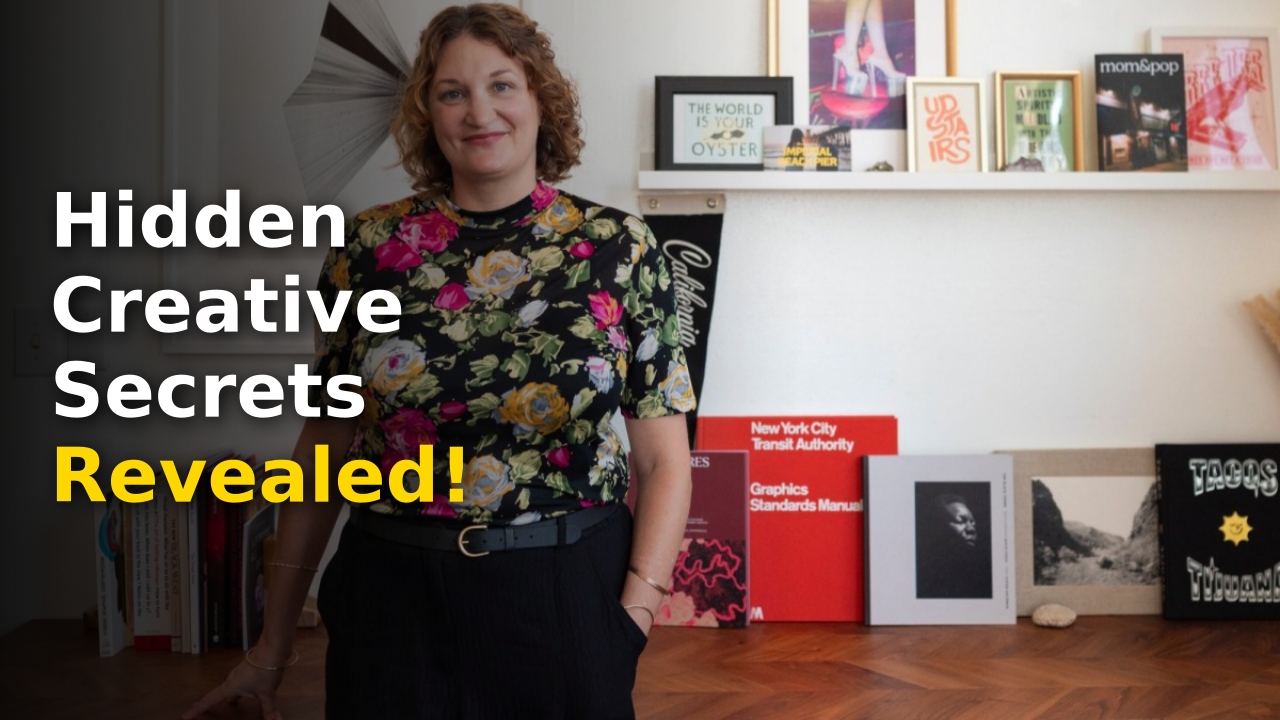
Stacey Edelstein Hi-Res serves as a poignant reminder that the finished product is great, but so is the story of what happens behind the scenes. In an era dominated by rapid digital consumption, this creative director and graphic designer has chosen to double down on the tactile, tangible power of print to unite a fractured community. By transforming personal uncertainty into a platform for local voices, she has redefined what it means to lead as an artist in 2026.
You might recognize Stacey Edelstein as a guiding force behind the San Diego creative scene, but her latest venture is less about corporate branding and more about human connection. The Stacey Edelstein Hi-Res project is not merely a magazine; it is a movement that bridges the gap between San Diego and Tijuana through storytelling. For those looking to discover the latest trends in local arts and independent publishing, this endeavor stands as a benchmark for authenticity.
Stacey Edelstein Hi-Res: Shaping the Future of Print
When you hold a copy of the latest Hi-Res edition, you are holding the result of a deliberate, intentional process that resists the algorithmic nature of modern media. Edelstein, who also co-founded Raygun Design, approaches her work with the precision of a professional and the soul of a community organizer. She emphasizes that the magazine’s value lies in its ability to preserve the ephemeral—the mural, the poem, and the local performance—for future generations to reference.

This dedication to the craft is evident in every layout choice, color palette, and typeface selection. By choosing to self-fund the publication, Edelstein maintains complete creative autonomy, ensuring that the stories of artists like Eva Struble and Josué Baltézar are presented with the dignity they deserve. It is a masterclass in how independent creators are influencing modern culture by stepping outside the traditional publishing framework.
The Role of Community Storytelling
Beyond the pages of the magazine, the Hi-Res First Thursdays series acts as a heartbeat for the Logan Heights creative ecosystem. Held at San Diego Made, these events turn the magazine into an interactive, live experience. Attendees are treated to more than just art; they witness the raw, often vulnerable stories that fuel the creative process. It is a rare space where the barrier between creator and consumer is effectively dismantled.
Performance Data and Growth Metrics
The growth of the Hi-Res project illustrates a significant appetite for authentic, local-first content. The following data highlights the evolution of the publication since its inception in 2024.
| Development Phase | Format/Scope | Year |
|---|---|---|
| Initial Zine | 8-page print | 2024 |
| First Magazine | 44-page A4 Color | 2025 |
| Live Events | Monthly Storytelling | Current |
The Philosophy of Creative Persistence
In the world of professional design, there is often a misconception that you must be a full-time, paid artist to justify the title. Edelstein rejects this hierarchy entirely, championing the idea that creativity is an inherent human right, not just a career path. This inclusivity has allowed Hi-Res to become a welcoming home for voices that might otherwise feel alienated by the exclusionary nature of the traditional art world.
Expert analysts of the creative economy note that grassroots initiatives often possess higher long-term viability than centralized media because they are built on social capital rather than venture capital. By prioritizing the community’s emotional health and the preservation of local history, the Stacey Edelstein Hi-Res model creates a sustainable loop of inspiration. The involvement of translators and local photographers further underscores the project’s commitment to accessibility and cultural representation.
People Also Ask
What happened with Stacey Edelstein Hi-Res during the 2024 election cycle?
Edelstein launched the first eight-page zine in December 2024 as a direct response to the political climate and social fracturing she witnessed. She printed 50 copies at a local shop and distributed them for free to attendees at CreativeMornings San Diego to foster community connection.
Why is the Hi-Res magazine bilingual?
The magazine features content in both English and Spanish to accurately reflect the binational reality of the San Diego and Tijuana art scenes. This choice is part of Edelstein’s broader effort to create a more inclusive and accessible space for creators on both sides of the border.
How can I attend Hi-Res First Thursdays?
The storytelling series takes place monthly at San Diego Made in Logan Heights, typically from 6 to 8 p.m. It is a free event featuring cocktails, tacos, DJs, and live presentations from local artists and creators.
How does Hi-Res support the local San Diego creative economy?
The project provides stipends to local contributors like photographers and translators while showcasing the work of independent artists and small businesses. By platforming these creators, the magazine helps document and preserve the cultural output of the city, which strengthens the local arts infrastructure.
Final Thoughts on the Hi-Res Movement
The journey of Stacey Edelstein Hi-Res serves as a masterclass in modern creative leadership. It reminds us that behind every polished, high-resolution aesthetic is a grit and a human story that dictates its ultimate success. As we look ahead, the project continues to prove that when you prioritize your community, you create something far more resilient than a mere product.
More Like This
For more updates, check out our latest entertainment and sports news.