⚡ Key Takeaways
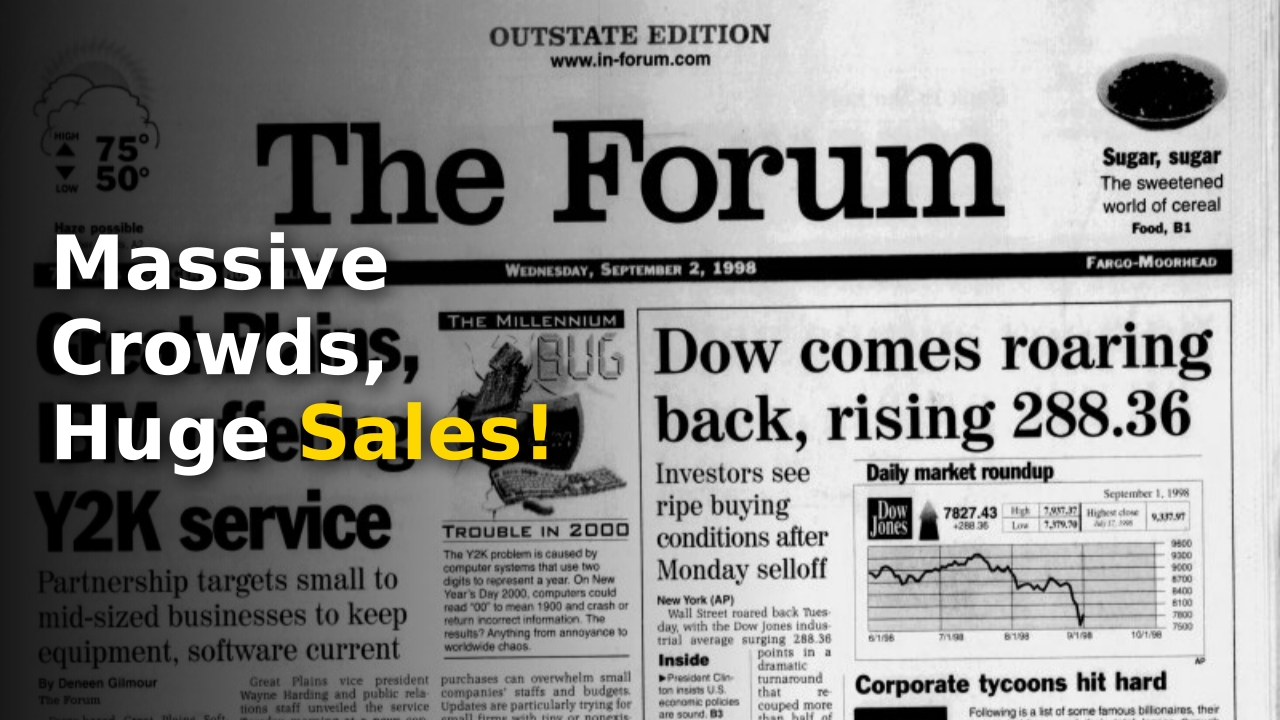
- In 1998, hundreds of fans swarmed Fargo retailers for the midnight VHS launch of James Cameron’s blockbuster.
- The demand for Titanic video release copies far exceeded the initial hype seen for Disney’s ‘The Lion King’.
- Retailers like Best Buy and Media Play struggled to maintain inventory as thousands of units vanished within hours.
- Paramount Pictures debunked rumors of a “director’s cut” re-release, confirming the theatrical version was definitive.
The Titanic video release stands as a definitive cultural milestone, capturing a moment when physical media obsession hit a fever pitch. You might recall the era of the midnight release, but nothing quite compared to the sheer scale of the hysteria surrounding James Cameron’s $200 million epic in 1998.
On that historic night, hundreds of eager fans in Fargo, North Dakota, abandoned their sleep to secure their own copy of the film that had already conquered the global box office. This wasn’t just a shopping trip; it was a phenomenon that transformed how we viewed home entertainment, proving that even a three-hour historical tragedy could dominate the living room as effectively as it owned the silver screen.
Understanding the Titanic video release madness
The intensity of the Titanic video release wasn’t limited to a few urban hotspots. Across the country, and specifically in markets like Fargo, retailers were caught completely off guard by the volume of customers lining up in the dark. Stores like Media Play and Blockbuster became the epicenter of the craze, with managers reporting lines that wrapped around buildings long before the clock struck midnight.
Assistant general manager Greg Krier noted that the atmosphere inside his store felt like a desperate scramble for lifeboats. With over 1,200 copies in stock, they were still bracing for a total sell-out. The comparison to Disney’s The Lion King was inevitable, but those on the front lines confirmed that the Titanic fervor was in a league of its own.

Many fans arrived without reservations, clinging to the hope that a stray copy might remain on the shelves. For those who grew up in the evolution of cinematic home media, this era represented the pinnacle of the VHS format’s cultural dominance. Retailers were scrambling to manage inventory flows, with thousands of additional units projected to be shipped to cover the relentless consumer demand.
The logistics of 1990s retail chaos
Managing the supply chain for a physical product of this magnitude required precision. Best Buy reported that customers were camping out as early as 9:40 p.m. to guarantee their purchase. They carried thousands of copies, split between the standard “pan and scan” format and the more sought-after wide-screen edition, catering to different home cinema preferences.
This level of consumer engagement is a far cry from today’s digital on-demand culture. It highlights a unique historical intersection where the physical ownership of a film served as a social status symbol and a necessary staple for every home collection. For more on how major cinema milestones impact modern viewing, see IMDb’s detailed historical data on blockbuster films.
By The Numbers: The Titanic retail surge
The impact of this release can be clearly quantified by looking at the inventory management and sales velocity reported by regional and national retailers during that single 24-hour window.
| Retail Location | Reported Units/Sales | Notes |
|---|---|---|
| Media Play (Fargo) | 400-500 Attendees | Overflowed to parking lot |
| Blockbuster (Regional) | ~180 Sold (24h) | Inventory depleted quickly |
| Best Buy (Fargo) | 2,000+ Available | Heavy wide-screen interest |
| National (Blockbuster) | 1 Million Sold | Major market impact |
Director’s cut rumors and industry clarity
As the video landed in homes, rumors began swirling about a potential “Director’s Cut” featuring extended scenes. Paramount Pictures had to intervene, clarifying that the theatrical release was the singular vision of director James Cameron. This moment highlights how early internet-era speculation could spread just as fast as the demand for the product itself.
James Cameron famously stood by the film, stating that he felt the version audiences saw was already the definitive cut. This transparency was crucial, as it prevented fans from holding off on their purchase in anticipation of a future, “superior” edition. It kept the momentum of the initial sales run intact, protecting the retail ecosystem from a dip in consumer confidence.

Understanding these historical patterns is essential for anyone following the latest trends in film history and home media. The strategies used in 1998 set a blueprint for future tentpole movie releases that persist even in the era of streaming giants. You can explore further at Forbes’ analysis of historical box office trends.
People Also Ask
What happened with the Titanic video release in Fargo?
In 1998, hundreds of fans lined up at local retailers like Media Play, Blockbuster, and Best Buy for the midnight release of the film. Stores reported massive crowds and high-speed sales, with hundreds of units selling out within hours of the doors opening.
Why is the Titanic home video release still considered a significant event?
It remains a landmark moment because it represented the peak of VHS retail culture and physical media dominance. The sheer volume of sales, reaching 1 million at Blockbuster alone, demonstrated the unprecedented cultural grip the film had on the public.
Did Paramount release a longer director’s cut of Titanic in 1998?
No, Paramount Pictures confirmed there were no plans for a director’s cut. Director James Cameron maintained that the theatrical version was the definitive version he intended for the audience to see.
How does this 1998 event affect our understanding of modern physical media?
It serves as a baseline for the “event” nature of media consumption before the digital age. It shows that even before streaming, consumer excitement for blockbusters was driven by the urgency of physical ownership, a trend that still influences limited-edition collector markets today.
Final thoughts on the retail phenomenon
Reflecting on the 1998 event, it is clear that the Titanic video release was more than just a commercial success; it was a testament to the power of cinematic storytelling. The way fans flocked to Fargo stores remains a vivid reminder of a time when the physical arrival of a film was a community-building experience.
As we navigate the current landscape of digital content, those midnight queues serve as a poignant reminder of the value we once placed on holding our favorite stories in our hands. The legacy of that day continues to echo through our cultural impact of legendary films, cementing the movie’s place in the pantheon of Hollywood greats.
More Like This
For more updates, check out our latest entertainment and sports news.