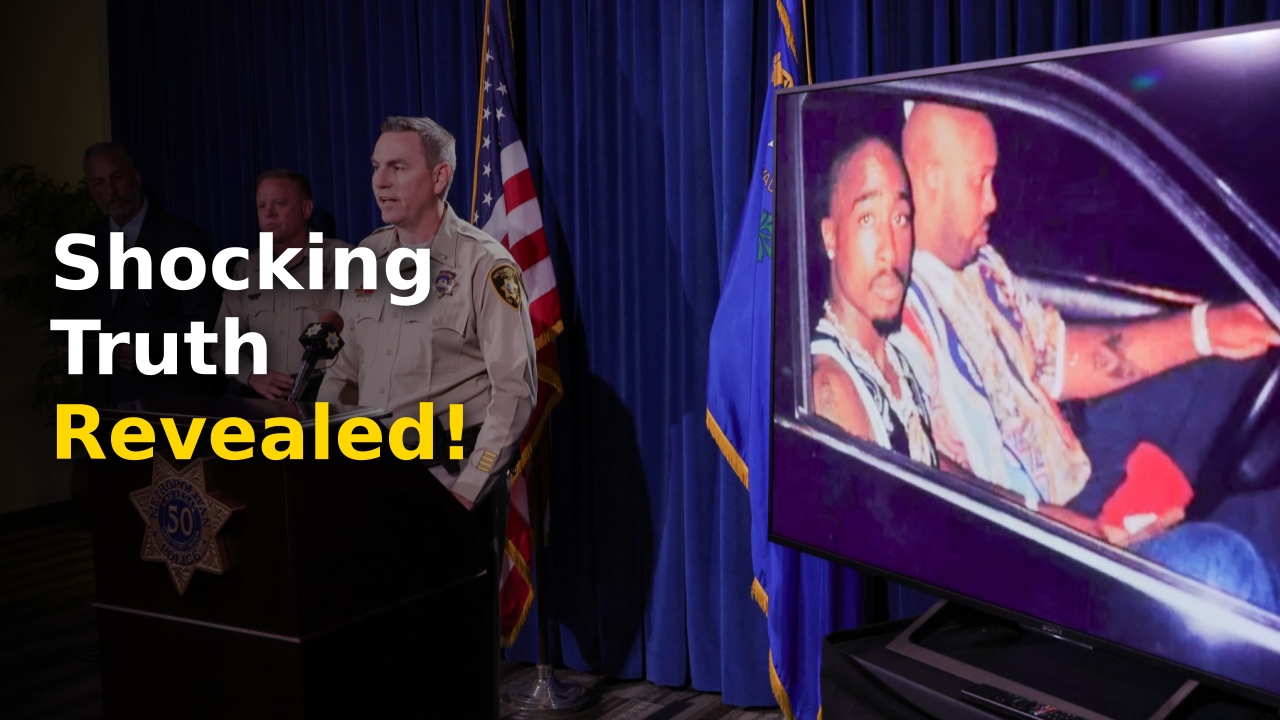
⚡ Key Takeaways
- Duane “Keffe D” Davis has been found guilty of orchestrating the 1996 murder of Tupac Shakur.
- The jury reached the unanimous Tupac Verdict after only three hours of intense deliberation in Las Vegas.
- Prosecutors successfully argued that Davis ordered the hit as gang-related retaliation for a brawl at the MGM Grand.
- Davis’s own 2019 memoir and various podcast interviews served as the primary evidence used against him.
- The 63-year-old former gang leader now faces a potential sentence of life in prison without parole.
You are finally witnessing the closing chapter of a mystery that defined an entire generation of music and culture. The Tupac Verdict was officially delivered in a Las Vegas courtroom, finding Duane “Keffe D” Davis guilty of the 1996 murder of rap icon Tupac Shakur. This landmark decision brings a staggering end to nearly 30 years of speculation, conspiracy theories, and cold-case investigations that haunted the hip-hop community.
A jury of twelve men and women took only three short hours to deliberate before convicting the 63-year-old former gang leader. The Tupac Verdict confirms that Davis was the mastermind behind the drive-by shooting that claimed the life of the 25-year-old artist. While Davis was not the triggerman, Nevada law allows for a murder conviction if a person aids or abets the crime.
Prosecutors meticulously built their case on the foundation of the defendant’s own public admissions. For years, Davis bragged about his involvement in various media outlets, thinking he was protected by legal immunity. Those words eventually became his undoing, leading to the most significant Tupac Verdict in the history of the American legal system.
The Long-Awaited Tupac Verdict Delivered
The atmosphere in the courtroom remained heavy as the clerk read the words many thought they would never hear. Duane “Keffe D” Davis sat motionless as he was declared guilty of murder with a gang enhancement. This Tupac Verdict represents a monumental shift for the Las Vegas Metropolitan Police Department, which faced decades of criticism for failing to solve the case.
During the two-week trial, the prosecution team presented a narrative of revenge and street justice. They argued that the shooting was a direct response to a physical altercation that occurred earlier that night. Tupac Shakur and his Death Row Records associates had attacked Orlando Anderson, the nephew of Davis, in the lobby of the MGM Grand hotel.

The jury listened to 24 witnesses who painted a vivid picture of the 1990s gang landscape in Los Angeles and Las Vegas. These testimonies detailed how the South Side Compton Crips mobilized immediately after the hotel brawl. The Tupac Verdict was secured by showing that Davis provided the weapon and sat in the front seat of the Cadillac used in the hit.
Defense attorney Michael Sanft attempted to frame his client’s past admissions as mere tall tales meant for profit. He argued that Davis was a storyteller who exaggerated his role to sell books and gain internet notoriety. However, the sheer volume of recorded interviews made it impossible for the jury to ignore the defendant’s specific knowledge of the crime scene.
Expert Take: The Power of Public Confession
Legal analysts suggest that this case is a cautionary tale for the digital age of true crime media. “The Tupac Verdict was essentially written by Davis himself during his 2019 media tour,” says legal expert Jonathan Miller. By providing granular details that only someone present at the scene could know, he effectively waived any shadow of a doubt. This strategy of using ‘entertainment’ as a defense rarely holds up when physical evidence of a conspiracy exists.
Witness Testimony and Crucial Evidence
The trial featured a parade of former associates and investigators who broke down the events of September 7, 1996. One of the most compelling witnesses was Buntry Fouse, a former associate who provided context on the inner workings of the Crips. His testimony helped the jury understand the hierarchy that placed Davis in a position of command during the Tupac Verdict proceedings.
Prosecutors also played over eight hours of audio and video recordings featuring Davis. In these clips, he described the “white Cadillac” pulling up next to the BMW carrying Tupac Shakur and Suge Knight. He detailed how the shots were fired from the back seat, where his nephew Orlando Anderson was reportedly sitting. This self-incrimination was the cornerstone of the Tupac Verdict.
The defense called only three witnesses, focusing on the lack of physical forensic evidence from the 1990s. They pointed out that no DNA or fingerprints linked Davis to the murder weapon or the vehicle. Despite this, the jury found the circumstantial evidence and the defendant’s own narrative to be overwhelmingly credible. They decided that the Tupac Verdict required no further physical proof given the verbal admissions.
For more insights into the lives of legendary music figures and their legal battles, visit brightcelebrity.com for deep-dive features. The site offers extensive coverage of the Death Row Records era and its lasting impact on modern entertainment. Understanding the history of these artists provides necessary context for the current Tupac Verdict.
Critical Timeline of the Shooting
To understand why the Tupac Verdict took nearly three decades, one must look at the chaotic timeline of that fateful night. The following data highlights the sequence of events that led to the fatal encounter on the Las Vegas strip. This structure helped the prosecution prove that the murder was a premeditated act of retaliation rather than a random act of violence.
| Time (Approx) | Event Location | Incident Description |
|---|---|---|
| 8:50 PM | MGM Grand Lobby | Tupac attacks Orlando Anderson after the Tyson fight. |
| 10:30 PM | Compton Crip Hideout | Keffe D assembles a crew and obtains a .40 caliber pistol. |
| 11:15 PM | Flamingo & Koval | White Cadillac pulls up beside Tupac’s BMW. |
| 11:17 PM | Drive-by Scene | Gunman fires multiple rounds; Tupac is hit four times. |
This timeline was essential for the Tupac Verdict because it established a clear motive. The defense tried to argue that the Crips were simply in town for the boxing match and had no plan to kill. However, the speed at which the weapon was procured suggested a highly organized response. This premeditation is what elevated the charge to first-degree murder.

The jury also reviewed the geography of the strip during the trial. They saw how the shooters navigated traffic to find Suge Knight’s car at a red light. This level of tactical planning was a key point of discussion during the Tupac Verdict deliberations. It showed that the occupants of the Cadillac were acting with a unified, lethal purpose.
Expert Analysis: The Legal Moat
The Tupac Verdict marks a rare instance where a “proffer agreement” was used effectively against a defendant years later. In 2008, Davis met with federal and local authorities as part of a drug trafficking investigation. He provided information about the Tupac Shakur murder under the impression it could not be used against him in federal court.
However, that agreement did not offer universal immunity for state-level prosecution in Nevada. By repeating these stories in his 2019 book “Compton Street Legend,” Davis stepped outside the protection of his previous legal deals. This strategic blunder is what allowed Clark County prosecutors to finally move forward with the Tupac Verdict decades after the trail had gone cold.
By The Numbers: The Shakur Investigation
The investigation leading to the Tupac Verdict involved over 3,000 pages of discovery and dozens of grand jury testimonies. Since 1996, the LVMPD has processed thousands of tips, many of which led to dead ends or false leads. The cost of maintaining the case file for 27 years is estimated to be in the millions. This conviction serves as a massive win for public safety officials who were long accused of apathy toward the murder of a Black artist.
The cultural impact of Tupac Shakur remains unmatched, with over 75 million records sold worldwide. His estate is currently valued at nearly $40 million, according to Wikipedia. The resolution of this case through the Tupac Verdict provides a sense of closure for an estate that has spent decades protecting the artist’s legacy. It also allows his sister, Sekyiwa Shakur, to finally see justice for her brother’s untimely passing.
Frequently Asked Questions
Who was officially found guilty in the Tupac Verdict?
Duane “Keffe D” Davis was found guilty of first-degree murder for orchestrating the killing of Tupac Shakur. Although he was not the gunman, he was convicted for his role as the leader who provided the weapon and directed the hit. This is the first and only conviction ever handed down in the 1996 case.
Why did it take 27 years to reach the Tupac Verdict?
The case remained cold for decades due to a lack of cooperating witnesses and forensic evidence. It wasn’t until Davis began making public admissions in books and interviews starting in 2018 that prosecutors had enough evidence to secure an indictment. These admissions gave investigators the leverage needed to finally achieve a Tupac Verdict.
Will Keffe D go to prison for the rest of his life?
Yes, Davis faces a potential sentence of life in prison without the possibility of parole. The judge will determine the final sentencing in a separate hearing following the Tupac Verdict. Given the severity of the crime and the gang-related enhancements, many legal experts expect a maximum sentence for the 63-year-old.
A Legacy Defined by Justice
The Tupac Verdict is more than just a legal victory; it is a validation of the historical record. For years, the world wondered if the killers of Tupac Shakur would ever face a judge. This conviction proves that the wheels of justice, though slow, eventually turn for everyone, regardless of their status or the time passed. Tupac Shakur remains a symbol of resistance and poetry, and his murder no longer stands as an unsolved mystery.
The trial also shed light on the tragic cycle of violence that plagued the 1990s music industry. By achieving this Tupac Verdict, the city of Las Vegas has finally addressed a dark stain on its history. The evidence presented during the trial will likely be studied by legal scholars and historians for years to come. It serves as a definitive account of the feud that claimed the lives of both Shakur and The Notorious B.I.G.
As Duane Davis awaits his sentencing, the hip-hop world can finally breathe a sigh of relief. The Tupac Verdict doesn’t bring the artist back, but it honors his memory by holding those responsible accountable. The story of Tupac Shakur can now be told with a sense of completion, ensuring that his legacy is defined by his art rather than just his tragic end.
More Like This
For more updates, check out our latest entertainment and sports news.