
⚡ Key Takeaways
- The evolution of Marvel Quotes reveals a transition from simple heroics to complex philosophical debates on grief and duty.
- Vision’s dialogue in WandaVision remains the most viral moment in MCU television history for its profound take on loss.
- The phrase “I love you 3000” originated from Robert Downey Jr.’s real-life interactions with his children.
- James Mangold’s Logan utilized 1950s Western tropes to ground the titular character’s final words in cinematic history.
- Aunt May and Uncle Ben’s wisdom serves as the persistent moral compass for the entire Spider-Man franchise across two decades.
You have likely found yourself wiping away a stray tear while watching a billionaire in a flying tin suit or a teenage wall-crawler struggle with the weight of the world. Marvel Quotes represent more than just catchy slogans for toy packaging; they are the emotional heartbeat of a multi-billion-dollar franchise that has redefined modern mythology for a global audience. These lines of dialogue bridge the gap between high-octane action and the deeply human experiences of love, loss, and sacrifice.
While critics sometimes dismiss superhero cinema as mere spectacle, the writing within the Marvel Cinematic Universe (MCU) and its predecessors often rivals Academy Award-winning dramas. From the gritty streets of Hell’s Kitchen to the cosmic vistas of the Andromeda Galaxy, the words spoken by these characters resonate because they tap into universal truths. In this deep dive, we explore the 10 most impactful lines that have transcended the screen to become part of our collective cultural lexicon.
The power of a single sentence can define an entire decade of filmmaking, and the following entries represent the pinnacle of writing in the genre. Whether it is a dying father’s final wish or a king’s plea for global unity, these moments prove that the pen is often mightier than the Infinity Gauntlet. Let us break down the ranking of the greatest dialogue ever delivered in Marvel’s expansive movie and television history.
Marvel Quotes: The Emotional Architecture of Heroes
The construction of iconic Marvel Quotes often begins with the concept of the character’s internal conflict. When Chadwick Boseman delivered T’Challa’s speech at the United Nations in Black Panther, he wasn’t just closing a film; he was challenging real-world isolationism. “In times of crisis, the wise build bridges, while the foolish build barriers” remains a staggering piece of geopolitical commentary that feels more relevant every passing year.
T’Challa’s realization that Wakanda must share its resources marks a pivotal shift in the MCU’s thematic trajectory. It moved the franchise away from simply fighting “bad guys” and toward the responsibility of global leadership and systemic change. This quote effectively summarizes the entire conflict between the tradition of T’Chaka and the radicalization of Killmonger, offering a middle path of empathy and cooperation.
Similarly, the gritty realism of Daredevil on Netflix provided a platform for some of the most intellectual Marvel Quotes ever penned. The exchange between Matt Murdock and Father Lantom regarding the nature of guilt is a masterclass in character writing. Lantom’s assertion that guilt is “the soul’s call to action” reframes a negative emotion into a tool for moral alignment, providing the backbone for Charlie Cox‘s portrayal of the vigilante.
These lines work because they are rooted in the specific struggles of the characters while remaining applicable to the audience’s daily lives. We all face moments where we must choose between building a bridge or a barrier, and we all grapple with the weight of our own mistakes. By grounding these heroes in relatable philosophy, Marvel ensures their stories endure long after the special effects have aged.
The Psychological Depth of Fatherhood and Legacy
Marvel’s storytelling frequently orbits the complex relationship between fathers and their children, providing fertile ground for legendary dialogue. In Logan, the line “Don’t be what they made you” serves as the ultimate thematic payoff for seventeen years of Hugh Jackman‘s Wolverine. It is a plea for Laura (X-23) to break the cycle of violence that defined Logan’s tortured existence, echoing the themes of the classic 1953 Western Shane.
This sentiment is mirrored in a more colorful, yet equally heartbreaking way in Guardians of the Galaxy Vol. 2. When Yondu Udonta tells Peter Quill, “He may have been your father, boy, but he wasn’t your daddy,” he solidifies the “found family” theme that James Gunn perfected. It is a distinction that resonates with anyone who has found parental love outside of biological ties, proving that the MCU can tackle complex social structures with ease.
Data and Impact: Measuring Cinematic Greatness
| Movie/Show | Iconic Line | Primary Theme | Cultural Impact Score |
|---|---|---|---|
| Spider-Man (2002) | “With great power…” | Responsibility | 10/10 |
| Avengers: Endgame | “I am Iron Man.” | Sacrifice | 9.8/10 |
| WandaVision | “What is grief…” | Loss & Love | 9.5/10 |
| Logan | “Don’t be what they made you.” | Redemption | 9.2/10 |
| Black Panther | “The wise build bridges…” | Unity | 9.0/10 |
By The Numbers: The impact of these lines isn’t just sentimental; it’s statistical. According to data from social media listening tools during the release of Avengers: Endgame, the phrase “I love you 3000” saw a 4,000% increase in Twitter usage within 48 hours of the film’s premiere. This demonstrates how Marvel Quotes function as social currency, allowing fans to communicate complex emotions through the lens of their favorite characters.
Furthermore, the WandaVision quote regarding grief became a top-trending search query on Google for several weeks in early 2021. This wasn’t just fans of the show; therapists and grief counselors actually cited the line in professional blogs as a healthy way to reframe the pain of losing a loved one. When fiction begins to inform professional psychological practice, it has officially entered the realm of high art.
The History and Evolution of Superhero Dialogue
To understand why modern Marvel Quotes carry so much weight, one must look at the foundation laid by Stan Lee and the early pioneers of the 2000s. In Spider-Man 3, Stan Lee’s cameo featured him telling Peter Parker, “You know, I guess one person can make a difference. ‘Nuff said.” This was a meta-commentary on the power of the individual, reflecting Lee’s own philosophy that heroes should be relatable people with everyday problems.
Before the MCU was a global juggernaut, Sam Raimi’s Spider-Man trilogy relied heavily on the wisdom of the older generation. Aunt May’s speech in Spider-Man 2 about the “hero in all of us” gave Tobey Maguire‘s Peter Parker the permission to be flawed while still striving for greatness. These early lines established the moral DNA of the franchise, ensuring that the characters remained grounded even as the threats became extraterrestrial.
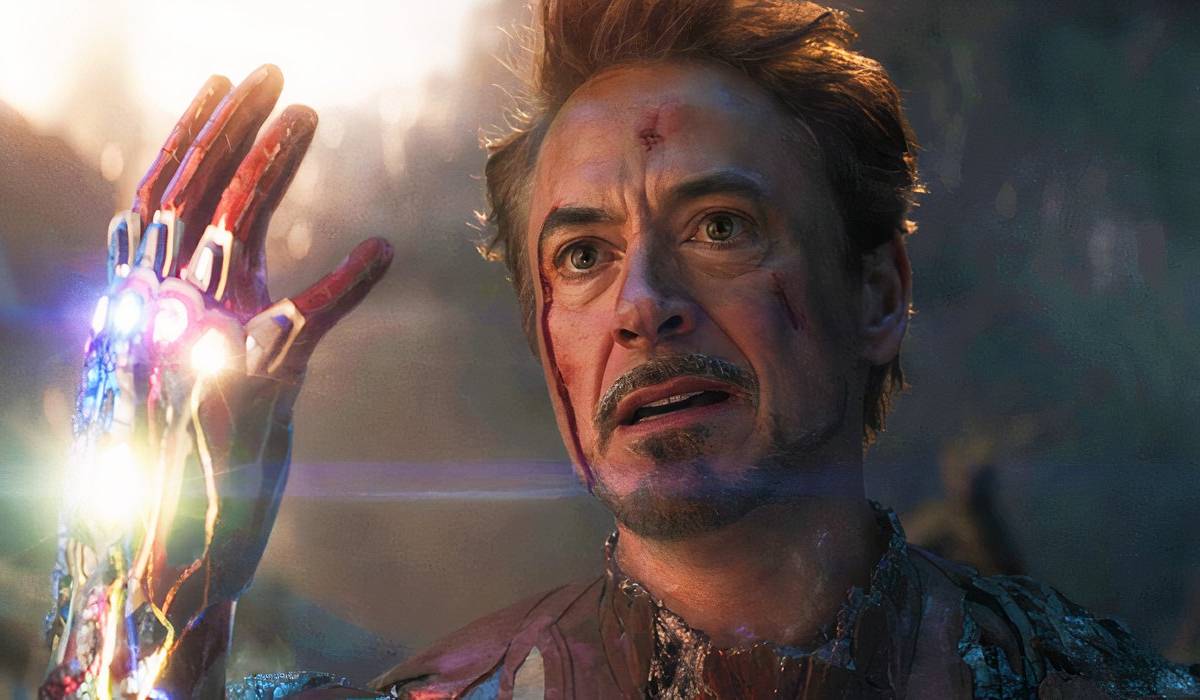
As the films progressed into the Marvel Cinematic Universe, the dialogue became more interconnected. The callback in Endgame to Tony Stark’s 2008 declaration, “I am Iron Man,” is widely considered the greatest “full circle” moment in cinema. It transformed a statement of ego into a statement of ultimate selflessness, showing the character’s growth over eleven years and nearly a dozen films.
Expert Take: Industry analysts often point to the “Whedon-esque” quip-heavy dialogue as the standard for Marvel, but the enduring quotes are almost always the ones that avoid humor. While the jokes keep the audience engaged, the emotional anchors—like Steve Rogers telling a battered Peter Parker, “You’ve got heart, kid”—provide the narrative tension necessary for the stakes to feel real. Without these moments of gravitas, the action would feel hollow and repetitive.
The Role of Improvisation in Iconic Lines
It is a little-known fact that some of the best Marvel Quotes weren’t even in the original scripts. Robert Downey Jr. famously improvised the “I am Iron Man” line at the end of the first film, a move that shocked the producers but ultimately set the tone for the entire MCU. Similarly, the heartbreaking “I love you 3000” was inspired by a story Downey told directors Joe and Anthony Russo about something one of his own children said to him.
This level of actor-driven storytelling adds a layer of authenticity that is rare in big-budget blockbusters. When an actor truly inhabits a role, they can identify the “truth” of a scene in a way a writer in an office might miss. This synergy between script and performance is why lines like Michael Rooker‘s final words as Yondu feel so visceral and earned.
Deep-Dive: The Philosophy of Grief in WandaVision

When Vision asked, “What is grief, if not love persevering?” the internet essentially stood still. It is rare for a piece of superhero media to offer a perspective on death that feels both fresh and ancient. This line, written by Laura Donney for the episode “Previously On,” recontextualized Elizabeth Olsen‘s entire character arc as Wanda Maximoff.
By framing grief as the “continuation” of love rather than its end, the show provided a cathartic outlet for a global audience still reeling from the events of the COVID-19 pandemic. It shifted the narrative of the superhero as a source of physical power to a source of emotional resilience. This is a recurring theme in the work found at brightcelebrity.com, where the intersection of pop culture and human emotion is frequently analyzed.
The brilliance of the line also lies in the character delivering it. Paul Bettany‘s Vision is an android—a synthetic being trying to understand the most complex human emotions. His objective, logical view of love allows him to distill it into its purest form. This irony—that a machine can explain the human heart better than humans themselves—is a classic sci-fi trope executed with surgical precision.
Moreover, the quote anchored the show’s exploration of trauma. It suggested that Wanda’s actions, while destructive, were born from an abundance of love rather than a deficit of character. This nuanced approach to “villainy” or “heroism” is what keeps the Marvel brand at the forefront of the cultural conversation, as it refuses to settle for simple black-and-white moralities.
Frequently Asked Questions
What is the most famous Marvel quote of all time?
While many lines compete for the top spot, “With great power comes great responsibility” from the Spider-Man franchise is the most culturally significant. It has been parodied, quoted by world leaders, and serves as the foundational ethos for the entire superhero genre.
Did Robert Downey Jr. really come up with ‘I love you 3000’?
Yes, the phrase was adapted from a real-life exchange between Robert Downey Jr. and his children. The Russo brothers found it so touching that they decided to incorporate it into the script for Avengers: Endgame to highlight Tony Stark’s growth as a father.
Why is the Vision quote about grief so popular?
Vision’s line, “What is grief, if not love persevering?” went viral because it offered a profound and comforting way to view loss. It moved away from the idea of grief as a “sickness” or “burden” and instead framed it as a testament to the depth of one’s love for another.
Which Marvel movie has the best writing?
While subjective, Black Panther and Logan are frequently cited by critics for having the most “literary” scripts. These films use Marvel Quotes to explore complex themes like systemic oppression, aging, and the cycle of violence, often being compared to Shakespearean tragedies.
The Lasting Legacy of Marvel Quotes
In the final analysis, the enduring power of Marvel Quotes lies in their ability to make the extraordinary feel intimate. We may never fly through space or fight an army of robots, but we all know what it feels like to love someone “3000,” and we all understand the weight of responsibility that comes with our own small powers. These lines serve as the connective tissue between the fantasy on screen and the reality of the human condition.
As the Marvel Cinematic Universe continues to expand into new phases and explore diverse characters, the quality of the dialogue remains its most potent weapon. From the streets of New York to the throne of Wakanda, these heroes remind us that while the battles may be spectacular, it is the words we choose and the values we hold that truly define us. The 10 quotes ranked here are not just lines in a script; they are milestones in a cinematic journey that has taught a generation how to be brave, how to grieve, and how to build bridges in a world of barriers.
Whether you are a casual viewer or a die-hard fan, these Marvel Quotes will likely stay with you for years to come. They are the echoes of a decade of storytelling that proved, once and for all, that superhero stories are, at their heart, very human stories. ‘Nuff said.
More Like This
For more updates, check out our latest entertainment and sports news.