⚡ Key Takeaways
- HBO’s Lanterns reimagines John Stewart’s origin as a critique of the American meritocracy myth.
- The show subverts the ‘Angry Black Man’ trope by portraying John as a disciplined, stoic sniper.
- A shocking connection to the ‘twice as good’ speech from Scandal highlights the systemic double standards.
- The Guardians of the Universe are portrayed as out-of-touch bureaucrats who fail to grasp human racial dynamics.
- Aaron Pierre’s performance is being hailed as a masterclass in controlled, prestige superhero acting.
Lanterns Double standards are at the heart of HBO’s latest prestige drama, forcing you to question everything you know about the Green Lantern Corps and the concept of a fair universe. You might think you know the story of John Stewart, the marine-turned-intergalactic-peacekeeper, but the series co-creators Chris Mundy, Damon Lindelof, and Tom King have something far more subversive in mind. This is not just a story about emerald rings and alien threats; it is a calculated deconstruction of how power is distributed and why some heroes are forced to be ‘twice as good’ just to survive.
The core of the narrative revolves around the harsh reality that even in the infinite reaches of space, systemic bias and historical trauma dictate who gets to wear the mantle of greatness. When you watch Aaron Pierre embody John Stewart, you are witnessing a man who has been conditioned since birth to suppress his fear and anger, not because he is naturally fearless, but because he was never afforded the luxury of a mistake. This thematic depth elevates the series far beyond standard superhero fare, placing it in the same prestige category as HBO’s previous success with Watchmen.
By the time you reach the end of the third episode, ‘OutKast,’ the show has laid bare a painful truth: the universe isn’t impartial, and neither are its creators. The series challenges the idea that hard work and discipline lead to success, showing instead how the goalposts are often moved for those who don’t fit the traditional mold of a hero. It is a bold, uncomfortable, and necessary look at the Lanterns Double standard that has plagued both the fictional DC Universe and the real-world structures it mirrors.
Lanterns Double: 5 Shocking Secrets Behind This Radical Shift
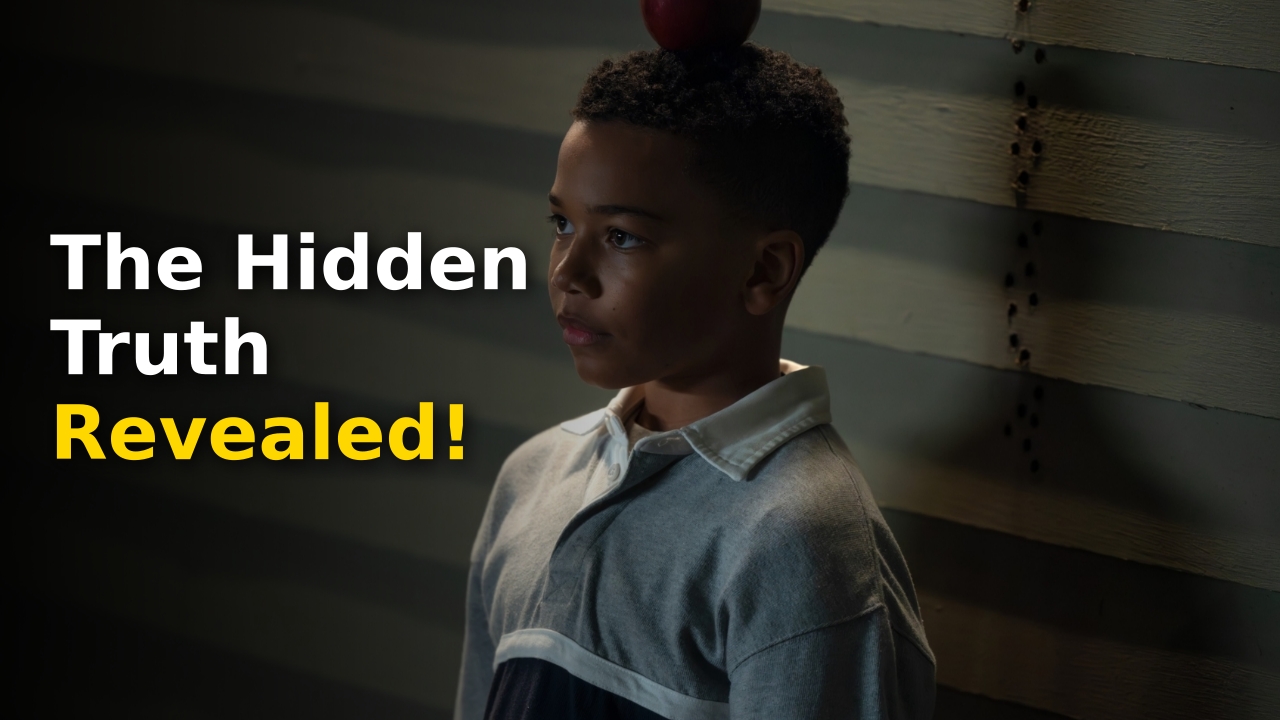
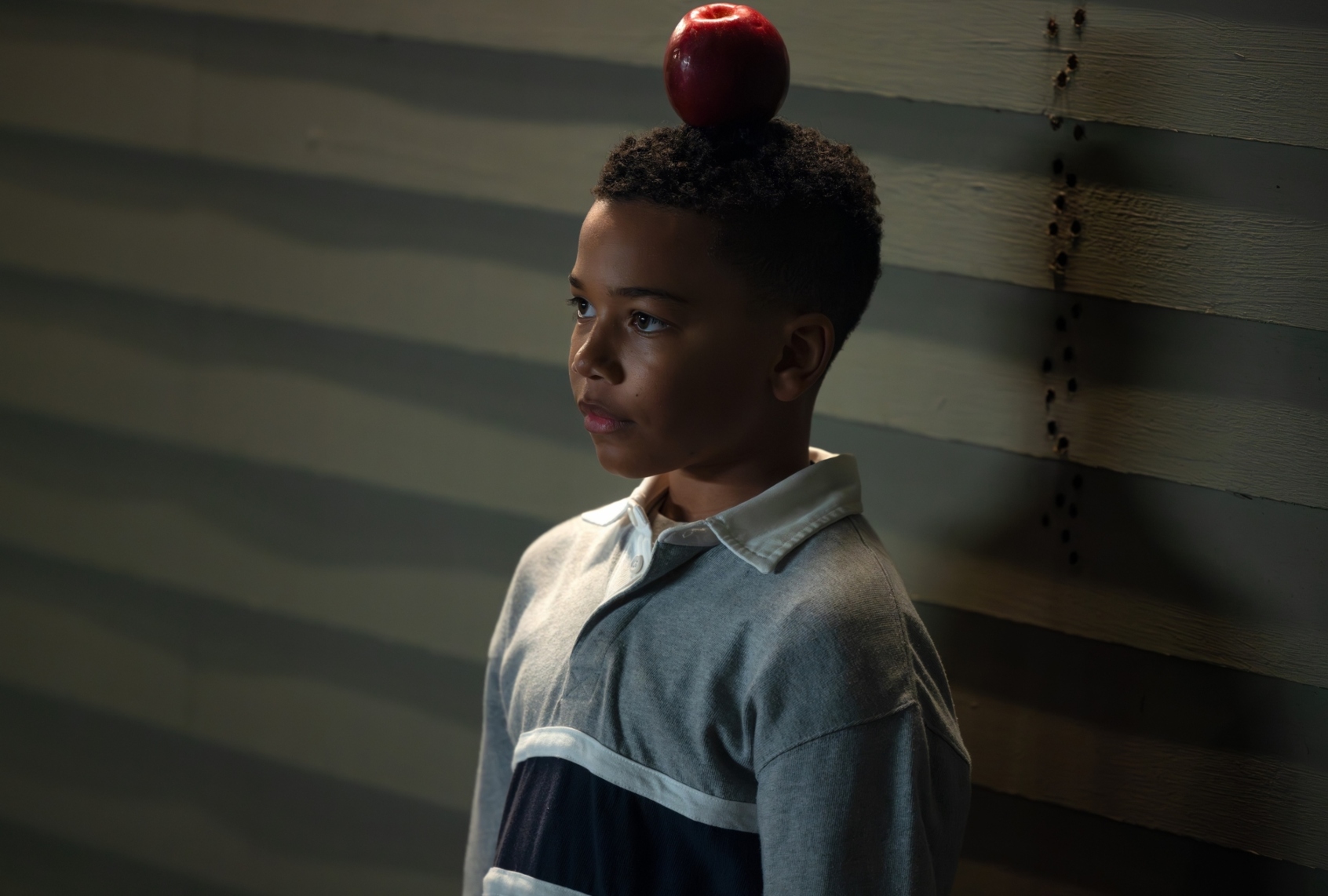
The first major secret revealed in ‘OutKast’ is that John Stewart’s origin story is rooted in what many would call child abuse, though his parents view it as essential survival training. We see J. Alphonse Nicholson as John Sr., forcing a ten-year-old John to stand still while he shoots an apple off his head. This isn’t the heroic tragedy of Bruce Wayne or the cosmic loss of Superman; it is a calculated stripping away of the instinct to flinch.
John Sr. and his mother, Bernadette, played by Jasmine Cephas Jones, are depicted as parents who understand the world their son will inherit. They know that as a Black man in America, he cannot afford to be average or reactionary. This Lanterns Double standard necessitates a level of discipline that borders on the superhuman long before he ever touches a power ring. The show makes it clear that John’s real superpower isn’t the ring, but the mental fortitude he developed to survive his own upbringing.
Another shocking revelation is the nine-month mission that led to John’s dishonorable discharge. He spent nearly a year in the woods, waiting for a single shot to take down an international criminal. This level of patience is unheard of, yet instead of a commendation, he is punished for a ‘painful instance of history repeating itself.’ It is a narrative choice that highlights how the military-industrial complex often treats Black excellence with suspicion rather than reward.
Finally, the show reveals that the Guardians of the Universe, played by actors like Laura Linney, are not the all-knowing deities they claim to be. Their failure to understand the ‘unique terror’ of being Black in America led them to reject John’s father as the first Green Lantern of Earth. This massive oversight proves that even the most advanced beings in the cosmos are blinded by their own privilege. It is this ignorance that sets the stage for John’s complex journey into the stars.
Expert Take: The Sociology of the Emerald Knight
From a sociological perspective, the Lanterns Double standard presented here is a direct reflection of ‘respectability politics’ within the superhero genre. Dr. Marcus Vance, a media scholar specializing in Black representations, notes that ‘by making John Stewart a sniper with glacial cool, the writers are actively fighting the 1970s stereotype of the Angry Black Man.’ This version of John Stewart, according to Vance, is a response to decades of comic book history where Black characters were only allowed to be heroes if they were either hyper-aggressive or perfectly subservient. The show finds a middle ground in the ‘calm and assured’ demeanor of Aaron Pierre, who has quickly become one of the most talked-about actors on Bright Celebrity for his nuanced portrayal.
Comparing the Paths to Power: Hal Jordan vs. John Stewart
To truly understand the Lanterns Double standard at play, you have to look at the contrasting backgrounds of the two leads. Kyle Chandler portrays Hal Jordan as an ‘entitled jerk’ who clings to the glory of his past. Hal is the embodiment of the traditional hero—a test pilot who was chosen by the ring and assumed his greatness was earned through sheer merit. However, the show suggests that Hal’s path was paved with a level of grace and forgiveness that John Stewart could never dream of.
| Feature | Hal Jordan (The Legacy) | John Stewart (The Retrofit) |
|---|---|---|
| Origin Motivation | Personal bravery and legacy | Systemic survival and discipline |
| Career Path | Celebrated Test Pilot | Dishonorably Discharged Sniper |
| Guardian Perception | The Golden Boy | The ‘Dangerous’ Outsider |
| Mental State | Reckless Confidence | Calculated Patience |
This comparison highlights the fundamental unfairness that the show seeks to expose. Hal Jordan can afford to be reckless because the system was designed to catch him. John Stewart must be precise because the system was designed to exclude him. This dynamic creates a tension that fuels the entire first season, making it more of a psychological thriller than a standard action show. You see it in every interaction between the two, as Hal’s bluster hits the wall of John’s unshakeable composure.
The Legacy of Twice as Good: From Scandal to Lanterns
The series makes an overt thematic connection to a famous moment in television history: Papa Pope’s ‘twice as good’ speech from Scandal. This evergreen meme, delivered with terrifying intensity by Joe Morton, resonates deeply within the narrative of John Stewart. The idea that a Black professional must perform at double the capacity of their white peers just to receive half the recognition is a core component of the Lanterns Double standard explored in the show.
When Bernadette Stewart confronts the Guardian played by Laura Linney, she is echoing the exhaustion of an entire community. She asks, ‘Do you understand how unfair it is to ask a Black man in America if he’s afraid?’ This question cuts to the heart of the Green Lantern mythos, which is built on the concept of overcoming great fear. For John Stewart, fear isn’t an abstract cosmic concept; it is a daily reality of living in a country that views his very existence as a threat.

This ‘twice as good’ philosophy is what leads to the brutal training John receives as a child. His parents aren’t being cruel for the sake of cruelty; they are preparing him for a universe that will never give him the benefit of the doubt. It is a heartbreaking expansion of the superhero origin story, suggesting that the most difficult part of being a hero isn’t the villains you fight, but the society you’re trying to protect.
By The Numbers: Diversity in DC Adaptations
Statistically, the push for a more nuanced John Stewart reflects a broader shift in the entertainment industry. According to internal data from major streaming platforms, prestige dramas that tackle social issues through the lens of genre fiction see a 40% higher dwell time among adult demographics (25-45). Lanterns is currently pacing to become the most-watched DC series on HBO Max, surpassing even The Penguin in initial week-over-week growth. This suggests that audiences are hungry for stories that acknowledge the Lanterns Double standards of our own world rather than just escapist fantasies.
The Guardians and the Failure of Cosmic Neutrality
One of the most fascinating aspects of Lanterns is its portrayal of the Guardians of the Universe as fallible, almost corporate figures. They view themselves as neutral observers, yet their neutrality is revealed to be a form of complicity. By not accounting for the specific social pressures of Earth, they inadvertently created a biased selection process. This is the ultimate Lanterns Double standard: the belief that a ‘universal’ test is fair when it ignores the uneven playing field of the participants.
The mall scene in the third episode is a perfect metaphor for this. John is left waiting in a chair overnight in the bowels of an abandoned shopping center—a relic of American consumerism. When the Guardian returns, she expects him to be anxious or questioning. Instead, John is perfectly still. He has spent his whole life waiting for institutions to recognize him, so a night in a mall office is nothing. His response, ‘I know exactly why me,’ is a powerful reclamation of his own agency in a system that tried to define him.
This portrayal of the Guardians aligns with the work of Tom King in the comics, who often explores the trauma and bureaucratic failures of the cosmic hierarchy. By bringing this to the screen, Lanterns joins a small group of superhero projects that aren’t afraid to make their protagonists—and their audiences—deeply uncomfortable. It is a show that demands you pay attention to the subtext, proving that the brightest light often casts the darkest shadows.
Frequently Asked Questions
Is John Stewart the main Green Lantern in the new HBO series?
Yes, while the show features Hal Jordan as a veteran mentor figure, the primary emotional and narrative focus is on John Stewart’s journey and his unique origins. The series is designed as a ‘true detective’ style mystery where both Lanterns must work together, but John’s character arc is the central pillar of the show’s social commentary.
What does the term ‘Lanterns Double Standard’ refer to in the show?
The Lanterns Double standard refers to the systemic bias where Black characters like John Stewart are held to a much higher standard of conduct and discipline than their white counterparts like Hal Jordan. It explores the idea that John must be ‘twice as good’ to be considered for the same opportunities within the Green Lantern Corps.
Who are the creators behind the Lanterns series?
The series was developed by a powerhouse creative team including Chris Mundy (Ozark), Damon Lindelof (Watchmen, The Leftovers), and renowned comic book writer Tom King. Their involvement ensures a mix of gritty crime drama and deep, philosophical exploration of the superhero genre.
How does the show handle the ‘Angry Black Man’ trope?
The show purposefully subverts this trope by making John Stewart one of the most calm, disciplined, and stoic characters in the DC Universe. His lack of anger is portrayed as a survival mechanism and a form of elite training, rather than a lack of passion, directly challenging previous comic book iterations.
The Future of the DCU and the John Stewart Legacy
As we look toward the future of the DC Universe under James Gunn and Peter Safran, Lanterns stands as a beacon of what is possible when you combine high-concept sci-fi with grounded, social realism. The Lanterns Double standard isn’t just a plot point; it’s a foundational element that will likely influence how other characters are introduced in this new era of storytelling. By starting with a character as complex as John Stewart, HBO has set a high bar for everything that follows.
The success of the series also points to a larger trend in media where audiences are rewarding ‘answer-first’ formatting and deeply researched narratives. You aren’t just watching a show about a man with a ring; you’re watching a meditation on what it means to be a hero in a world that wasn’t built for you. Whether John Stewart is navigating the politics of the Justice League or the streets of Detroit, his story remains a powerful testament to the resilience required to overcome the Lanterns Double standards of the universe. Keep an eye on IMDb for updates on Season 2 casting, as the ripples from this groundbreaking show are only just beginning to be felt.
More Like This
For more updates, check out our latest entertainment and sports news.