⚡ Key Takeaways
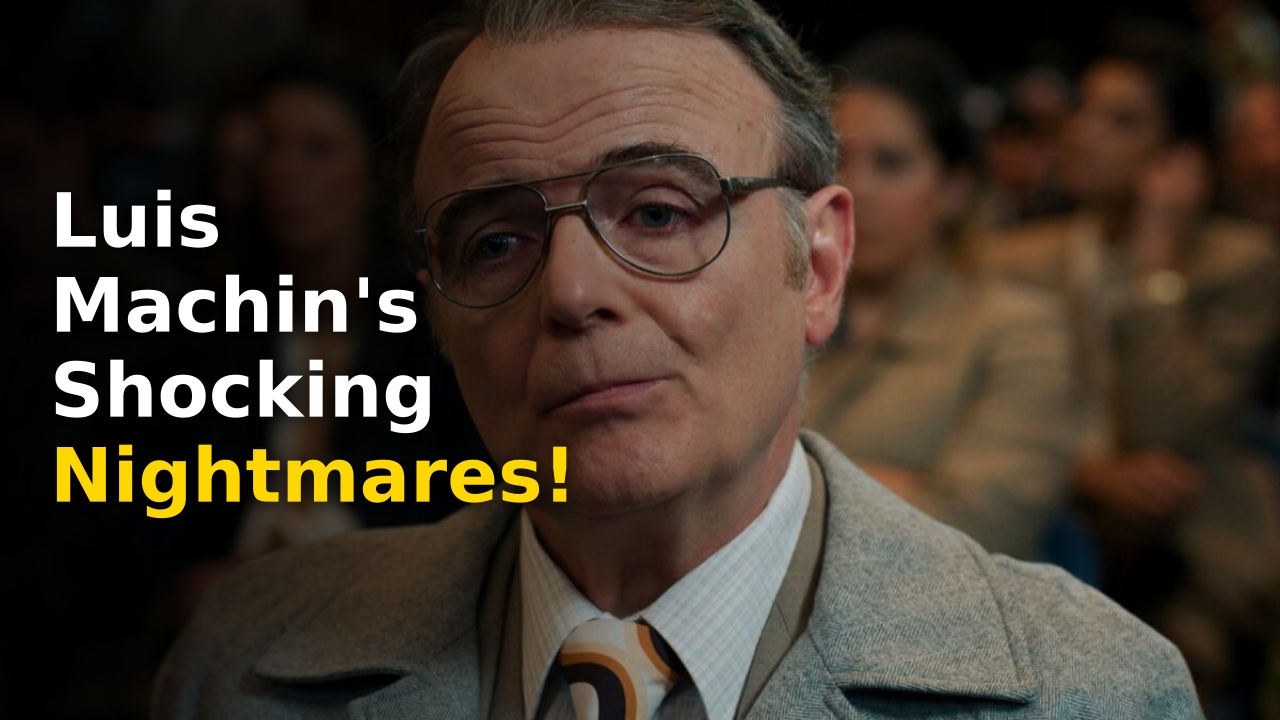
- Luis Machin reveals he suffered haunting nightmares where he killed Ricardo Barreda with a shotgun during the film’s production.
- The film, directed by Daniela Goggi, pivots the narrative to finally give a voice to the four women murdered in the 1992 La Plata tragedy.
- Production involved intense psychological research to recreate the chilling atmosphere of the Barreda household.
- The project addresses the controversial ‘fan base’ that Barreda maintained until his death in 2020.
Luis Machin has officially stepped into the shoes of Argentina’s most infamous femicide, Ricardo Barreda, for the upcoming film directed by Daniela Goggi. You might think you know the dark history of Argentine true crime, but Machin has lived inside its most twisted mind, experiencing a psychological toll so heavy it manifested in violent dreams. The actor recently shared that the process was so immersive he eventually dreamed of killing the very man he was portraying to find a sense of inner peace.
As one of the most respected actors in Latin America, Luis Machin took on the role of the dentist who murdered his wife, mother-in-law, and two daughters in 1992. This production marks a significant cultural shift in how Argentina views its domestic tragedies, moving away from the sensationalist ‘Conchita’ narrative of the past. The film aims to humanize the victims—Gladys McDonald, Elena Arreche, Cecilia Barreda, and Adriana Barreda—who were silenced for decades by a patriarchal legal defense.
Luis Machin and the Dark Barreda Legacy
Stepping into the psyche of Ricardo Barreda required Luis Machin to navigate a labyrinth of narcissism and cold-blooded detachment. The actor explained that while he doesn’t need to ‘understand’ the murderer’s actions, he had to enter a logic of thought that is fundamentally alien to most human beings. This psychological dive wasn’t just about mimicry; it was about capturing the mundane evil that lived within a suburban home in La Plata.
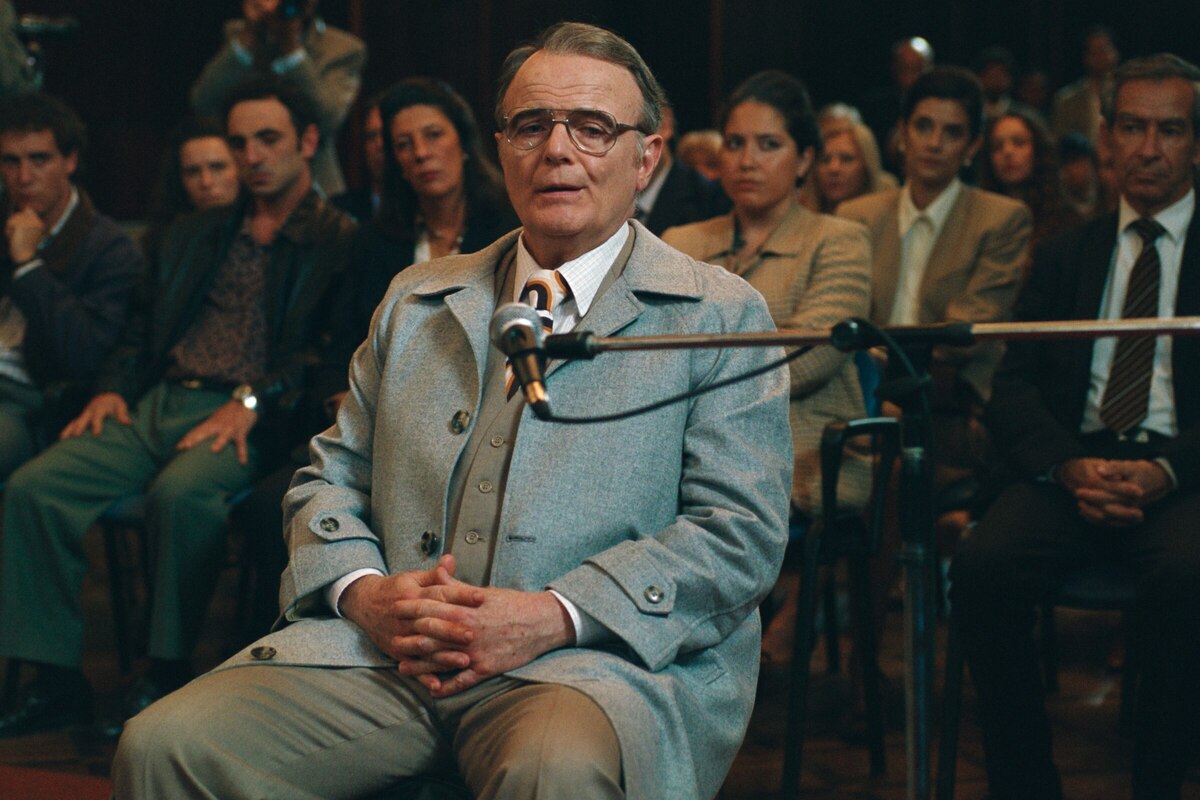
During the intense months of filming, Luis Machin remained in character for long hours, maintaining the specific tone of voice and physical stiffness associated with the dentist. He noted that the atmosphere on set was often suffocating, particularly during the recreation of the 1995 trial. The tension was so palpable that the crew felt as if they were witnessing the actual historical events unfold in real-time, highlighting the gravitas of the subject matter.
The actor’s commitment to the role led to a series of disturbing nocturnal episodes that blurred the lines between fiction and reality. Luis Machin confessed that shortly before the film’s premiere, he had a vivid dream where Ricardo Barreda was showing him the house and the exact spots where the killings occurred. In the dream, Machin ended the encounter by shooting Barreda with a shotgun—a symbolic act of the actor’s mind trying to purge the darkness of the character.

The Psychological Burden of True Crime
For an elite performer like Luis Machin, the challenge lies in the ‘aftercare’ of a role that demands such a high level of toxicity. He worked closely with the female cast members to ensure the set remained a safe space despite the horrific scenes being filmed. The collaboration with Maite Lanata and Margarita Paez was crucial in building the family dynamic that preceded the 1992 massacre.
Experts in performance psychology often note that playing historical villains can lead to ‘character residue,’ where the actor’s own personality is temporarily overshadowed by the role’s traits. Luis Machin admitted that he had to consciously practice ‘letting go’ of Barreda’s glasses, his specific grip on a wine glass, and his condescending speech patterns. It is a testament to his skill that he was able to deliver such a chilling performance while maintaining his own mental health.
Luis Machin: Decoding the Femicide Statistics
To understand the weight of this film, one must look at the historical context of the Barreda case and how it compares to the broader landscape of violence in Argentina. For years, Ricardo Barreda was treated as a bizarre cult figure by some, a trend that this film seeks to dismantle by focusing on the victims’ lives rather than the killer’s justifications.
| Metric | Historical Context (1992) | Modern Context (2026) |
|---|---|---|
| Term Used | Multiple Homicide | Femicide / Quadruple Femicide |
| Public Perception | Sensationalist / Folk Hero Myth | Social Condemnation |
| Focus of Trial | Defense’s ‘Conchita’ Insult Myth | Victims’ Voices and Rights |
| Legal Framework | Pre-Femicide Legislation | Aggravated by Gender Violence |
Luis Machin emphasized that the film’s script was heavily researched by authors who spent months digging through court records and interviewing friends of the victims. Unlike previous documentaries or news specials, this cinematic approach gives a face to the women who were previously only known as ‘Barreda’s family.’ This shift is essential in a country where a femicide occurs approximately every 30 hours, according to data from Wikipedia resources on gender-based violence.
By looking at the numbers, we see that the 1992 case served as a dark catalyst for the later ‘Ni Una Menos’ movement. The film serves as a mirror to society, asking how a man who committed such a heinous act could ever have been defended or celebrated. Luis Machin brings this discomfort to the forefront, forcing the audience to confront the reality of the killer’s pathology rather than the myth built around him.
The Haunting Dream of Luis Machin
The most discussed aspect of Luis Machin‘s interview with Teleshow is his recurring nightmare. The actor described a scene where he met the ghost of Ricardo Barreda in the very house where the murders took place. In the dream, Barreda acted as a tour guide of his own crime scene, pointing out where each woman fell. This visceral experience shows the depth of Machin’s immersion and the subconscious rejection of the character’s evil.
“I dreamed that I killed Barreda with a shotgun,” Machin stated, explaining that this was likely a psychological release valve. The mind of an actor can only hold so much darkness before it needs to fight back. For Luis Machin, this dream was the ‘cut’ he needed to finally separate his own identity from that of the odontologist. It was a violent end to a violent character study, allowing the actor to reclaim his own mental space.
Working with director Daniela Goggi was instrumental in managing this intensity. Goggi is known for her sensitive yet uncompromising lens, having previously explored complex female experiences in films like Abzurdah. She guided Luis Machin through the most difficult scenes, ensuring that the focus remained on the narrative’s ultimate goal: honoring the memory of the women who were silenced.
Expert Take: The Socio-Legal Impact
Legal analysts often point to the Barreda trial as a turning point in Argentine jurisprudence. Historically, the defense attempted to use ‘temporary insanity’ or ’emotional distress’ triggered by the victims’ supposed verbal abuse. However, the 2026 film highlights how these defenses were actually tools of further victimization. Luis Machin delivers these lines with a chilling accuracy that exposes the manipulative nature of the killer, rather than making him a sympathetic figure.
By the numbers, the Barreda case remains one of the most documented in South American history. Yet, the Luis Machin portrayal is the first to utilize modern psychological profiles to dissect the killer’s coldness. The production team collaborated with forensic psychologists to ensure the ‘Barreda’ seen on screen wasn’t just a monster, but a recognizable, everyday man—which is, in many ways, far more terrifying than a caricature of evil.
Daniela Goggi: Redirecting the Narrative Lens
Director Daniela Goggi has made a career out of challenging status quos. With this project, she has managed to do something the media failed to do for thirty years: tell the story from the perspective of the women. Luis Machin praised her leadership, noting that her approach allowed the female actors to reclaim the dignity of their characters, even in their final fictional moments.
The research for the film was exhaustive. While there are countless hours of footage of Ricardo Barreda, there is almost no documentation of the victims beyond a few family photographs. The cast had to meet with surviving friends and college classmates to reconstruct the personalities of the daughters, Cecilia and Adriana. This reconstruction was a form of justice in itself, providing a legacy for the women that isn’t tied solely to their death.
Luis Machin noted that some of the most emotional moments on set occurred when friends of the real victims visited. One friend of Cecilia Barreda told Machin that his voice and mannerisms were so accurate they sent shivers down her spine. This level of authenticity was only possible because of the director’s insistence on deep, respectful research. You can explore more about the career trajectory of legendary actors and their transformative roles on brightcelebrity.com.
Frequently Asked Questions
Who is Luis Machin playing in the new movie?
Luis Machin is playing the role of Ricardo Barreda, a famous Argentine dentist who murdered four members of his family in 1992. The role is considered one of the most challenging in Machin’s long and distinguished career due to the character’s psychological complexity.
What was the ‘shotgun dream’ Luis Machin mentioned?
During the filming of Barreda, Luis Machin experienced intense nightmares. In one dream, he met Ricardo Barreda at the crime scene and ended up killing him with a shotgun, which Machin interprets as his mind’s way of purging the darkness of the character after months of intense filming.
How does this movie differ from other stories about Barreda?
Unlike previous versions that focused on the killer’s justifications, this film directed by Daniela Goggi focuses on giving a voice to the victims. The production involved extensive research into the lives of the four women to ensure they were portrayed as more than just victims of a crime.
When does the Luis Machin Barreda movie premiere?
The film Barreda is scheduled for release in August 2026. It has already generated significant buzz in the film industry for its high production values and the transformative performance delivered by Luis Machin, which is already being cited as a career-best work.
The Enduring Shadow of Luis Machin
The legacy of Luis Machin as an actor will undoubtedly be marked by this performance. It takes a unique kind of courage to inhabit a soul as dark as Ricardo Barreda‘s and bring it to the screen without glamorizing the violence. Machin has used his platform to highlight the importance of telling these stories with a modern, gender-sensitive perspective, ensuring that the mistakes of the past—where the media made a hero out of a killer—are not repeated.
As we approach the release of the film, the conversation around domestic violence and the judicial system in Argentina remains more relevant than ever. Luis Machin‘s work serves as a haunting reminder of the consequences of silence and the power of cinema to provide a voice for those who can no longer speak. Whether you are a fan of true crime or a student of fine acting, this performance is set to be an unforgettable chapter in Argentine cinematic history. For more insights into the lives of your favorite stars, visit IMDb for Machin’s full filmography.
More Like This
For more updates, check out our latest entertainment and sports news.