⚡ Key Takeaways
- President Trump is urging supporters to “pretend I am on the ballot” to boost Republican turnout.
- His national approval rating has dipped to 39.9% amid high gas prices and international tensions.
- A massive ad blitz from MAGA Inc. is designed to highlight 14 specific administrative wins.
- House Speaker Mike Johnson is framing the election as a choice between GOP unity and a Democratic “civil war.”
- Mid-decade redistricting battles in Texas and beyond are reshaping the competitive map for November.
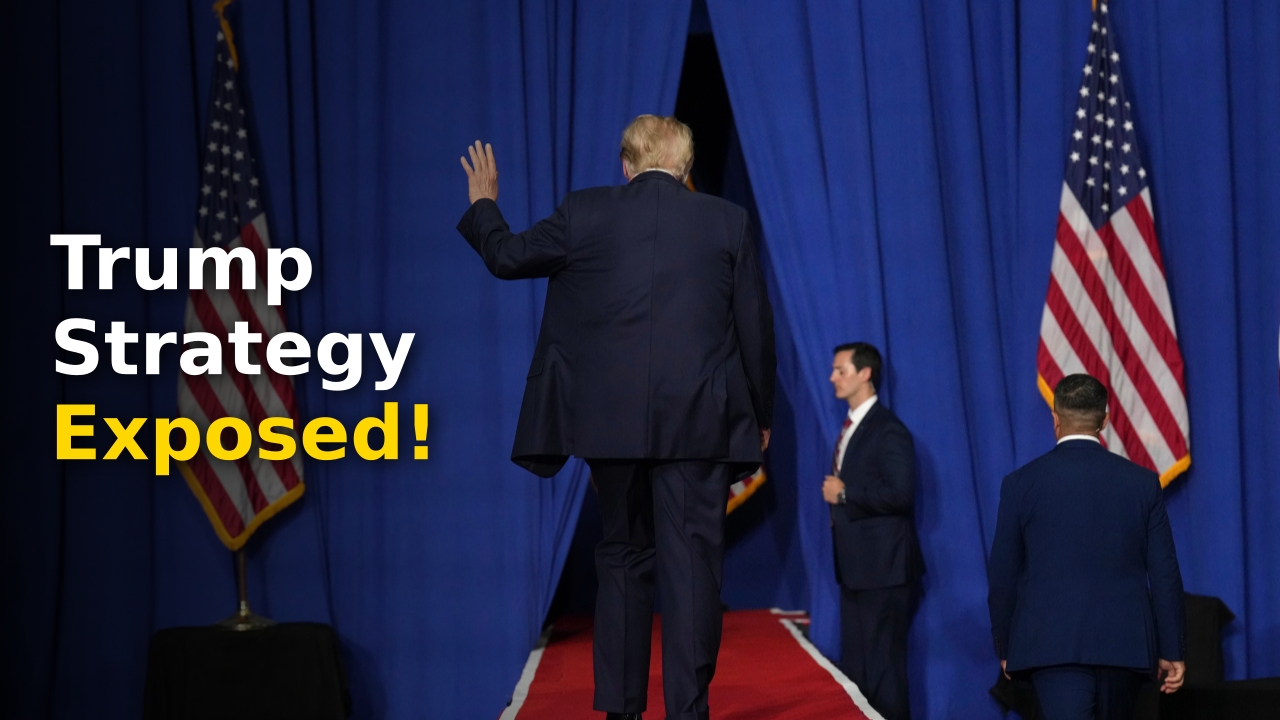
Trump Strategy is the central pillar of the Republican effort to reclaim a decisive majority in the 2026 midterm elections. You are witnessing a political pivot where the 45th and 47th President is essentially nationalizing every local race across the United States. By telling voters to “pretend I’m on the ballot,” Donald Trump is attempting to bridge the gap between his personal popularity with the base and the logistical reality of congressional races. This approach aims to solve a recurring problem for the GOP: the drop-off in voter participation when the MAGA leader himself isn’t physically listed for a vote.
The current landscape is fraught with economic anxiety and geopolitical shifts that have tested the administration’s resilience. As the November elections loom just nine weeks away, the White House is shifting into a high-gear offensive to define the narrative before the opposition can. This isn’t just about winning seats; it is about protecting the America First legacy from potential legislative paralysis or impeachment threats. You can feel the tension in Washington D.C. as both parties prepare for what experts are calling a “coin toss” for control of the Senate.
Trump Strategy: The All-In Gamble for Congressional Control
The Trump Strategy hinges on the idea that the President’s agenda is the primary motivator for the Republican base, even if his name is absent. During a high-stakes interview with Trey Gowdy on Fox News, the President made it clear that his endorsement is the ultimate currency in modern politics. He pointed to the victory of Sen. Darline Graham in South Carolina as definitive proof that the “Trump Bump” is real. Graham, who took over the seat of her late brother Lindsey Graham, narrowly defeated Ralph Norman after a full-throated presidential endorsement.

House Speaker Mike Johnson has been the primary architect of this unified messaging on the ground. Speaking at a campaign stop in Texas, Johnson told donors that while the President isn’t on the ballot, his “legacy and America First priorities” most certainly are. Johnson is working to ensure that the Republican National Committee (RNC) stays focused on tax relief and border security. The upcoming RNC midterm convention in Dallas on September 9 and 10 will serve as the official launchpad for this final sprint toward November.
To support this, the administration has released a detailed fact sheet titled “Trump Delivers: 14 Recent Wins You May Have Missed.” This document highlights achievements in domestic energy production and job growth, specifically in battleground states like Texas and Virginia. The goal is to counteract the narrative that the administration has been stalled by international stalemates. By focusing on “jobs coming home” and “lower taxes,” the campaign hopes to move the needle among undecided voters who are primarily concerned with their wallets.
The Role of MAGA Inc. and Television Dominance
The financial muscle behind the Trump Strategy is MAGA Inc., the president’s primary fundraising arm. After meetings in the Oval Office with top political advisers, Trump decided to bypass traditional campaign scripts in favor of high-production television advertisements. These ads are designed to serve as a “backdrop” for individual House and Senate candidates. Instead of candidates having to defend every national policy, the national ads will do the heavy lifting of framing the administrative record as a success.
This allows local candidates to focus on regional issues while the national brand remains consistent. According to Reuters, this type of centralized media buy is becoming the gold standard for midterm cycles where one figure dominates the party’s identity. The President is also maintaining a rigorous schedule, including a massive MAGA Inc. dinner in Virginia. This event is expected to raise millions for the final nine-week push, ensuring that GOP candidates are not outspent in the final stretch.
The High-Stakes Numbers: Polling and Economic Realities
Despite the aggressive Trump Strategy, the polling data presents a significant challenge for the Republican Party. The President’s national approval rating currently sits at 39.9%. This figure is a stark reminder of the 2018 midterms, where a similar dip in approval preceded a loss of 40 House seats. The administration is acutely aware that history often repeats itself for sitting presidents during their second year of a term. The decline in approval coincided with the start of the conflict with Iran in late February, which has since entered a frustrating stalemate phase.
Economic factors are also weighing heavily on the electorate. Gas prices remain a major point of contention for American families, and the opposition is using this as a primary talking point. To combat this, the President’s team is doubling down on the narrative that current energy policies are designed for long-term independence, even if short-term prices are volatile. The contrast between administrative achievements and public perception is the gap that MAGA Inc. hopes to close with their new advertising blitz.
| Metric | Current Stat (2026) | 2018 Comparison |
|---|---|---|
| Presidential Approval | 39.9% | 41.2% |
| Generic Ballot Lead | D+2 | D+7 |
| Senate Outlook | Coin Toss | GOP Hold |
| Gas Price Average | $4.85 | $2.85 |
By The Numbers: The 39.9% approval rating is particularly concerning because it falls below the “safety zone” of 45% that political scientists usually associate with a president’s party retaining House control. However, the GOP is banking on the fact that the Democratic Party is currently fractured by internal ideological disputes. While Trump’s floor is solid at 39%, the opposition’s ceiling may be limited by their own inability to present a unified alternative to the “America First” platform.
Historical Echoes and the 2018 Midterm Shadow
Understanding the Trump Strategy requires a look back at the 2018 midterm elections. During that cycle, Republicans lost 40 seats and control of the House, a defeat that fundamentally changed the trajectory of the first Trump term. Determined not to let history repeat itself, the President took the unprecedented step of initiating a mid-decade redistricting battle. This began in Texas and eventually forced Democratic-led states like New York and California to redraw their own maps in response.

This redistricting war has created a new map that some analysts believe favors Republicans in a way that didn’t exist in 2018. By solidifying gains in red states, the GOP has built a defensive wall that could withstand a minor national swing toward Democrats. Donald Trump has spent significant time in California and Texas recently, reinforcing the importance of these state-level battles. His appearance at the midterm convention in Dallas will likely highlight how his administration has provided tax relief to working families while rooting out “waste and fraud” in the federal system.
The President is also drawing a direct contrast with the Joe Biden administration’s 2023 strategy. Biden focused heavily on legislative records to boost morale before his own reelection bid. Similarly, Trump is now touting his accomplishments—ranging from judicial appointments to trade deals—to remind voters why they elected him twice. This “record-first” approach is designed to drown out the noise of the ongoing negotiations regarding the Iran conflict, which has been a primary driver of negative sentiment in recent months.
Expert Take: The Redistricting Maneuver
According to political strategists, the mid-decade redistricting push is one of the most aggressive moves in modern electoral history. Usually, maps are drawn once every ten years following the census. By challenging these maps mid-cycle, the Trump Strategy effectively reset the playing field. This maneuver forced Democrats to spend millions on legal fees and map-making rather than on candidate ads. It is a tactical “drain the swamp” move applied to the electoral college and congressional map, aiming to neutralize the traditional midterm swing against the party in power.
Democratic Divisions: The Hakeem Jeffries vs. DSA Conflict
While the GOP rallies around the Trump Strategy, the Democratic Party is facing what Speaker Mike Johnson describes as an “open civil war.” House Minority Leader Hakeem Jeffries is currently caught between the traditional establishment platform and the rising influence of the Democratic Socialists of America (DSA). Progressives are demanding more radical policies and a more aggressive stance against the Trump administration, while Jeffries has publicly stated he will stick with the establishment Democrat platform.
This internal friction has become a central talking point for Republicans. Johnson has frequently pointed out that DSA candidates have successfully unseated establishment Democrats in Jeffries’ own home state of New York. This suggests that the Democratic message is diluted and lacks the singular focus of the Republican “America First” agenda. If Democrats cannot present a unified front, they may struggle to turn out the moderate voters they need to flip the House.
The potential for a Democratic flip of the House is currently seen as growing, but the Senate remains a “coin toss.” If the GOP loses both chambers, the second half of Trump’s term would be historically difficult. Legislative priorities like spending bills for border security would be dead on arrival, and the threat of impeachment would become a constant reality. Furthermore, a loss would force GOP lawmakers to decide if they will continue to side with Trump heading into the 2028 election cycle or look for a new direction.
Frequently Asked Questions
Why is Donald Trump asking voters to pretend he is on the ballot?
President Trump is using this tactic to solve the historical problem of low GOP voter turnout during midterm years. By framing the election as a personal referendum on his presidency and the “America First” agenda, he hopes to energize his base to show up for congressional candidates as if they were voting for him directly. This strategy leverages his personal brand to help down-ballot Republicans in tight races.
How do gas prices and the Iran conflict affect the 2026 midterms?
High gas prices and the ongoing stalemate in negotiations with Iran have negatively impacted President Trump’s approval rating, which currently stands at 39.9%. Historically, economic frustration at the pump is a major driver for swing voters. The administration is attempting to counter this by focusing on long-term energy independence wins and administrative accomplishments to shift the focus away from short-term price spikes.
What is MAGA Inc. and how is it helping Republican candidates?
MAGA Inc. is the primary fundraising arm for the Trump administration. It is currently funding a massive television advertising campaign that focuses on the President’s national record. These ads serve as a “backdrop” for Republican House and Senate candidates, allowing them to benefit from a nationalized message of success without having to fund their own high-budget national ad buys, thereby saving resources for local campaigning.
The Final Stand: What a GOP Victory Means for 2028
The success or failure of the Trump Strategy will define the final years of this administration and set the stage for the next presidential cycle. If the GOP maintains control, it will be seen as a historic validation of the America First movement, potentially clearing the path for a hand-picked successor in 2028. On the other hand, a loss would likely trigger a period of intense legislative gridlock and intra-party soul-searching. You can read more about political figures and their impact on brightcelebrity.com as the election cycle continues to evolve.
Ultimately, the 2026 midterms are more than just a congressional reshuffle; they are a test of whether the Republican Party can survive and thrive as a movement defined by a single figure. With JD Vance and Donald Trump set to keynote the Dallas convention, the message is clear: unity is the only path to victory. As the Trump Strategy enters its final, most aggressive phase, the eyes of the world are on the American voter to see if the “pretend I’m on the ballot” plea will be enough to overcome the historical headwinds of the second-term midterms.
For more detailed analysis on electoral history and political trends, you can visit the Wikipedia page on US Midterm Elections. The coming weeks will determine if the current administration can defy the polls and secure a legislative trifecta that would cement its place in the history books. Whether you are a supporter or a critic, there is no denying that the current political maneuverings are some of the most sophisticated and high-stakes in the history of the American Republic.
More Like This
For more updates, check out our latest entertainment and sports news.