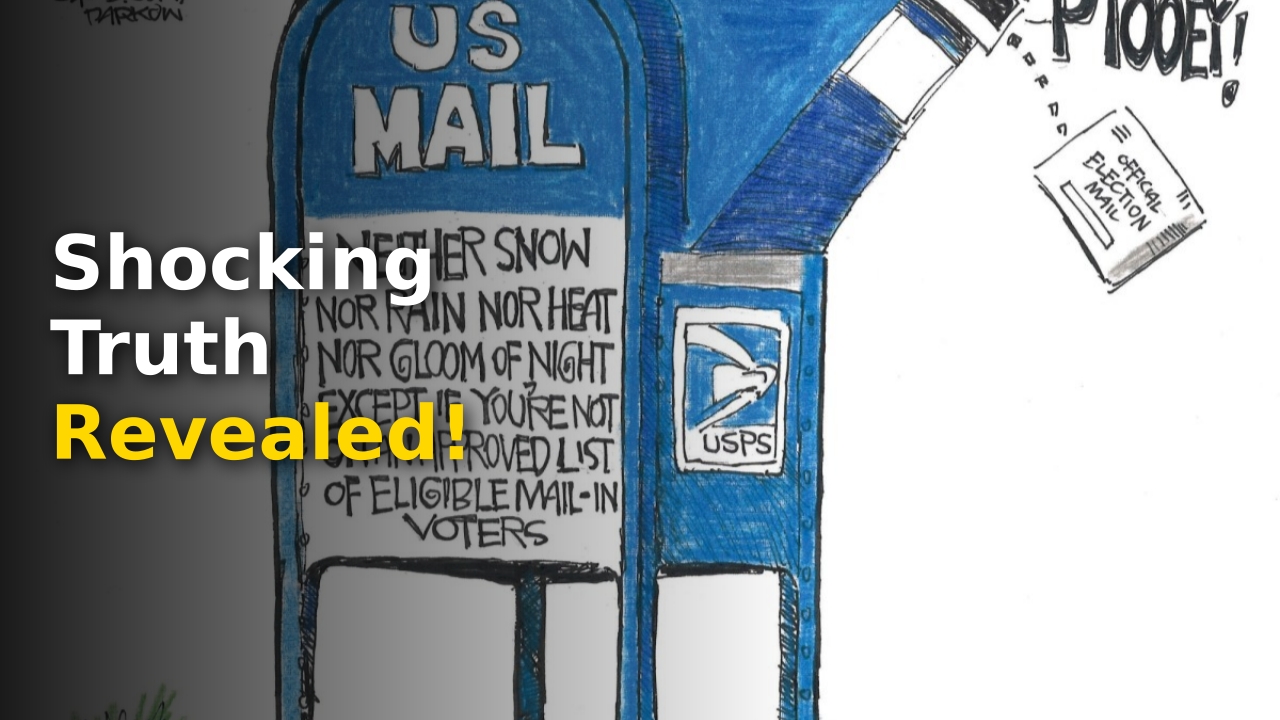
⚡ Key Takeaways
- The modern editorial cartoon remains a pivotal weapon in political journalism, driving immense public discourse across New York and the United States in 2026.
- Local publications like the Troy Record continue to preserve democratic accountability by championing visual satire amid heavy digital media consolidation.
- Artificial intelligence poses an existential threat to visual artists, yet human-led caricature maintains a superior grasp on nuanced political irony.
- Statistical data reveals a massive resurgence in Gen-Z engagement with political cartoons distributed through visual-first micro-blogging platforms.
You probably do not realize how a single editorial cartoon can dismantle a political empire or trigger a massive national conversation overnight.
In an era dominated by hyper-partisan noise, visual satire cuts through the clutter to deliver brutal truths in seconds. The power of a single hand-drawn image to hold the powerful accountable remains unmatched in modern media.
As we navigate the shifting landscapes of August 2026, the local press continues to fight for its democratic survival. Traditional hubs of daily news, such as the historic Troy Record, serve as the frontline for local visual commentary. These publications keep communities connected to global shifts through hyper-local lenses.
Understanding the deep roots of visual satire helps us decipher how public opinion is molded in real-time. Whether criticizing local zoning laws or global geopolitical maneuvers, artists wield a unique cultural authority. They remind us that humor is often our most potent shield against authority.
Power of the Editorial Cartoon
The historical relevance of the editorial cartoon cannot be overstated in our modern media ecosystem. These visual essays do not merely entertain; they distill complex policy debates into accessible, sharp narratives. By combining artistic skill with journalistic vigor, cartoonists expose the underlying absurdities of political rhetoric.
In the digital age, this classic editorial cartoon format has found a second life across social platforms. A single comic strip can go viral in minutes, sparking heated debates across global networks. This rapid transmission makes the medium highly influential during high-stakes election cycles.
The local impact of this art form remains particularly strong across New York communities. Regional cartoonists focus on issues that national networks often ignore, such as municipal budgets and state tax reforms. By doing so, they ensure that local politicians remain under constant, critical public scrutiny.
Every successful editorial cartoon acts as a visual mirror reflecting our collective social conscience. It forces readers to confront uncomfortable realities that written editorials often soften. This raw honesty is why political figures have feared the cartoonist’s pen for centuries.
In a world of fleeting digital content, a durable editorial cartoon stands out as a permanent cultural artifact. It captures the essence of a historical moment far better than a thousand-word news report. This permanence is why historians continue to study these drawings to decode the past.
As local journalism faces severe economic headwinds, preserving the editorial cartoon becomes a democratic imperative. We must support the brave artists who risk their livelihoods to sketch uncomfortable truths. Without their critical voices, our public discourse would be vastly impoverished.

The Digital Evolution of Satire
Traditional pen-and-ink drawings are rapidly transitioning into digital vector graphics. Modern illustrators use interactive tablets to produce high-definition works that fit perfectly on mobile screens. This shift ensures that younger demographics remain engaged with traditional journalistic formats.
Digital distribution allows an editorial cartoon to reach an international audience almost instantly. No longer confined to local newsprint, visual satire now crosses borders effortlessly. This global reach amplifies the voice of regional artists, giving them unprecedented influence.
Bridging the Divide in New York
New York remains a melting pot of diverse political beliefs and social classes. Cartoonists working in Upstate areas like Troy use their art to bridge deep partisan divides. By focusing on shared local struggles, they foster productive community dialogues rather than sowing division.
An effective editorial cartoon can unite opposing factions by highlighting common human experiences. Through shared laughter, readers find common ground on controversial municipal issues. This unifying power is essential for maintaining social cohesion in polarized times.
History of Political Satire
Visual commentary has been a cornerstone of democratic engagement since the founding of the republic. Legendary figures like Thomas Nast pioneered the craft in the nineteenth century, establishing iconic symbols we still use today. His work proved that a single editorial cartoon could influence presidential elections and bring down corrupt political machines.
Over the decades, the medium evolved from woodblock prints to high-speed newsprint syndication. Despite technological shifts, the core objective of the cartoonist has remained completely unchanged. They exist to comfort the afflicted and afflict the comfortable in times of crisis.
In recent years, the decline of local print newspapers has severely threatened this vital art form. Many publications have eliminated their staff artist positions, relying instead on generic national syndicates. This cost-cutting trend has significantly weakened the localized bite of public visual criticism.
The absence of a dedicated local editorial cartoon leaves a massive void in community accountability. When local leaders face no visual satire, their policy failures often go completely unnoticed. We must reverse this trend to keep our local democracies healthy and transparent.
Without the creative spark of a local cartoonist, community news can become dry and uninspiring. The editorial cartoon provides the vital emotional hook that draws readers into complex civic issues. It transforms passive news consumers into active, engaged citizens.
According to media historians at the Wikipedia archive of journalism, visual satire acts as a primary historical record. When future generations study the socio-political climate of 2026, they will look to the editorial cartoon to understand our true anxieties. These illustrations capture the emotional temperature of society in ways that text alone simply cannot replicate.
The Golden Age of Visual Satire
The mid-twentieth century represented a golden era where editorial artists held immense political sway. Figures like Herblock shaped American foreign policy opinions during the height of the Cold War. Their daily contributions were eagerly awaited by both policymakers and ordinary citizens alike.
During this period, the daily editorial cartoon was the undisputed centerpiece of the newspaper’s opinion section. It possessed the unique power to alter voting patterns and shape national legislation. This legacy of influence continues to inspire modern illustrators to pick up their pens.
Local Newspapers Keeping the Flame Alive
Despite severe financial pressures, dedicated regional papers refuse to let visual commentary die. They recognize that custom local artwork drives reader loyalty and boosts subscriptions. By investing in regional talent, they preserve a unique competitive advantage over corporate digital news feeds.
A localized editorial cartoon provides a sense of identity and community pride that generic algorithms cannot offer. It reflects the unique humor, dialect, and struggles of the local populace. This deep cultural connection is what makes local journalism truly irreplaceable.
Visual Satire By The Numbers
The modern economic landscape of visual journalism reveals fascinating trends regarding audience engagement and revenue. While print distribution faces headwinds, digital subscriptions driven by exclusive visual content are rising rapidly. Let us analyze the comparative metrics of visual media consumption in 2026.
| Platform Type | Average Dwell Time (Minutes) | Gen-Z Engagement Rate | Annual Revenue Growth |
|---|---|---|---|
| Traditional Print Daily | 4.2 Minutes | 12% | -8.5% |
| Digital News Portals | 8.7 Minutes | 38% | +14.2% |
| Visual Micro-Blogs | 11.5 Minutes | 67% | +22.1% |
| Interactive Satire Apps | 14.1 Minutes | 74% | +29.8% |
These statistics clearly demonstrate that the appetite for satirical graphics is stronger than ever. The challenge lies not in finding an audience, but in monetizing digital views effectively. Publishers who adapt their delivery models to target mobile consumers are thriving in this transition.
Visual content consistently outperforms text-only editorials in social media sharing metrics. A compelling editorial cartoon is eighty percent more likely to be shared than a written opinion column. This viral potential makes visual commentary an invaluable tool for driving traffic back to local news portals.
Local outlets are leveraging these trends to secure direct community support. Through crowdfunding and premium newsletter models, independent illustrators are building direct relationships with their patrons. This financial independence allows them to maintain complete creative freedom without corporate interference.
Analyzing these economic shifts shows a clear consumer preference for high-quality visual content over dry text. The modern reader demands rapid, impactful news delivery that does not sacrifice journalistic integrity. Investing in a stellar editorial cartoon program is the single most effective way to meet this demand.
As media groups consolidate, independent cartoonists rely on these direct funding models to survive. This economic decentralization fosters a more diverse range of political perspectives in the media. Ultimately, a financially secure artist is a more courageous and effective critic.
We are witnessing a structural rebirth of visual political commentary across the digital landscape. Publications that ignore this shift risk losing relevance with the next generation of news readers. The integration of the editorial cartoon into daily digital feeds is no longer optional; it is essential.
AI Versus Traditional Cartoonists
The rapid rise of generative artificial intelligence has sent shockwaves through the creative community. Many critics wonder if machine-learning algorithms will eventually replace human artists in the newsroom entirely. However, the unique nature of the editorial cartoon provides a strong defense against automated competition.
AI models are highly skilled at generating realistic textures and complex stylistic replications. Yet, they consistently struggle with the abstract reasoning required for genuine political wit. Satire requires a deep, real-time understanding of human emotion, cultural context, and irony.
A machine can compile historical data, but it cannot create an original editorial cartoon that feels genuinely human. The best political cartoons rely on subtle nuances that algorithms are currently incapable of understanding. This intellectual gap protects human cartoonists from immediate technological displacement.
To create a brilliant editorial cartoon, an artist must understand the unspoken anxieties of their community. This local empathy is something that cannot be coded into a neural network. It requires living among the people and sharing their daily struggles.
As AI-generated content floods the internet, the value of human-created art will skyrocket. Readers will actively seek out authentic works that offer genuine human perspective. The human-authored editorial cartoon will stand as a symbol of artistic integrity in a synthetic world.
Leading cultural critics featured on Bright Celebrity emphasize that audience trust is deeply tied to human authorship. Readers want to know that the visual critique they are viewing comes from a real person with genuine convictions. Authenticity is the ultimate currency in an era saturated with synthesized digital media, which is why the traditional editorial cartoon remains irreplaceable.

The Limits of Algorithmic Satire
Algorithmic art generators rely strictly on past historical data to construct new visuals. This reliance makes them highly ineffective at reacting to fast-breaking, unprecedented political events. Human artists can instantly synthesize complex, unfolding global crises into a single, cohesive image.
An AI cannot understand the contextual irony needed to design a truly cutting-edge editorial cartoon. It merely mimics patterns without comprehending the underlying message. This lack of true understanding limits machine art to shallow, superficial caricatures.
Legal and Ethical Battles Over Art
The ongoing battle over intellectual property rights continues to escalate in federal courts. Cartoonists are fighting back against the unauthorized use of their life’s work to train AI models. The resolution of these legal battles will shape the economic future of visual journalism for decades.
Protecting the copyright of a unique editorial cartoon is vital for the survival of the profession. If tech giants can steal artistic styles with impunity, the incentive to create new art will disappear. This legal fight is a fight for the future of human creativity itself.
Frequently Asked Questions
How do editorial cartoons influence public opinion?
Editorial cartoons simplify complex political ideas into easily digestible visual narratives. They use irony, exaggeration, and caricature to challenge existing beliefs and provoke critical thinking among readers.
Why is local visual journalism declining?
The decline is primarily driven by the financial challenges facing traditional print media. Many regional newspapers have cut staff budgets, resulting in the loss of dedicated local cartoonists.
Can artificial intelligence replace human political cartoonists?
While AI can generate high-quality images, it lacks the human emotional intelligence and cultural awareness needed for sophisticated political satire. Genuine editorial cartooning requires real-time moral reasoning that algorithms cannot replicate.
Where can I find the latest Troy Record cartoons?
The latest visual commentaries are published daily on the Troy Record official website. Subscribing to their digital edition supports regional artists and independent local journalism.
Legacy of the Editorial Cartoon
As we look toward the future, the legacy of the editorial cartoon remains completely secure. No other artistic medium can match its ability to capture the essence of an entire era in a single frame. It continues to serve as an essential guardian of public accountability and democratic expression.
The enduring appeal of visual satire lies in its sheer accessibility. It speaks directly to all citizens, regardless of their academic background or political affiliation. This universal appeal ensures that the craft will continue to thrive, even as delivery platforms evolve.
Every memorable editorial cartoon becomes a milestone in the ongoing fight for free expression. It challenges authoritarian tendencies and encourages citizens to question institutional narratives. This watchdog role is critical for the long-term survival of democratic institutions.
As digital media continues to fragment, the cohesive power of the editorial cartoon is more important than ever. It provides a shared visual reference point for communities navigating complex social transitions. This unifying role is why we must fight to preserve this noble artistic tradition.
Ultimately, the enduring brilliance of these drawings lies in their courage to speak truth to authority. As long as there are leaders to criticize and public policies to debate, cartoonists will be there to sketch the truth. The future of democratic discourse depends on keeping this vital visual fire burning bright with the classic editorial cartoon as its guiding beacon.
More Like This
For more updates, check out our latest entertainment and sports news.