⚡ Key Takeaways
- The SEC and Big Ten have established a historic ban preventing professional athletes from returning to college sports.
- This policy decision shuts down a rising trend of players exploiting legal loopholes to regain collegiate eligibility.
- LSU and other major programs face immediate disruptions to their roster planning.
- Legal experts predict antitrust challenges could test these new conference rules in federal court.
You might think the boundaries between professional sports and collegiate athletics are permanent, but a newly enacted college ban has completely shattered that assumption. In a rapid series of administrative maneuvers, the nation’s premier athletic conferences have officially shut the door on professional players attempting to slide back into the ranks of amateur sports. This historic ruling directly targets athletes who signed professional contracts, entered drafts, or participated in professional training camps before attempting to reclaim their college eligibility.
This decisive action marks a massive shift in how athletic eligibility is governed in the modern era. For decades, the line between amateurism and professionalism was clear, but recent court rulings began to blur those boundaries. Now, the power conferences are taking matters into their own hands to protect the integrity of collegiate competition.
By shutting down this legal loophole, the conferences are sending a clear message to athletes and coaching staffs alike. Roster construction will no longer be a revolving door for players who fail to make the cut in professional leagues. The ripples of this decision will be felt across every major program in the country, forcing coaches to rethink their recruiting and transfer portal strategies.
Understanding the Massive Impact of the College Ban
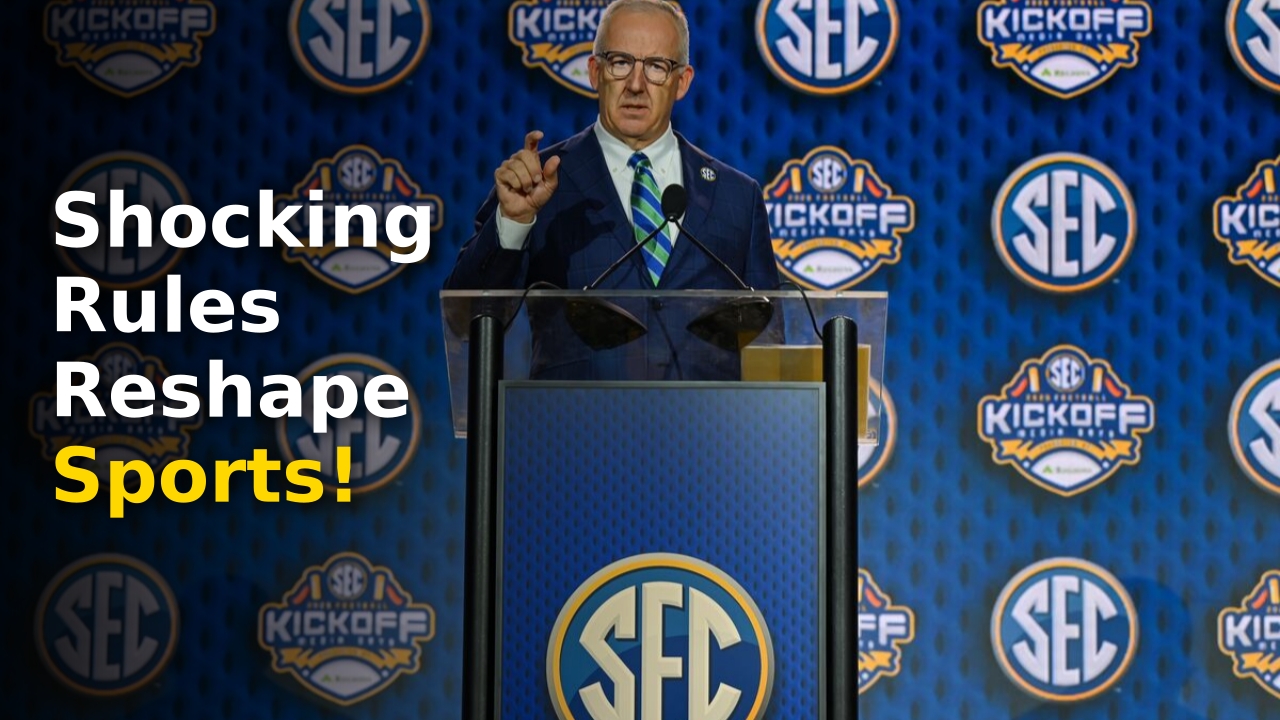
The establishment of this new regulatory barrier represents a major turning point in the governance of collegiate athletics. On Tuesday, the Southeastern Conference officially passed a strict rule banning players who have been drafted by NFL, NBA, or WNBA teams from returning to play college sports. This decision closely follows a similar move by the Big Ten Conference, creating a unified front between the two most powerful entities in college sports. The college ban also extends to any athlete who has been listed on active rosters in those professional leagues.
This sweeping policy represents a direct response to a sudden surge of professional players attempting to exploit legal loopholes. In recent months, multiple court orders had emerged that allowed players who were released from professional rosters to return to college. These legal decisions threatened to turn college sports into a developmental safety net for professional washouts. Conference commissioners recognized the danger of this trend and moved quickly to shut it down.
While both conferences share the same ultimate goal, their approaches differ slightly in scope. The Big Ten chose to limit its policy change strictly to football, at least for the time being. In contrast, the SEC took a much broader stance by applying the restriction across football, basketball, and women’s basketball. This multi-sport approach highlights the SEC’s desire to head off potential eligibility crises before they can take root in other high-revenue sports.
The Spark: Court Rulings and Legal Loopholes
The catalyst for this sudden policy shift can be traced to several high-profile legal battles. In recent years, federal judges have consistently ruled against the NCAA’s traditional restrictions on athlete compensation and eligibility. These rulings created a legal environment where almost any restriction on an athlete’s earning potential or playing career could be challenged. When a court order paved the way for released professional players to petition for their college eligibility back, it opened a door that many administrators feared could never be closed.
Athletes who had spent time in NFL training camps or on NBA summer league rosters suddenly realized they had a viable path back to the college ranks. This created a highly chaotic situation for college coaching staffs who were suddenly flooded with inquiries from experienced, professional-grade talent. The potential influx of former pros threatened to displace traditional college athletes and completely disrupt the competitive balance of amateur sports.
How the Conferences Drew a Hard Line
Recognizing the slow speed of NCAA decision-making, the SEC and Big Ten decided to bypass the national governing body entirely. By implementing these rules at the conference level, they successfully insulated themselves from the bureaucratic gridlock that often paralyzes national policy changes. The SEC passed its rule during a high-stakes meeting in Greenville, South Carolina, signaling a new era of conference self-governance.
This bold maneuver demonstrates the shifting power dynamics in college athletics. Today, the major conferences hold more influence over the future of sports than the NCAA itself. By acting unilaterally, the SEC and Big Ten have established a new standard that other conferences will almost certainly be forced to follow in the coming months.
Expert Take: Sports industry analysts note that this move is less about protecting amateurism and more about maintaining roster stability. With millions of dollars in television revenue at stake, conferences cannot afford the chaos of roster volatility caused by professional players entering and exiting college programs at will.
LSU and Lane Kiffin Under the Microscope
The immediate fallout of this policy decision has placed several high-profile programs directly in the spotlight. Specifically, the new rules have put the LSU Tigers on notice after a series of aggressive roster additions. This week, head coach Lane Kiffin made headlines by adding undrafted players Dae’Quan Wright and Zxavian Harris to his squad. Both players had spent the summer participating in NFL tryouts and training camps before being released by their respective professional franchises.
Under the previous legal framework, these players would have been allowed to suit up for LSU this season. However, the newly enacted rules have thrown their immediate athletic futures into complete disarray. The sudden implementation of the policy has left coaching staffs scrambling to determine the eligibility status of their latest acquisitions. This situation highlights the immense risks coaches face when navigating the volatile transfer portal landscape.
This roster drama serves as a cautionary tale for programs attempting to build their teams through unconventional means. While accessing professional-caliber talent is highly tempting, the regulatory environment remains incredibly unstable. Coaches who rely too heavily on transfer loopholes risk finding themselves short-handed when the rules inevitably change.
The Mississippi Connections
Both Wright and Harris entered the professional landscape with high expectations after standout careers in Mississippi. After failing to stick with NFL rosters during training camp cuts, they viewed college football as the perfect environment to rebuild their professional stock. Their return to the collegiate ranks was seen as a massive coup for LSU, offering the team immediate depth and veteran leadership.
Now, those plans have been entirely derailed by the SEC’s decisive intervention. The loss of these two key players represents a significant blow to LSU’s defensive and offensive game plans for the upcoming season. It also highlights how quickly a program’s outlook can change in the era of rapid administrative intervention.
Strategic Ambitions of SEC Programs
Programs within the SEC are engaged in a constant arms race to secure the best possible talent. With the rise of Name, Image, and Likeness (NIL) collectives, top schools can offer financial packages that rival or even exceed professional practice squad salaries. This financial reality makes returning to college an incredibly attractive option for players who find themselves on the professional bubble.
According to reports on Bright Celebrity, the intersection of NIL money and professional experience has created a highly lucrative market for elite athletes. However, this financial incentive structure is exactly what conference administrators are hoping to cool down. They fear that allowing former pros to compete for NIL funds will alienate traditional boosters and corrupt the core mission of college athletics.
By The Numbers: The Changing Roster Landscape
To fully understand the scale of this policy shift, it is helpful to look at how eligibility rules have evolved over time. The transition from amateur to professional has historically been a one-way street. However, the legal challenges of the 2020s threatened to make that street a two-way highway. The following table illustrates the key differences in how various governing bodies are handling this issue in 2026.
| Governing Body | Sports Affected | Pro Roster Rule | Draft Status Rule |
|---|---|---|---|
| SEC | Football, Basketball, WNBA/NBA Sports | Strict Ban on Rostered Players | Drafted Players Banned |
| Big Ten | Football Only (Currently) | Strict Ban on NFL Rosters | NFL Drafted Players Banned |
| Traditional NCAA | All Sports | Case-by-Case Review | Allowed if Undrafted & No Agent |
This table clearly shows the aggressive stance taken by the power conferences compared to historical norms. By moving beyond the traditional NCAA guidelines, the SEC and Big Ten have established a much more restrictive environment for athletes. This visual breakdown highlights why many legal scholars believe a major showdown is on the horizon.
Comparative Breakdown of Eligibility Rules
The differences between the SEC and Big Ten policies could lead to interesting competitive imbalances. For example, a basketball player who is drafted and subsequently released could theoretically still play in the Big Ten, while being completely barred from the SEC. This regulatory discrepancy will likely be addressed as conferences continue to refine their rules in the coming months.
These differences also create significant confusion for high school recruits planning their long-term career paths. Athletes must now carefully consider not only which school they want to attend, but also which conference’s rules best protect their future professional options. A single decision made at age eighteen could have massive ramifications if their professional dreams do not pan out immediately.
Historical Context of Pro-to-College Transitions
Historically, athletes who turned professional were immediately stripped of their collegiate eligibility. High-profile cases, such as former collegiate skier Jeremy Bloom’s fight to play college football, established the NCAA’s right to enforce strict amateurism standards. You can read more about the history of athletic eligibility rules on Wikipedia.
However, the rise of the transfer portal and the erosion of NCAA authority changed the landscape completely. The brief window where professional athletes were allowed to return to college was a direct result of this regulatory vacuum. The new college ban represents a coordinated effort by the conferences to restore the traditional order and protect their business models.
Expert Take: Legal Realities of the College Ban
The sudden implementation of the college ban has raised major questions among sports law experts. Many believe that these conference-level restrictions could violate federal antitrust laws, specifically the Sherman Act. By preventing athletes from pursuing economic opportunities in both the professional and collegiate markets, the conferences may be open to severe legal liability.
If a player like Wright or Harris decides to challenge the SEC’s ruling in court, it could spark a landmark legal battle. The courts have historically shown little sympathy for conference rules that restrict athlete movement or earning potential. A federal judge could easily issue an injunction that temporarily halts the ban, throwing the entire college sports landscape into further chaos.

This legal uncertainty leaves athletic departments in an incredibly difficult position. Coaches want to field the best possible teams, but athletic directors are highly hesitant to risk costly litigation. The next few months will likely see a tense standoff between conference offices, university legal teams, and representatives for the affected athletes.
The Legal Experts Chime In
Prominent sports law attorneys have already begun analyzing the potential vulnerabilities of the conference rulings. Many point out that because conferences operate as joint ventures, their agreements to ban certain classes of players could be viewed as group boycotts. In the current judicial climate, which is highly favorable to athlete rights, such boycotts are incredibly difficult to defend in court.
Furthermore, the fact that these rules were passed so quickly suggests that conferences may not have fully considered the potential legal fallout. A rushed policy is often a vulnerable policy, and clever lawyers are undoubtedly already looking for weaknesses to exploit on behalf of their clients.
Why This Could End Up in the Supreme Court
Given the high financial stakes involved, any legal challenge to the eligibility rules is likely to be appealed all the way to the top. The Supreme Court has already signaled its willingness to intervene in college sports disputes, most notably in the landmark Alston decision. You can follow ongoing coverage of collegiate sports law updates on ESPN.
A Supreme Court ruling on this issue would have profound implications for the future of amateur sports. It could permanently define the legal boundaries of collegiate athletic eligibility and determine whether conferences have the right to govern themselves independently of federal antitrust scrutiny.
By The Numbers: Recent legal settlements in college sports have exceeded $2.7 billion in back-pay to former athletes. This massive financial exposure explains why conferences are desperate to establish clear, legally defensible boundaries around who can and cannot compete in their events.
Frequently Asked Questions
What is the new college ban passed by the SEC and Big Ten?
The new eligibility rule is an administrative policy passed by the SEC and Big Ten that permanently blocks professional athletes from returning to compete in college sports. Specifically, it bans any player who has been drafted or listed on an active roster in the NFL, NBA, or WNBA from regaining collegiate eligibility.
How does the SEC’s rule differ from the Big Ten’s policy?
While both conferences have implemented strict restrictions, the SEC’s policy is much broader in scope. The Big Ten’s current ban applies strictly to football, whereas the SEC’s rule covers multiple sports, including football, basketball, and women’s basketball.
Why are these conferences implementing this ban now?
The conferences acted quickly to stop a sudden surge of released professional players attempting to return to college. This trend was made possible by recent court orders that challenged traditional NCAA eligibility restrictions, creating a loophole that administrators felt threatened the competitive balance of college sports.
How does this decision affect LSU and head coach Lane Kiffin?
The ruling directly impacts LSU’s roster planning after head coach Lane Kiffin added undrafted players Dae’Quan Wright and Zxavian Harris to his squad. Both players had NFL tryouts over the summer, and their eligibility is now in serious jeopardy under the newly enacted SEC rules.
The Future of College Athletics Under the College Ban
As the dust settles on this historic regulatory shift, the long-term future of collegiate athletics remains highly uncertain. The joint decision by the SEC and Big Ten to enforce a strict college ban represents a desperate attempt to maintain control over an increasingly chaotic system. However, this policy may simply be a temporary band-aid on a much larger structural problem.
As long as college sports remain highly lucrative, athletes and coaches will continue to look for any possible competitive advantage. The pressure to win is simply too great, and the financial rewards are too high for programs to ignore potential roster upgrades. This reality ensures that the tension between athletic conferences and player rights will continue to define the sports landscape for years to come.
Ultimately, this situation highlights the need for a comprehensive, national framework to govern college athletics. Whether that framework comes from Congress, a reformed NCAA, or a new super-league of power conferences remains to be seen. Until then, college football and basketball will continue to operate in a state of perpetual transition, where the rules of the game can change in an instant.
More Like This
For more updates, check out our latest entertainment and sports news.