⚡ Key Takeaways
- The narrative in Detroit has shifted, placing the performance pressure on team captain Dylan Larkin rather than the front office.
- General Manager Steve Yzerman has cultivated a patient roster-building strategy that refuses to rush the team’s rebuilding timeline.
- Larkin’s current contract and long-term security depend heavily on his ability to lead the Red Wings back into the Stanley Cup playoffs.
- Key roster moves and salary cap dynamics highlight Detroit’s resolve, proving the franchise will not jeopardize financial flexibility.
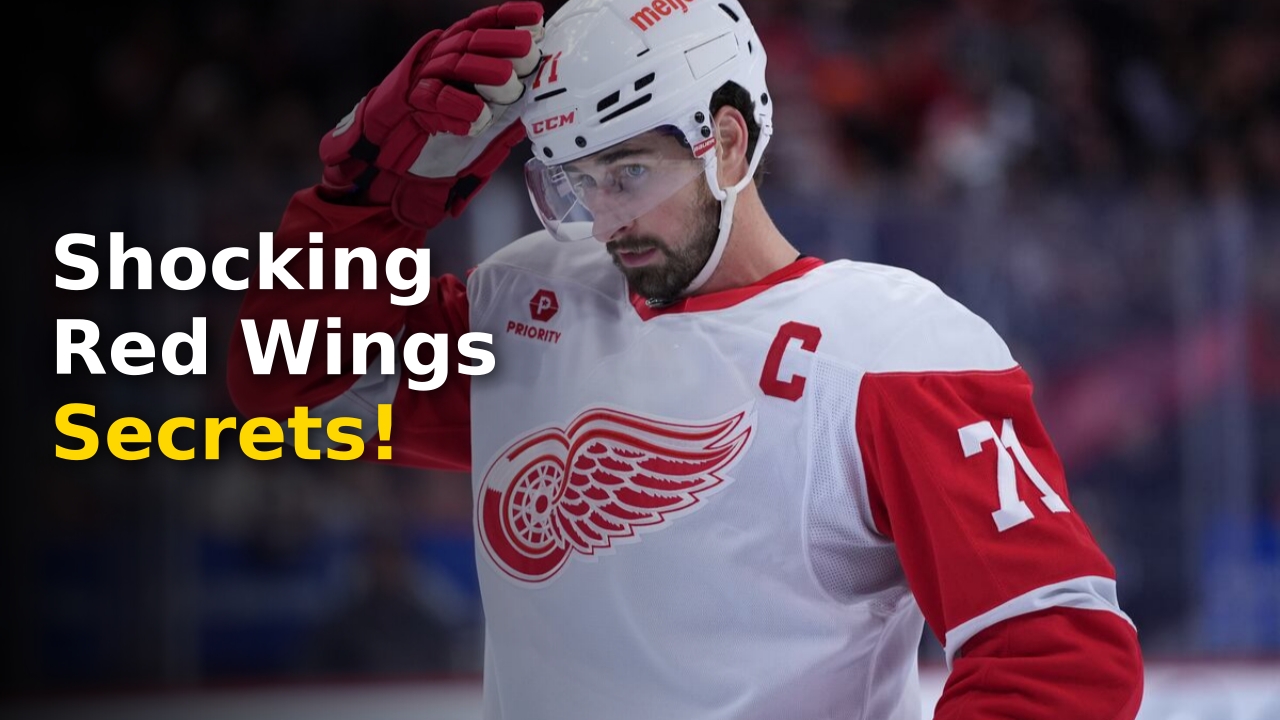
You might believe that the weight of an entire franchise rests solely on the shoulders of the front office, but Dylan Larkin is discovering that the true pressure of the Detroit Red Wings rebuilding process now points directly at him. As training camp approaches, the central question is whether Dylan Larkin underestimated the organization’s relentless patience and resolve. General Manager Steve Yzerman has maintained a methodical approach to roster construction, refusing to rush a playoff push. Consequently, the burden of immediate success has shifted from the front office directly to the ice, testing the limits of their leadership.
The tension in Hockeytown is palpable as fans demand a return to postseason glory after a devastating decade-long drought. While many expected the front office to make blockbuster moves in free agency, the management group chose defensive stability and financial prudence instead. This conservative approach places an immense tactical burden on the current roster to elevate their game. You can see the shift in dynamic as analysts dissect the team’s long-term competitive window.
Rather than sacrificing future assets for a quick wild-card exit, the franchise is playing the long game. This strategy forces the captaincy to deliver results with the existing core, creating a high-stakes environment for the upcoming campaign. We must explore how this friction between immediate player desires and long-term front-office strategy will define the season.
Dylan Larkin Confronts the Red Wings Strategy
When Dylan Larkin first signed his massive eight-year, $69.6 million contract extension in March 2023, he envisioned a rapid ascent to Stanley Cup contention. The hometown hero from Waterford, Michigan, committed his prime athletic years to a franchise that promised a systematic return to elite status. However, the glacial pace of this reconstruction has tested the patience of both the player and the fan base. The reality of the modern NHL salary cap forces teams to make ruthless, calculating decisions.
The Red Wings front office has consistently refused to hand out bloated contracts to aging veterans, prioritizing future financial flexibility. This disciplined approach often leaves the active roster short of elite depth, forcing the core players to overcompensate on a nightly basis. For years, Dylan Larkin has carried the weight of the franchise on his shoulders, skating through injuries and roster turnover. He has established himself as an elite first-line center, but hockey is a team sport that requires balanced lines to win.
The captain now must decide if he can maintain his elite production while waiting for the prospect pipeline to mature. The upcoming training camp in Traverse City, Michigan, represents a critical turning point for this partnership. If the captain shows frustration on the ice, it could disrupt the locker room harmony and complicate the rebuilding timeline. On the other hand, a unified front between the coaching staff and player leadership could galvanize the young roster.

The Loneliness of the Long-Term Captain
Leading a legendary Original Six franchise through a rebuild is a lonely endeavor. Legendary figures like Steve Yzerman and Nicklas Lidstrom lifted championship banners, creating an impossibly high standard for any successor. The current captain must face these historical ghosts every time he skates onto the ice at Little Caesars Arena. The current roster lacks the depth of the championship eras, leaving the top line exposed to opposing shutdown defensive pairings.
Without secondary scoring threats, opposing coaches can focus their entire defensive game plan on neutralizing the captain. This tactical challenge requires creative coaching and exceptional individual effort to overcome. The mental toll of losing seasons can degrade even the most resilient athlete’s passion. Since making his NHL debut in 2015, the captain has experienced only a handful of playoff games.
The desire to compete on the grandest stage is burning brighter than ever as he enters his prime years. Roster construction is a delicate balancing act of drafting, developing, and strategic acquisitions. While some professional athletes live under the bright lights of celebrity culture, as explored on Bright Celebrity, the Detroit leader has remained focused on the gritty, blue-collar hockey culture of Michigan. His dedication to the city is unquestioned, but dedication alone does not win championships.
Patience Versus Immediate Postseason Ambitions
The conflict between a player’s career timeline and a franchise’s rebuilding timeline is a classic sports dilemma. A hockey player’s peak performance window typically spans from age 24 to 31. The front office, however, operates on a decade-long organizational roadmap that transcends any single player’s career. This philosophical divide becomes apparent during the free agency frenzy each summer.
While fans and players clamor for immediate reinforcements, the front office remains disciplined, refusing to overpay for short-term upgrades. This fiscal restraint ensures the team does not suffer from long-term salary cap paralysis. The organization’s resolve was tested during the recent offseason when several high-profile free agents were available. Instead of bidding wars, the team chose short-term, low-risk contracts to maintain their financial health.
This decision sent a clear message that the rebuild will not be rushed, regardless of external pressure. Consequently, the responsibility to elevate the team’s play falls directly on the internal development of young stars like Moritz Seider and Lucas Raymond. If these young players cannot take the next step, the team will remain stuck in the dreaded NHL middle ground. The captain must act as both a mentor and a primary producer during this crucial developmental phase.
Analyzing the Red Wings Roster Numbers
To understand the modern NHL, you must look closely at the numbers that define roster construction. The salary cap acts as a hard ceiling that prevents wealthy franchises from simply buying their way to championships. A careful analysis of Detroit’s financial ledger reveals a calculated strategy designed to maximize long-term competitive sustainability. The front office has structured contracts to ensure that young, elite talent can be signed to long-term deals when they emerge.
This approach requires maintaining significant cap space, which often prevents the acquisition of expensive veteran free agents. The resulting roster is a mix of high-potential youth and cost-effective veterans on short-term contracts. Critics argue that this strategy is wasting the prime years of their best players, including Dylan Larkin. However, a hasty push for the playoffs often leads to mediocrity, as teams find themselves trapped with un-tradeable contracts.
The Red Wings are determined to avoid this fate, choosing temporary pain for permanent gain. Let us examine the performance and financial metrics of the Detroit franchise over the last few seasons. This data illustrates the gradual progression of the rebuild and the mounting pressure on the team’s leadership core to deliver tangible results on the ice.
| Season | Team Record | Points Scored | Cap Space | Playoff Status |
|---|---|---|---|---|
| 2021-2022 | 32-40-10 | 69 Points | $12.4 Million | Missed Playoffs |
| 2022-2023 | 35-37-10 | 79 Points | $9.8 Million | Missed Playoffs |
| 2023-2024 | 41-32-9 | 91 Points | $8.1 Million | Missed Playoffs |
| 2024-2025 | 40-34-8 | 88 Points | $5.5 Million | Missed Playoffs |
Deciphering the Red Wings Financial Ledger
The financial metrics indicate that the Red Wings are positioned for a massive surge once their young prospects transition to the NHL. By keeping their long-term commitments minimal, the front office has preserved the flexibility needed to strike when the time is right. This strategy requires immense organizational discipline, particularly when pressure from the fan base reaches a fever pitch.
The current salary cap structure allocation highlights the team’s commitment to balanced roster depth. Rather than concentrating their financial resources on a few superstar players, they have distributed contracts across multiple lines to foster internal competition. This approach mitigates the risk of catastrophic injuries derailing their entire season.
However, this balanced approach also means the team lacks the elite game-breaking talent found on championship rosters. Without a top-five player in the world, the collective unit must play a flawless tactical game to compete with the league’s elite. The system demands perfect execution, high work ethic, and superior defensive positioning from every player on the squad.
The responsibility to enforce this demanding standard in the locker room lies with the leadership group. The captain must lead by example, demonstrating the defensive commitment and work rate required by the coaching staff. If the leadership group wavers, the entire system collapses, exposing the roster’s talent deficiencies.
The Historical Context of Detroit Rebuild
The Detroit Red Wings are an organization steeped in history, possessing a proud legacy of sustained excellence. The legendary playoff streak from 1990 to 2016 established a culture of winning that remains deeply embedded in the city’s identity. However, this prolonged period of success came at a steep cost, as the team consistently traded draft picks for veteran reinforcements.
When the inevitable collapse occurred, the franchise was left with a depleted prospect cupboard and aging, expensive contracts. The rebuild that followed has been one of the most challenging in modern sports history, requiring a complete overhaul of the organization’s scouting, development, and coaching philosophies. Returning to the summit of the hockey world requires undoing years of short-term decision-making.
You can see how this historical context shapes the current management’s conservative philosophy. Having witnessed the painful decline firsthand, the front office is determined to build a sustainable contender rather than a flash-in-the-pan playoff participant. This commitment to long-term excellence is the driving force behind their patient approach.
The fanbase’s expectations are shaped by this glorious past, creating an intense pressure cooker for the current players. Fans who grew up watching Hall of Fame legends struggle to accept the reality of a modern rebuild. The captain must navigate these high expectations while fostering a realistic, focused mindset within the locker room.
The Parallel Paths of Two Iconic Captains
The career arc of the current captain draws fascinating parallels to that of his general manager. Steve Yzerman spent the first decade of his playing career putting up spectacular individual numbers for a struggling Detroit team. He faced intense criticism and rumors of trades before transitioning his game into a complete, defensive-minded style under coach Scotty Bowman. For a deeper look at the captain’s career history, you can review the official Wikipedia profile detailing his journey.
This tactical transformation ultimately led to three Stanley Cup championships and cemented Yzerman’s legacy as one of the greatest leaders in sports history. Now, as the general manager, Yzerman is asking Dylan Larkin to undergo a similar transformation, prioritizing team structure and defensive responsibility over personal offensive statistics. The lesson from history is clear: individual accolades are meaningless without team success.
The captain’s willingness to embrace this defensive evolution will determine the ultimate ceiling of this Red Wings team. It requires sacrificing personal glory for the collective good, a test of character that defines a true leader. The partnership between these two iconic Michigan figures is the foundation upon which the future of the franchise is built.
If they remain aligned, the team can navigate any storm the grueling NHL season presents. If a divide develops, it could derail the entire rebuilding process, throwing the franchise back into chaos. Consequently, the dynamics of their relationship will be scrutinized heavily throughout the upcoming season.
Expert Take: The High Cost of Rushing Rebuilds
Expert Take: NHL analysts point to several cautionary tales across the league where franchises rushed their rebuilding timelines with disastrous results. Teams like the Buffalo Sabres and Ottawa Senators attempted to fast-track their rebuilds by signing expensive free agents and trading high draft picks. These aggressive moves resulted in salary cap complications and a lack of organizational depth, trapping them in a perpetual cycle of mediocrity.
By contrast, franchises like the Tampa Bay Lightning and Colorado Avalanche built their championship cores through years of patient drafting and methodical development. They resisted the urge to make short-term splashes, allowing their young talent to mature together in a winning environment. This disciplined approach is the exact blueprint the Red Wings are trying to replicate in Detroit.
The data supports this patient philosophy, showing that teams with homegrown cores have a significantly higher success rate in the postseason. Building chemistry and organizational identity takes time, and there are no shortcuts to creating a championship culture. The current pressure on the captain is a necessary step in forging a resilient, battle-tested leadership group.
Steve Yzerman and the Art of Resolve
The general manager’s resolve is legendary, characterized by a quiet confidence and an unwavering commitment to his vision. He does not make decisions based on public opinion, media criticism, or temporary on-ice setbacks. This stoic approach has earned him the trust of ownership and the respect of the entire hockey world. In an era dominated by instant gratification and social media hysteria, this long-term perspective is a rare commodity.
The general manager understands that building a true contender requires a foundation that cannot be shaken by a few tough losses. He is willing to take the heat for a missed playoff spot if it keeps the franchise on the right path. This unwavering resolve can be frustrating for veteran players who feel their careers are slipping away without playoff success. The captain, in particular, must balance his personal desire to win immediately with the organization’s slow-burn strategy.
It is a test of trust between the player and the legend who built the championship teams of his youth. As training camp begins, all eyes will be on how the captain and the general manager interact. Their alignment is crucial for the team’s success, setting the tone for the entire organization. The resolution of this tension will write the next chapter in the storied history of the Detroit Red Wings.
For the latest updates and expert opinions on league-wide team strategies, fans often turn to the ESPN NHL coverage portal. Keeping track of rival movements in the Atlantic Division is essential for understanding Detroit’s climb. The path to the postseason is narrow, and every transaction made by opponents impacts the Red Wings’ playoff probability.
By The Numbers: The Prospect Pipeline Strength
By The Numbers: A deep dive into the Red Wings’ prospect pool reveals why the front office is so reluctant to rush the process. The organization has compiled an impressive array of high-end talent across all positions, drafted primarily during Yzerman’s tenure. This pipeline represents the future core of the franchise, designed to support the current veteran group.
Let us examine the key prospects who are projected to make a significant impact in the NHL over the next two seasons:
- Simon Edvinsson: A towering, fluid-skating defenseman selected 6th overall in 2021, projected to be a top-pair anchor.
- Sebastian Cossa: A highly athletic goaltender drafted 15th overall in 2021, developing into the future starter in net.
- Marco Kasper: A gritty, highly competitive center chosen 8th overall in 2022, built for match-up roles in the playoffs.
- Axel Sandin Pellikka: A dynamic, offensive-minded defenseman taken 17th overall in 2023, poised to quarterback the power play.
The presence of this elite talent in the pipeline justifies the organization’s patient approach to roster building. Rushing these prospects into the NHL before they are ready can stunt their development and damage their confidence. The front office is committed to letting them dominate at lower levels before giving them full-time NHL roles.
For Dylan Larkin, the arrival of these young players represents both a challenge and an opportunity. He must maintain his high level of play to remain the undisputed leader when these prospects arrive. If he can guide them through their early careers, he will secure his place in franchise history as the captain who led them back.
Frequently Asked Questions
Did Dylan Larkin request a trade from the Red Wings?
No, Dylan Larkin has not requested a trade from the Detroit Red Wings. He signed an eight-year contract extension in 2023, demonstrating his long-term commitment to leading his hometown team back to postseason success.
How long is Dylan Larkin’s current contract with Detroit?
The current contract of Dylan Larkin is an eight-year deal worth $69.6 million, running through the 2030-2031 NHL season. The contract includes a full no-movement clause, giving the captain complete control over his future with the franchise.
What is Steve Yzerman’s rebuilding strategy for the Red Wings?
General Manager Steve Yzerman is employing a highly patient, draft-and-develop strategy often referred to as the “Yzer-plan.” This approach prioritizes long-term salary cap flexibility, high-end draft capital, and thorough prospect development over expensive, short-term free-agent signings.
How does the Red Wings’ salary cap space look for the upcoming season?
The Detroit Red Wings have maintained a healthy salary cap position, keeping ample space available to sign their key restricted free agents and preserve future financial flexibility. This disciplined cap management is a cornerstone of the front office’s long-term strategy.
The Future Outlook for Dylan Larkin
Ultimately, the legacy of Dylan Larkin in Detroit will be defined by how he handles this crucial period of pressure. He has already proven himself to be an elite individual talent and a dedicated leader. Now, he must demonstrate the ultimate quality of a championship captain: the ability to elevate those around him while trusting the organization’s long-term vision.
The road ahead is challenging, filled with tough division matchups and relentless external scrutiny. The Atlantic Division remains one of the toughest in the NHL, requiring a high level of consistency to climb the standings. The captain’s performance on a nightly basis will set the standard for a young, hungry roster.
Whether Dylan Larkin can successfully navigate this high-pressure environment remains to be seen, but his resolve is unquestioned. He has embraced the challenges of the rebuild with grace and determination, representing the city of Detroit with pride. As the puck drops on a new season, the hockey world will watch closely as the captain attempts to turn patience into triumph.
The partnership between a determined captain and a patient general manager is a powerful force when aligned. If the Red Wings can synthesize Larkin’s immediate urgency with Yzerman’s long-term vision, they will build a champion that stands the test of time. The journey is far from over, but the destination remains the ultimate prize in professional sports.
More Like This
For more updates, check out our latest entertainment and sports news.