
⚡ Key Takeaways
- The film portrays a world plagued by total human infertility, creating a visceral sense of dread.
- Alfonso Cuarón rejected standard CGI, favoring complex, 360-degree practical shots that remain unmatched today.
- Theo’s journey symbolizes the fight for hope in a dying world, grounding the sci-fi spectacle in raw human emotion.
- Its depiction of migration, fascism, and societal collapse feels more prescient two decades later than at its release.
Children of Men is arguably the most perfect R-rated sci-fi film ever produced, standing as a cinematic monument to human resilience in the face of inevitable extinction. You may have watched it years ago, but the film’s chilling reflection of our modern political climate makes it a hauntingly relevant piece of art that demands a new look today.
Released in 2006, this masterpiece directed by Alfonso Cuarón did not just tell a story about a world without children; it forced audiences to confront their own anxieties about immigration, government overreach, and the total breakdown of civic order. Even two decades later, the film’s narrative weight feels heavier and more urgent than ever before.
Analyzing Children of Men Legacy
When you strip away the genre labels, this film functions as a brutal social experiment. Set in a dystopian United Kingdom where the human race has lost the ability to procreate, the story follows Theo Faron, an disillusioned former activist played with haunting subtlety by Clive Owen. The world depicted is not a clean, neon-lit sci-fi future; it is a decaying, mud-splattered reality that feels terrifyingly authentic.
Cuarón’s brilliance lies in his refusal to hold the viewer’s hand. He trusts your ability to navigate the complex geopolitical landscape of a world where hope is effectively extinct. By focusing on the struggle of refugees and the dehumanizing nature of state-run internment camps, the film crafts a narrative that transcends standard science fiction tropes.
The film’s pacing is a masterclass in tension, building slowly before erupting into the visceral, chaotic violence that defines its most intense sequences. Julianne Moore and Clare-Hope Ashitey provide the emotional anchor for the film, bridging the gap between Theo’s cynicism and the impossible possibility of a newborn child. It is a rare film that manages to be both deeply cynical and profoundly optimistic at the same time.
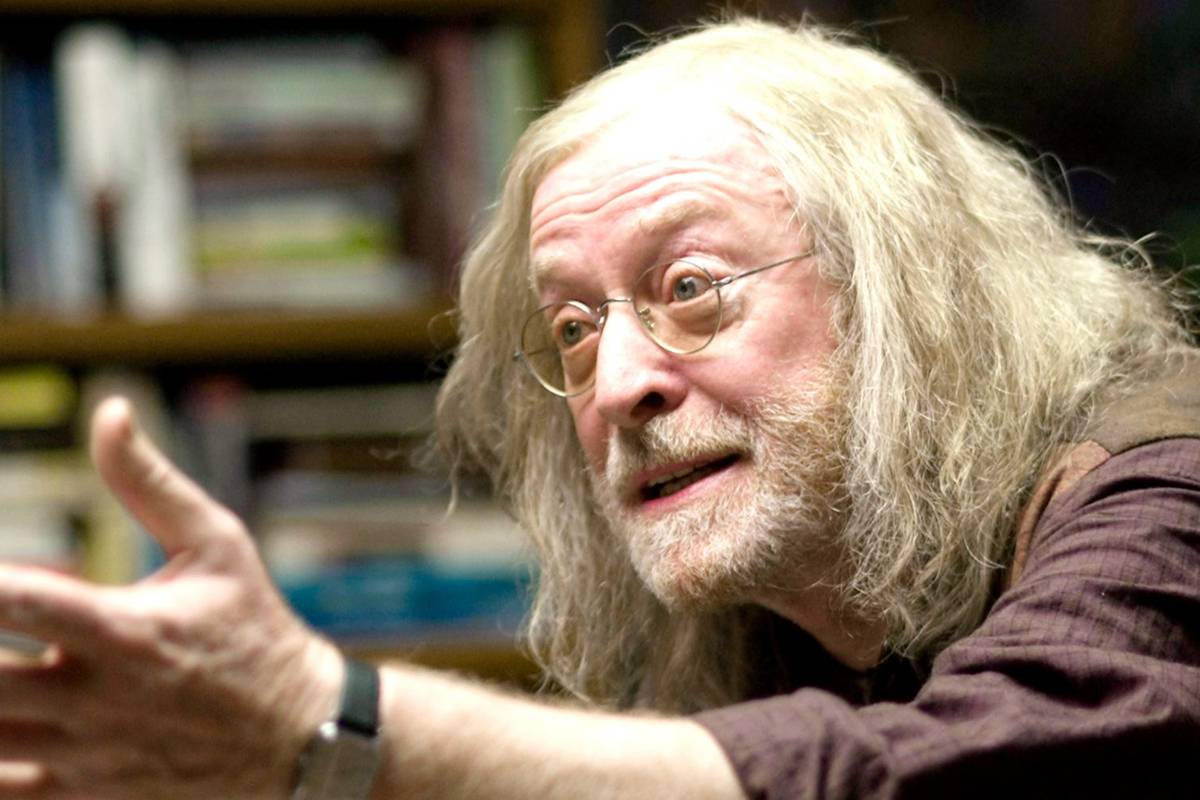
The production design captures a version of London that feels like a war zone, drawing inspiration from contemporary political upheavals rather than fictional mythologies. If you want to dive deeper into the evolution of dystopian cinema, visit Bright Celebrity for more analytical takes on legendary films.
The Power of Practicality
The film is famous for its long, uncut sequences, most notably the car ambush scene. Rather than relying on digital trickery, the production team went to extreme lengths to mount custom camera rigs on vehicles. This level of dedication creates a visceral, immersive experience that modern blockbusters often lack, proving that practical tension is superior to digital polish.
The Cinematic Data and Facts
To understand the film’s massive impact, we have to look at the numbers. The production was a monumental technical undertaking that pushed the boundaries of handheld cinematography. Below is a breakdown of why this film remains a technical benchmark for industry professionals and critics alike.
| Technical Element | Impact Factor |
|---|---|
| Cinematography Style | Heavy reliance on 360-degree, long-take practical effects. |
| CGI Usage | Minimalist, prioritizing atmospheric groundedness over flash. |
| Theme Saturation | Direct cultural commentary on 21st-century immigration policies. |
| Director Vision | Refined realism that preceded his later work on Gravity. |
Historical Context and Expert Perspective
Experts often point to the film’s release window as a turning point for dystopian storytelling. It arrived at a time when the world was beginning to feel the weight of post-9/11 anxiety. By mirroring the geopolitical tensions of the early 2000s, the film avoided being dated by the technology of its time. It focused on the human soul.
Expert Take: When you analyze the film’s reception through a modern lens, it is clear that the lack of excessive exposition was its greatest strength. Modern audiences are conditioned to have everything explained via monologue or flashback. Cuarón’s decision to drop the viewer into a lived-in world without explanation forces a deeper connection to the characters. This approach remains a blueprint for high-concept science fiction that respects the audience’s intelligence.

The Legacy of Dystopian Narratives
The film echoes the structural brilliance of classics such as Blade Runner or 1984, but it adds a layer of raw, human fragility. It is not about saving the galaxy; it is about saving one person. This singular focus creates an intimacy that big-budget space operas often sacrifice at the altar of franchise expansion.
Frequently Asked Questions
Is Children of Men a true story?
No, the film is a fictional adaptation of the 1992 novel written by P.D. James. While it pulls themes from real-world political landscapes, the narrative itself is entirely speculative.
Why is the film considered the best R-rated sci-fi?
Its blend of technical mastery, social commentary, and unfiltered intensity makes it a benchmark. The film avoids gratuitous violence, instead using it to heighten the stakes for its protagonists.
What does the ending of the film symbolize?
The final scene, featuring the sound of a boat and the sight of hope arriving, represents the persistence of humanity. It suggests that even in a dying world, a single act of kindness or protection can change the future.
Final Thoughts on the Classic
Twenty years later, Children of Men remains the gold standard for dystopian cinema. It is a rare, gritty, and deeply emotional experience that challenges you to think about what you would do if the world were truly ending. Through his masterful direction and a haunting performance by Clive Owen, Cuarón created more than just a movie; he created a mirror for our own societal fears. If you have yet to witness this masterpiece, it is time to look into the void and find the hope that the film so expertly hides within its Children of Men legacy.
More Like This
For more updates, check out our latest entertainment and sports news.