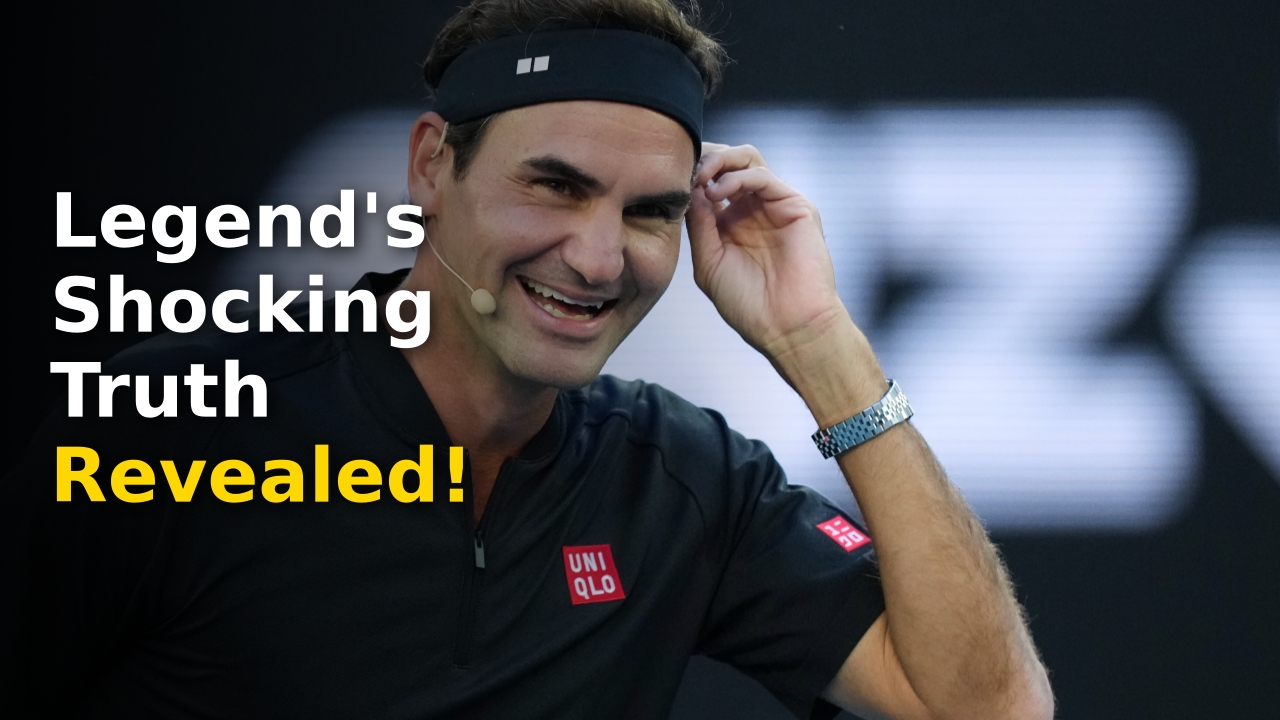
Roger Federer is officially making a surprise return to Arthur Ashe Stadium, but the tennis icon has definitively slammed the door on any hopes of a professional circuit comeback. You might be shocked to learn that even at 45, the Swiss maestro experiences pre-match nerves, despite his legendary status and five consecutive U.S. Open titles. While he will grace the court this Tuesday for a high-profile exhibition, his transition from active competitor to global ambassador is now permanent.
This rare appearance in New York serves as a poignant farewell for fans who never got to properly say goodbye to his professional career in 2019. Federer has clarified that his physical condition, particularly his knees, simply cannot withstand the grueling demands of a modern ATP tour season. This move marks the closing of a storied chapter for one of the greatest athletes in human history.
The Emotional Roger Federer Return
The aura surrounding Roger Federer as he walks back onto the hallowed grounds of the Billie Jean King National Tennis Center is electric. Fans have waited years for another glimpse of that signature one-handed backhand, even if it is only in a lighthearted exhibition format. The atmosphere in New York remains unmatched, and for the man who dominated this surface from 2004 to 2008, it feels like a homecoming.
His return is carefully curated, consisting of a single set against Andy Roddick and a doubles match featuring legends John McEnroe and Andre Agassi. By his own admission, the goal here is not victory but closure and celebration. He openly discussed the anxiety of not having played a competitive singles set since 2021, yet emphasized his gratitude for being invited back to the center of the sporting world.
Federer’s journey to New York is the final stop before he is enshrined in the International Tennis Hall of Fame in Newport, Rhode Island. This prestigious honor cements his legacy as not just a tennis player, but a cultural phenomenon. It is a moment of reflection, allowing him to interact with the fans who fueled his rise to global fame.
For those who followed his career closely, his 2019 loss to Grigor Dimitrov felt incomplete. The sport of tennis, which can be explored in more detail at Wikipedia, relies on these final emotional connections. Federer has clearly stated that his body, especially his knees, forced him into an early retirement from the grueling professional grind.

Every swing of the racket for the cameras this week is a gift to the spectators. He noted that the mind is no longer willing to endure the patience required for surgery and long-term recovery. When you look at the landscape of modern tennis, you can see how his decision to step away preserves his legacy as an elegant, tactical master of the game.
You can see how his popularity has not waned, even with his absence from major Grand Slam brackets for years. The crowd’s reaction to his image on the big screen confirms that he remains the face of the sport. His legacy continues to influence the next generation of players and provides inspiration for current stars looking to define their own careers.
Why He Refuses A Pro Comeback
- Physical limitations: Chronic knee issues prevent high-level training.
- Mental fatigue: The requirement for multi-year recovery cycles is no longer appealing.
- New priorities: Transitioning toward Hall of Fame recognition and ambassador roles.
- Respect for the game: A desire to leave while his image remains untarnished.
Comparative Career Statistics
The statistical dominance of Roger Federer during his peak years remains a benchmark for the sport. To understand why his presence at the U.S. Open is so significant, we must look at the historical data of his performance metrics versus other legends.
| Tournament | Titles Won | Peak Ranking |
|---|---|---|
| U.S. Open | 5 | 1 |
| Wimbledon | 8 | 1 |
| Australian Open | 6 | 1 |
| French Open | 1 | 1 |
Beyond the numbers, the impact of his career on brightcelebrity.com highlights his status as an A-list athlete. He has managed to maintain his commercial appeal long after his last Grand Slam win. His transition is a masterclass in athlete branding and legacy management.
Many fans wonder if his physical condition could have been different with modern training. However, the sheer volume of his matches over two decades took a toll. His recovery times in his late 30s showed a clear trend of diminishing returns, making his decision to retire a logical health choice.

His focus on the gym and maintaining a healthy lifestyle is not for competition, but for personal longevity. He is proof that being an elite athlete at 45 is possible, but being a competitive one is a different beast. Watching him play in exhibitions serves as a bridge for his transition into tennis history books.
The fans expect grace, but they also get a dose of humor from these matches. Federer joked that he and Andy Roddick would avoid drop shots, signaling a friendly exchange of volleys. This change in pace is exactly what he needs to keep enjoying the sport without the pressure of a trophy.
Ultimately, his legacy in New York is secure regardless of Tuesday night’s outcome. He provided the fans with the biggest moments in the history of Arthur Ashe Stadium. Returning to witness the love of his supporters is the final piece of his storied journey.
Reflecting On An Unparalleled Legacy
Looking back at the trajectory of his career, it is clear that Roger Federer changed how the world views tennis. He brought an elegance that transcended the baseline, turning matches into art. His rivalry with Rafael Nadal and Novak Djokovic defined an entire generation, creating content that continues to circulate on platforms like ESPN today.
The decision to hold a farewell exhibition in New York is a strategic and heartfelt move. It acknowledges that he never had a proper ‘curtain call’ during his final professional years. By involving peers like Andre Agassi, he pays tribute to the era that paved the way for his own success.
His retirement from pro tennis is final, but his influence is just beginning. By mentoring young stars and remaining a constant presence at major events, he keeps the spirit of the game alive. You will find that his post-tennis career will likely be as successful as his matches on the court.
There is a lesson here about knowing when to step back from the spotlight. Federer’s ability to recognize the limits of his body shows wisdom. He is choosing to exit while he can still walk onto the court with a smile, rather than fading away due to injury.
For the millions of followers who grew up watching him, this week is a celebration of a childhood hero. The fact that he is still active in his fitness routines is an inspiration to his followers. He is not disappearing; he is merely evolving into his next role as a global tennis legend.
Finally, we must celebrate that he is at peace with this decision. The uncertainty he expressed about his current tennis skills only humanizes him more. We thank you, Roger, for the memories, the trophies, and the grace you displayed throughout your historic career.
More Like This
For more updates, check out our latest entertainment and sports news.