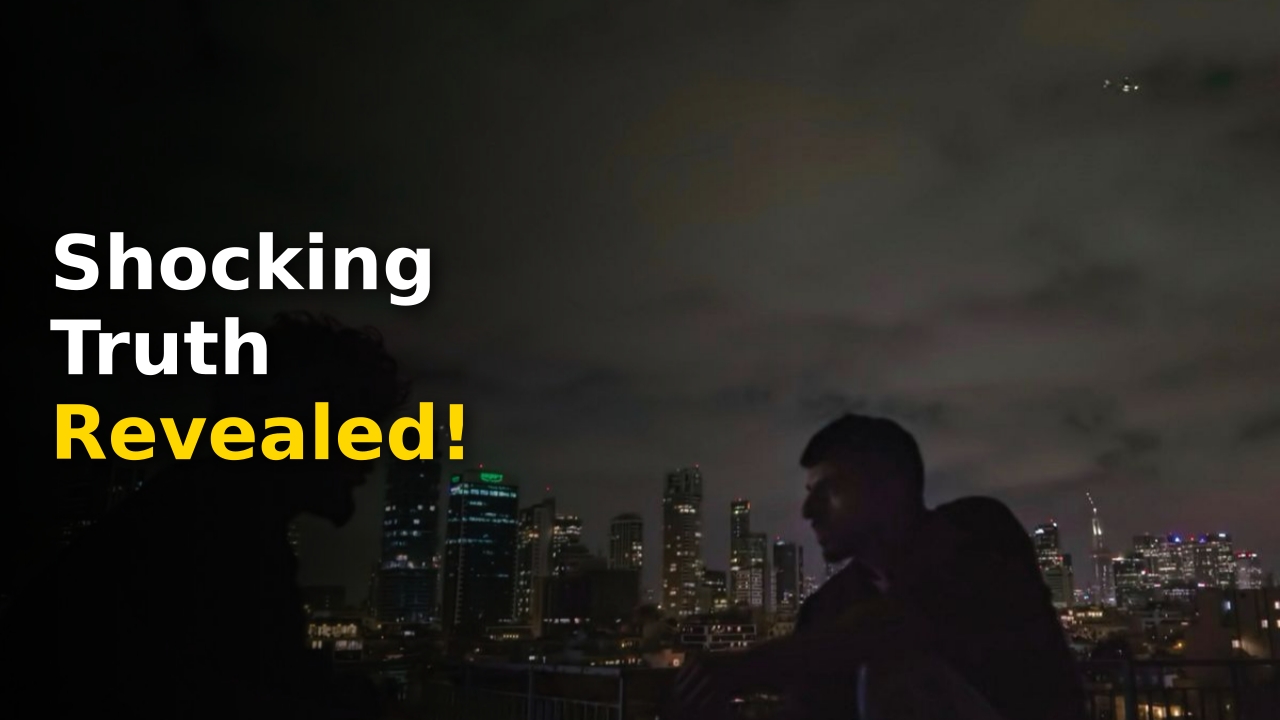
Venice Film festival organizers have officially confirmed that the high-stakes documentary NAZA will debut in the main competition, sparking immediate global conversation regarding the civilian toll of the ongoing Israel-Hamas conflict. You are witnessing a historic moment where art directly intersects with the harsh realities of modern geopolitical warfare, challenging viewers to confront uncomfortable truths head-on.
As the only documentary vying for the prestigious Golden Lion award, NAZA represents a bold shift in festival programming. By centering its narrative on the harrowing experiences of those living through the conflict, the filmmakers aim to translate raw, night-shot footage into a profound cinematic experience that transcends traditional political boundaries.
Understanding the Venice Film Impact
The selection of NAZA is not merely a programming choice; it is a profound political statement by the festival curators. When you look at the track record of recent international film festivals, there is a clear trend toward platforming narratives that demand immediate empathy and social accountability. This film, directed by Yuval Abraham and Rachel Szor, builds upon years of intensive reporting from within the conflict zones.
The production lineage of this film is equally notable, involving the creative forces behind The Zone of Interest. You can expect a visceral, sound-heavy, and visually haunting experience that mirrors the technical prowess seen in previous award-winning works. The film focuses on events captured during nocturnal hours on rooftops in Tel Aviv, offering a perspective that feels both intimate and terrifyingly expansive.
The involvement of the +972 Magazine and Local Call signifies a deep-rooted commitment to journalistic integrity. These outlets have spent years documenting the nuances of the region, ensuring that the source material for NAZA is as grounded in reality as possible. You should prepare for a film that prioritizes factual reporting over stylistic dramatization, bridging the gap between documentary journalism and high-end cinema.
Critics argue that such inclusions may invite controversy, but the Venice Film selection committee has consistently demonstrated a willingness to embrace tension. By placing this documentary in the main competition, they effectively force the industry to contend with the humanitarian crisis during every screening and panel discussion. This is a deliberate tactic to keep the discourse alive among the global elite of the entertainment industry.
The cultural gravity of this decision cannot be overstated. When the festival opens its doors, the presence of NAZA will undoubtedly color every conversation on the Lido. You might find that the atmosphere shifts from glamour to solemn reflection, much like it did during the intense protest-filled sessions of previous years.
For those interested in how these artistic choices shape public perception, check out the latest insights on current industry trends regarding activist cinema. This platform remains a vital resource for understanding the human side of the silver screen. The Venice Film festival acts as a barometer for global empathy, and this year, the needle is pointed firmly toward the heart of the crisis.

Key Production Insights
- Directed by award-winning duo Yuval Abraham and Rachel Szor.
- Co-produced by experts from the Academy Award-winning film The Zone of Interest.
- Features years of investigative research from the +972 Magazine archives.
- The film serves as a spiritual successor to the acclaimed No Other Land documentary.
Comparative Data and Festival Context
The landscape of the Venice Film festival has evolved significantly, transitioning from a venue of pure escapism to a critical battleground for human rights narratives. The data below outlines the progression of social activism in competitive film selections over the recent years.
| Film Title | Focus Area | Award Won |
|---|---|---|
| NAZA | Israel-Hamas Civilian Toll | Golden Lion Nominee |
| The Voice of Hind Rajab | Gaza Civilian Crisis | Silver Lion |
| No Other Land | Activist Struggles | Best Documentary |
You can see a direct correlation between the severity of the real-world events and the recognition of films tackling these subjects. The Venice Biennale organizers have faced intense pressure to remain neutral, yet the sheer volume of artistic response from independent filmmakers makes total neutrality nearly impossible. The absence of entries from certain state-sponsored pavilions in 2024 underscored just how fractured the diplomatic environment has become at the festival.
In 2024, the Israeli pavilion remained shuttered, with curators stating it would only reopen upon the declaration of a lasting ceasefire. This event set a precedent that current film festival directors have been forced to navigate. When you consider the weight of these decisions, it becomes clear that the festival is no longer just about entertainment; it is about documenting history in real-time.
As a viewer, you are encouraged to look beyond the red carpet. The films that win major accolades now are often those that risk everything to capture the truth. Whether it is the Maggie Gyllenhaal-led jury or the festival director, the decision-makers are clearly favoring voices that carry the weight of current humanitarian testimonies.
The role of the jury is paramount this year. With diverse perspectives and a focus on socially conscious storytelling, the panel is expected to prioritize narrative depth over pure commercial appeal. This is good news for films like NAZA, which thrive on intense emotional engagement and moral complexity.
Many industry analysts suggest that we are entering a new era of documentary filmmaking. One where the camera is not just a tool for observation, but a mechanism for advocacy. If NAZA succeeds, it could set a new standard for how we categorize, market, and consume political documentaries in the future.
As you digest this, consider the long-term impact on the Venice Film festival’s reputation. Will it become the premier global stage for political dissent? Or will it strive to balance its history of glamour with these sobering realities? Only time will tell, but for now, all eyes are on the Lido.

The Human Cost of Cinema
Behind every frame of NAZA lies the lived reality of people caught in the crossfire. The documentary is not just an artistic project; it is a testament to the resilience of those who document life under the constant threat of demolition and violence. By focusing on the nights in Tel Aviv, the film challenges you to consider the duality of life near a conflict zone.
The filmmakers behind the project, including the team that produced No Other Land, have invested four years into this narrative. Their commitment highlights the importance of long-form journalism in the age of 24-hour news cycles. You are being asked to slow down and listen to the stories that are often drowned out by the noise of constant updates.
There is also the critical role of external institutional support. The Guardian has been a massive player in ensuring that these voices find a platform. Their partnership with local filmmakers has provided the necessary resources to bring these stories to the international stage. This level of institutional backing is often what makes the difference between an unknown project and a global cinematic milestone.
For you, the viewer, the value lies in the authenticity. The film avoids the temptation of sanitizing the conflict. It instead leans into the raw, uncut footage, ensuring that the audience feels the urgency of the moment. This is a rare quality that turns a simple documentary into an essential piece of historical evidence.
The influence of Kaouther Ben Hania, who previously won for her work on the tragedy of Hind Rajab, remains a guiding light for this year’s festival. Her presence on the jury signals a willingness to engage with challenging subject matter. She understands better than most the toll this work takes on both the subjects and the creators.
Finally, the conversation surrounding Venice Film festival and its political leanings will only intensify as we approach the September announcement of the winners. You have a ringside seat to a historic dialogue between art, politics, and humanity. Stay tuned as we continue to track the progress of this groundbreaking film through the competition.
Navigating the Future Landscape
Looking ahead, the inclusion of NAZA sets a challenging precedent for the 2026 circuit. Film festivals globally are being asked to define their role in the humanitarian discourse, and the results are often controversial. As a member of the audience, your engagement with these films helps dictate which stories get told on the big stage next.
Industry experts often point to Reuters reports on global film markets to understand how these choices impact funding for future projects. When a documentary like this gains mainstream recognition, it signals to investors that audiences are ready for more serious, documentary-style investigations into global crises. This shift could lead to a golden age of investigative documentary filmmaking.
Despite the challenges, the spirit of the Venice Film festival remains vibrant. It is a place where legends are born and where history is shaped by the blink of a shutter. You are currently witnessing a shift in the tectonic plates of the cinematic world, where the focus is moving toward radical transparency.
You may also want to research the history of the Golden Lion to see how past winners have influenced global policy. Many of the most successful films in the festival’s history were those that addressed the social ills of their time, from post-war trauma to the fight for equality. NAZA is simply the latest chapter in this long, storied tradition.
As you prepare for the upcoming screenings, keep in mind the voices behind the lens. Yuval Abraham and his peers have risked much to bring these stories to light. They rely on your viewership and your voice to keep these narratives in the public eye after the credits roll.
Finally, never underestimate the power of the medium. Film has the unique ability to humanize the statistics that fill our screens. By choosing to watch and discuss NAZA, you are participating in a global conversation that demands dignity, truth, and eventually, a pathway to peace for all involved.
Final Thoughts on Venice Film
The addition of NAZA to the Venice Film competition marks a transformative moment for the industry. You have been provided with a unique opportunity to engage with a work that bridges the gap between the battlefield and the silver screen. As you follow the festival’s progress through September, remember that this film is more than just a contender for an award; it is a mirror reflecting the complexities of our current world. By centering on the human element, the filmmakers have ensured that their work will resonate long after the festival gates close, cementing its place in modern cinematic history.
More Like This
For more updates, check out our latest entertainment and sports news.