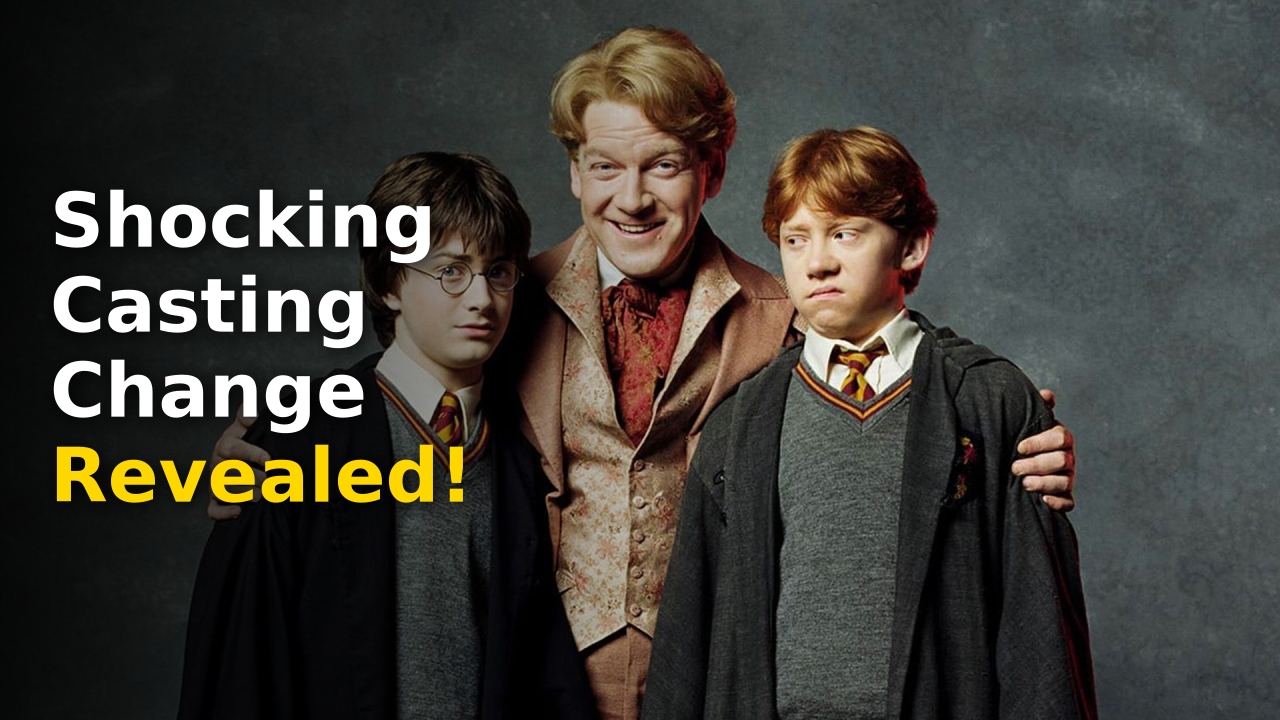
Harry Potter Recast news has sent shockwaves through the wizarding world today as fans grapple with the sudden departure of a major star just 13 days after his high-profile casting announcement. You might be stunned to learn that Nicholas Hoult, who was slated to play the iconic Professor Gilderoy Lockhart in the upcoming HBO series, has officially bowed out of the project, clearing the way for a familiar face to take the wand.
The rapid shift in talent highlights the chaotic nature of prestige television production, especially when navigating the schedules of A-list stars like Hoult. HBO confirmed that the scheduling conflicts were insurmountable, leading to the swift transition to none other than Kit Harington. This move promises a fresh take on the character while leaning into the deep lore already established in the Harry Potter universe.
The Harry Potter Recast Drama Unfolds
The entertainment industry is no stranger to last-minute changes, but a 13-day turnaround is exceptionally rare in the world of high-budget television. Nicholas Hoult, known for his incredible versatility, found himself at the center of this controversy when production demands for his existing commitments collided with the accelerated filming schedule of the new series. It is a harsh reminder of the balancing act stars must perform in 2024.
Filming for Season 2 of the Harry Potter franchise reportedly moved up its timeline, leaving little room for error or delay. While many fans were initially excited to see Hoult tackle the vain and boastful Lockhart, the shift toward Kit Harington offers a fascinating alternative. Harington, already beloved for his role as Jon Snow, brings a specific brand of gravity to projects he touches.
This is not the first time the production has faced casting hurdles. Following the departure of the actress originally slated for Ginny Weasley, the creative team has been in a constant state of flux. Such rapid internal shifts often lead to rumors regarding the stability of the production, but for now, the studio remains focused on delivering a high-quality product for a modern audience.
For the uninitiated, Gilderoy Lockhart is a character defined by his insufferable ego and fabricated heroism. Casting an actor who can balance charm with deep-seated insecurity is essential for the arc to land correctly. By hiring someone who has already voiced the character in an audiobook, the studio may have actually improved their creative output.
The pressure on the production team to get this right is immense. With the series set to redefine a generation-defining story, every casting choice is scrutinized by millions of die-hard fans. The Harry Potter Recast saga serves as a case study in modern production resilience and the necessity of maintaining flexibility when dealing with talent whose calendars are booked years in advance.
You can find more industry insights and celebrity updates by visiting Bright Celebrity. Staying ahead of these transitions is part of the fun for modern fans who treat entertainment news like a high-stakes sport. Whether it be film, television, or streaming, the industry remains in a constant state of evolution.

Understanding the Gilderoy Lockhart Legacy
- Lockhart represents the performative side of wizarding fame.
- He relies on memory charms to steal the credit of others.
- The character serves as a foil to the genuine heroes of the story.
- Harington’s previous voice work ensures a specific vocal tone for the role.
- The character is fundamentally comedic but carries dark implications.
- His vanity is the catalyst for much of the conflict in the second book.
Comparative Casting Dynamics and Analysis
| Actor | Project | Status |
|---|---|---|
| Nicholas Hoult | Man of Tomorrow | Active Filming |
| Kit Harington | Harry Potter S2 | Confirmed |
| Chris Columbus | Nosferatu Producer | Directorial Influence |
Analyzing why specific casting choices matter requires looking at the broader context of the actors’ careers. Hoult’s work on Man of Tomorrow indicates he is prioritizing massive studio tentpoles, which makes sense given his trajectory. His history of auditioning for the original series as a young child adds a layer of irony to his recent departure.
The transition to Harington is not merely a stopgap measure. It is a strategic pivot. Harington’s tenure in Game of Thrones proved he can lead an ensemble, while his audiobook performance displays his vocal range. The producers likely viewed him as a safe, high-performing bet who already knows the source material intimately.
Behind the scenes, talent agencies are working overtime to sync up these schedules. When a show like this announces filming dates, it sets off a domino effect for every department. The logistics involved are staggering, and even small changes can cost millions in delays and reshuffling of resources.
It is important to remember that these actors are human beings managing immense professional loads. While fans might see a recasting as a betrayal of their expectations, it is usually a cold calculation based on availability and contract law. The industry thrives on these shifting sands.
As we approach the December premiere, more announcements are expected. The casting of the Marauders remains the most anticipated reveal, and fans are waiting with bated breath. Will the production continue to surprise us with high-profile names, or will they opt for relative unknowns?
The impact of this recasting will be felt by the audience only in the final product. If the chemistry on set remains intact, fans will likely forget the 13-day transition entirely. However, for now, the Harry Potter Recast drama is the primary topic of conversation among film enthusiasts.
The Future of Wizarding Media Production
The decision to expand the Harry Potter universe into a multi-season series represents a massive financial investment for HBO. With billions of dollars at stake, they cannot afford the lack of cohesion that plagued some later film installments. Consistency in casting, even when hurdles arise, is their top priority.
Digital media and the democratization of information have changed how we consume news about these productions. Ten years ago, a 13-day casting change might have stayed behind closed doors. Today, it is instantly analyzed by millions of armchair experts who dissect every detail of an actor’s schedule.
This scrutiny is both a blessing and a curse for production houses. While it builds immense hype, it also places creators in a box where they feel pressured to satisfy a very vocal base. The key for the studio will be in maintaining the artistic integrity of the original novels.
Looking toward the 2026 horizon, the success of this series could determine the next decade of fantasy television. If the studio manages to capture the magic of the books while avoiding the traps of excessive recasting, they will win big. The audience is ready, and the anticipation is reaching a fever pitch.
As we see more details emerge about the filming process, we will continue to update our coverage. The goal is to provide you with the most accurate, unfiltered look at the world of wizarding entertainment. We invite you to share your thoughts on the casting shift in the comments section below.
The landscape of Hollywood is transforming rapidly, and we are witnessing history in real-time. From the rise of new stars to the shifting of established veterans, the game never stops. Stay tuned for our upcoming deep-dive into the filming locations of the new series.
Reflections on the Casting Change
In the final tally, the Harry Potter Recast situation serves as a testament to the fast-paced nature of modern cinema. Whether you supported the original choice or prefer the new direction, the goal of the studio remains simple: to deliver a compelling, immersive experience that resonates with fans. By bringing in a veteran like Kit Harington, they are betting on experience and familiarity to anchor the series as it embarks on this ambitious new journey.
More Like This
For more updates, check out our latest entertainment and sports news.