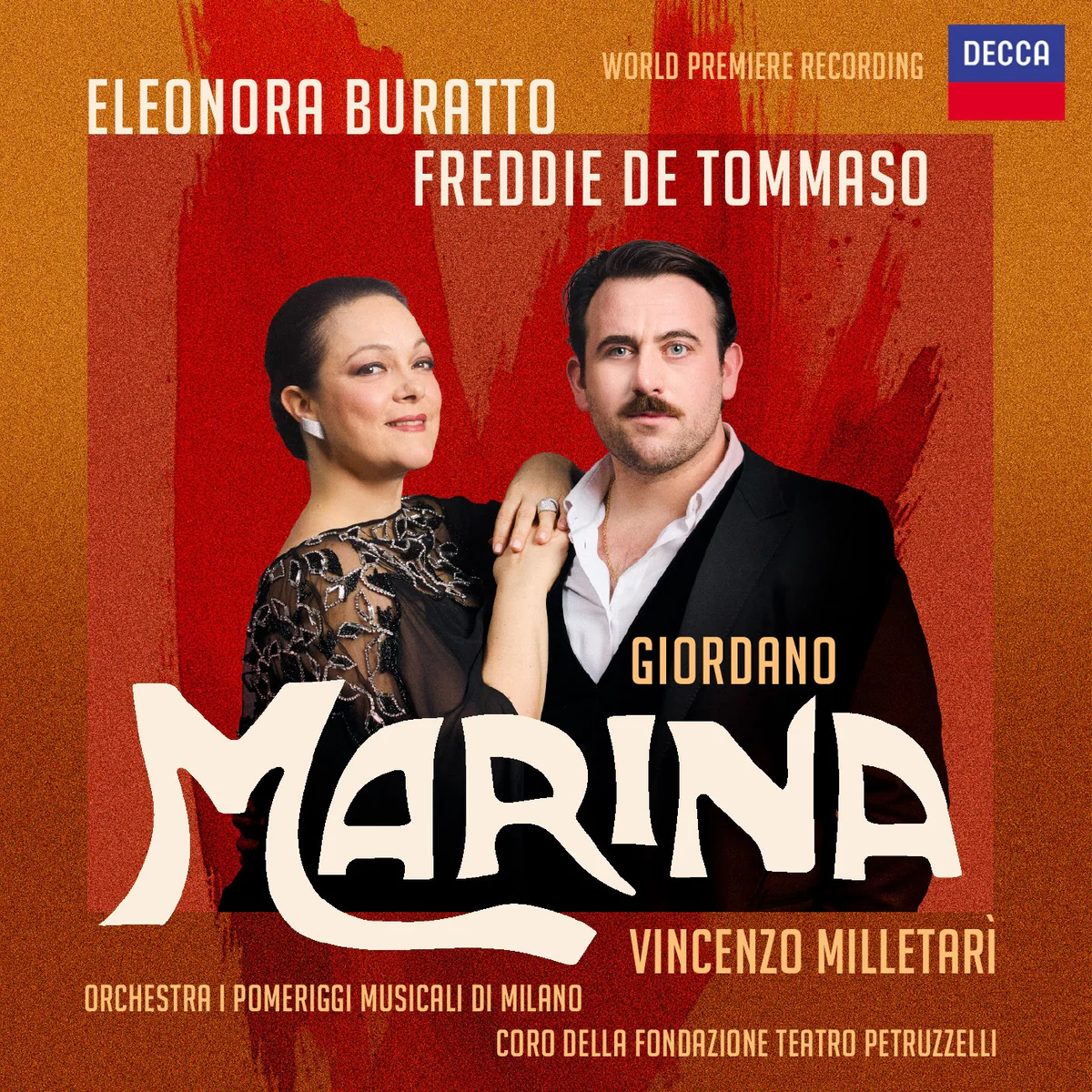
Marina stands as a fascinating, long-forgotten relic of the 1888 Sonzogno competition, marking a pivotal moment in the evolution of Italian opera that you absolutely need to discover today. While historians once relegated this early work by Umberto Giordano to the dustbin of history, this new Decca recording proves that the birth of verismo was far more complex, blood-soaked, and beautiful than we ever dared to imagine.
You might think of Puccini or Mascagni as the sole architects of the verismo movement, but Marina shatters that misconception with its raw, visceral intensity. This debut recording captures the Teatro dal Verme live performances, offering a rare window into the formative years of a composer who would later define the Italian Novecento.
Marina: The Radical Evolution of Verismo
For decades, scholars have decried verismo as a terminal chapter in the history of Italian melodrama, often labeling it as mere gutter realism. This narrow view ignored the nuanced brilliance of composers like Umberto Giordano, whose early career was marked by a torturous yet fruitful struggle with publisher Edoardo Sonzogno. By re-examining this one-act opera, we gain a clearer understanding of how the boundaries between Romanticism and the grittier, modern verismo style were actually incredibly porous.
The opera’s construction is a masterclass in transitional composition, utilizing a number-piece structure that the composer simultaneously attempts to dismantle. Unlike the massive, sprawling structures of later works, this piece serves as a tight, focused laboratory for the dramatic impulses that would later blossom in Fedora. It is not merely an archival curiosity; it is a vital, breathing piece of history that bridges the gap between the melodic sweetness of the 19th century and the hard-hitting theatricality of the 20th.
The plot, penned by the prolific librettist Enrico Golisciani, throws you headfirst into the chaotic aftermath of 19th-century Balkan warfare. You follow Giorgio Lascari, a wounded Serb seeking refuge in the home of the Montenegrin woman who gives the work its title. The ensuing drama is a classic tranche de vie, filled with betrayal, political suspicion, and an inevitable, blood-drenched finale that demands your full attention.
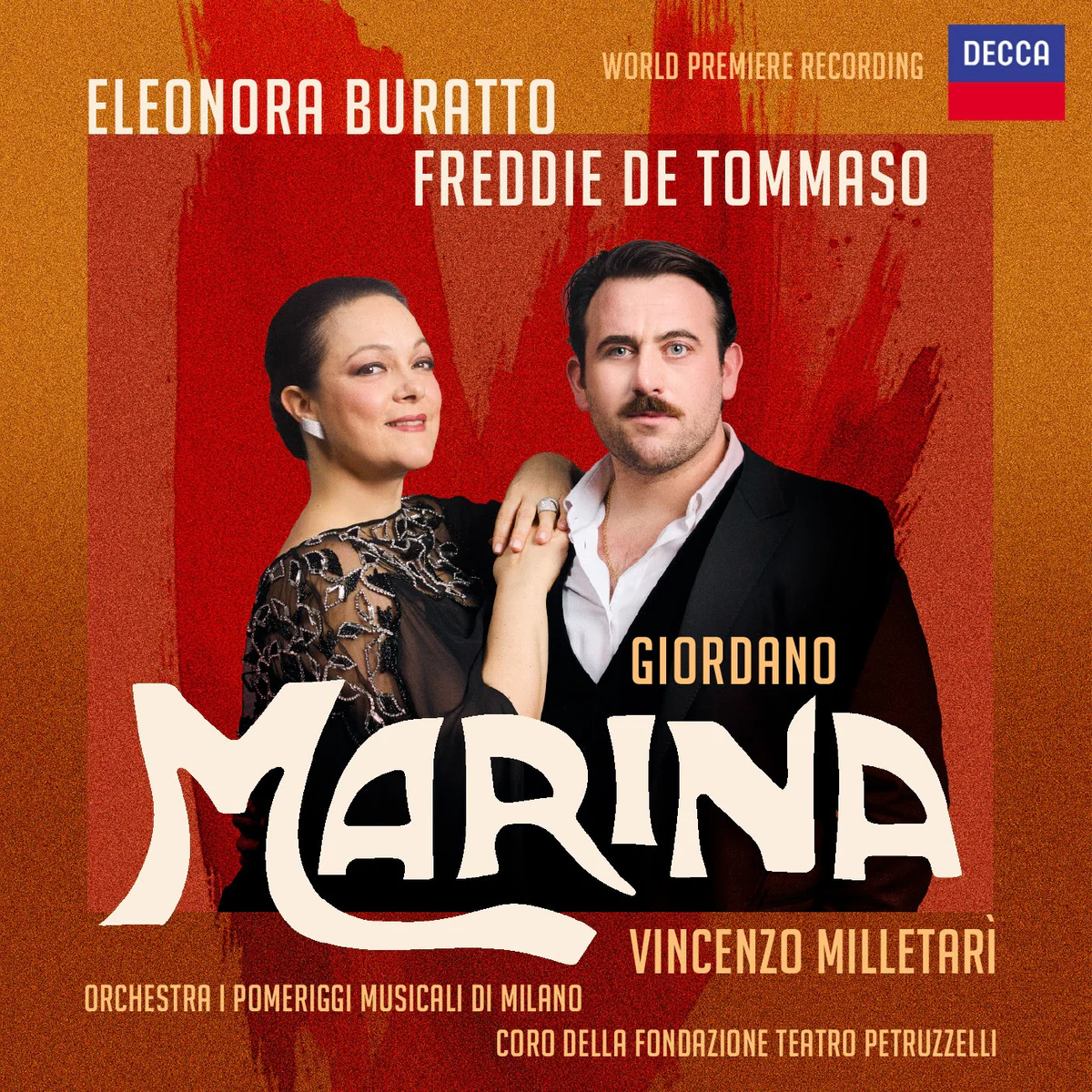
When you listen to this recording, the sheer vocal command of Freddie De Tommaso is impossible to ignore, as he brings a burnished, masculine timbre that fits the score perfectly. His performance of the signature aria Chi sa se un dì reveals a technical firmness reminiscent of the great Mario Del Monaco. Yet, he balances this heroic power with delicate, introspective diminuendi that showcase a mature grasp of vocal color.
Equally impressive is Eleonora Buratto, who paints the character with a luminous, wide-ranging palette of emotions. Her ability to navigate the complex, shifting demands of the score—from the subtle nuances of her opening scena to the defiant, staccato outbursts—proves why she is currently among the most sought-after sopranos in the world. Her work here effectively foreshadows the dramatic weight later associated with characters like Minnie in La Fanciulla del West.
Technical Brilliance in the Modern Era
To understand the full impact of this recording, we must look at the technical specifications of the production. The orchestra, under the leadership of Vincenzo Milletarì, provides a secure, elastic foundation that keeps the narrative moving at a brisk, unrelenting pace. By avoiding metronomic rigidity, the ensemble captures the militaristic flavor of the work without losing the essential Romantic expanse that defines Giordano‘s voice.
The inclusion of Mihai Damian as Lambro adds another layer of intrigue to this debut disc. His vocal elegance, often compared to the legendary Giorgio Zancanaro, suggests that the international opera scene has a new star on the horizon. Even if the baritone parts can occasionally blur together compositionally, the sheer vocal quality on display ensures that the audience remains captivated by every phrase.
The live provenance of the recording is a significant advantage, preventing the music from feeling like a static museum piece. You can practically feel the air of the Teatro dal Verme, with the acoustics adding a layer of warmth and immediacy to the performance. This is precisely the kind of cultural preservation that keeps the art form relevant for younger audiences who demand high-fidelity, high-drama experiences.
The Legacy of Sonzogno Competition
- 1888 Competition Winner: Cavalleria rusticana by Pietro Mascagni changed the trajectory of opera.
- Sixth Place Finish: Marina was a crucial stepping stone in Umberto Giordano‘s early growth.
- Narrative Scope: Explores the complexities of Balkan statehood during the post-Russo-Turkish conflict.
- Performance Venue: Captured live at Teatro dal Verme, Milan.

Comparison of Major Verismo Debuts
The following table illustrates how the early works of the verismo masters stack up against one another in historical context and thematic focus.
| Opera Title | Composer | Key Theme | Year |
|---|---|---|---|
| Marina | Umberto Giordano | Wartime Betrayal | 1888 |
| Le Willis | Giacomo Puccini | Supernatural Revenge | 1884 |
| Cavalleria rusticana | Pietro Mascagni | Rural Jealousy | 1888 |
Final Thoughts on the Recording
This world-premiere disc is not just for the hardcore opera nerd; it is a masterclass in how to revive the past without making it feel dusty or irrelevant. While it may not reach the towering heights of Andrea Chénier, the artistic integrity of this release is undeniable. By investing in such a rare project, Decca has provided a service to musicology that will surely be felt for decades to come.
As you explore the disc, focus on the interaction between the brass-heavy orchestration and the tender, lyrical lines of the vocalists. You will hear the echoes of the future Novecento style taking shape in real-time. It is a bold, confident testament to the talent of these performers and the enduring power of the Italian operatic tradition.
Ultimately, Marina serves as a reminder that history is rarely as linear as we like to imagine. By peeling back the layers of this 1888 competition entry, we uncover the true, turbulent spirit of an era that forever changed the way the world listens to stories of human heartbreak. Pick up this album, turn up the volume, and prepare to be transported to a time when opera was the rawest, most dangerous, and most vital form of entertainment on the planet. This release is a must-have for your collection.
More Like This
For more updates, check out our latest entertainment and sports news.