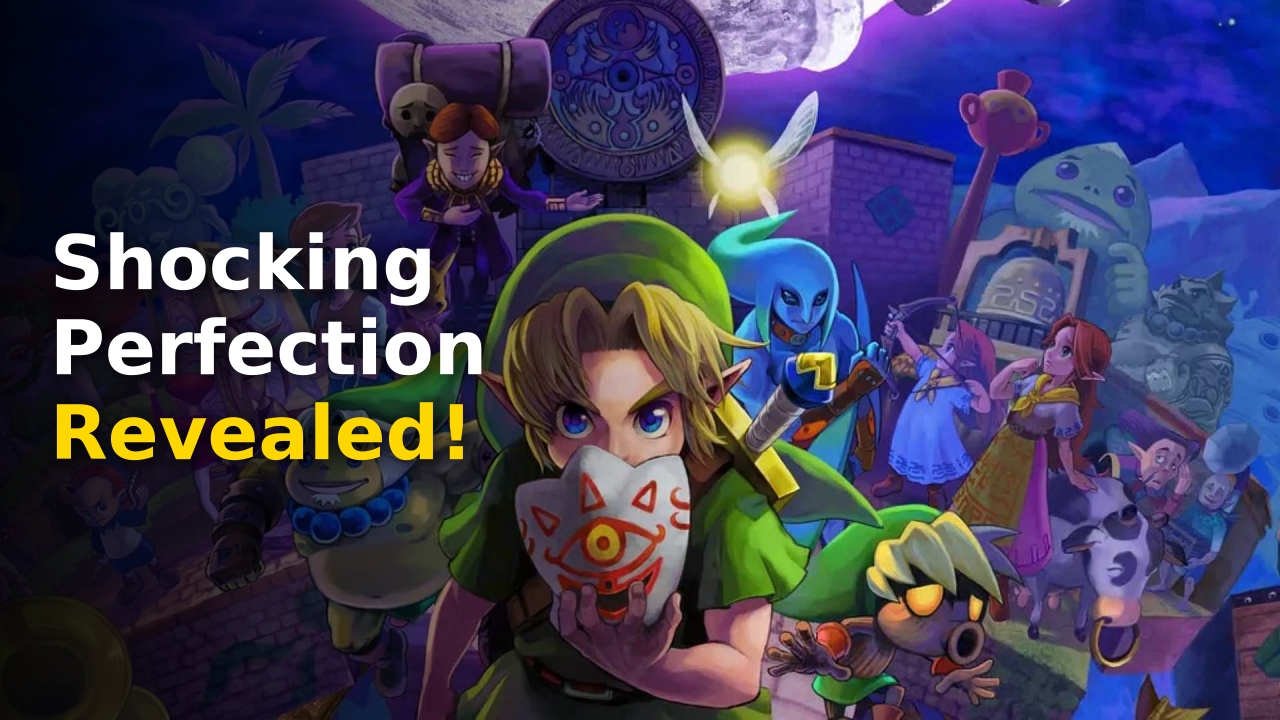
Zelda Games represent the gold standard of gaming history, delivering experiences that transcend mere entertainment to become cultural touchstones. Whether you are a long-time fan of the Hylian hero or a newcomer curious about the legend of the Triforce, these three titles define perfection in the medium. You likely have your own favorites, but these specific entries hold a special, objective status as 10/10 masterpieces.
The impact of this franchise on the global gaming landscape is immeasurable, often setting the bar for innovation and narrative depth. By analyzing the evolution of mechanics, atmosphere, and player agency, we can pinpoint exactly why these selections stand above the rest. Prepare to dive into a world of heroic destiny, dark cycles, and breathtaking open-air exploration.
Why Zelda Games Define Perfection
When you look at the evolution of the industry, few franchises have maintained such an iron grip on quality as The Legend of Zelda. Consistency is the hallmark of Shigeru Miyamoto’s vision, yet even within that consistency, a handful of titles act as pillars for all subsequent development. These games are not just fun; they are curriculum-level case studies in game design and player psychology.
Consider the structure of a perfect game: it must provide clear feedback, meaningful choices, and a sense of progress that feels earned rather than gifted. The best Zelda games accomplish this by weaving complex puzzles into the very fabric of their environments. When you solve a riddle in a dungeon or uncover a hidden shrine, the dopamine hit is instantaneous and rewarding.
The cultural resonance of these titles is well-documented by institutions like Wikipedia, which chronicles the series’ historical significance. Every entry serves as a blueprint for its successors, ensuring that the legacy of Link and Zelda remains relevant across generations. You are not just playing a game; you are participating in a multi-decade narrative arc.
Innovation is the core engine driving these experiences forward into the future of interactive media. From the transition to 3D on the Nintendo 64 to the massive physics-based sandbox of the modern era, the franchise constantly pivots to avoid stagnation. This willingness to discard old systems in favor of new, risky ideas is exactly why these three games remain timeless.
We must also look at the role of music and art direction in shaping the player’s emotional journey. Koji Kondo’s scores have become iconic, synonymous with the sense of adventure that defines your travels across Hyrule. Every pixel and polygon is placed with intention, creating a cohesive aesthetic that feels lived-in and authentic to the lore.
Ultimately, a perfect 10/10 game leaves you feeling like the world you inhabited was real and that your actions carried genuine weight. Whether saving the land from the demon king Ganon or simply exploring the wilderness, these titles provide that feeling in spades. Check out more details on gaming trends at brightcelebrity.com to stay updated.

Defining the Pillars of Excellence
- A Link to the Past: The definitive 2D template.
- Ocarina of Time: The 3D revolution.
- Majora’s Mask: The atmospheric psychological masterpiece.
- Breath of the Wild: The ultimate open-world freedom.
The Technical Legacy of Zelda Games
A Link to the Past solidified the core identity of the series, creating a duality between the light and dark worlds that remains unmatched in top-down design. By refining the mechanics of the original NES title, it provided a smooth, intuitive experience for players of all ages. The addition of the Master Sword and the foundational lore of the Triforce added layers of depth that echoed through the decades.
Ocarina of Time brought that same sense of wonder into the third dimension, effectively teaching an entire generation how to control a character in a 3D space. Its Z-targeting system was a stroke of genius that solved the problem of combat in a 3D environment for the entire industry. It transformed the way you interacted with NPCs and expanded the scope of Hyrule into a living, breathing realm.
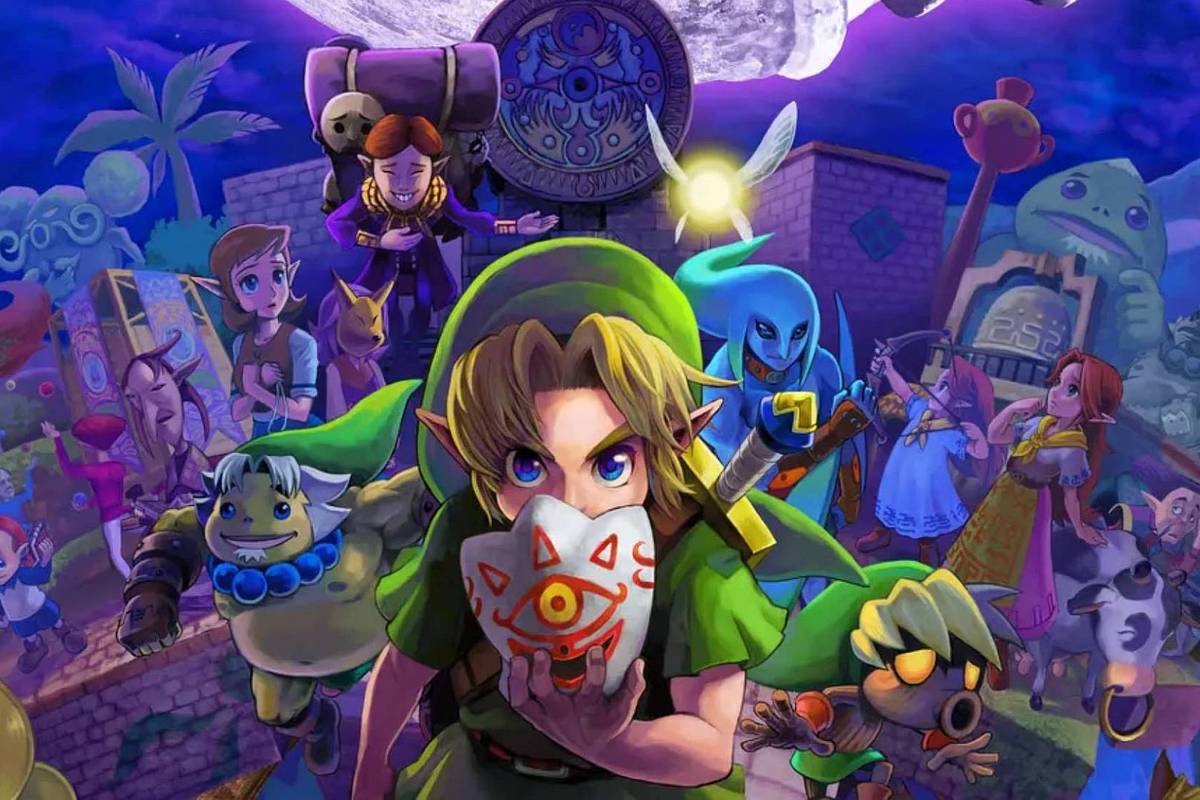
Majora’s Mask exists as the darker, more introspective cousin to Ocarina of Time, daring to embrace psychological horror and existential dread. The three-day loop is a masterclass in game design, forcing you to prioritize your actions and form deep bonds with the citizens of Termina. It remains one of the most unique and brave entries in the entire franchise history.
Breath of the Wild took the established formula and shattered it into pieces, proving that true freedom is more valuable than rigid structure. By placing you in a massive, open-air world with no hand-holding, it reclaimed the spirit of the very first Zelda game. You are encouraged to experiment, climb, and fail, making every discovery feel like a personal accomplishment.
Each of these games respects your intelligence as a player, never forcing you down a linear path unless it serves the narrative tension. This philosophy of design ensures that your playthrough is distinct from anyone else’s experience. You own your journey, and that is why these games endure long after the credits roll.
Comparing these titles reveals that “perfection” is subjective, yet these three share a common thread of immense quality. Whether through technical innovation, narrative risk-taking, or mechanical freedom, they have earned their place at the top. You owe it to yourself to experience these masterpieces if you call yourself a fan of modern gaming.
Comparative Analysis Table
| Game Title | Core Innovation | Emotional Theme |
|---|---|---|
| A Link to the Past | Duality Mechanics | Timeless Adventure |
| Majora’s Mask | Time-Loop System | Existential Dread |
| Breath of the Wild | Open-Air Freedom | Discovery and Joy |
Reflecting on a Perfect Legacy
The journey through Hyrule is one that every gamer should take at least once in their life. You are not just exploring maps or clearing dungeons; you are unraveling the rich history of a series that has redefined the boundaries of play. The 10/10 scores attached to these games are not just hype; they are reflections of the immense effort poured into every single frame.
It is easy to get caught up in the debate over which game is “the best,” but the reality is that the series is a mosaic of different, equally valid, and equally brilliant experiences. Whether you prefer the tight, pixelated perfection of the 90s or the massive, expansive wonder of the modern Switch era, you are participating in greatness. These **Zelda games** will continue to inspire developers for generations to come.
As you look forward to future installments, keep in mind how these three titles set the standard for what we expect from a masterpiece. We look for innovation, we look for emotional depth, and we look for the pure, unadulterated joy of exploration. If a game can deliver all three, it earns its place in the pantheon of history.
Thank you for exploring these pillars of gaming with us. Remember to keep an open mind as you traverse the diverse landscapes of Hyrule, and always look for the hidden secrets tucked away in the corners of the map. The adventure never truly ends as long as you keep playing.
More Like This
For more updates, check out our latest entertainment and sports news.