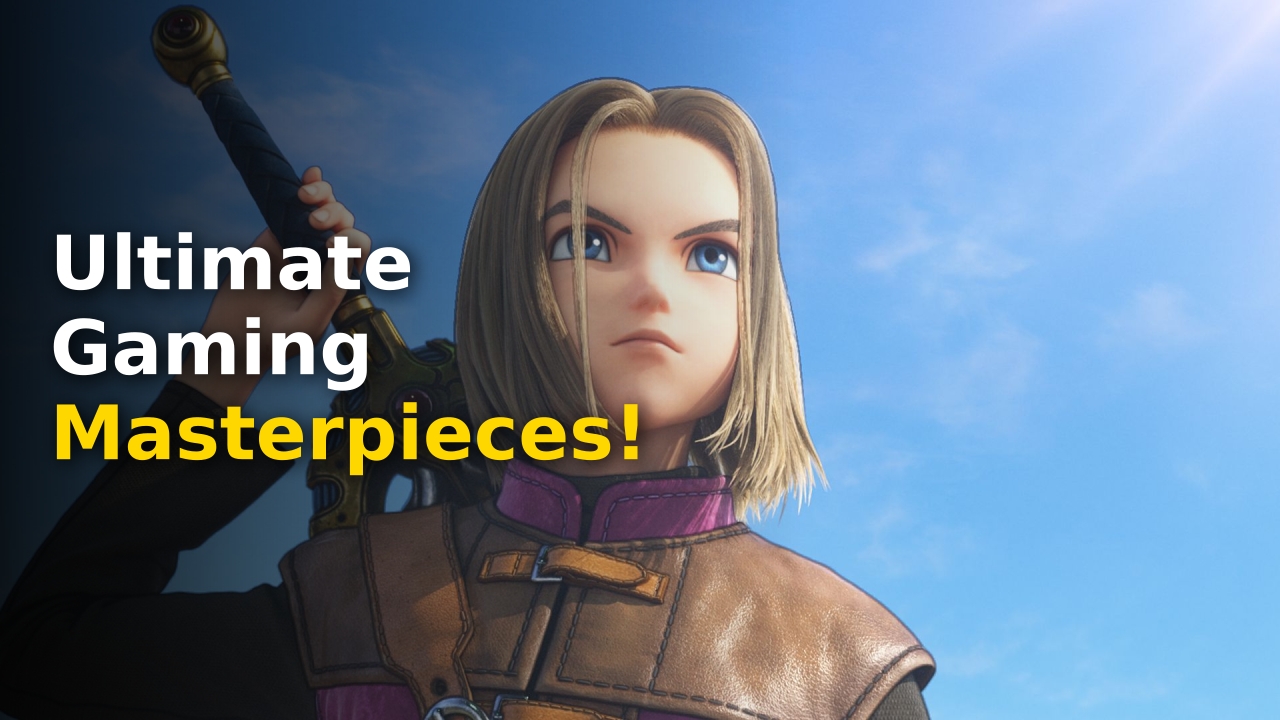
If you think you know Square Enix, you are missing the hidden masterpieces that shaped the modern gaming industry. This legendary publisher has delivered decades of narrative-driven marvels that defined generations of consoles. From pixelated fantasies to philosophical action epics, the company has consistently redefined how we experience interactive stories. Our definitive ranking reveals the absolute pinnacle of their achievements.
To answer the burning question of which titles stand supreme, the crown goes to games like Final Fantasy VI, NieR: Automata, and Dragon Quest XI which blended technical prowess with storytelling. These titles did not just sell millions; they fundamentally altered the rules of game design forever. Whether you seek deep tactical combat or emotional narrative arcs, these masterpieces deliver unparalleled experiences.
You might remember the classic era of the Super Nintendo, or perhaps you fell in love with modern HD-2D graphics. Regardless of your entry point, the historical footprint of Square Enix is absolutely undeniable. Let us explore the absolute best of their monumental library and discover why these games remain legendary.
Legendary Square Enix Evolution
The legendary rise of Square Enix began long before their historic corporate merger in 2003. Originally, Square was a pioneer of emotional, cinematic storytelling, while Enix dominated the Japanese market with traditional, flawless role-playing mechanics. When these two behemoths joined forces, they created a powerhouse capable of publishing diverse, experimental titles alongside massive blockbuster hits. This corporate synergy allowed developers to take massive creative risks on weird, wonderful ideas.
One of the earliest examples of this creative freedom actually originated from developer tri-Ace. Their flagship series, Star Ocean, brought fast-paced real-time combat to a medium dominated by slow turn-based systems. While many entries in the series divided fans, Star Ocean: The Second Story proved to be an absolute triumph of game design. The dynamic team at Square Enix encouraged tri-Ace to push boundaries, allowing you to experience the overarching science-fiction narrative from two entirely different perspectives.
This classic adventure proved to the world that Square Enix understood RPG design at a molecular level. The title offered an incredibly deep item creation system that let players break the game in delightfully creative ways. Decades later, the title received a gorgeous modern remake in Star Ocean: The Second Story R, bringing its timeless pixel art into the modern era. This remake proved that great game mechanics do not age, they simply wait for better technology to highlight their brilliance.
The Shibuya Phenomenon
When you think of the Nintendo DS, you likely recall dual-screen gimmicks and simple touch-screen minigames. However, the creative minds of Square Enix turned their attention to this unique hardware to launch one of the most stylish action-RPGs ever conceived. The World Ends with You transported players directly into a stylized, supernatural version of Tokyo’s famous Shibuya shopping district. The game demanded that you control two characters simultaneously on separate screens using both the stylus and the directional pad.
This frantic combat system was backed by an incredibly energetic soundtrack featuring hip-hop, electronic, and punk rock music, proving that Square Enix was not afraid of stylistic risks. The narrative tackled themes of isolation, artistic expression, and teenage rebellion with incredible grace and empathy. It remains a striking piece of counter-culture art that has never been successfully replicated by any other studio. If you want a game that captures a specific era of youth culture, this is the definitive choice.
The success of this experimental title paved the way for modern cult hits, showing that risk-taking is essential. The game recently received a sequel, but the original DS release remains the most mechanically pure version. It stands as a monument to what creative developers can achieve when they reject standard genre conventions entirely.
The Triumph of HD-2D
In recent years, the gaming community has witnessed a massive resurgence of retro-inspired aesthetics. The publisher Square Enix capitalized on this trend by pioneering a gorgeous graphic style known as HD-2D. While the first Octopath Traveler showcased the sheer visual potential of this engine, it was Octopath Traveler 2 that truly perfected the formula. This massive sequel addressed every minor critique of the original game to deliver a flawless adventure.
The game follows eight distinct travelers as they journey across the vibrant, industrializing world of Solistia, making this sequel a standout in the Square Enix modern era. Unlike its predecessor, this sequel features highly interconnected character stories that build toward a grand, unified climax. The combat remains an absolute joy, combining strategic turn-based planning with a satisfying shield-breaking mechanic. You must carefully manage your boost points to unleash devastating attacks at the perfect psychological moment.
With quality-of-life upgrades like a day-night cycle that changes NPC interactions, the world feels incredibly alive and dynamic. The musical score composed by Yasunori Nishiki is nothing short of a modern orchestral masterpiece. It is a brilliant example of how a developer can respect classic RPG traditions while pushing the genre forward.

RPG Masterpieces in Focus
To truly understand the golden era of role-playing games, we must examine the titles that abandoned standard fantasy tropes. During the late 1990s, the classic Square Enix library of games produced a string of masterpieces that challenged players intellectually and emotionally. These games did not just ask you to save the world; they asked you to question the very nature of society, religion, and human identity. They represent a period of unmatched literary ambition in the medium.
No game encapsulates this mature, literary focus better than the legendary Final Fantasy Tactics. Developed under the watchful eye of brilliant director Yasumi Matsuno, this tactical masterpiece abandoned the lighthearted tone of previous games. Instead, it delivered a grim, politically charged story of class warfare, religious corruption, and historical revisionism. The fictional war-torn land of Ivalice served as a brutal mirror to real-world medieval history.
The gameplay shifted from standard active-time battles to a deep, isometric tactical grid. You had to manage a massive roster of characters, carefully assigning them unique jobs like Knights, Chemists, and Ninjas. The depth of the job system allowed for endless customization, proving that Square Enix tactical games could match the depth of their flagship series. It remains the gold standard of tactical RPGs, recently finding new life through acclaimed modern projects.
The Complexity of Xenogears
While some games flirt with psychological concepts, the bold designers at Square Enix crafted Xenogears to dive headfirst into the theories of Sigmund Freud and Carl Jung. Originally pitched as a potential concept for Final Fantasy VII, the story was deemed far too dark and complex for the main franchise. Instead, director Tetsuya Takahashi was given the freedom to build a completely new, massive science-fiction universe. The result was an incredibly ambitious narrative spanning thousands of fictional years.
The game featured a highly innovative dual-combat system, allowing characters to fight on foot or pilot massive mechanical suits called Gears. Unfortunately, the game’s massive scope outgrew its budget, leading to an incredibly controversial second disc. This portion of the game cut planned dungeons in favor of characters sitting in chairs, highlighting how Square Enix narratives often outgrew technical hardware. Despite this obvious technical compromise, the story is widely considered one of the greatest ever written.
Although a direct sequel was never made due to corporate shifts, the legacy of this game lives on. Takahashi would later leave the company to form Monolith Soft, creating the beloved Xenosaga and Xenoblade Chronicles franchises. For many hardcore RPG fans, this flawed masterpiece remains the absolute peak of interactive science-fiction literature.
The Joy of Mana
If you prefer real-time action over complex turn-based menus, the action-packed catalog of Square Enix offers an incredible alternative. What began as a simple spin-off of the main fantasy franchise quickly developed its own unique, colorful identity. Secret of Mana set a spectacular benchmark on the Super Nintendo, but its direct sequel, Trials of Mana, pushed the console to its absolute limits. It featured a lush, hand-drawn art style that still looks gorgeous today.
The game allowed you to choose three main characters from a roster of six, resulting in different narrative paths and endings. The combat was fast, fluid, and incredibly satisfying, paving the way for modern action-RPGs. Decades later, the title received a stellar 3D remake that faithfully captured the whimsical charm of the original. Whether you play the original pixel version or the modern remake, the whimsical adventure is incredibly hard to resist.
Unconventional Legends Analyzed
Sometimes, the most incredible artistic achievements come from concepts that sound completely absurd on paper. The historical files of Square Enix show that unexpected crossovers can yield unmatched success. Critics initially scoffed at the idea of combining gritty swordsmen with cartoon ducks, but the resulting franchise defied all odds. It proved that a bold vision can unite even the most disparate artistic properties.
The original Kingdom Hearts is a true triumph of nostalgic magic and incredible level design. Director Tetsuya Nomura crafted a whimsical story about a young boy named Sora who travels through iconic Disney worlds. While the combat in the original game is slightly clunkier than its sequels, the narrative possessed an enchanting atmosphere. It managed to balance childish wonder with a surprisingly dark, emotional story about friendship, light, and darkness.
While later sequels became famous for their incredibly convoluted lore, the original game solidified Square Enix as a collaborative genius. It captured the absolute best of both brands, offering challenging boss fights alongside beloved childhood characters. You can read more about iconic media and celebrity voice actors involved in these games on gaming news trends. It remains an unforgettable journey that still brings tears to the eyes of longtime players.
The 16-Bit Masterpiece
For many veteran gamers, the ultimate expression of the 2D role-playing game is Final Fantasy VI. Released during the twilight of the Super Nintendo era, the developers at Square Enix pushed 16-bit technology to its absolute breaking point. It abandoned the standard medieval fantasy settings of its predecessors in favor of a dark, steampunk world. The story dared to address heavy themes of imperialism, chemical warfare, suicide, and teenage pregnancy.
The game is widely celebrated for its massive ensemble cast, featuring fourteen playable characters with distinct personalities. Instead of a single main protagonist, the narrative shifts focus seamlessly, redefining what a Square Enix storyline could achieve. The primary antagonist, Kefka Palazzo, remains one of the most terrifying villains in gaming history. Unlike villains who seek power or redemption, Kefka simply wishes to watch the entire world burn.
In a shocking narrative twist, Kefka actually succeeds in destroying the world halfway through the adventure. The second half of the game offers unprecedented player freedom, allowing you to recruit your scattered allies in any order. This revolutionary structure shattered the linear constraints of the genre and set a new standard for open-world exploration. It is a timeless masterpiece that every gaming enthusiast must experience at least once.
Philosophical Yoko Taro
If you want to experience a game that fully utilizes the unique capabilities of the interactive medium, look no further than NieR: Automata. Developed by PlatinumGames and directed by the eccentric Yoko Taro, this game is an absolute work of art. The story follows combat androids 2B and 9S as they wage a seemingly endless war against alien machine lifeforms. The eccentric catalog of Square Enix found one of its deepest philosophical representations in this sci-fi universe.
The game constantly shifts genres, moving seamlessly from a third-person hack-and-slash to a top-down shoot-’em-up. The narrative requires you to play through the game multiple times, with each playthrough revealing massive secrets. The true ending of the game features one of the most emotionally profound interactive sequences ever programmed. It is a stunning reminder of how video games can touch the human soul in ways movies cannot.
Comparative Performance Metrics
To truly understand the impact of these legendary titles, we must look at how they compare across various metrics. While player reception is highly subjective, the analytical data of Square Enix releases offers fascinating insights into their cultural footprints. These games represent different eras of technology, but their creative achievements remain timeless. Let us look at how these massive titles stack up against one another in terms of raw impact.
The following data highlights the diversity of platforms and genres that have hosted these historic masterpieces. It is clear that the creative output of Square Enix has never been afraid to experiment with different gameplay styles to find success. Whether through tactical grids or real-time action, these games have consistently set the industry standards. The high critic ratings reflect a legacy of quality that few other publishers can match.
We can see a clear evolution from the classic 16-bit era to the highly polished modern adventures of today. This legacy of excellence is backed by prominent industry databases like IMDb, which document the voice actors and writers who brought these worlds to life. Let us examine the specific metrics that define these incredible releases.
| Game Title | Original Platform | Release Year | Key Highlight |
|---|---|---|---|
| Final Fantasy VI | Super Nintendo | 1994 | 16-Bit Storytelling |
| Final Fantasy Tactics | PlayStation | 1997 | Isometric Strategy |
| The World Ends with You | Nintendo DS | 2007 | Stylized Shibuya Combat |
| NieR: Automata | PlayStation 4 | 2017 | Philosophical Action |
| Dragon Quest XI | PlayStation 4 / Switch | 2017 | Classic Turn-Based Perfection |
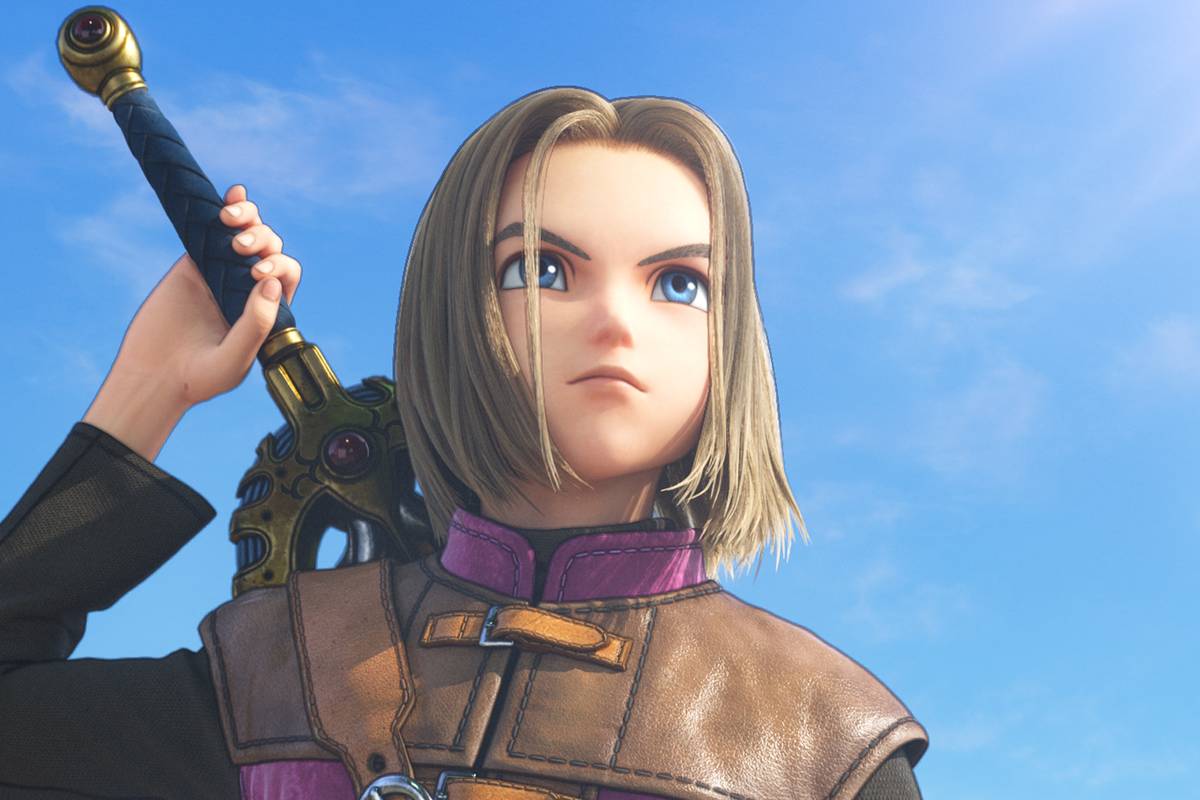
In addition to these titles, we must recognize the incredible impact of Dragon Quest XI: Echoes of an Elusive Age. While other long-running franchises have struggled to maintain their classic appeal, the traditional formula of Square Enix titles delivered its absolute masterpiece in the modern era. Created by series veterans Yuji Horii and legendary artist Akira Toriyama, the game is a beautiful celebration of traditional RPG tropes.
The game follows a young hero accused of being an evil entity, forcing him to flee across the vibrant kingdom of Erdrea, celebrating everything that makes Square Enix franchises so beloved. The characters you meet along the journey are incredibly charming, backed by hilarious writing and superb voice acting. The Definitive Edition added a gorgeous 2D mode, allowing you to play the entire modern adventure as if it were a classic 16-bit Super Nintendo game.
Whether you are a newcomer to the genre or a veteran who has been playing since the 1980s, the overall history of Square Enix shows that these titles offer something truly special. They show a commitment to artistic expression, narrative depth, and polished gameplay that is rare in modern game publishing. As the industry continues to evolve, these games will remain timeless benchmarks of quality.
Future of Square Enix RPGs
As we look ahead, the spectacular legacy of Square Enix shows absolutely no signs of slowing down. With new technological advancements, developers are finding innovative ways to tell stories and craft immersive worlds. The company continues to bridge the gap between nostalgic pixel art and high-fidelity modern graphics. For players worldwide, this means that the next great masterpiece is always just around the corner.
The transition from simple pixels to complex three-dimensional worlds has been a fascinating journey to watch. If you want to learn more about the history of game development and the legendary creators who built these worlds, check out high-quality documentation on Wikipedia. Understanding the history of these companies makes playing their modern releases even more rewarding and profound.
Enduring Community Impact
The community built around these titles continues to thrive decades after their initial release dates. Modders, speedrunners, and fan artists spend thousands of hours celebrating their favorite virtual memories online. This passionate dedication proves that the reach of Square Enix extends far beyond digital screens and into the hearts of players. They are cultural touchstones that unite millions of passionate fans across various age groups.
Many players find that the enduring magic of Square Enix will continue to shape their personal creative journeys. Aspiring writers, musicians, and game designers frequently cite these classic games as their primary sources of inspiration. The orchestral soundtracks, complex character designs, and emotional plots serve as incredible blueprints for modern entertainment.
Ultimately, the games listed here represent more than just entertainment; they are monuments of artistic achievement. They have comforted us during difficult times, challenged our worldviews, and brought people together across the globe. As long as developers continue to take creative risks, the future of the medium remains incredibly bright.
We can see how the community keeps these stories alive through massive online discussions and retrospective analyses. From forum debates about complex timelines to orchestral concert tours, the engagement never fades. This deep level of player loyalty is something that very few other media franchises can boast. The journey that started on 8-bit screens continues to expand into boundless virtual horizons.
More Like This
For more updates, check out our latest entertainment and sports news.