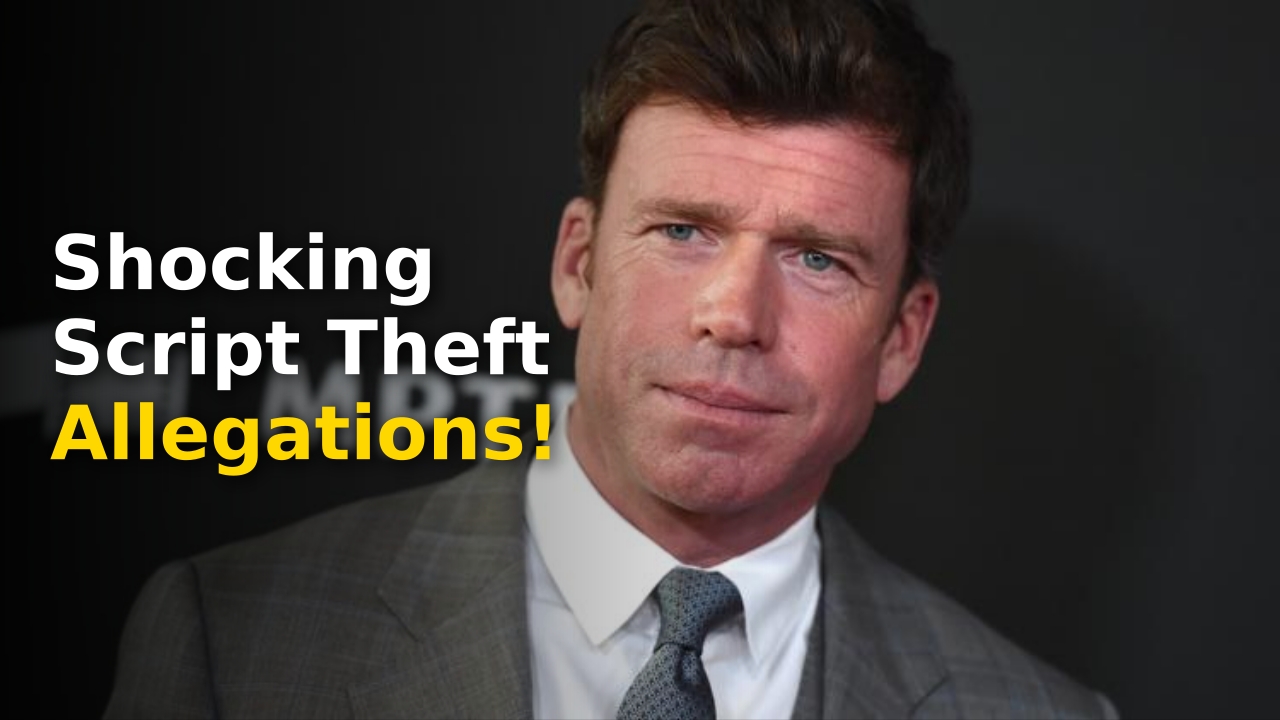
You might think the Dutton family faces their biggest threats from ruthless land developers and political rivals, but the real-life Yellowstone Lawsuit currently unfolding in the legal system might be the show’s most dangerous enemy yet.
A screenwriter named Lauren Salkin has officially filed a lawsuit against Taylor Sheridan, Paramount Global, and 101 Studios, alleging that the record-breaking television series was built entirely from a pitch she submitted and saw rejected in 2016.
The core of this legal firestorm centers on the claim that the narrative structure, character dynamics, and thematic essence of the show were lifted directly from Salkin’s original creative work. This Yellowstone Lawsuit seeks to hold some of the most powerful figures in Hollywood accountable for what she describes as blatant intellectual property theft.
Origins of the Yellowstone Lawsuit
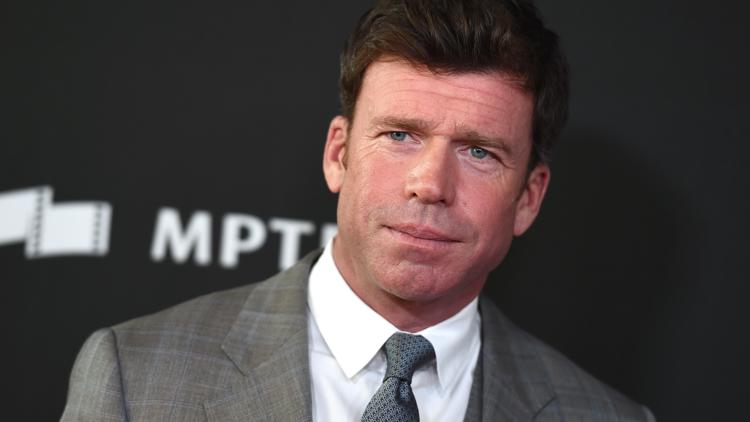
The backstory of this legal battle dates back nearly a decade, to a time before Taylor Sheridan became the undisputed king of modern Western television. According to the court documents, Lauren Salkin developed a series concept titled “The West” which she believed had the potential to redefine the genre for a modern audience.
She alleges that she presented this detailed pitch to executives at 101 Studios, specifically targeting those who had a direct line to Taylor Sheridan. At the time, Sheridan was transitioning from a successful acting career into a high-profile screenwriter known for films like Sicario and Hell or High Water.
Salkin claims her pitch contained the specific DNA that would eventually become the foundation for the Dutton family saga. From the concept of a multi-generational ranching empire to the specific interpersonal conflicts between siblings, she asserts that the similarities are far too specific to be a mere coincidence.
The Yellowstone Lawsuit highlights the vulnerability that many independent writers face when pitching ideas to major studios without the protection of a massive agency. It raises questions about how many hit shows might actually have origins outside the credited creator’s mind.
For Taylor Sheridan, who has built a reputation as a “lone wolf” writer capable of churning out entire seasons of television single-handedly, these allegations strike at the heart of his professional brand. His fans admire his work for its gritty realism and unique voice, which makes these claims of plagiarism particularly jarring.
The legal team representing Salkin is reportedly looking into communication logs and meeting notes from 2016 to prove that the defendants had “access” to her material. Access is a critical component in copyright law, and proving it could be the key to winning this Yellowstone Lawsuit.
Key Allegations in the Complaint
- Submission of a series pitch titled “The West” to 101 Studios in late 2016.
- Claims that character archetypes in Yellowstone mirror Salkin’s pitch exactly.
- Allegations that the “ranch-as-a-kingdom” central theme was stolen.
- Accusations against executive David Glasser for facilitating the exchange of ideas.
- Request for significant financial damages and a share of the show’s massive profits.
Inside the Salkin Allegations
When you look closer at the specifics of the Yellowstone Lawsuit, the details become increasingly complex. Salkin isn’t just claiming that the show is “similar” to her idea; she is claiming that the very soul of the series was harvested from her 2016 documents.
One of the most striking aspects of her claim involves the character of the family patriarch. She describes a character in her pitch who shares a nearly identical moral compass and world-weary outlook to John Dutton, played famously by Kevin Costner.
The lawsuit also points to the “outsider” perspective of the family’s youngest son. In Salkin’s version, this character allegedly served as the audience’s window into the brutal world of high-stakes ranching, a role that Kayce Dutton serves in the actual show.
Paramount and 101 Studios have a lot to lose if these claims gain traction in a courtroom. Yellowstone is not just a show; it is a billion-dollar franchise that has spawned multiple prequels like 1883 and 1923, along with upcoming sequels and spin-offs.
If the Yellowstone Lawsuit succeeds, it could potentially entitle Salkin to a percentage of the entire franchise’s earnings. This would be a catastrophic financial blow to the studio and could complicate the rights for future iterations of the series.
Industry insiders are watching the case closely to see how Taylor Sheridan responds. Known for his blunt personality, Sheridan has yet to release a detailed public statement, but his legal team is expected to fight the charges aggressively, citing his established track record as a writer.
The Role of David Glasser
David Glasser, the CEO of 101 Studios, is a central figure in this narrative. He has been a long-time collaborator with Sheridan, helping to build the “Sheridan-verse” that dominates the Paramount+ streaming service today.
Salkin alleges that she trusted Glasser and his team with her creative property, only to see it used as a blueprint for another project. This type of allegation is common in Hollywood, but rarely does it involve a property as massive as Yellowstone.
Glasser’s reputation as a hitmaker is on the line. If it is proven that he knowingly passed a rejected pitch to a different writer, the ethical fallout could be more damaging than the financial penalties.
Copyright law often hinges on the difference between an “idea” and the “expression” of that idea. Ideas like “a ranching family fighting to keep their land” are generally considered public domain, but the specific way that story is told is protected.
The Yellowstone Lawsuit will likely hinge on whether Salkin can prove that Sheridan took the specific “expression” of her ideas. This includes unique plot points, specific dialogue beats, and distinct character arcs that are not found in other Westerns.
Legal experts suggest that these cases often end in private settlements to avoid the embarrassment of a public trial. However, given the high stakes and Sheridan’s temperament, this could be a rare case that goes all the way to a jury.
Intellectual Property Legal Hurdles
Navigating the legal waters of Hollywood is a nightmare for most writers. This Yellowstone Lawsuit highlights a systemic issue where the line between inspiration and theft is often blurred by the sheer volume of content produced each year.
To win a copyright infringement case, a plaintiff must prove two things: ownership of a valid copyright and that the defendant copied constituent elements of the work that are original. Salkin’s legal team must demonstrate that her 2016 pitch was uniquely original.
The defense will likely argue that Yellowstone is a modern take on Shakespearean themes or classic Western tropes that have existed for over a century. They might point to King Lear or Dallas as closer influences than Salkin’s pitch.
Another major hurdle is the “Scènes à faire” doctrine. This legal principle states that certain elements of a genre are indispensable and therefore cannot be copyrighted. For a Western, this includes horses, wide-open landscapes, and property disputes.
Salkin’s lawyers will have to move beyond these tropes and find the “fingerprints” of her specific writing style within the Yellowstone Lawsuit. This often requires hiring forensic literary experts to compare the two works side-by-side.
Check out more industry news at Bright Celebrity for the latest updates on how this case might impact the future of the show’s production and the streaming landscape.
Yellowstone Lawsuit Comparison Data
To understand the weight of these allegations, it helps to look at the timeline of events. The Yellowstone Lawsuit isn’t just about a single moment; it is about a series of interactions that allegedly led to the creation of a television juggernaut.
The following table outlines the key milestones in the development of the show and the overlapping timeline claimed by Lauren Salkin. This data provides a clearer picture of why the plaintiff believes she has a legitimate claim to the throne.
| Year | Event / Milestone | Alleged Involvement |
|---|---|---|
| 2016 | Lauren Salkin pitches “The West” | Submitted to 101 Studios |
| 2017 | Yellowstone officially greenlit | Paramount Network picks up series |
| 2018 | Series Premiere | Show becomes a massive cable hit |
| 2023 | Legal discovery begins | Salkin builds her case with lawyers |
| 2024 | Official Lawsuit Filed | Court proceedings and public filing |
Looking at the Wikipedia page for Yellowstone, the show is credited solely to Taylor Sheridan and John Linson. If Salkin wins, this historical record could be rewritten to include her name or at least acknowledge her contribution.
The financial scale of the Yellowstone Lawsuit is staggering. With licensing deals, merchandise, and international distribution, the total revenue generated by the property is estimated in the billions. A even a small percentage of that would be a life-changing sum for an independent writer.
Furthermore, the lawsuit seeks to address the “emotional distress” and “reputational damage” caused by seeing her life’s work credited to someone else. This is a common sentiment in plagiarism cases, where the creator feels erased from their own narrative.
Hollywood History of Script Theft
The Yellowstone Lawsuit is not the first time a major creator has faced allegations of script theft. In fact, Hollywood has a long and storied history of legal battles over successful properties.
One of the most famous cases involved the movie Coming to America. Art Buchwald sued Paramount, claiming the film was based on a treatment he had written. Buchwald eventually won a settlement after proving the studio had used his ideas without compensation.
James Cameron faced similar lawsuits over Avatar and The Terminator. While he successfully defended most of these claims, they highlight how common it is for high-grossing projects to attract legal scrutiny from writers who feel they were overlooked.
The reality is that many scripts go through hundreds of hands before they reach the screen. In the development process, ideas are blended, polished, and reshaped, making it incredibly difficult to pinpoint the exact moment of creation.
However, the Yellowstone Lawsuit is unique because of Taylor Sheridan‘s specific brand. He has frequently spoken about his writing process, claiming to write in a “vacuum” without a traditional writers’ room. This makes it harder to blame a rogue staffer for any similarities.
If Sheridan didn’t have a room of writers to act as a buffer, any similarities found between the show and Salkin’s pitch would point directly to him. This puts him in a high-risk position compared to other executive producers who rely on large teams.
The Impact on Sheridan’s Net Worth
While we won’t know the exact impact until the trial concludes, the Yellowstone Lawsuit could potentially affect Taylor Sheridan’s Net Worth 2026 projections. Currently worth hundreds of millions, a massive settlement or lost royalties could dent his financial empire.
Sheridan has significant investments in ranch land and livestock, much like the characters he writes about. His brand is built on authenticity, and a court ruling that suggests his flagship show was stolen could tarnish that image and reduce his leverage in future contract negotiations.
Paramount Global is also under pressure. The company is currently exploring merger options and dealing with a shifting media landscape. A multi-year legal battle over their most valuable asset is the last thing their shareholders want to see.
According to his IMDb profile, Sheridan has dozens of projects in various stages of development. It remains to be seen if he will have to step away from his creative duties to focus on the legal defense of this Yellowstone Lawsuit.
The outcome of this case will set a precedent for the industry. If Salkin wins, it may encourage other writers to come forward with their own stories of rejected pitches that suspiciously turned into blockbuster hits.
Future of the Yellowstone Lawsuit
As we look toward the future, the Yellowstone Lawsuit is likely to remain in the headlines for months, if not years. The discovery phase alone will involve thousands of emails, phone records, and early drafts of the pilot episode script.
Fans of the show are divided. Some remain fiercely loyal to Sheridan, believing his voice is too unique to be copied. Others are more skeptical, pointing to the often-cutthroat nature of the entertainment business where survival of the fittest often means taking what you can get.
The timing of the lawsuit is also significant. With Yellowstone Season 5 Part 2 serving as the conclusion to the main series, the legal battle marks the end of an era in more ways than one. It casts a shadow over what should be a celebratory final run for the cast and crew.
Regardless of the final verdict, the Yellowstone Lawsuit has already succeeded in starting a conversation about creator rights in the streaming age. It serves as a stark reminder that even the most powerful figures in television are not above the law.
We will continue to monitor the court filings and provide updates as more information becomes available. The battle for the soul of the Dutton ranch is no longer just happening on the hills of Montana—it is happening in a courtroom in front of a judge.
Bottom line, the Yellowstone Lawsuit is a high-stakes drama that rivals anything Taylor Sheridan has written for the screen. Whether Salkin is vindicated or the case is dismissed, the legacy of the show will forever be linked to this legal controversy.
More Like This
For more updates, check out our latest entertainment and sports news.