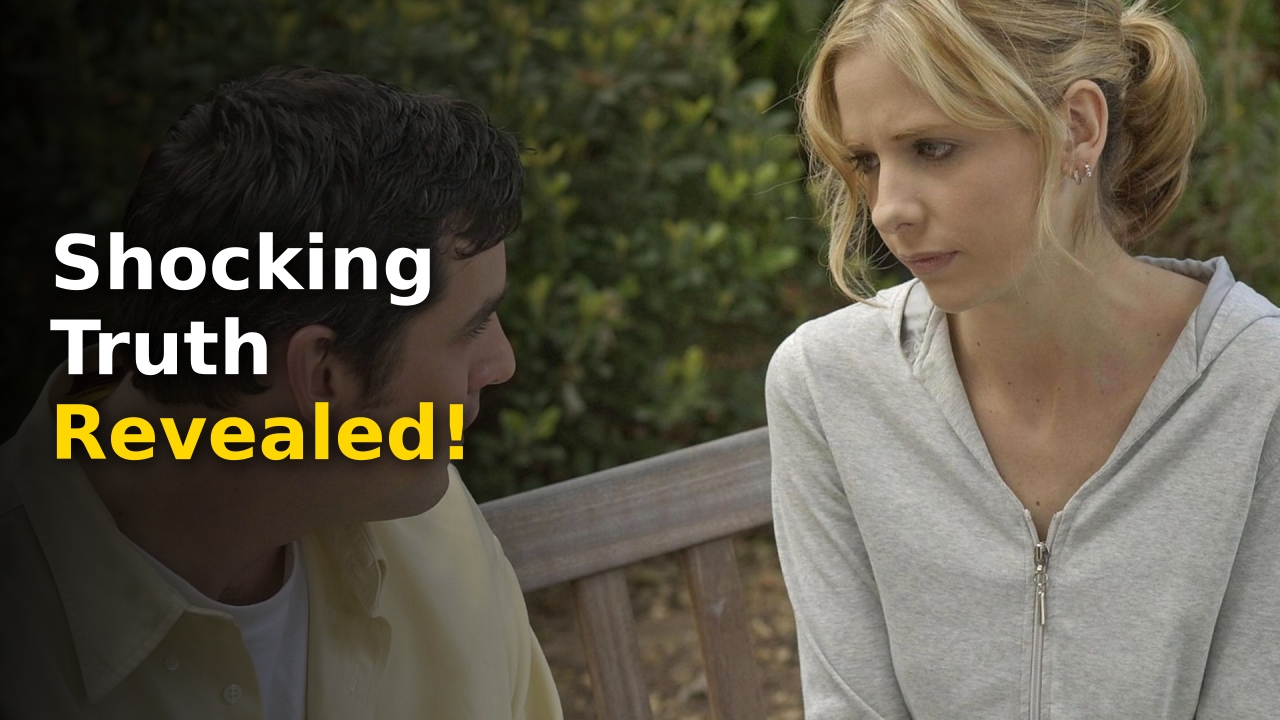
Buffy season represents the most polarizing era in television history, challenging viewers to confront the brutal, unglamorous realities of adulthood hidden beneath a supernatural veneer. For twenty-five years, audiences have debated whether the shift from high school teen drama to gritty, systemic trauma was a narrative misstep or the show’s most courageous creative leap. While the Rotten Tomatoes scores might suggest a slump, a closer look reveals that this season served as the essential crucible for the characters you know and love.
You remember the shift: the move from the WB to UPN brought with it a distinct change in tone. The show abandoned the bright, monster-of-the-week charm of Sunnydale high school for the cold, dark, and often suffocating pressure of real-world struggle. If you ever felt like life was spiraling out of your control, this season was likely a mirror for your own existential dread, reflecting the pain of loss and the heavy cost of being the Chosen One.
Buffy season: A Dark Evolution
The return of the Slayer from the dead was not a miracle; it was a curse. When the Scooby Gang interrupted her peace in Heaven, they didn’t just bring her back to life; they forced her into a world where she felt utterly hollow. This emotional devastation became the heartbeat of the season, proving that the writers were no longer interested in easy victories or clear-cut heroic arcs.
You witnessed Sarah Michelle Gellar embody a version of the Slayer who was genuinely traumatized by her resurrection. Her struggle with depression wasn’t just a plot device; it was a raw, unfiltered look at how someone keeps going when their reason for existing has been stripped away. This internal battle set the stage for everything that followed, from the alienation of Dawn to the collapse of the gang’s support system.
Willow Rosenberg, once the lovable sidekick, underwent a transformation so severe it remains one of TV’s most debated arcs. Her reliance on dark magic served as a heavy-handed, albeit effective, metaphor for the destructive nature of addiction. As you watched her spiral, you saw the toll it took on her relationship with Tara, leading to a heartbreak that felt more real than any vampire attack.

The Trio, consisting of Warren, Andrew, and Jonathan, transitioned from comic relief to the season’s primary antagonists. Their progression into legitimate human villains served as a vital commentary on how entitled, incompetent men can cause immense damage when left unchecked. It shifted the stakes from global apocalypses to the scary, unpredictable nature of human malice.
By the time the final confrontation arrived, you realized that the show had moved past the need for demons to create conflict. The internal rifts, fueled by financial hardship and emotional abandonment, had already done the work. You can find more pop culture retrospectives that dive deep into how these shifts impacted the industry at large during the early 2000s.
Key Narrative Shifts
- The transition from mystical to human threats.
- The exploration of clinical depression and survivor’s guilt.
- The destruction of established romantic archetypes.
- The rise of systemic, addiction-based character flaws.
Buffy Season Analysis and Impact
The legacy of this controversial era is cemented by its willingness to alienate its audience. By forcing the cast to face their ugliest moments—Anya’s return to vengeance, Giles’ departure to England, and the toxic dynamic between Buffy and Spike—the writers ensured that no character remained static. This wasn’t just a show about killing vampires; it was an encyclopedia of human suffering and eventual endurance.
When you revisit the musical episode, “Once More, With Feeling,” you see the brilliance of this risk-taking. It wasn’t just a quirky gimmick; it was a narrative necessity that allowed the characters to vocalize their deepest secrets. The show proved that even in its bleakest, most criticized hours, it could still produce a piece of television history that stands among the all-time greatest episodes ever produced.
The depiction of Spike remains one of the most divisive elements. His obsession with the Slayer and the subsequent attempted assault scene changed the way fans viewed him forever. It was a dark, jarring, and difficult moment, but it served to peel back the layers of his character, reminding you that he was, at his core, a monster who wanted to be something more.
You might wonder why it feels so different from the college years. The answer lies in the total abandonment of hope as a default setting. Every choice had a consequence, and every consequence was permanent. This level of storytelling paved the way for the prestige television era we live in today, where protagonists are expected to be deeply, irrevocably flawed.
When Tara died, it wasn’t just a loss of a character; it was the final destruction of the show’s innocence. Willow’s reaction—her descent into the dark magic void—was the only logical conclusion for a person who had lost their moral compass and their soulmate in one stroke. It was uncomfortable, yes, but it was essential for the character’s eventual path toward redemption.
This season forced the Scooby Gang to confront the fact that they were no longer a unit held together by high school loyalties. They were individuals with competing interests, differing levels of emotional baggage, and distinct goals. As they grew apart, the tension became palpable, making their final reunion in the last season feel earned rather than forced.
Comparison of Series Milestones
| Era | Primary Conflict | Emotional Core |
|---|---|---|
| High School Years | Supernatural Demons | Adolescent Discovery |
| College Era | Identity Crisis | Transition Anxiety |
| The Darkest Season | Systemic Trauma | Adult Despair |
Final Thoughts on the Legacy
Reflecting on these twenty-five years, it becomes clear that Buffy season was ahead of its time. It dared to ask what happens when the hero doesn’t just win, but loses a piece of themselves in the process. It wasn’t always an easy watch, but it remains a masterclass in character development, proving that greatness often arises from the most controversial of circumstances.
You are left with a season that defines the transition from youth to the cold reality of the adult world. While it may have been messy, it was, without question, one of the most honest depictions of human struggle ever aired. Whether you hated the darkness or embraced it, you can’t deny that the series would be fundamentally lesser without it.
More Like This
For more updates, check out our latest entertainment and sports news.