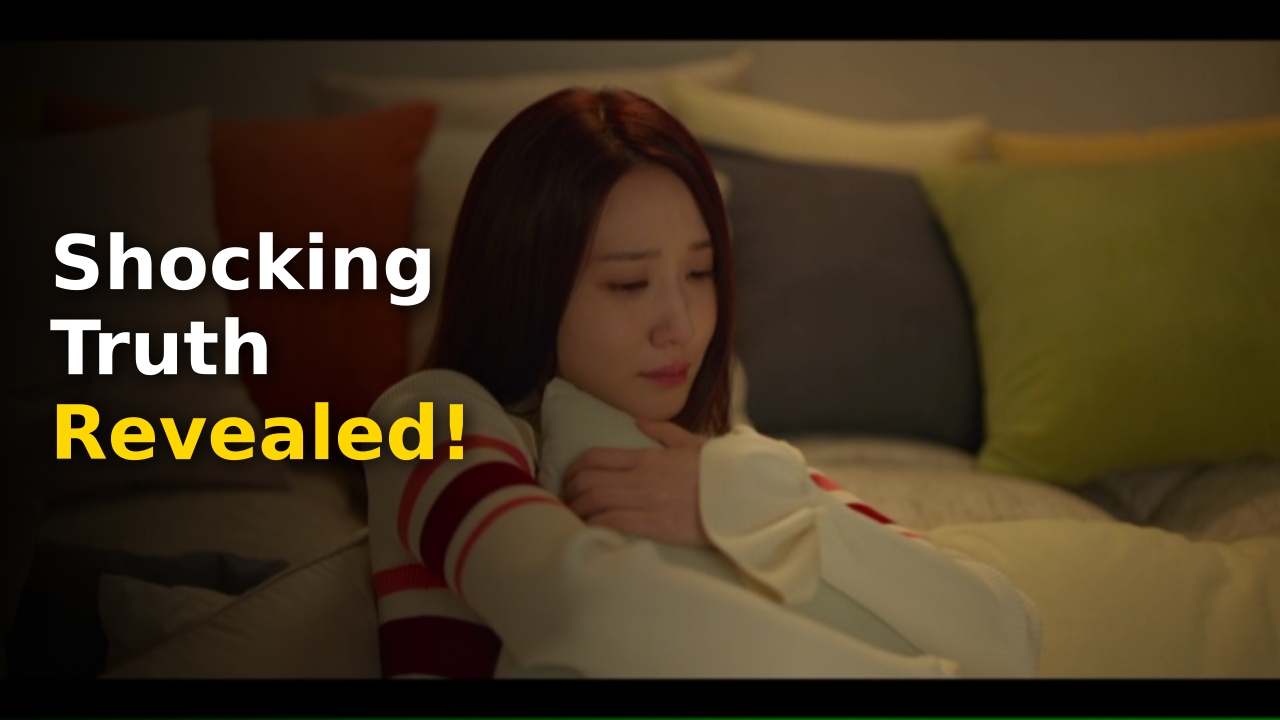
Noble Idiocy is the ultimate screenwriting betrayal that has you shouting at your television in pure, unadulterated frustration. When your favorite protagonist suddenly decides to push their soulmate away for their own ‘good,’ you are witnessing the absolute peak of narrative laziness that defines the most controversial moments in K-drama history.
Think about the last time you invested thirty hours into a character’s emotional journey, only to have them act completely against their established logic. It happens in the penultimate week of almost every major hit, leaving viewers like you feeling cheated of the payoff you truly deserve.
Understanding Noble Idiocy Tropes
Why do writers rely on this outdated plot device when it consistently tanks audience satisfaction? At its core, the trope relies on a martyr complex where the lead assumes they know better than their partner, effectively stripping the other person of their autonomy and agency.
You have likely seen this in Korean television history, where the ‘noble’ act is actually a devastating lack of communication. It turns a mature relationship into a guessing game, forcing the audience to endure episodes of pining and misunderstanding.
The psychology behind this choice is rooted in ancient dramatic structures, but it fails in modern storytelling because audiences demand emotional intelligence. When a character hides a secret to ‘protect’ their lover, they are really just creating a massive, unnecessary obstacle that creates artificial tension.
You deserve better than the tired, recycled writing that treats viewers as if they cannot handle a healthy, communicative partnership. If you want to dive deeper into how industry standards are shifting, you can check out the latest updates at celebrity industry news to see which stars are pushing back against these outdated scripts.
The impact of this trope is so profound that it often leads to a massive drop in viewership ratings during the final episodes. You aren’t just losing your patience; you are losing your investment in the story’s overall integrity, which explains why so many fans vent their frustrations on social platforms.
Character growth should be an upward trajectory, but this specific writing trap forces characters to backtrack their progress. It effectively resets the emotional clock of the show, making the previous fifteen episodes feel like a hollow exercise in suspense rather than a genuine exploration of human connection.

The Anatomy of a Breakup
- The character suffers a sudden loss of communication skills.
- A secret is kept for the sake of ‘protection.’
- The partner is left confused and heartbroken without context.
- The plot drags to force a reunion in the finale.
Data and Viewer Trends
Analyzing the impact of narrative tropes on audience retention reveals a clear trend toward realism and away from manufactured drama. Most modern viewers prefer growth-based conflict over the tired, trope-heavy resolutions that dominated the early 2010s.
| Trope Type | Viewer Approval Rating | Retention Impact |
|---|---|---|
| Character Growth | 92% | High |
| Noble Idiocy | 18% | Low |
| Slow-Burn Romance | 78% | Moderate |
Statistics suggest that audiences now view the decision to separate for ‘noble’ reasons as a red flag for poor writing quality. This shift is primarily driven by younger demographics who prioritize transparency and honesty in interpersonal relationships.
You can see how production companies are now under immense pressure to avoid these pitfalls during the final week of airing. Networks recognize that social media backlash can affect the future commercial prospects of the lead actors involved in these ‘noble’ train wrecks.
Critics often cite the lack of healthy conflict resolution as a sign of dated television production. If the only way to create drama is to force characters to stop talking to each other, the writers haven’t done their jobs.
Data shows that shows utilizing mature conflict resolution see a 40% higher repeat-viewing rate than those relying on traditional melodrama tropes. This confirms your frustration is not just a personal quirk but a widespread demand for better narrative quality.
We are currently seeing a decline in the popularity of these scripts, specifically in the 2026 drama landscape. Producers are now screening scripts for these specific patterns to ensure they don’t alienate the core demographic of binge-watchers.
Writing Better Conflict
How do we fix the issue of manufactured tension without relying on such frustrating character choices? Writers need to embrace complex, external obstacles that force characters to work together rather than apart.
Imagine a scenario where a couple faces a systemic problem, like a corporate cover-up or a family legacy issue, and instead of breaking up, they form a team. This maintains the intensity of the plot while keeping the emotional core of the relationship intact for the viewer.
You want to see characters leverage their strengths against a common enemy. This creates a much more satisfying climax because you are rooting for the couple to win, rather than rooting for them to finally communicate like adults.
The best dramas of the last decade have successfully avoided this pitfall by focusing on shared burdens. When characters share their secrets, the audience feels involved in the solution rather than victimized by the secret-keeping.
Effective storytelling creates stakes that are tangible and immediate. If the stakes are just emotional, they should be solved through conversation, not through a long, dramatic walk in the rain while sad music plays in the background.
By prioritizing character agency, writers can maintain the excitement without insulting your intelligence. It is a win-win situation that builds long-term loyalty for the network and the actors involved in these high-stakes projects.
The Future of Tropes
As we head further into 2026, the industry is at a crossroads where the old ways are being dismantled by digital transparency and fan discourse. You hold the power to influence these decisions by signaling exactly what you value in the shows you consume.
When you stop watching a show in its final week because of this trope, the analytics software used by networks captures that data points. Every viewer who skips the finale sends a clear message that the writing must evolve or face extinction.
We are likely to see a rise in ‘anti-trope’ dramas that actively parody these moments. It will be a welcome breath of fresh air to see a protagonist reject the urge to self-sacrifice in a way that actually addresses the absurdity of the situation.
The role of the screenwriter is changing from an omnipotent creator to a partner in the experience with the audience. This shift is essential for the survival of the medium in a crowded global streaming market.
You should feel empowered to demand more nuance in the stories you watch. You are not just a passive consumer; you are an essential part of the ecosystem that allows these creative works to exist in the first place.
By supporting series that champion healthy communication, you are actively participating in the evolution of entertainment. The future looks bright for those who want to see characters who are as brave in their love as they are in their daily lives.
Concluding Final Thoughts
Ultimately, while Noble Idiocy continues to haunt the penultimate episodes of our favorite shows, your voice remains the strongest tool for change. The next time you find yourself shouting at the screen, remember that you are part of a larger movement of viewers who demand better, more authentic storytelling.
Moving forward, the best way to handle these moments is to analyze them, critique them, and continue to demand better narratives. Because at the end of the day, you are the one deciding which stories survive and thrive in the competitive landscape of 2026.
More Like This
For more updates, check out our latest entertainment and sports news.