Middle East tensions are currently reaching a breaking point as Iranian officials issue dire warnings regarding a potential escalation of the ongoing regional conflict. You might be wondering how these geopolitical maneuvers impact your daily life, but the reality is that the stability of global oil routes and diplomatic relations hangs in a delicate balance. As the world watches, the intersection of economic warfare and military posturing creates an environment where one wrong move could trigger a much larger confrontation.
The current situation serves as a stark reminder of how quickly peace can deteriorate when communication lines fail and economic sanctions tighten. By examining the recent rhetoric from Tehran and the retaliatory steps taken by Washington, you can better understand the precarious nature of international diplomacy in 2026. This analysis breaks down the most critical updates emerging from the Persian Gulf.
The Middle East Power Struggle
The recent statements by Mohsen Rezaei, the hard-line head of Iran’s Supreme National Security Council, indicate a shift toward an increasingly aggressive posture. By labeling any foreign support for U.S. economic measures as an act of war, Tehran is effectively drawing a line in the sand. You should note that this rhetoric coincides with a period of intense economic strain as Iran attempts to navigate the aftermath of nearly six months of active conflict.
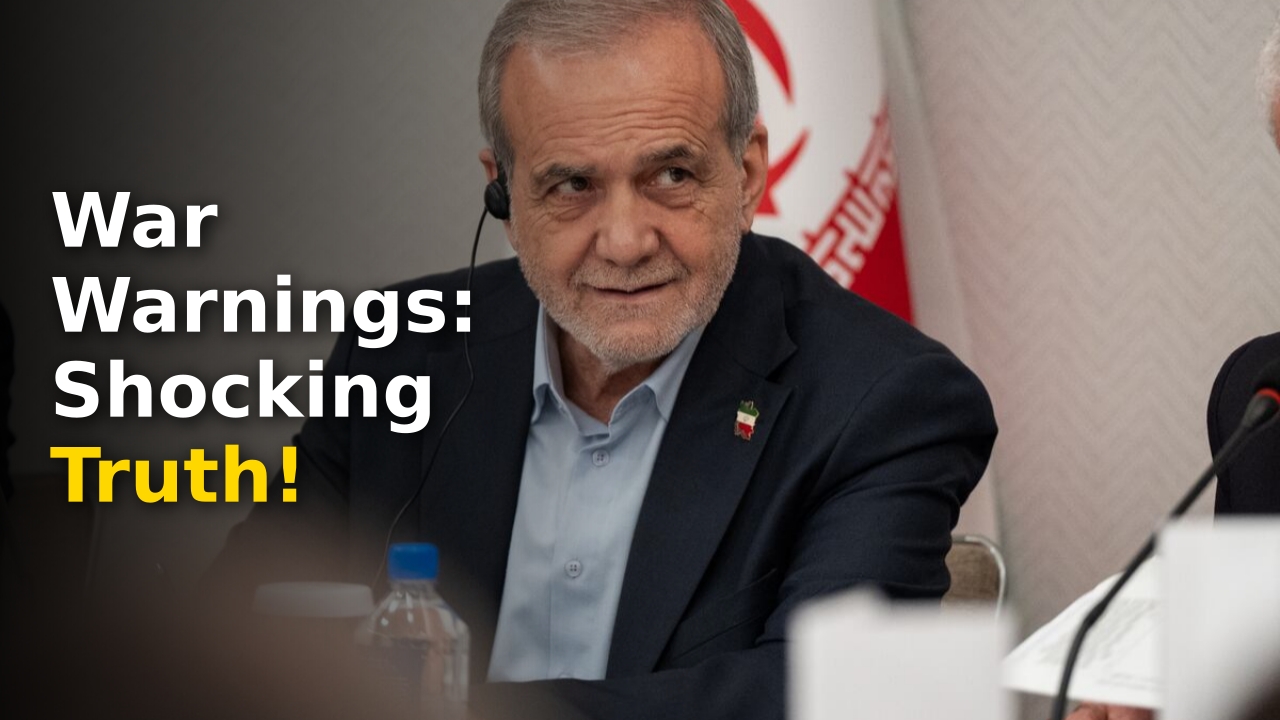
President Masoud Pezeshkian continues to defend the mid-June memorandum of understanding, presenting it as the most viable path to peace. He argues that this document is not a sign of capitulation, but rather a strategic necessity to stabilize the economy. Despite his insistence, the failure to extend the 60-day window for nuclear and peace negotiations leaves a dangerous vacuum in regional authority.
The role of the Persian Gulf Strait Authority has become a focal point of recent friction. By creating a list of vessels subject to transit restrictions, Iran is flexing its control over these vital maritime arteries. This creates a direct challenge to the multinational coalition managed by the U.S. Navy. For more insights on global leadership transitions and their impact on international markets, check out the resources at current geopolitical analysis.
Military posturing remains a constant threat, even when direct attacks subside. The U.S. Treasury, led by Scott Bessent, is actively pursuing an strategy of economic isolation. You are seeing the implementation of what the administration calls unprecedented economic warfare, designed to neutralize Iran’s capacity to fund regional operations. This financial pressure is being felt across the Iranian economy, affecting everything from energy exports to domestic trade.
Historical context is vital here, as the Strait of Hormuz has served as a global energy bottleneck for decades. When you look at the current blockage, it is clear that the economic consequences for the global energy market are substantial. The decision to redirect over 70 commercial ships highlights the tangible impact these hostilities have on everyday logistics and supply chains.
As you process these updates, it becomes clear that the diplomatic efforts involving Pakistan’s army chief Asim Munir represent a final attempt at de-escalation. By facilitating talks in Tehran, these regional players hope to avoid a full-scale conflict. Whether these mediation efforts succeed depends largely on the willingness of both Washington and Tehran to compromise on core security demands.

Key Regional Stakeholders
- Mohsen Rezaei: Leading the hard-line security shift for the Iranian government.
- Masoud Pezeshkian: Promoting the mid-June memorandum as a path out of the conflict.
- Scott Bessent: Orchestrating the new U.S. economic warfare strategy against Tehran.
- Asim Munir: Leading the Pakistani delegation to seek a de-escalation of regional tensions.
Data and Regional Impact
Understanding the gravity of this situation requires looking at the raw data surrounding recent military and economic encounters. The following table highlights the key metrics of the conflict as observed during the most recent monitoring period.
| Incident Type | Status/Statistic |
|---|---|
| Redirected Commercial Ships | Over 70 vessels |
| Disabled Iranian Ports | 3 primary locations |
| Negotiation Window | Expired with no extension |
| Conflict Duration | Approx. 6 months |
The human cost of these policies is deeply concerning, with reports of continued violence in the West Bank and Gaza. The death of a 14-year-old in the Askar refugee camp and the ongoing struggle of residents like Saeed Muhammad Ibrahim Rabah illustrate the desperate situation on the ground. These individual stories often get lost in the macro-level analysis, yet they are the most important metric of all.
As you observe the Middle East navigate these challenges, keep in mind that the intensity of these actions often correlates with domestic political pressures within each involved nation. The judiciary’s recent execution in Tehran is a signal to internal dissenters that the state remains committed to its hard-line policies. Every action taken by the military, whether in Gaza or the Strait of Hormuz, is carefully calculated to project strength both internally and externally.
You must also consider the role of external organizations and international legal frameworks that aim to monitor these conflicts. While their influence is currently limited, they provide the necessary documentation to hold regimes accountable. Monitoring the long-term impact on global shipping, the cost of oil, and humanitarian safety is essential for any observer of international affairs.
The escalation of violence in Gaza, where children continue to be caught in the crossfire, remains an unhealed wound. When Defense Minister Israel Katz issues orders to target even small-scale provocations, it signifies a low threshold for engagement. This environment of total war leaves almost no room for the diplomacy that President Pezeshkian claims to seek.

Recent Security Developments
- The U.S. Navy continues to enforce a strict blockade of Iranian port facilities.
- Israel has implemented a “forceful” policy against all airborne threats from Gaza.
- The Iranian judiciary maintains a strict stance against protesters and espionage suspects.
- Multinational mediation efforts have yet to find a compromise on the nuclear program.
Final Thoughts on Regional Stability
The path forward remains fraught with peril, but the necessity for a diplomatic breakthrough has never been clearer. As Middle East tensions continue to simmer, the international community faces the daunting task of preventing a broader regional conflagration. Whether through the direct involvement of regional brokers like Pakistan or a change in policy from Washington, the clock is ticking toward a critical juncture.
You are witness to a historical shift where old alliances are being tested and new threats are emerging daily. By staying informed and critically analyzing the statements coming out of both the White House and the Supreme National Security Council, you are better equipped to understand the complexities of this evolving conflict. Ultimately, peace will depend on whether leaders can transcend the rhetoric of war and find the courage to prioritize human stability over geopolitical posturing.
More Like This
For more updates, check out our latest entertainment and sports news.