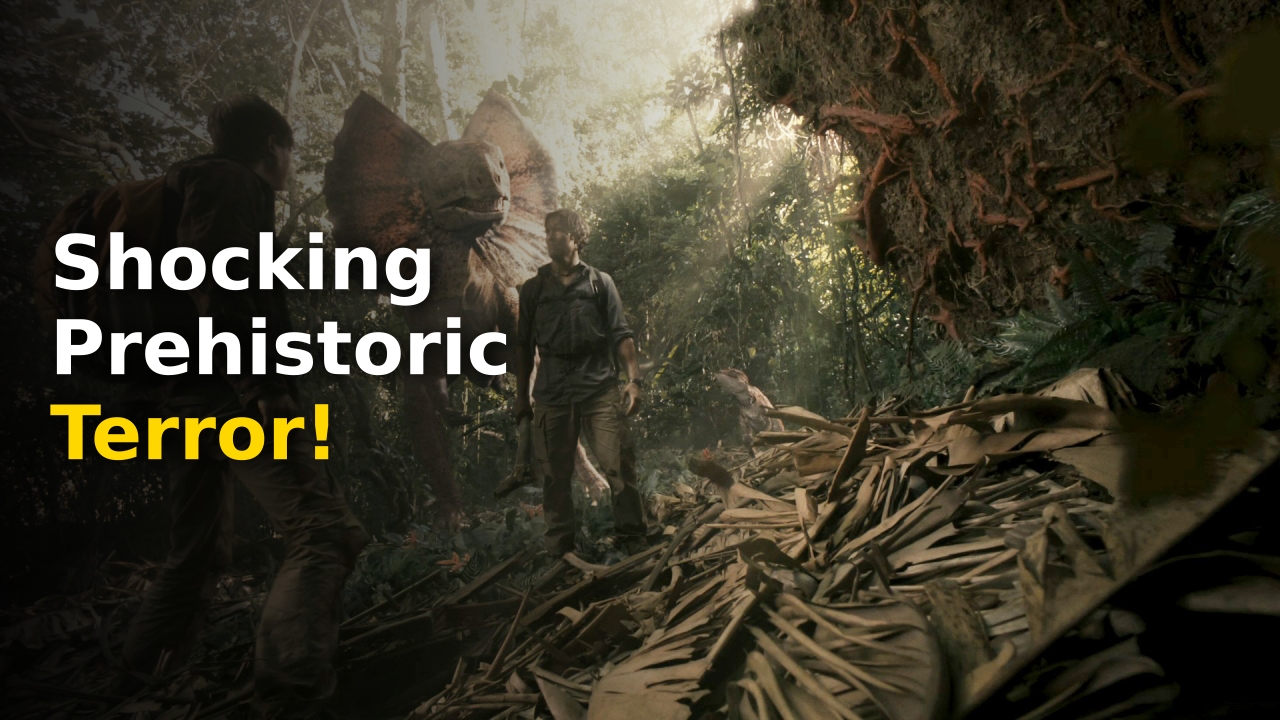
Could you survive if you were suddenly hunted by the prehistoric beasts featured in the Dinosaur Project (2012)? You will find yourself on the edge of your seat as this hidden gem takes you deep into uncharted territory with a terrifying found-footage format. Critics and genre enthusiasts still debate whether this film deserves a spot next to the greatest creature features of all time.
Let us dive deep into the untamed wilderness of the Congo to uncover how this low-budget survival thriller became a cult phenomenon. Grab your camera, keep your eyes peeled, and prepare to face the ancient horrors that time forgot.
Dinosaur Project Horror Roots
When director Sid Bennett set out to create this masterpiece, he did not originally plan to use the shaky-cam style. However, embracing the Dinosaur Project format allowed the production team to deliver intense realism. You are immediately thrust into the lives of a documentary crew searching for the mythical Mokele-mbembe.
This legendary water-dwelling beast has been the focus of African folklore for centuries. By choosing a raw, documentarian aesthetic, the filmmakers made the impossible feel entirely plausible. Every glitch in the camera lens heightens the sense of impending doom.
Many viewers still compare the gritty realism of the Dinosaur Project to major Hollywood blockbusters. The film strips away the polished Hollywood sheen to give you a front-row seat to pure, unadulterated panic. It forces you to ask how you would react if the food chain suddenly flipped.
The project was shot primarily in South Africa, using stunning natural backdrops that perfectly mimic the dense jungles of the Democratic Republic of Congo. This choice of location added an authentic layer of isolation and dread to the entire production. The actors had to brave real wilderness conditions to capture the raw physical tension.
By using hand-held cameras and head-mounted rigs, the actors became their own cinematographers. This technique created an intimate, claustrophobic atmosphere that traditional filmmaking simply cannot replicate. You are not just watching the terror; you are actively experiencing it alongside the characters.
Sound recordists and production crews worked tirelessly in the sweltering heat to capture genuine wilderness sounds. The ambient noise of clicking insects and rustling leaves grounds every single frame in terrifying reality. It makes you feel like you are stepping directly into a living, breathing ecosystem.
Found Footage Movie Comparisons

While *Jurassic Park* relies on sweeping cinematic vistas, the Dinosaur Project keeps you trapped in tight spaces with apex predators. The film relies on the fear of the unseen, utilizing dense foliage and muddy rivers to hide its terrifying monsters. This contrast makes the survival elements feel far more desperate and immediate.
Comparing this indie hit to classics like *The Blair Witch Project* reveals a fascinating evolution of the found-footage subgenre. Instead of relying solely on suggestion and off-screen noises, this movie dares to show its creatures in broad daylight. This bold move paid off by creating some of the most memorable visual scares of the 2010s.
The pacing mirrors the chaotic energy of *Cloverfield*, keeping the narrative moving at a breakneck speed. Once the expedition’s helicopter crashes, the film rarely gives you a chance to catch your breath. The relentless momentum ensures that the tension never dissipates.
You can discover more fascinating insights about upcoming sci-fi trends and celebrity film retrospectives over on the BrightCelebrity entertainment portal. The site offers comprehensive lookbacks at classic horror hits that deserved more box-office love during their initial theatrical runs.
Another key difference is how technology is integrated into the plot. The characters use state-of-the-art tracking equipment, night-vision cameras, and remote-controlled drones to map out their surroundings. This technological angle adds a modern, tactical layer to the traditional survival-horror formula.
Ultimately, this film serves as a masterclass in stretching a modest budget to its absolute limits. While big-budget blockbusters rely on endless green screens, this production utilized real physical elements to ground its high-concept premise. The result is a film that feels remarkably tactile and visceral.
The Congo Expedition Crew
The emotional core of the film rests on the shoulders of its talented cast. Actor Richard Dillane delivers a powerful performance as the hardened expedition leader, Jonathan Marchant. His determination to find scientific proof of prehistoric life drives the entire narrative forward.
Alongside him is Peter Brooke, who plays the reliable pilot, and Matt Kane, portraying the rebellious teenage son who sneaks onto the helicopter. The strained dynamic between father and son adds a layer of human drama to the sci-fi chaos. You find yourself genuinely rooting for their survival as the wilderness closes in.
Cryptid Sightings
- The elusive Mokele-mbembe, a sauropod-like creature rumored to inhabit the deep swamps of Central Africa.
- The aggressive flying reptiles that swarm the expedition crew during a terrifying mountain crossing.
- A pack of small, nocturnal theropods that display highly intelligent pack-hunting behaviors.
- The massive aquatic predators that turn the river into a deadly gauntlet for the surviving cast members.
As the crew travels down the dangerous Congo River, the dread of the Dinosaur Project setup begins to slowly sink in. The hostile environment is just as much of a character as the dinosaurs themselves. From treacherous river rapids to toxic swamp gases, the Congo jungle presents constant physical threats.
The film does an excellent job of showing the psychological toll of isolation. As communication with the outside world is completely cut off, panic begins to fracture the team. You watch as professional scientists slowly turn on one another in a desperate bid to survive.
Screenwriters carefully crafted the dialogue to sound completely unscripted, heightening the documentary feel. The actors were encouraged to improvise their reactions during high-intensity scenes to capture genuine shock. This experimental approach paid off by delivering incredibly authentic performances.
The cinematography captures the vast scale of the African continent while simultaneously making you feel utterly trapped. Sweeping aerial shots of the canopy contrast beautifully with the tight, muddy POV camera angles on the ground. It highlights just how small and helpless humans are in the grand scheme of nature.
Unmasking the CGI Magic
Creating believable extinct creatures on an indie budget was the biggest hurdle for the Dinosaur Project crew. The visual effects team relied on a clever mix of practical puppetry and digital rendering. This hybrid approach allowed the actors to interact naturally with their digital co-stars.
Many CGI artists still praise how the Dinosaur Project handled lighting and shadow in dense jungle scenes. By matching the erratic hand-held camera movements, the digital artists successfully masked any visual imperfections. The creatures seamlessly blend into the chaotic, rain-drenched environments.
The sound design also plays a massive role in selling the illusion. Every rustle of the leaves, distant roar, and wet footprint was meticulously crafted to build auditory dread. You will find yourself scanning the corners of the screen just based on the terrifying soundscape alone.
Special attention was paid to the behavioral patterns of the dinosaurs. Instead of portraying them as mindless monsters, the film treats them as actual wild animals. They hunt for food, protect their young, and react with genuine curiosity to human technology.
This scientific groundedness is inspired by real-life cryptozoology expeditions that have searched the Congo for decades. By tying the movie’s lore to real-world legends and historical search missions, the story gains an extra layer of chilling authenticity. It makes you wonder what mysteries might actually be hiding in the unexplored corners of our planet.
The climax of the film features some of the most impressive CGI sequences of its era. The frantic camera work and strobe lighting effects create an overwhelming sense of chaos. You are left gasping for air as the final survivors make their desperate stand.
Found Footage Box Office
Looking at the numbers, the commercial viability of the Dinosaur Project proved that audiences had a massive appetite for creature-feature mockumentaries. Released in late August 2012, the movie managed to secure international distribution across several major territories. It found a highly receptive audience in the United Kingdom, Germany, and Japan.
Even when compared to massive studio films, the Dinosaur Project held its own in overseas markets. While it did not break domestic box office records in the United States, its strong home-video sales solidified its status as a profitable venture. The film became a streaming sensation, attracting a new wave of horror fans years after its release.
The success of this film paved the way for other low-budget filmmakers to experiment with high-concept sci-fi. It proved that you do not need a $100 million budget to create an engaging, visually impressive dinosaur film. All it takes is a clever concept, dedicated actors, and an understanding of suspense.
| Film Title | Estimated Budget | Global Box Office | Release Year |
|---|---|---|---|
| The Blair Witch Project | $60,000 | $248.6 Million | 1999 |
| Cloverfield | $25 Million | $172.4 Million | 2008 |
| Trollhunter | $3.5 Million | $5.3 Million | 2010 |
| The Dinosaur Project | $12 Million | $11.9 Million | 2012 |
This financial breakdown highlights how found-footage movies continue to offer incredible returns on investment. While this movie did not reach the staggering heights of major Hollywood franchises, it remains a highly respected financial success story in independent horror cinema.
The film’s longevity is a testament to its unique premise. While many found footage movies from that era have been completely forgotten, this one continues to be discussed in horror forums. It remains a shining example of how to execute a complex sci-fi premise with limited resources.
Industry analysts point to the film’s clever marketing campaign as a major factor in its global reach. The distribution team released viral teasers that framed the footage as real, leaked material from a lost expedition. This mysterious approach generated significant online buzz before the film even hit theatres.
Dinosaur Project Legacy Reborn
Over a decade later, the legacy of the Dinosaur Project continues to grow among horror fans. It stands as a brave, innovative experiment that pushed the boundaries of what found-footage could achieve. The film proved that prehistoric monsters could still terrify audiences without relying on the massive budget of a Hollywood studio.
The movie has inspired several modern indie directors to explore similar creature-feature concepts. Its influence can be seen in various contemporary survival horror video games and independent sci-fi films. The raw, handheld perspective continues to be a powerful tool for generating authentic scares.
Whether you are a die-hard sci-fi fan or a casual moviegoer, giving the Dinosaur Project another watch is highly recommended. It offers a perfect blend of high-concept science fiction, rich practical effects, and atmospheric dread. You will certainly never look at the deep jungles of Africa the same way again.
The film is currently available to stream on various platforms, making it easier than ever for a new generation of viewers to discover its thrills. If you want a movie that keeps you on the edge of your seat from start to finish, look no further than this underrated masterpiece.
Ultimately, the film teaches us that the greatest horrors are often those that defy both logic and time. By bringing extinct apex predators into the modern world through a raw, documentary-style lens, it created a timeless survival story. It remains a high-water mark for independent sci-fi cinema.
So, dim the lights, turn up the volume, and prepare yourself for an unforgettable journey into the heart of darkness. This wild ride is guaranteed to remind you why we fell in love with dinosaur cinema in the first place.
More Like This
For more updates, check out our latest entertainment and sports news.