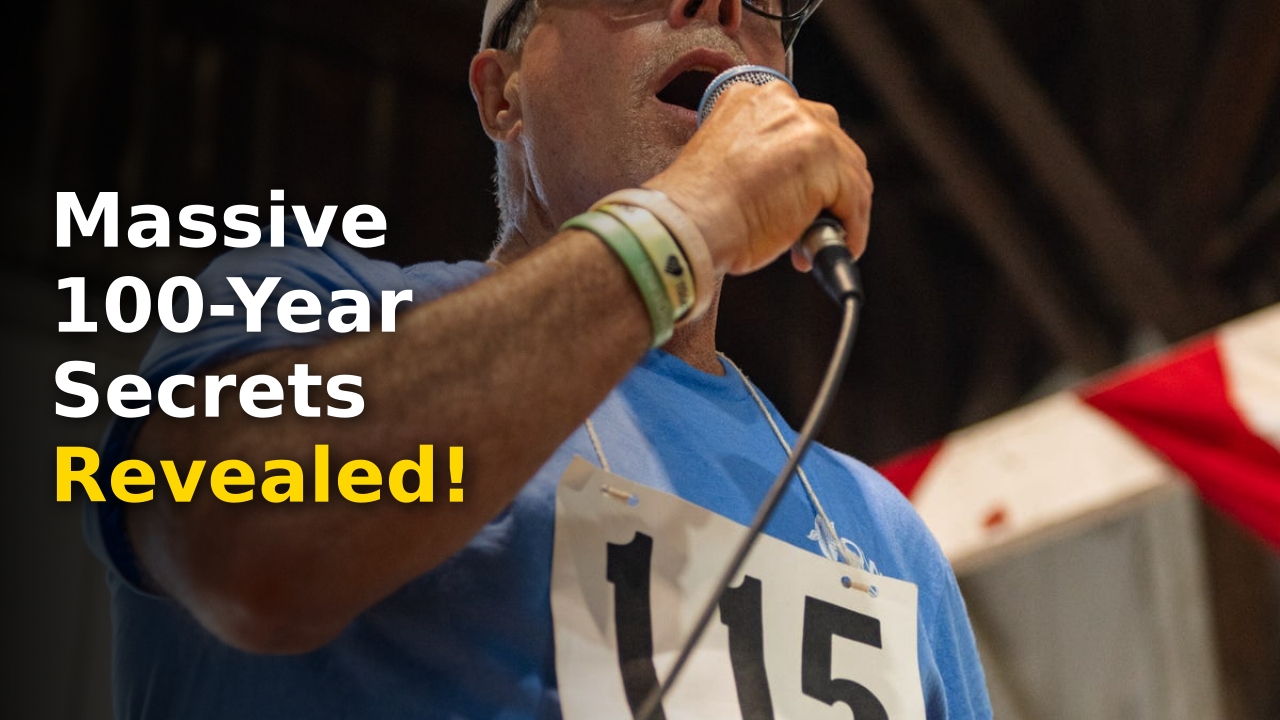
Hog-calling contest enthusiasts converged at the Iowa State Fair on Friday, Aug. 21, 2026, to witness a historic 100th anniversary that pushed vocal cords to the absolute limit. You might think screaming at livestock is a strange way to spend a summer afternoon, but for the residents of Des Moines and beyond, this is a sacred rite of passage that defines the very soul of the Midwest. The atmosphere inside the iconic Pioneer Hall was electric as the echoes of ‘sooie’ resonated off the timber beams, marking a century of rural tradition and competitive spirit.
You are looking at a tradition that began in 1926, a time when calling your animals was a daily necessity rather than a stage performance. This year, the stakes were higher than ever as more than two dozen youths and adults stepped up to the microphone, eyeing the coveted first-place blue ribbon. This wasn’t just about volume; it was about the nuance, the rhythm, and the sheer personality of the call that could convince even the most stubborn boar to head home for dinner.
Hog-calling contest: 100 Years
The centennial edition of the hog-calling contest proved that some traditions only get better with age. For 100 years, this event has served as a cornerstone of the Iowa State Fair, bridging the gap between the state’s agricultural roots and its modern cultural identity. You can feel the weight of history when the first contestant steps onto the stage, knowing they are part of a lineage that stretches back to the post-World War I era. The evolution of the contest has seen it grow from a simple farmer’s tool into a highly technical performance art that attracts national attention.
Walking through the fairgrounds, you realize that Pioneer Hall is more than just a venue; it is a museum of living history. The wood-paneled walls have absorbed a century of shouts, squeals, and cheers. This year’s 100th anniversary brought back former champions and invited new voices to the fray, creating a beautiful contrast between the old guard and the new generation. Every ‘sooie’ heard today was a tribute to the farmers who built the great state of Iowa, proving that the hog-calling contest remains a vital piece of the American tapestry.
Participation in this event requires more than just loud lungs; it requires a deep understanding of porcine psychology. You have to modulate your pitch to reach the high frequencies that pigs respond to while maintaining a resonant low end that carries across a field. The judges, selected randomly from the fairgoing public, were looking for that perfect balance. They rated each call on a scale of 1 to 10, focusing specifically on first and final impressions, ensuring that the winner truly commanded the stage from start to finish.
As you watch the performers, you notice the sheer physical exertion required to maintain the intensity of a championship-level call. Faces turn red, veins pop, and the air in the hall grows thick with the passion of the competitors. It is a grueling test of endurance that often leaves the callers breathless. Yet, they return year after year, driven by the desire to be recognized as the best in their field. The 100-year milestone only added to the pressure, as every participant wanted their name etched into the history books of this legendary hog-calling contest.
Beyond the competition itself, the centennial celebration featured historical displays detailing the winners of decades past. You could see photos of 1930s farmers in their Sunday best, standing proudly with their ribbons, alongside modern-day competitors in graphic tees. This continuity is what makes the Iowa State Fair so special. It is a place where time seems to stand still, even as the world outside moves at a frantic pace. The hog-calling contest is the ultimate symbol of that resilience, standing tall after a century of change.
Ultimately, the longevity of this event is a testament to the community. Without the families who train their children to call pigs or the schools that encourage agricultural literacy, this tradition would have faded long ago. Instead, it has thrived, becoming a viral sensation and a point of pride for Iowans. You are witnessing a rare moment where heritage and entertainment collide in the most authentic way possible, ensuring that the next 100 years will be just as loud as the first.

The Art of the Call
- The ‘Sooie’ Frequency: Why certain pitches resonate more with livestock and judges.
- Stage Presence: How physical movements and costumes influence the final score.
- Breath Control: The hidden athletic requirement of sustained competitive calling.
- Vocal Care: What professional callers do to protect their throats before a big event.
- Traditional vs. Modern: The debate between classic agricultural calls and theatrical performances.
Champions of the Call
In the adult division, the competition reached a fever pitch as Chris Yount, age 66, returned to the stage to defend his legacy. A staple of the hog-calling contest for years, Yount is a four-time champion who has mastered the art of the squeal. His journey into the world of competitive calling is as heartwarming as his calls are ear-piercing. As a bus driver for the Nodaway Valley Community School District, Yount used to entertain his students with ‘animal sound Thursday,’ a weekly tradition that eventually pushed him to take his talents to the big stage in Des Moines.
Yount’s success isn’t just about luck; it’s about a lifetime of observation. Driving a bus full of energetic children requires a certain level of vocal command, a skill that translates perfectly to the Pioneer Hall stage. His students were his first judges, and their encouragement paved the way for his four blue ribbons. When you see him perform, you aren’t just hearing a hog call; you are hearing the result of years of practice and a genuine love for the craft. His story is a reminder that excellence can be found in the most unexpected places, like the driver’s seat of a school bus.
The youth division also saw a rising star in Ty Kral, an 8-year-old from New Sharon. Taking home first place in the youth category, Kral proved that the future of the hog-calling contest is in good hands. His performance was characterized by a surprising level of power and clarity for someone so young. Watching a child command a room of hundreds with such confidence is a highlight for many fairgoers, and it serves as proof that these rural skills are being passed down to the next generation with enthusiasm and skill.
Interestingly, not everyone on stage was there by choice. The contest has become a popular destination for those who finish last in their fantasy football leagues. This year, several ‘punishment’ callers took the stage, much to the delight of the audience. You could see the embarrassment on their faces as they tried to mimic the sounds of a hungry pig, but their participation added a layer of modern humor to the historic event. It’s this mix of serious competitors and reluctant participants that gives the fair its unique, inclusive energy.
The judging process remains one of the most stressful parts of the day. Three random fairgoers are tasked with the impossible job of quantifying the ‘soul’ of a hog call. They must listen to dozens of participants, keeping their energy high and their ears sharp. The 1 to 10 scale is strict, and often the difference between first and second place is a fraction of a point. In the 100th year, the judges felt the weight of their decisions more than ever, knowing that the winner would receive more than just a ribbon—they would receive a legacy.
For those interested in celebrity culture and lifestyle news, the hog-calling contest has become an unexpected crossover hit. You can find more about how these traditions are becoming global trends at brightcelebrity.com/. The intersection of rural tradition and digital fame is growing, and competitors like Yount are at the forefront of this movement. Whether you are a farmer from New Sharon or a city dweller looking for something unique, the champions of this contest offer a performance that is impossible to forget.
Centennial Event Data Breakdown
To understand the scale of this year’s hog-calling contest, you have to look at the numbers. The centennial event saw record participation and a surge in digital interest. Below is a breakdown of the key figures from the 2026 competition.
| Category | Winner | Hometown | Prize |
|---|---|---|---|
| Adult Division | Chris Yount | Nodaway | Blue Ribbon & Glory |
| Youth Division | Ty Kral | New Sharon | First Place Ribbon |
| Historical Milestone | 100 Years | Des Moines | Centennial Plaque |
| Contestants | 24+ Callers | Various | Participation |
Digital Meets Traditional Roots
In a surprising twist for a century-old event, the hog-calling contest has found a massive following in the gaming community. This digital bridge was built by Chris Yount back in 2025 through a high-profile collaboration with the company behind Clash Royale. The popular mobile game, known for its strategic battles and quirky characters, invited fans to submit their best calls for inclusion in the game’s sound effects. Yount was enlisted as the official judge to determine which fan calls were worthy of being immortalized in the digital arena.
You might wonder how a farmer’s call fits into a mobile game, but the ‘Hog Rider’ character in Clash Royale has made the ‘hog call’ a globally recognized sound. This partnership brought millions of eyes to the Iowa State Fair, introducing Gen Z and Alpha to a tradition they might have otherwise ignored. It proves that the hog-calling contest isn’t just a relic of the past; it is a versatile piece of intellectual property that can thrive in the 21st-century attention economy. The synergy between rural Iowa and Silicon Valley is a masterclass in modern marketing.
This digital expansion has also changed the way contestants prepare. Some now use mobile apps to analyze their pitch and frequency, ensuring their ‘sooie’ is optimized for maximum impact. You can see callers checking their phones between performances, perhaps reviewing the latest viral trends or comparing their scores to global leaderboards. The hog-calling contest has effectively gone viral, proving that even the most niche traditions can find a global stage if they embrace new technology and media platforms.
Furthermore, the 2026 fair saw an increase in live-streaming activity. Influencers and content creators flocked to Pioneer Hall to capture the raw energy of the 100th anniversary. Short-form videos of the most intense calls rack up millions of views on social media, turning local legends like Yount and Kral into international celebrities. This visibility ensures that the hog-calling contest remains relevant, attracting tourists from around the world who want to experience the ‘real’ Iowa. You are seeing the birth of a new kind of tourism, one driven by curiosity and the search for authentic, unpolished experiences.
The impact of this digital fame extends beyond the fairgrounds. It has sparked a renewed interest in vocational agricultural education and rural arts. Schools are seeing students who want to learn about animal husbandry and the history of fair competitions. The hog-calling contest has become a gateway to a larger conversation about the importance of the family farm and the sustainability of rural communities. By making the old feel new again, the fair is securing its future for another hundred years.
As the sun began to set over Des Moines on that historic Friday, the digital and physical worlds remained intertwined. Fans in the hall were tweeting, while gamers around the world were using the very sounds created on that stage. The hog-calling contest has successfully navigated the transition into the digital age without losing its heart. It remains a loud, proud, and unapologetically Iowa tradition that you simply have to hear to believe.
Digital Impact Factors
- Social Media Reach: How viral videos drive fair attendance and global awareness.
- Mobile Game Integration: The role of Clash Royale in popularizing the call.
- Vocal Analytics: Using technology to improve performance and scoring.
- Virtual Attendance: Live-streaming the 100th anniversary to a global audience.
- Merchandising: The rise of ‘Sooie’ branded apparel and digital assets.
Preserving the Hog-calling contest Legacy
As we look toward the future, the primary goal for organizers is preservation. The hog-calling contest is more than just a competition; it is a living archive of the human-animal bond. In an era where many are disconnected from the sources of their food, this event serves as a vital reminder of our agricultural heritage. You are not just hearing a loud noise; you are hearing a communication method that has sustained families for generations. Protecting this legacy means ensuring that the skills and stories of callers like Yount are passed down to the youth of today.
The 100th anniversary was a celebration, but it was also a call to action. Organizers are already planning for the next century, looking for ways to expand the youth division and incorporate more educational elements. The hog-calling contest will likely see new variations, perhaps including more species or different styles of vocalization. However, the core ‘sooie’ will always remain the centerpiece. It is the heartbeat of the fair, a sound that signals a gathering of community and a celebration of hard work.
You can see the pride on the faces of the finishers as they walk away with their ribbons. Whether they are 8 or 66, they have achieved something remarkable. They have stood in front of their peers and kept a century-old flame alive. The hog-calling contest is a reminder that we don’t need fancy technology or massive budgets to create something meaningful. Sometimes, all you need is a strong pair of lungs, a little bit of courage, and a love for the tradition that makes Iowa the heart of the nation.
The stories of this year’s winners will be told for years to come. From the bus driver who became a gaming consultant to the 8-year-old who outshouted the adults, these are the narratives that define the fair. The 100-year mark is just the beginning. As long as there are people willing to step up to the mic and give it their all, the hog-calling contest will continue to echo through the halls of history. It is a loud, messy, and beautiful part of our world that shows no signs of slowing down.
Finally, as you leave Pioneer Hall, the ringing in your ears is a badge of honor. You have been part of something truly special—a centennial celebration that honors the past while embracing the future. The hog-calling contest is a symbol of endurance, a testament to the power of tradition in an ever-changing world. Here’s to the next 100 years of ‘sooie’ and the incredible people who make it happen every August in the great state of Iowa.
More Like This
For more updates, check out our latest entertainment and sports news.