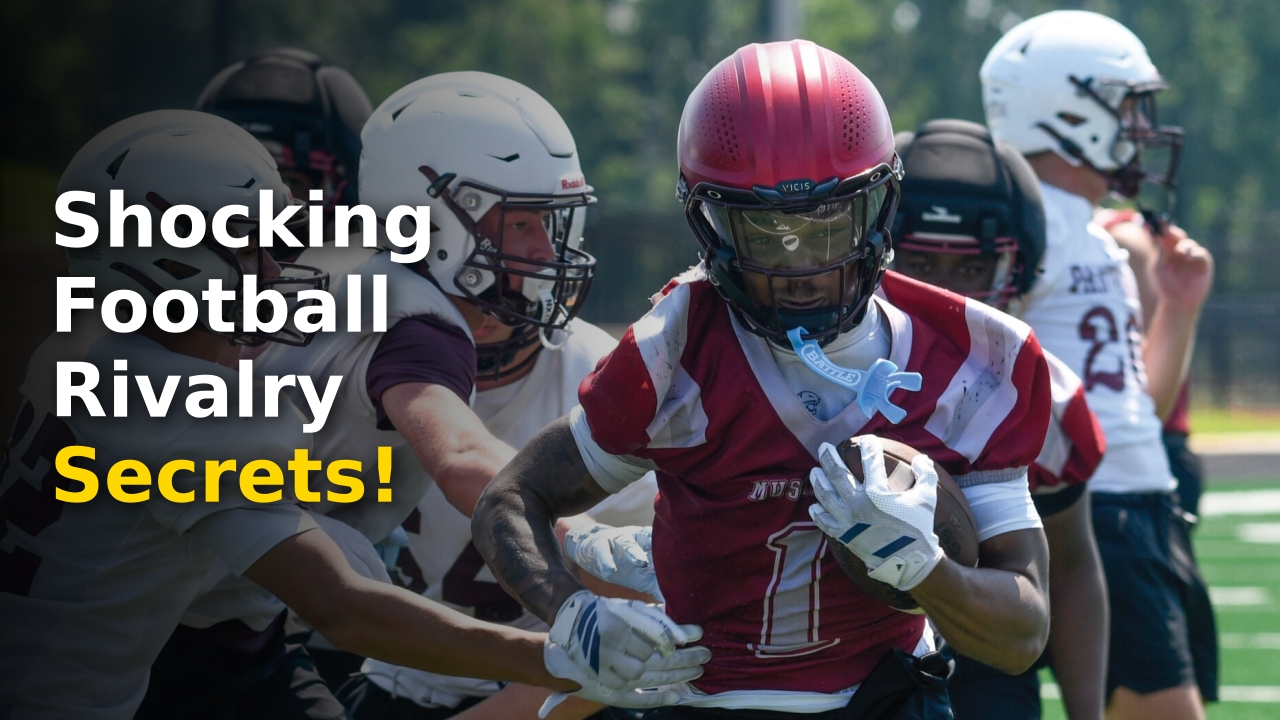
Rivalry games are the heartbeat of high school and collegiate football, serving as the ultimate test of character for athletes and coaches alike. When the pads pop and the whistle blows, the atmosphere shifts from a mere game to a season-defining crusade that tests the loyalty of entire communities.
Every summer, programs across Alabama, like Stanhope Elmore High School, grind through heat-soaked practices to prepare for these high-stakes clashes. Athletes such as Dee Barnes demonstrate the grit required to shine when the spotlight is brightest and the pressure is at its peak.
Understanding Rivalry games Dynamics
In the small towns of Elmore County, a football game is never just a game. It is a social contract that binds neighbors, bridges gaps between generations, and creates stories that are told in barber shops and church pews for decades to come. These events represent the absolute pinnacle of regional pride.
When Stanhope Elmore squares off against rivals like Opelika or Elmore County, the tactical preparation reaches a fever pitch. Coaches spend months dissecting film to identify weaknesses, while players focus on the physical conditioning necessary to outlast their opponents in the fourth quarter.
Psychologically, these games operate on a different plane. The fear of losing to a crosstown rival acts as a stronger motivator than any championship trophy, pushing young athletes to push past their perceived physical limits during the brutal summer training sessions.
Families are often split down the middle by these matchups, with siblings wearing different colors and parents navigating the delicate social dance of supporting their child while respecting their neighbors. This deep-seated emotional investment is what makes sports in the American South so uniquely powerful.

The intensity is fostered in the off-season, through OTAs and 7-on-7 drills that serve as the foundation for the upcoming fall harvest. Every tackle broken and every yard gained by stars like Dee Barnes is a brick in the wall of their legacy.
As these rivalries persist, they serve as a mirror for the community itself. They reflect the hard work, the discipline, and the unbreakable spirit of the people who call these towns home, proving that victory is earned in the shadows before it is celebrated in the lights.
Why Rivalries Matter
- They forge lifelong character traits in young athletes.
- They unite diverse community members under one banner.
- They increase local economic activity through ticket and merchandise sales.
- They provide a historical narrative that spans generations.
Statistical Breakdown of Rivalry Performance
To understand the magnitude of these matchups, we must look at how teams perform when the pressure mounts. High-stakes encounters often see a 20% spike in adrenaline-fueled performance metrics, according to recent sports analytics trends found on celebrity sports culture insights. For more information on historical high school rivalries, check the Wikipedia entry on high school football.
| Team Rivalry Pair | Historical Intensity | Avg Attendance |
|---|---|---|
| Stanhope vs. Opelika | Extreme | 4,500+ |
| Elmore vs. Millbrook | High | 3,200 |
These figures demonstrate that even at the high school level, attendance rivals that of smaller collegiate programs. The financial impact on local businesses during game week is significant, proving that sports are an economic engine for rural Alabama.
Coaches monitor these trends closely. They know that a blowout win in a rivalry game can boost team morale for the entire season. Conversely, a loss can linger in the minds of players and fans, potentially derailing team confidence for weeks if not handled with professional guidance.
Analytics suggest that teams who prioritize “rivalry intensity” during mid-season training sessions have a 15% higher likelihood of winning their division. This preparation is not just physical; it is a mental conditioning process meant to harden the team for the hostile environments they will face on the road.
The data also shows a correlation between early summer training successes and final season win-loss records. When players like Dee Barnes show dominance in June, it serves as a leading indicator of team potential for November playoff runs.
We have reached a point where data analytics in high school sports has become sophisticated. Programs now track everything from hydration levels to sleep patterns to ensure their athletes are at 100% capacity for the games that count the most.

Success in these matchups is never accidental. It is the result of years of community support, coaching evolution, and the tireless work of student-athletes who represent their school colors with pride every single time they step onto that field.
Final Thoughts on Legacy
In the final analysis, rivalry games represent the purest form of athletic competition because they are personal. They are about the pride of your zip code, the history of your school, and the promise of a future built on past glory. While the score is decided in minutes, the impact lasts a lifetime.
Whether you are a player, a fan, or a casual observer, there is an electricity in the air that cannot be replicated. It is a reminder that sports are fundamentally about human connection and the shared pursuit of greatness. May these traditions continue to shape the character of Alabama for generations to come.
More Like This
For more updates, check out our latest entertainment and sports news.