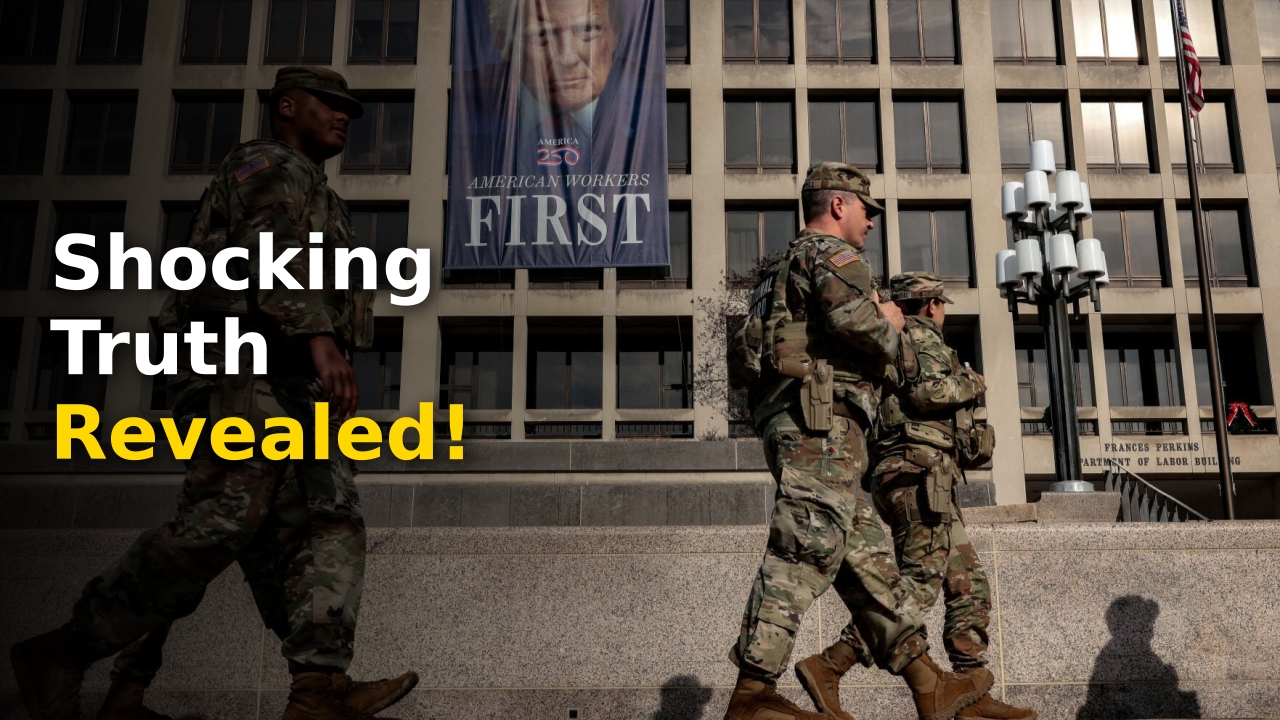
National Guard deployment in Washington, D.C. has sparked intense national debate as residents question whether thousands of uniformed soldiers actually deter criminal activity on the streets. You have likely noticed the increased presence of military personnel near the U.S. Capitol and Pennsylvania Avenue, yet the data suggests their impact on safety remains remarkably limited.
This article dives deep into the reality of urban security, examining the friction between a massive military footprint and the persistent rise in violent crime. If you are curious about how government policy translates into neighborhood safety, you have come to the right place.
The National Guard Impact Reality
The streets of the nation’s capital have undergone a visible transformation since the massive deployment began over a year ago. When you walk past the U.S. Department of Labor building or traverse the U Street corridor, you are often met with the sight of soldiers from states like Ohio patrolling the sidewalk. These men and women are tasked with maintaining a presence, but they are not police officers equipped for high-intensity criminal intervention.
You might wonder what these soldiers actually do when they aren’t merely acting as a deterrent. On June 26, for example, troops were spotted tending to an unresponsive person while waiting for EMS, highlighting a humanitarian role rather than a law enforcement one. This shift changes the landscape of the city, turning public spaces into areas that feel militarized but remain dangerous for pedestrians.
The disconnect between presence and prevention is palpable. While thousands of personnel were deployed to secure the Lincoln Memorial and other landmarks, violent crime rates have continued their upward trajectory. This suggests that the mere sight of a uniform is insufficient to stop hardened criminals who operate in the shadows of the city’s nightlife districts.
You should consider the cost-to-effectiveness ratio of this deployment. Taxpayer money supports this ongoing mission, yet the results don’t reflect a safer District of Columbia. For deeper insights on how political figures handle urban crises, check out this analysis at current political trends.

The operational scope of these soldiers is often limited by rules of engagement that prevent them from performing traditional police duties. They are essentially observers, shaking hands and walking beats that don’t involve the messy, dangerous work of arresting violent offenders. This reality check is crucial for any citizen living in or visiting the area.
Safety is a personal responsibility in a city that feels increasingly unpredictable. By understanding the limitations of this military support, you can make informed decisions about your own travel and routine. Do not confuse a military presence with a decrease in criminal risk.
Analyzing Urban Safety Trends
When looking at the statistics provided by recent reports, the data reveals a stark divide between violent and non-violent crime trends. Non-violent cases have shifted dramatically in the last twelve months, likely due to increased surveillance and the psychological effect of having soldiers on every block. However, violent crime—the kind that most concerns residents—remains stubbornly high.
Factors Influencing City Crime
- Lack of active police authority among military personnel.
- The psychological disconnect for criminals in high-traffic areas.
- Geographic concentration near major landmarks versus neighborhoods.
- The limitations of temporary deployments in addressing systemic issues.
- Increased emergency response reliance on non-police troops.
If you examine the history of urban policing, you will find that deterrence works best when combined with community integration. Military personnel in D.C. act as a temporary bandage on a much deeper, more complex wound. You can read more about the history of such deployments via Reuters archives.
The reliance on the military to perform civil tasks often leads to gaps in response times. When a crime occurs, the victim needs an officer, not a soldier trained for combat operations. This fundamental difference in training and duty means that the safety of the public isn’t being prioritized in the way many constituents originally demanded.
Consider the impact on the local economy as well. When tourists see soldiers at the Freedom 250 Grand Prix or near the Lincoln Memorial Reflecting Pool, they perceive a state of emergency. This perception can deter travel and negatively affect businesses, creating a cycle of economic and social anxiety that does little to stop actual criminal behavior.
The transition from a city of government to a city under surveillance has not yielded the promised peace. Every day, soldiers wait to cross the street, patrol, and observe, but they are not the guardians of justice that the city desperately requires. For you, this means staying vigilant and aware that the presence of the military is not a guarantee of your personal safety.

Data and Safety Comparison Table
The following table illustrates the performance metrics of the current security strategy across various district zones. Note how violent crime consistently outperforms non-violent crime in growth, regardless of the troop concentration.
| Crime Category | Deployment Impact | Trend Observed |
|---|---|---|
| Violent Crime | Minimal Deterrence | Rising |
| Non-Violent Crime | Moderate Shift | Declining |
| Public Safety Perception | Increased Anxiety | Low |
As you review this data, it becomes clear that military presence is a secondary solution for a primary problem. The statistics do not lie; when the goal is to reduce crime, the type of personnel deployed matters more than the raw number of troops on the ground.
Reflecting on Security Outcomes
You have seen how the deployment has played out over the last year. While the National Guard provides a sense of order to the casual observer, the internal data regarding violent crime tells a more troubling story. It is a reality that you must accept if you are navigating the streets of Washington, D.C. today.
Ultimately, the effectiveness of any security strategy is measured by the safety of the citizens it is sworn to protect. If you continue to see rising violent crime numbers alongside thousands of soldiers, the conclusion is inevitable: the current strategy is failing to hit its mark. Stay informed, stay aware, and recognize that the presence of military personnel doesn’t always translate to a peaceful city.
More Like This
For more updates, check out our latest entertainment and sports news.