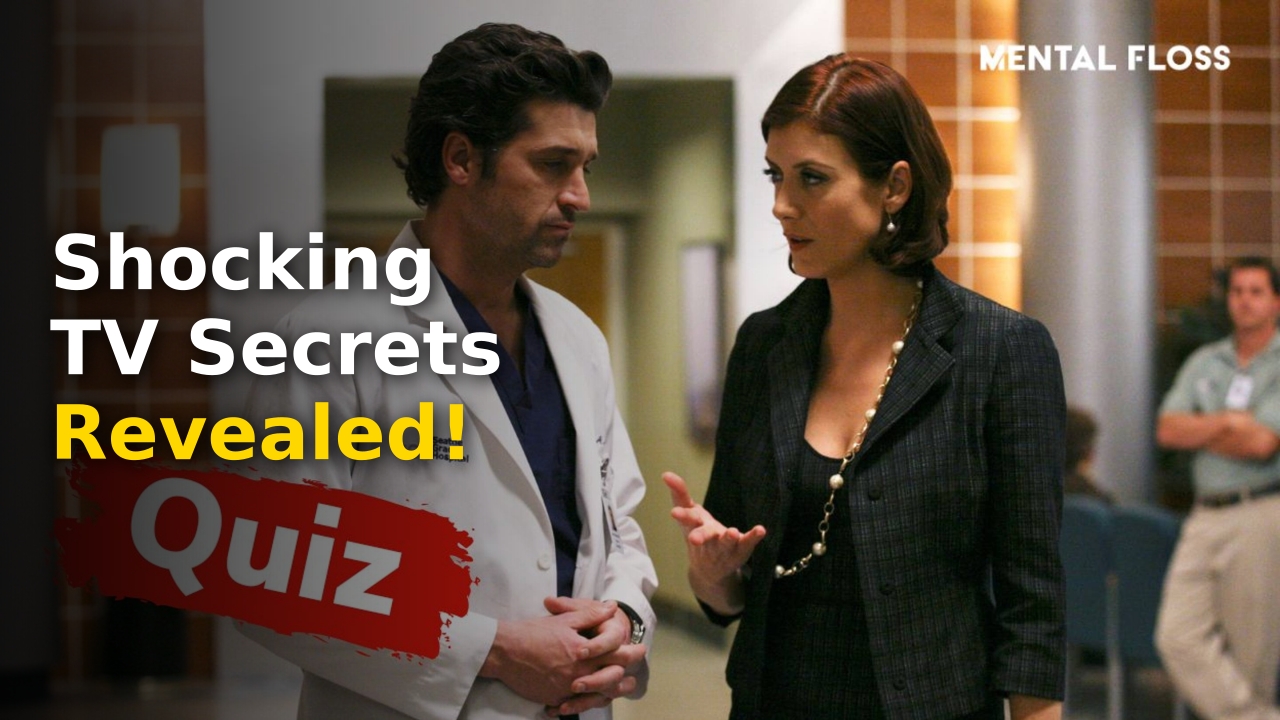
Do you ever wonder why TV spinoffs often completely outshine the original prime-time shows that birthed them? Many viewers fail to realize how these clever creative offshoots shape the entire modern entertainment landscape. From spectacular cast crossovers to record-breaking ratings, the small-screen history of television holds many unexpected secrets.
From Patrick Dempsey and Kate Walsh lighting up screens to unexpected cartoon transitions, small-screen history is packed with hidden connections. You are about to discover how simple ideas transformed into multi-billion dollar empires. Grab your remote control as we unpack the ultimate secrets of legendary television history.
Iconic TV spinoffs Unleashed
When television networks develop TV spinoffs, they gamble on built-in audiences. This strategy often yields record-breaking success, shifting pop culture in massive ways. You can track the absolute titans of the transition game to understand how these formulas work.
The Grey’s Anatomy Universe
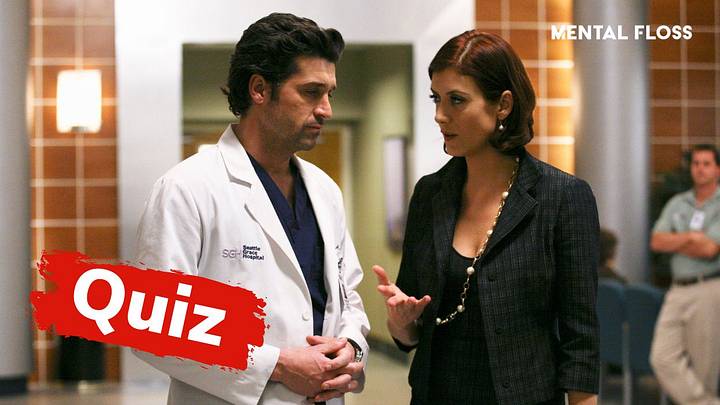
The creation of successful TV spinoffs relies heavily on incredible character chemistry. Audiences fell in love with Addison Montgomery, played by the brilliant Kate Walsh, during her dramatic run at Seattle Grace Hospital. Her magnetic energy convinced producers to send her character down the coast to sunny Los Angeles for a fresh start.
This brilliant creative move birthed the popular medical drama Private Practice, which ran for six incredible seasons. The show featured legendary crossover episodes with stars like Patrick Dempsey showing up to keep viewers glued to their screens. Check out the latest celebrity news updates to see if your favorite medical stars are planning any future reunions.
From Springfield To Eternity
Very few cartoon-based TV spinoffs manage to eclipse their source material so completely. In 1987, a quirky yellow family debuted as brief animated shorts on The Tracey Ullman Show. Nobody predicted that Matt Groening’s creation would outlive its parent variety show by several decades.
Today, The Simpsons stands as the longest-running American animated series in history. It revolutionized prime-time animation and set a standard that few shows will ever match. You can still see its massive influence on almost every modern cartoon broadcast today.
The Global NCIS Phenomenon
In April 2003, a standard military drama called JAG introduced a specialized team of naval investigators. This simple two-episode introduction quietly birthed one of the most lucrative franchises in entertainment history, proving that military procedurals can birth massive TV spinoffs with endless longevity. The parent show was quickly forgotten as this new juggernaut took over global syndication markets.
The flagship expansion, NCIS, went on to spawn global offshoots in locations like New Orleans, Sydney, and Hawaii. Across eight distinct setups, the franchise has dominated living rooms for over 50 combined seasons. This incredible run demonstrates the sheer power of a loyal procedural fan base.
The Hills Reality Revolution
The reality television landscape changed forever in the mid-2000s when MTV followed the personal lives of wealthy California teens. Before there was an empire of drama in Los Angeles, it all started on the coast with Laguna Beach: The Real Orange County. Audiences became obsessed with the genuine conflicts and upscale lifestyles of these high school seniors.
Producers wisely tracked Lauren Conrad as she packed her bags for fashion school, creating a sensational offshoot that doubled the episode count of its predecessor. This reality goldmine showed how unscripted content could fuel legendary TV spinoffs for a whole generation. The dramatic tension set a new benchmark for reality production styles.
Measuring The Rating Gold
When looking at the sheer volume of successful TV spinoffs, the data speaks for itself. Networks consistently rely on these formats because they reduce the financial risks of launching completely new intellectual properties. You get a guaranteed audience from night one, which keeps advertisers incredibly happy.
These statistical triumphs show that the transition from a guest star to a main protagonist is a highly lucrative art form. You can analyze how these legendary offshoots compare in terms of network longevity and cultural reach. The records they break often stand for several decades in the television industry.
Below is a detailed breakdown of the most successful character transitions in primetime history. This data illustrates the phenomenal staying power of these expanded universes.
| Spinoff Show | Parent Series | Launch Year | Total Seasons |
|---|---|---|---|
| The Simpsons | The Tracey Ullman Show | 1989 | 35+ |
| NCIS | JAG | 2003 | 21+ |
| Private Practice | Grey’s Anatomy | 2007 | 6 |
| The Hills | Laguna Beach | 2006 | 6 |
The numbers reveal that these creative shifts are rarely accidental strokes of luck. Instead, they represent calculated decisions made by seasoned showrunners who know exactly what the public wants to watch. They leverage existing assets to create entirely new streams of high-value entertainment.
Studios carefully monitor social media feedback and raw viewership metrics before greenlighting these massive expansions. This meticulous preparation ensures that when a beloved character departs their original setting, they carry a highly loyal demographic with them. It builds a bulletproof bridge between different television shows.
Ultimately, these metrics prove that television is no longer just about standalone stories. Modern audiences demand interconnected worlds where their favorite characters can live on indefinitely. This shift has changed the way writers room plan their season arcs from day one.
Behind The Scenes Drama
Behind the scenes, producing these TV spinoffs requires navigating intense contract negotiations. Moving a high-profile actor from an ensemble cast to their own leading vehicle is a massive logistical puzzle. Agents and studio heads often spend months iron out the complex details.
When Kate Walsh prepared to transition, writers had to carefully balance her departure storyline to avoid upsetting loyal fans. Her exit needed to feel organic while still leaving the door open for future high-stakes crossovers. The success of this transition paved the way for other actors to negotiate similar career-defining deals.
In addition to cast departures, studio executives must manage complex syndication rights that often trigger legal disputes. When a new series achieves historic ratings, actors from the parent show sometimes demand backend compensation for helping launch the brand. These legal battles can cast a long shadow over a successful network run.
These behind-the-scenes financial clashes can derail productions before they even film their pilot episodes. Fortunately, most studios successfully negotiate these hurdles to secure long-term, highly-profitable TV spinoffs. It keeps the global entertainment machine running smoothly without costly delays.
We also see massive creative tension between the writers of the original series and the creators of the offshoot. Striking a unique visual and narrative tone is crucial to prevent the new show from feeling like a cheap carbon copy of its predecessor. Directors often clash over visual choices and character dialogue styles.
When these creative teams successfully collaborate, they build legendary shared universes that keep fans talking for decades. The resulting synergy benefits both properties, generating sustained streaming spikes for years to come. This collaborative spirit remains the secret sauce of television history.
The Formula For Success
The magic formula of modern TV spinoffs depends heavily on geographic shifts. Moving characters from gray, rain-slicked cities to sunny beachside locales immediately signals a distinct aesthetic change to the audience. This visual contrast helps the new series establish its own unique personality right away.
This spatial contrast allows writers to introduce completely new visual styles and narrative pacing. It provides a breath of fresh air for actors who may have felt creatively stifled in their original roles. The change of scenery often inspires some of the best performances of their careers.
Indeed, the longevity of these TV spinoffs shows that viewers love deep character lore. Audiences enjoy seeing minor characters step into the spotlight to face complex personal dilemmas. This deep emotional connection keeps viewers tuning in week after week, year after year.
This narrative evolution gives secondary characters a chance to develop deep emotional range that was impossible within a crowded ensemble cast. It turns casual viewers into passionate super-fans who will defend the show across online forums. You see this loyalty reflected in consistent fan convention turnouts.
Another critical component of this winning formula is the well-timed crossover event. Bringing back legendary characters like Patrick Dempsey to resolve unresolved romantic tension is a guaranteed way to spike ratings during sweeps week. These events are marketed as major television milestones.
These shared events create a sense of community among viewers, making the television landscape feel like a real, living world. When done correctly, this strategy keeps the entire franchise healthy and highly profitable for years to come. It ensures that the parent show and its offshoots feed off each other’s success.
Why We Crave TV spinoffs
The endless appetite for TV spinoffs highlights our psychological need for familiar storytelling. In a digital world flooded with endless streaming options, audiences naturally gravitate toward characters they already trust. This deep emotional investment makes starting a new series feel like catching up with old friends.
This emotional safety net allows viewers to jump directly into complex story arcs without needing to learn a completely new set of faces. It provides immediate entertainment comfort, making it the perfect remedy for decision fatigue. You can simply sit back, relax, and enjoy the continuation of a world you love.
Ultimately, the best TV spinoffs do not just copy their parent shows; they expand our cultural horizons. They take risks, elevate diverse voices, and give classic characters the grand stages they truly deserve. They prove that good storytelling is never limited to a single television screen.
As you look back on the legendary history of primetime television, it becomes clear that these shows are much more than simple cash grabs. They are masterfully crafted pieces of pop culture that define how we experience serialized drama. They capture the imagination of millions of viewers across the globe.
The next time you settle onto your couch to stream your favorite show, remember the incredible journeys these characters took to reach your screen. From minor sketches to massive global franchises, the magic of television lies in its endless ability to reinvent itself. It is a testament to the limitless creativity of the entertainment industry.
Whether you are a casual fan or a dedicated television expert, there is always a new hidden connection waiting to be uncovered. Keep your eyes sharp during the next crossover event, because you might just witness the birth of the next massive pop culture phenomenon. The small screen will always find new ways to surprise us.
More Like This
For more updates, check out our latest entertainment and sports news.