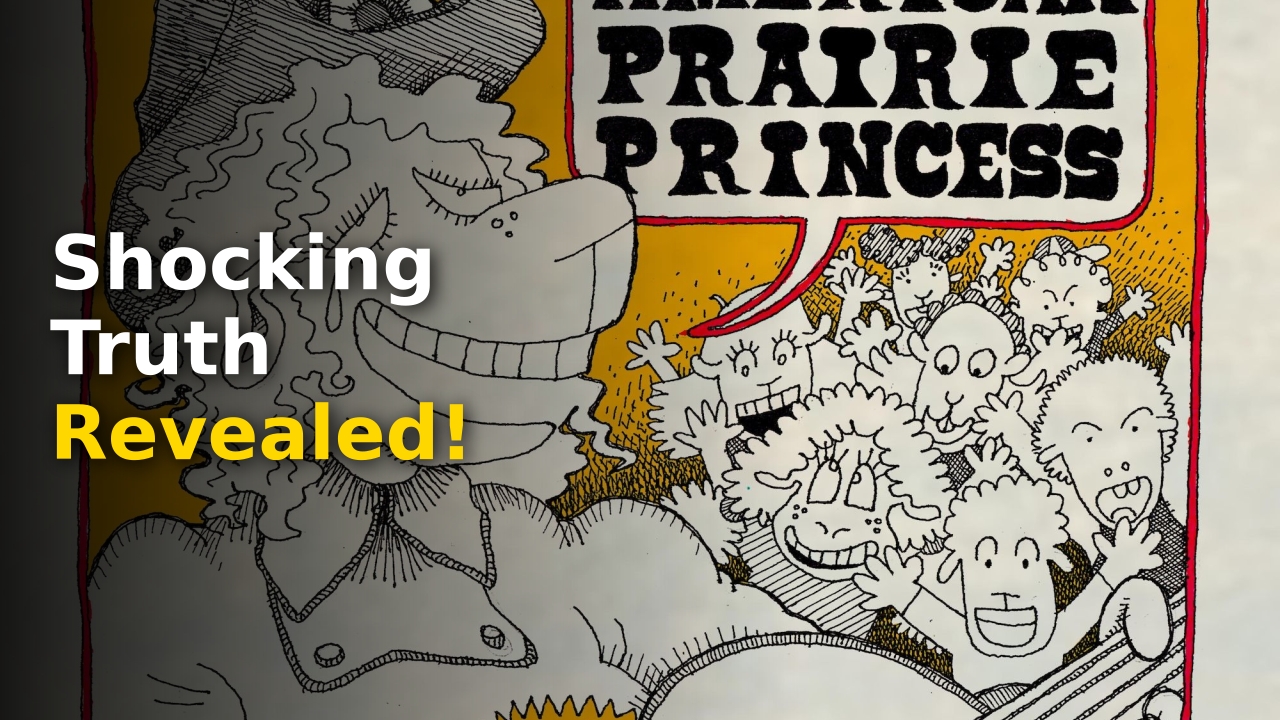
Prairie Princess is the DIY music project currently shaking the foundations of the indie-folk scene, acting as a raw, unfiltered vessel for the creative genius of 23-year-old artist Emerson Borakove. You might have heard the whispers surrounding her debut record, but the true depth of this project goes far beyond a simple collection of lo-fi tracks—it’s a chaotic, heartfelt manifesto for the misunderstood.
Hailing from the quiet landscapes of Lincoln, Nebraska, Borakove isn’t just another singer-songwriter; she is a multidisciplinary artist who treats music like a sacred, slightly unhinged experiment. Her debut album serves as a masterclass in modern outsider Americana, blending the cynical angst of the midwest with a radical form of sincerity that feels entirely new for the digital age.
The Radical Prairie Princess Philosophy
When you listen to the record, you are immediately struck by how Borakove manages to navigate the tightrope between sharp irony and devastating vulnerability. She isn’t interested in being palatable for mainstream radio; she wants to speak directly to the teenager hiding in their room, the misfit looking for a reason to keep going, and the queer kid navigating a world that often feels hostile.
The songs on this record function as a bridge between the classic folk-punk tradition of Andrew Jackson Jihad and the sophisticated, atmospheric indie arrangements seen in the work of Dirty Projectors. It is this unique collision of genres that makes the album a standout. Borakove crafts a world where a song about a Hinge date can sit comfortably next to a track about the existential dread of cosmic nihilism.
What separates this project from the swarm of other bedroom pop artists is the sheer narrative density of the lyrics. Borakove doesn’t just sing about her life; she creates a rich, interconnected universe populated by specific, recognizable American archetypes. You feel as though you are touring the Great Plains, peeking into the lives of strip-mall workers and lonely night owls.
Her artistic process is deeply personal and often involves a total rejection of traditional industry gatekeeping. By choosing to self-produce and maintain absolute creative autonomy, she ensures that the emotional stakes of the music remain high. Every guitar strum and vocal tremble feels like an intentional act of resistance against the polished sheen of modern corporate production.
This dedication to authenticity has earned her a cult following that grows by the day. Readers interested in the broader landscape of modern independent music often find themselves on curated platforms covering rising stars, where Borakove’s name is beginning to appear with increasing regularity. The scene is paying attention because she is not afraid to break the rules, both in her music and in her public persona.
Ultimately, the core of her work is a question: can love act as a tool for genuine change in a broken society? While she arrives at a conclusion that is both cynical and hopeful, the act of asking the question is what resonates. She invites you into her world not as a spectator, but as a participant in a shared human experience that is messy, difficult, and profoundly beautiful.

Understanding The Folk-Punk Roots
- The influence of Jeffrey Lewis and Kimya Dawson is pervasive throughout the record’s storytelling style.
- Borakove intentionally utilizes lo-fi recording techniques to preserve the raw, immediate energy of her performances.
- The album features complex arrangements that contrast with the simplistic, almost abrasive nature of traditional folk-punk.
- Queer identity is not just a theme but a lens through which Borakove views the American experience.
Data And Track Analysis
| Track Name | Key Theme | Genre Elements |
|---|---|---|
| Lonely Eyes | Human Connection | Americana/Folk |
| Happy Science | Existential Dread | Indie-Rock |
| Jack Harlow Meal | Cultural Satire | Punk-Rock |
To truly grasp the scale of what Borakove has achieved, one must look at the technical composition of the tracks. The drumming of Rhea Freed provides a grounding rhythm that anchors the more flighty, improvisational guitar work, while the lyrical cadence often mimics the conversational tone of Loudon Wainwright III. This isn’t accidental; it’s a calculated effort to blend decades of musical history.
Consider the track ‘Happy Science,’ where the narrative of a crumbling relationship is framed through the lens of religious dogma. It is a brilliant example of how she weaponizes humor to mask deep-seated trauma. The listener finds themselves laughing at the absurdity of the lyrics before being hit by the sudden, crushing reality of the heartbreak she is describing.
Her background, including her father’s work as a psychic minister and a writer for the legendary show South Park, clearly plays a role in her outlook. Growing up in such a bizarre, highly creative environment likely shaped her ability to see the world as a stage for dark, tragicomedic performances. She doesn’t shy away from her eccentric origins; she leans into them.
This is further evidenced by her involvement in the short-lived, performative protest group ‘Airy Foist.’ While the public response was mixed—ranging from confusion to genuine outrage—it demonstrated her willingness to act as a provocateur. She isn’t interested in being a ‘polite’ musician; she is interested in eliciting a reaction, even if that reaction is uncomfortable.
The contrast between this public ‘edgelord’ behavior and the intimate, soft-spoken moments in songs like ‘Powerline’ is where the magic truly lies. You realize that the provocation is a shield, and the music is the actual person. Once you look past the noise, you find a songwriter with an immense amount of empathy for the world around her.
She is currently navigating the early stages of a career that could go in any number of directions. Whether she continues to lean into the folk-punk aesthetic or pivots to something entirely different, her trajectory is one to watch. The industry is currently tracking emerging talent, and she is firmly on that list of artists poised to influence the next wave of indie music.

The Future Of DIY Music
- Increasing reliance on community-supported platforms like Bandcamp rather than major streaming services.
- The return of ‘folk-punk’ ethos in younger generations seeking authentic, non-corporate expression.
- The importance of visual branding that matches the lo-fi, DIY aesthetic of the music.
- How artists are leveraging social media to bypass traditional music journalism gatekeepers.
Final Thoughts On Prairie Princess
In the final analysis, Prairie Princess is not just a project to be streamed; it is a text to be studied. By channeling the spirits of past outsiders while maintaining a distinctly modern, queer-centric perspective, Emerson Borakove has created something that feels remarkably vital. She offers you a space where it is okay to be lonely, okay to be messy, and okay to be genuinely, dangerously sincere.
Her ability to turn even the most trivial aspects of modern life into poignant art is a rare gift. As she sings on the final tracks of the record, she promises to keep in touch even after she is gone—a statement that feels like a classic Jewish grandmother’s joke, yet somehow rings with an absolute, terrifying truth. She wants to be there for her listeners, and for the special, weird people she writes about.
If you find yourself feeling alienated by the current state of popular music, this record is your antidote. It isn’t a safe harbor, but it is a truthful one. As you dive into her catalog, you will likely find that her voice starts to sound like your own internal monologue, articulated with far more grace and wit than you could have ever managed on your own.
Keep an eye on this artist. The trajectory she is on suggests that this debut is only the beginning of a much larger, more complex story. The world might be a miserable place, but as Borakove proves, the act of creating joy—or at least, the act of acknowledging the pain—is in itself a form of radical protest. Keep listening, keep paying attention, and let her songs keep you company in the dark.
More Like This
For more updates, check out our latest entertainment and sports news.