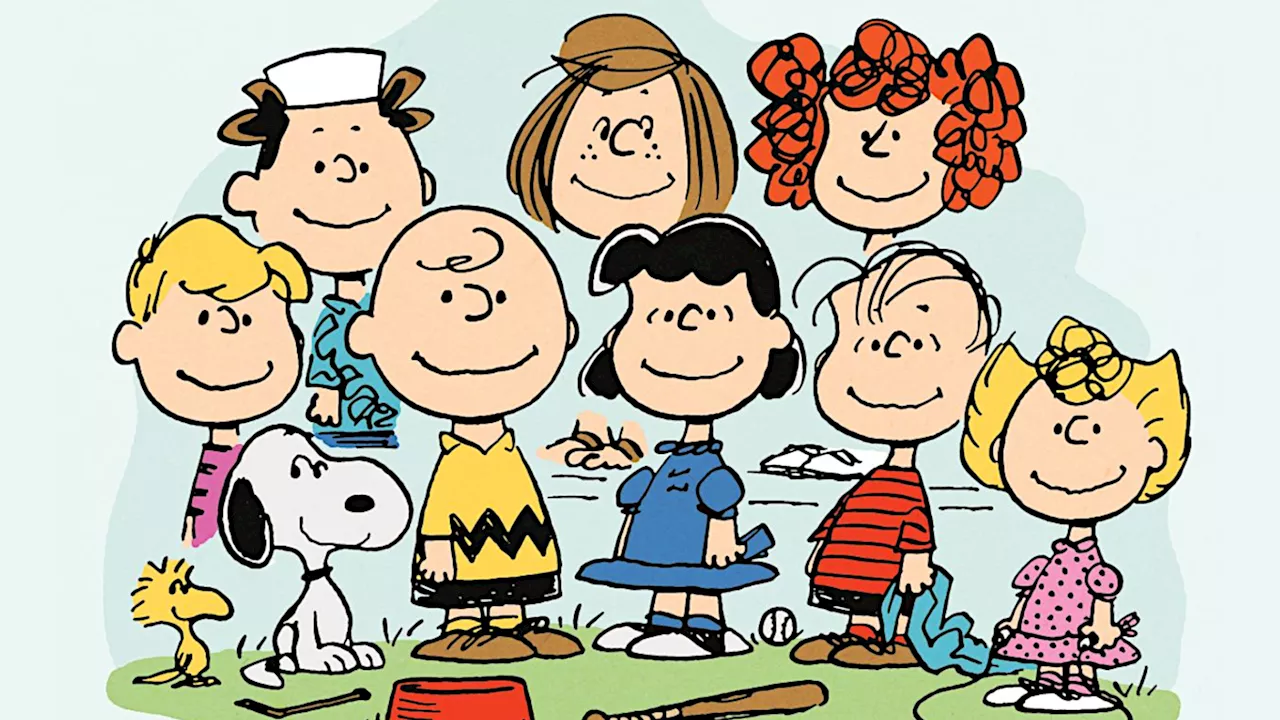
Charlie Brown is the quintessential underdog of American pop culture, but a single, dialogue-free comic strip from 1954 fundamentally altered his trajectory from a mere punchline to a profound symbol of human resilience. You might think you know the iconic blockhead, but the reality is that Charles M. Schulz used a quiet, train-set-focused scene to rewrite the rules of what a funny paper could actually achieve. By stripping away the quips and gags, Schulz invited you into the uncomfortable, lonely, and deeply relatable interior life of a child navigating a world that often leaves him standing on the outside looking in.
This silent episode did not just change a character; it shattered the glass ceiling of traditional comic storytelling by proving that sadness, silence, and observation were just as valuable as slapstick comedy. When you look at the history of the Peanuts franchise, it becomes clear that this moment was the catalyst for decades of television specials, holiday classics, and cultural impact that continues to resonate globally today.
The Charlie Brown Evolution
Before the pivotal date of February 1, 1954, our beloved protagonist was largely a vehicle for mischievous, standard-issue comic humor. The strip was growing, but the depth of his character was still emerging from a neighborhood of children who were remarkably free from the oversight of adult guidance. This specific sequence changed everything by shifting the focus from external jokes to internal psychological reality.
In the silent strip, Charlie Brown visits his friend Shermy, who is deeply engrossed in a sophisticated electric train set. Instead of the typical interaction you would expect—a joke, a clever remark, or a plot-driven conflict—nothing is said. The visual language of the strip focuses entirely on the distance between the two characters and the quiet longing reflected in Charlie’s posture.
You see him standing, watching, and eventually walking away to process his own feelings of exclusion and inadequacy. This narrative pivot transformed him into the lovable loser who struggles but ultimately continues to persevere. This isn’t about him being poor or facing economic hardship; it is a raw examination of that universal childhood feeling of being on the sidelines while someone else thrives.
The impact of this strip is something we often discuss when exploring the evolution of iconic media legends, a topic we frequently cover on our industry insights page. The shift in tone allowed for a richer, more nuanced development of his personality, marking a move toward the compassionate, anxious, and deeply human character we cherish today.

As the strip matured, the inclusion of characters like Lucy and Linus served to contrast with his quiet reflection. While Snoopy began as a standard, ground-dwelling dog, he too benefited from the increasing interest in internal life, slowly becoming the world-famous imaginative icon we recognize now.
Anatomy of the 1954 Shift
This 1954 strip acts as a masterclass in emotional economy, proving that brevity often carries more weight than dialogue. The lack of a conventional punchline forces the reader to confront their own sense of empathy, turning a static image into a living, breathing emotional experience. You are no longer laughing at his failure; you are sitting in the room with his silence.
The change was not merely atmospheric but foundational to his identity as a figure who experiences consistent rejection yet remains inherently kind. He does not become cynical, nor does he lash out in anger. Instead, he internalizes his burdens, which paradoxically makes his small victories—or even his continued existence in the strip—feel significant.
You can see this pattern repeated in the iconic A Charlie Brown Christmas, where his struggle with commercialism and personal emptiness mirrors the silence of that original 1954 interaction. His resilience is born not from power, but from his stubborn refusal to stop caring about his friends and the world around him.
The removal of Shermy as a core character in the following years highlights how the strip moved away from simple neighborhood dynamics. Instead, the focus tightened on the specific, complicated interplay between Linus, Lucy, and the central, brooding presence of our main character.
These characters were not static types; they were evolving representations of human insecurity and social yearning. Every time he attempts to kick the football, or every time he fails to talk to the Little Red-Haired Girl, you are witnessing the direct legacy of that 1954 realization that silence speaks volumes.
Strategic Impact and Growth
The transition allowed the strip to reach audiences on a level that most newspaper comics never attempted. By treating his sadness as a central theme rather than a recurring gag, Schulz provided a safe space for readers to acknowledge their own anxieties. It is precisely this emotional intelligence that secured the strip’s longevity, as noted in recent archives available via international news databases.
The move toward character-driven narratives was a calculated risk that paid off in massive global recognition. By favoring the slow, agonizing, and beautiful process of growing up over the high-octane comedy of his contemporaries, Peanuts carved out a permanent niche in history. It taught generations that your feelings—even the ones you cannot explain or resolve—are entirely valid.
He exists in a loop of failure that somehow feels heroic because he never gives up on the process of trying. This resilience is the bedrock of his charm and the primary reason he remains relevant in 2026. Whether it is his relationship with Snoopy or his interactions with the wider cast, his presence acts as a stabilizer for the chaos of the strip.

This psychological depth is why collectors and fans alike continue to pay millions for memorabilia and artwork associated with the strip. His vulnerability is a brand, a philosophy, and a window into the human condition that never loses its luster. It is a testament to the fact that you do not need grand gestures to make a lasting impact on your audience.
The Data Behind Longevity
The evolution of the strip can be mapped through various metrics of success, from the introduction of key characters to the shift in themes. Below is a breakdown of how the landscape shifted during the era of these core developments.
| Phase | Primary Focus | Character Impact |
|---|---|---|
| Early 1950s | General Humor | Standardized roles |
| 1954 Shift | Internal Reflection | Deepened vulnerability |
| Late 1950s+ | Psychological Depth | Complex, evolving arcs |
Refining The Narrative
The 1954 strip is not just a piece of history; it is the blueprint for all future depictions of the character. By shifting the focus to his internal state, Schulz allowed the reader to project their own experiences onto him, effectively making him a universal vessel for human emotion. You are essentially seeing a mirror of your own quiet, unspoken struggles every time you look at his face.
This is why the series feels so authentic even decades after its inception. There is no pretense, no attempt to sugarcoat the realities of friendship, loneliness, or the occasional crushing disappointment of a life lived in the shadow of others. Charlie Brown teaches us that it is okay to be exactly who you are, even if who you are is a work in progress.
The resilience of the Peanuts legacy is built on this foundation of raw honesty. It is a rare thing to find in pop culture, where everything is typically presented as a victory or a defeat. In his world, there is a third, more important option: simply continuing to exist, care, and hope despite the odds.
As you reflect on the history of this masterpiece, remember that the most powerful messages are often the ones left unsaid. The silent 1954 strip changed the landscape of comics forever, proving that even a quiet child watching a train can leave an indelible mark on the soul of a nation. Ultimately, Charlie Brown stands as a monument to the quiet power of human vulnerability.
More Like This
For more updates, check out our latest entertainment and sports news.