Waves Turn is the hauntingly honest documentary that finally rips the rose-tinted veil off the experience of early parenthood. You are about to discover why the traditional Madonna-and-child imagery is a dangerous myth that leaves millions of women feeling isolated, exhausted, and confused in their first year of raising a tiny human.
Director Josephine Ahnelt spent her time capturing the quiet, messy, and deeply unglamorous moments that society typically ignores. This film does not offer a polished Instagram aesthetic; instead, it provides a mirror for the genuine agony and ecstasy of the postnatal period, forcing us to rethink how we define maternal success in the 21st century.
The Waves Turn Truth
In this film, the camera acts as an unblinking witness to the mundane, often grueling labor of caretaking. By stripping away the gloss of cinematic perfection, Josephine Ahnelt manages to humanize the internal roar of new mothers. You see the physical toll of breastfeeding, the mental drain of interrupted sleep, and the quiet, almost rhythmic boredom that sets in between the crises.
The documentary features five women who allowed cameras into their homes during their most vulnerable months. By choosing to shoot on 16mm film, the director creates a tangible sense of intimacy that digital high-definition often lacks. The texture of the footage makes you feel like you are sitting in the nursery with them, witnessing the micro-struggles that no one talks about at baby showers.
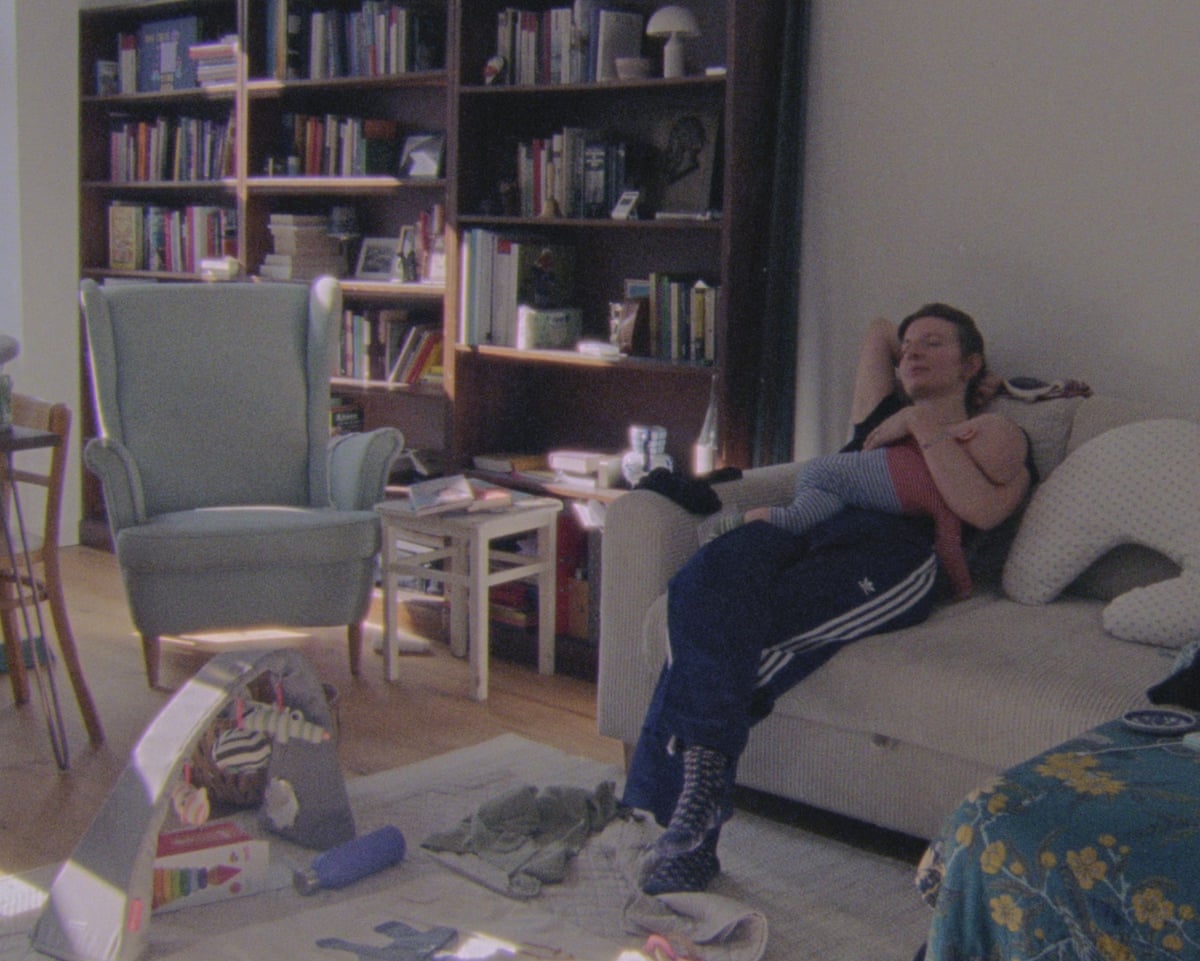
The narrative arc is not built on big, dramatic plot points but on the quiet erosion of one’s former identity. One participant candidly admits that the instantaneous love she was promised didn’t appear the moment her baby was placed on her chest. This realization often brings a wave of guilt, yet the film frames it as a normal, human development rather than a personal failure.
We have explored similar shifts in maternal identity in depth on our latest celebrity parenting trends feature. It is crucial to acknowledge that the pressure to be a serene, joyful mother is a societal construct, not a biological requirement. When the reality clashes with expectations, the resulting emotional dissonance is the true story of the first year.
The film highlights the intense judgment women face regarding their choices, from bottle-feeding to sleep training. These small, seemingly insignificant details become battlefields for societal expectations. You see mothers navigate these pressures while their own mental and physical reserves are running dangerously low, often comparing themselves to the unrealistic standards set by media and cultural tropes.
The Emotional Toll
- The loss of autonomous identity and personal time.
- The pressure to maintain physical and emotional perfection.
- Societal judgment on feeding and soothing choices.
- The physical recovery process masked by performative joy.
- The struggle to connect with partners under sleep deprivation.
Parenting Data Points
The following table illustrates the stark gap between perceived parental joy and reported daily struggles based on recent observational studies of first-time parents in 2026.
| Category of Experience | Reported Frequency (%) | Severity Level |
|---|---|---|
| Extreme Exhaustion | 88% | High |
| Identity Crisis | 65% | Moderate |
| Joyful Breakthroughs | 72% | High |
| Boredom/Isolation | 54% | Moderate |
The Cultural Impact
Why do we hide the truth behind motherhood? Art history, particularly Renaissance paintings, created a visual language of divine serenity that remains a subconscious yardstick for women today. Judith Rohrmoser, one of the featured mothers and an artist, directly challenges this in the film, showing a portrait of herself breastfeeding with a raw, almost haunted expression that shatters the Madonna myth.
You see how the film deconstructs this icon. By clamping headphones over her ears and staring directly at the viewer, Rohrmoser invites you to confront the reality of the “roar” behind the quiet act of feeding. This is a deliberate aesthetic choice, intended to force a conversation about the gap between how we represent motherhood and how it actually feels.
The film also touches upon the changing nature of romantic relationships. Many of the mothers interviewed speak about how they were warned, yet chose to ignore, the shifts that a new baby brings to a partnership. The exhaustion creates a barrier that requires active, intentional work to overcome, turning the home into a series of tactical maneuvers rather than a place of rest.
This documentary is a call to arms for honesty in communication. By documenting the “jigging” of a baby, the constant cleaning of fingernails, and the glazed eyes of a soldier in the trenches, it validates the experience of the audience. You are not alone if you feel the weight of these mundane tasks; you are simply part of a shared, often unspoken experience.
The Artistic Choice
The decision to film at such close proximity serves a psychological purpose. When the camera captures the smallest movements—the snip of a nail, the tension in a hand—it draws your attention to the minutiae of the survival cycle. This is not about the grand narrative of raising a child; it is about the thousands of small, repetitive actions that constitute a year of life.
Many viewers find the pacing slow, but that is the point. The film mirrors the rhythm of a baby’s schedule, where time feels distorted and endless. You lose the sense of days and nights, merging into a single, hazy loop of caregiving. By forcing you to sit with that stillness, the director highlights the psychological space required to survive the intensity of the early months.
The audio landscape is just as crucial as the visual one. The layering of voiceovers creates a communal feeling, a choir of mothers speaking truths they wouldn’t dare whisper in public. You hear the admission of jealousy, the fear of losing touch, and the unexpected flashes of love that surface when the baby finally falls asleep.
Ultimately, this work acts as a social intervention. By bringing these private moments into the public sphere, it demands that we broaden our understanding of the maternal experience. It asks us to make space for the joy, the grief, and the boredom, recognizing that all of these emotions can coexist within the same person on the same day.
Final Reflections on Waves Turn
The lasting impression of this documentary is one of profound empathy. By peeling back the layers of societal expectation, Waves Turn provides a necessary service to all parents who feel like they are failing simply because they are human. The complexity of the motherhood journey deserves to be seen, warts and all, and this film succeeds by refusing to compromise on that truth.
You should walk away from this viewing experience with a renewed sense of patience for yourself and those around you. Motherhood is not a singular performance of bliss; it is an evolving, messy, and infinitely significant process. As we look toward the future of media representation, this film stands as a benchmark for how we can finally start telling the real story of Waves Turn and the women who live it.
More Like This
For more updates, check out our latest entertainment and sports news.