Forensic fandom has emerged as a disruptive digital phenomenon that is fundamentally altering how the public consumes the Lindsay Clancy trial, threatening to obscure the medical reality of postpartum psychosis. You might think you are simply engaging with a true-crime case on TikTok, but your participation in these viral debates may be inadvertently silencing the voices of women struggling with life-threatening psychiatric conditions. When complex medical crises are stripped of their humanity and reduced to online puzzles, the consequences for public health literacy are catastrophic.
Consider the personal toll this narrative distortion takes on those who have walked the path of postpartum illness. For women like Meghan Cliffel, who once faced terrifying delusions on a New York City subway, watching the internet dissect a tragedy feels like a betrayal of medical truth. The shift from empathy to obsessive speculation highlights a growing chasm between clinical reality and the performative nature of modern true-crime fandom.
The Anatomy of Forensic Fandom
The rise of digital armchair detectives has created an environment where empathy is often traded for engagement metrics. These self-appointed investigators operate under the assumption that they possess superior insight into legal proceedings, often ignoring established forensic evidence. The Lindsay Clancy case, with its high-profile status and tragic nature, serves as the perfect incubator for these theories. By casting doubt on medical diagnoses, these communities risk convincing thousands of women that their own symptoms are not medical in nature but something else entirely.
Digital mobs frequently fixate on the partner of the accused, often creating elaborate, baseless narratives such as the theory that Patrick Clancy employed a body double during his time at a CVS pharmacy. These assertions ignore concrete evidence like surveillance footage and digital records, favoring a more dramatic, fictionalized version of events. This refusal to accept a mundane, albeit tragic, reality is the hallmark of the forensic fandom culture.
Experts in media science, such as Katy Coduto of Boston University, argue that this behavior stems from a psychological need to organize the world into coherent, solvable narratives. When faced with the randomness of tragedy, the human brain often prefers a comforting conspiracy over a chaotic reality. You see this repeatedly in pop culture, but when it bleeds into real-world courtroom drama, the impact on human lives is profound.
The media circus surrounding the trial has also been criticized for prioritizing sensationalism over educational outreach. Many outlets fail to explain the difference between postpartum depression and the far rarer postpartum psychosis. If you are looking for more balanced coverage of how media impacts celebrities and public figures, you can explore the insights provided at current media trends to understand how narratives are manipulated in the digital age.
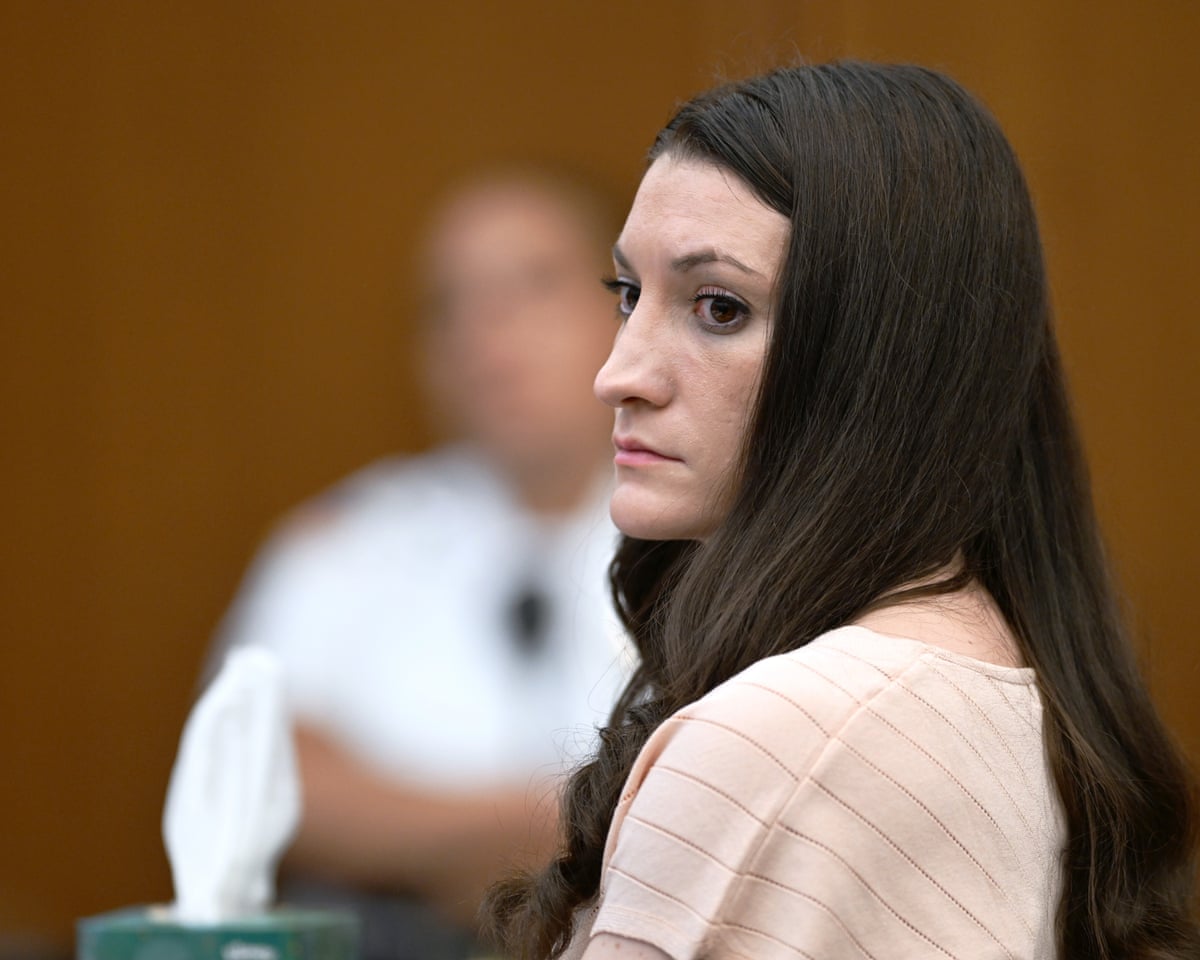
Social media algorithms reward high-energy, controversial content, pushing videos with millions of views that actively undermine medical professionals. These creators, often lacking any formal background in psychiatry or law, present their theories as fact, poisoning the well of public discourse. As this misinformation spreads, the stigma surrounding maternal mental health remains firmly entrenched, preventing those in need from seeking help.
Defining the Digital Phenomenon
- Audience Displacement: Viewers prioritize entertainment value over the actual human tragedy of the situation.
- Narrative Simplification: Complex medical conditions are reduced to binary ‘good vs. evil’ archetypes.
- Evidence Dismissal: Tangible proof like police reports are discarded in favor of unverified online conjecture.
- Psychological Projection: Fans project their own fears and biases onto the subjects of the trial.
- Destigmatization Delay: The intense focus on ‘whodunit’ distracts from systemic failures in the healthcare system.
- Retraumatization Risks: The constant public dissection of the event prevents families from finding privacy or closure.
The Real Human Toll
The clinical reality of postpartum psychosis is far less neat than any conspiracy theory might suggest. Affecting roughly one to two women per 1,000 births, the condition frequently manifests as severe delusions and paranoia. When a mother experiences this, she is not choosing her actions; she is suffering from a documented biological emergency. Yet, the current public discourse minimizes this medical reality, preferring to focus on a narrative of villainy.
Andrea Clark, deputy CEO at Postpartum Support International, emphasizes that societal expectations for motherhood are often at the heart of this misunderstanding. Society clings to an idealized, joyous version of parenting that leaves no room for the messy, often frightening reality of postpartum illness. By pathologizing mothers who experience psychosis, we perpetuate a culture that forces women to hide their pain rather than seek medical intervention.
The history of women’s health in the United States is one of systematic neglect. For decades, women were excluded from clinical drug trials, leading to a massive gap in our understanding of how psychiatric medications impact the female body. The Lindsay Clancy trial has brought these systemic issues to the forefront, yet the online discourse continues to ignore them in favor of amateur sleuthing. This is where you see the disconnect between real-world advocacy and the digital bubble.
We must consider the long-term impact on the legal system as well. When public opinion is heavily influenced by non-factual internet theories, the impartiality of the justice system is tested. Defense teams are not just fighting the prosecution; they are fighting an uphill battle against a jury of public opinion that has already been tainted by TikTok speculation. This creates an dangerous precedent for future cases involving mental health defenses.
Every time a high-profile case is turned into a true-crime game, the trauma experienced by the families involved is amplified. The Clancy family, in particular, is being subjected to a global trial by social media, where their private grief is constantly commodified. You have to ask yourself: what is the cost of our obsession with being the first to ‘solve’ a mystery?
Reframing the conversation requires a shift in how media outlets and independent creators handle sensitive legal topics. We should prioritize compassion, clinical expertise, and verified reporting over clicks and shares. By demanding better standards, we can help protect vulnerable populations and ensure that those suffering from postpartum conditions feel safe seeking help.
The Healthcare Data Gap
Understanding the context of maternal mental health requires examining the statistics that are often absent from social media threads. The following data highlights the critical need for increased awareness and professional support in the reproductive mental health space.
| Condition | Incidence Rate | Key Risk Factor |
|---|---|---|
| Postpartum Depression | 1 in 7 Women | Lack of sleep and stress |
| Postpartum Psychosis | 1-2 per 1,000 Births | History of mood disorders |
| Clinical Intervention | Low access rates | Societal stigma |
These numbers show that while postpartum issues are common, the most severe forms remain rare enough that many people go their entire lives without encountering them. This rarity is precisely why awareness campaigns are so vital. When public education is replaced by forensic fandom theories, the gap between understanding the condition and stigmatizing the sufferer only widens.
Furthermore, medical experts point out that the lack of specialized board exams in reproductive psychiatry exacerbates the problem. Many physicians are simply not equipped to recognize the early warning signs of a psychotic break. By the time a crisis occurs, the systems designed to protect the mother and child have already failed. This is the structural issue that needs our focus, not the uncorroborated theories of online commentators.
We must also look at the role of pharmacotherapy in these scenarios. Lindsay Clancy reportedly received an incorrect mix of over a dozen medications, a situation that many medical advocates find alarming. This highlights a critical need for safer, more effective treatment protocols in the reproductive health sector, rather than focusing on the sensational aspects of her court battle.
True progress requires us to bridge the gap between medicine and society. We need to normalize conversations about mental health in the postpartum period, treating it with the same urgency as physical complications following birth. When we stop viewing mothers as objects of entertainment, we allow room for real healing and systemic change.
Ultimately, the goal is to shift from judgment to understanding. You have the power to curate your own digital experience, choosing to support factual, compassionate content over the noise of conspiracy theories. The future of maternal healthcare depends on our collective ability to look past the surface and address the underlying crises with empathy and informed action.
Looking Toward Solutions
To move forward, society must prioritize concrete mental health reform. This includes advocating for universal access to specialized reproductive psychiatric care and ensuring that all postpartum parents have access to support networks. Education, not isolation, is the key to preventing future tragedies of this nature.
It is worth noting that for more context on global news and medical justice, major sources like Reuters continue to provide the grounded, data-driven reporting necessary to combat the spread of viral misinformation. By leaning on reputable journalism, you help uphold the truth in an era of digital chaos.
As we continue to watch the trial of Lindsay Clancy, we must commit to being better observers. We can acknowledge the horror of the situation without resorting to baseless accusations. True justice is served when we understand the complexities of the human mind rather than trying to force it into a box of our own making.
The era of forensic fandom should be a wake-up call for how we treat each other online. Our engagement with these stories has real-world consequences that ripple far beyond our screens. By choosing to step back from the toxic cycle of speculation, we allow for a more empathetic, science-based approach to the challenges mothers face every day.
In the final analysis, the story of postpartum psychosis is a story about the medicalization of motherhood and the urgent need for better care. The forensic fandom surrounding this case serves as a mirror, reflecting our own societal biases and the failures of our mental health infrastructure. We can choose to be part of the solution by demanding better, more honest conversations about what it means to be a healthy, supported parent.
More Like This
For more updates, check out our latest entertainment and sports news.