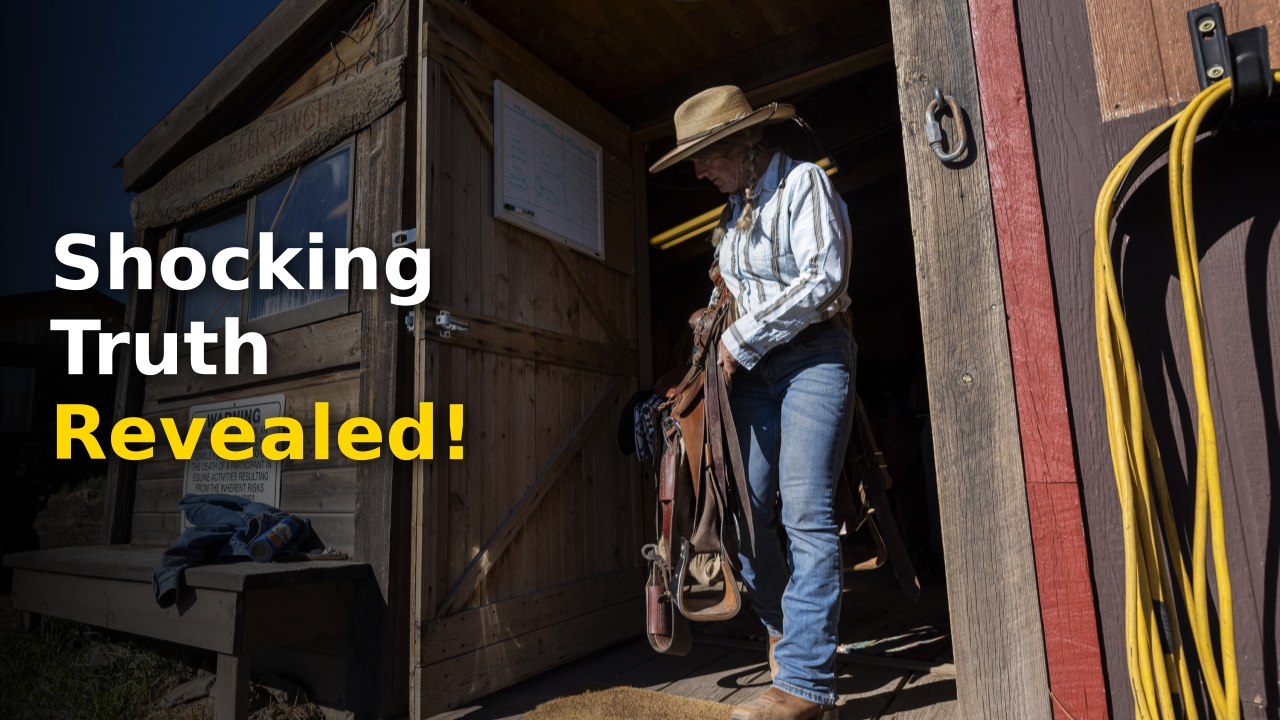
American rancher demographics are shifting at a breakneck pace, and if you have ever wondered who will be putting food on your table in the next decade, the answer might surprise you. With the average age of land stewards now hitting 60, a silent crisis is unfolding across the vast landscapes of the West, leaving millions of acres of fertile soil hanging in the balance.
You are looking at a pivotal moment in agricultural history where tradition meets an urgent, modern necessity. As veteran ranchers face the difficult reality of selling their legacies, a new wave of passionate, non-traditional apprentices is stepping up to shoulder the yoke, driven by a desire to heal the planet while securing our future food systems.
The American rancher Crisis Unveiled
The business model of traditional ranching is currently under intense pressure. You might not realize that many operations are operating on razor-thin profit margins of just 1-2%, making financial sustainability a constant uphill battle. Add in the volatility of partisan politics, the rising costs of equipment, and the persistent threat of climate change, and it becomes clear why many children of ranching families choose to pursue different career paths.
Chrissy McFarren, a first-generation owner of Badger Creek Ranch in Colorado, understands this struggle intimately. She witnesses firsthand how the lack of interest from the next generation threatens not just the livelihood of individual families, but the very stability of American food security. When land is sold due to a lack of succession, it often marks the end of an era for local ecosystems.
However, this is not just a tale of decline; it is a story of adaptation and resilience. The rise of the New Agrarian Program serves as a vital bridge, connecting motivated, environmentally conscious young people with seasoned mentors. These apprentices are learning that ranching can be a powerful tool for environmental restoration rather than a destructive industry.
These young trainees, many of whom have never touched a tractor or mended a fence, are bringing fresh energy and intellectual rigor to the field. They are not merely learning to raise cattle; they are mastering the complex science of regenerative agriculture. They see the irony in modern food systems and are dedicated to changing the narrative one acre at a time.
If you want to see how these individuals are navigating this transition, you can check out resources often highlighted by groups like Bright Celebrity that track social shifts in modern careers. The apprentices are proof that when purpose aligns with labor, people are willing to endure 24/7 hard work. This dedication suggests that the future of the West may be in better hands than most cynical observers might expect.

The mentors themselves are a diverse group of visionaries. They range from managers of massive, multi-hundred head cattle operations to those handling smaller, specialized residential herds. Despite their differences in scale, they share a common philosophy: the land must be stewarded, not just mined for resources. By teaching the next generation, they are effectively passing the torch of land health.
Why Regenerative Practices Matter
- Soil Health: Prioritizing the carbon cycle to ensure land remains productive for decades.
- Water Conservation: Managing grazing to prevent runoff and increase the soil’s water-holding capacity.
- Biodiversity: Using livestock to stimulate plant growth and provide habitats for local wildlife.
- Systemic Thinking: Moving away from heavy chemical inputs toward natural biological cycles.
Data on the Modern Ranching Pipeline
The numbers behind the current shift are quite revealing, showing a clear trend of younger, non-agricultural individuals entering the space. Below is a breakdown of how these programs are scaling to meet the demand of the modern landscape.
| Category | Metric / Detail |
|---|---|
| Average Age of Rancher | 60 Years Old |
| NAP Alumni Count | 170+ Graduates |
| Focus Area | Regenerative Land Management |
| Regional Reach | 7+ US Western States |
This data highlights the urgency of the movement. With 170 alumni already working in the field, there is a growing network of professionals who can share knowledge and advocate for policy shifts. Their success stories prove that this is not a niche experiment but a viable career path for the next generation.
Mentorship and Holistic Management
The relationship between mentor and apprentice is the heartbeat of this transition. It involves grueling, hands-on labor, from managing rotational grazing patterns to mastering complex virtual fencing technology. It is a masterclass in patience, as apprentices learn to observe the land before they attempt to change it.
For many apprentices, like Jordyn Ludeman, the motivation goes beyond just liking animals. It is about a fundamental belief that food production can and must exist in harmony with nature. When she describes the sound of cattle chewing on a fresh, managed pasture, she is describing a deep, visceral connection to the ecosystem that most of us have lost.
Mentors such as Julie Sullivan and George Witten have spent years proving that there is no inherent conflict between conservation and agriculture. Their journey, starting in the late 2000s, has paved the way for thousands of acres to be managed under holistic principles. They believe that if you look for common ground, you will find it in the soil.

The program structure includes ongoing Zoom education, in-person orientations, and hands-on clinics. This rigorous training ensures that when these young people head out on their own, they are prepared for the isolation and the immense responsibility of land stewardship. It is a comprehensive approach that treats ranching as an art as much as a science.
Skills Taught in Apprenticeships
- Stockmanship: Understanding animal behavior to reduce stress and improve health.
- Infrastructure: Building and repairing electric and traditional fencing.
- Technical Planning: Using software for land monitoring and rotational schedules.
- Financial Literacy: Analyzing business costs in a low-margin commodity market.
The reality is that these skills are disappearing from the general population. By formalizing the apprenticeship, these groups are preserving a form of traditional knowledge while integrating it with modern technology. It is a necessary synthesis for surviving the challenges of the 21st century.
The Future of American Landscapes
Despite the optimism, the reality of the American rancher lifestyle remains stark. The risk of burnout is high, and the financial hurdles are substantial. Some veteran ranchers still worry that these programs are offering a dream that the current economic reality cannot sustain. They fear that young, idealistic apprentices might eventually face the same wall of debt and exhaustion that pushed the previous generation away.
However, the movement is growing because it addresses a deeper hunger in the younger generation. As people feel more disconnected from their food and the land, the appeal of a life focused on physical work and tangible results is stronger than ever. The ability to see the literal fruits of one’s labor at the end of every day is an experience that modern offices rarely provide.
Furthermore, these apprentices are not working in a vacuum. They are building cooperatives, exploring direct-to-consumer marketing, and leveraging federal and private conservation grants. This business agility might be the very thing that saves the family-owned operation from being swallowed by industrial-scale conglomerates. Innovation in the business model is just as important as innovation in the pasture.
Ultimately, the goal is to create a food system where producers are rewarded for the environmental benefits they provide, not just the volume of meat they sell. By proving that regenerative ranching can sequester carbon and improve water cycles, these young ranchers are positioning themselves as vital partners in the fight against climate change. They are not just ranchers; they are climate heroes working in disguise.
Reflecting on New Agrarian Potential
The transformation we are seeing in the rural West is profound. It is a shift from extraction to restoration, driven by a generation that refuses to accept the status quo. If you care about where your food comes from, you have a stake in the success of these programs.
The path ahead will not be easy, and there will be many who fail, but the mere existence of this pipeline is a massive victory. It provides a doorway for the ambitious, the curious, and the brave to enter a life that is as challenging as it is rewarding. We must support these efforts because, as McFarren stated, if we do nothing, the loss of these lands is all but guaranteed.
Finally, keep an eye on how these young professionals influence future policy. Their firsthand experience with the limitations of the current system makes them the most qualified advocates for real, lasting change in American agriculture. The legacy of the American rancher is safe, provided we continue to invest in the people ready to pick up the shovel and the pen. To explore more about this ongoing transformation, you can read more about global land use updates on major news platforms.
More Like This
For more updates, check out our latest entertainment and sports news.