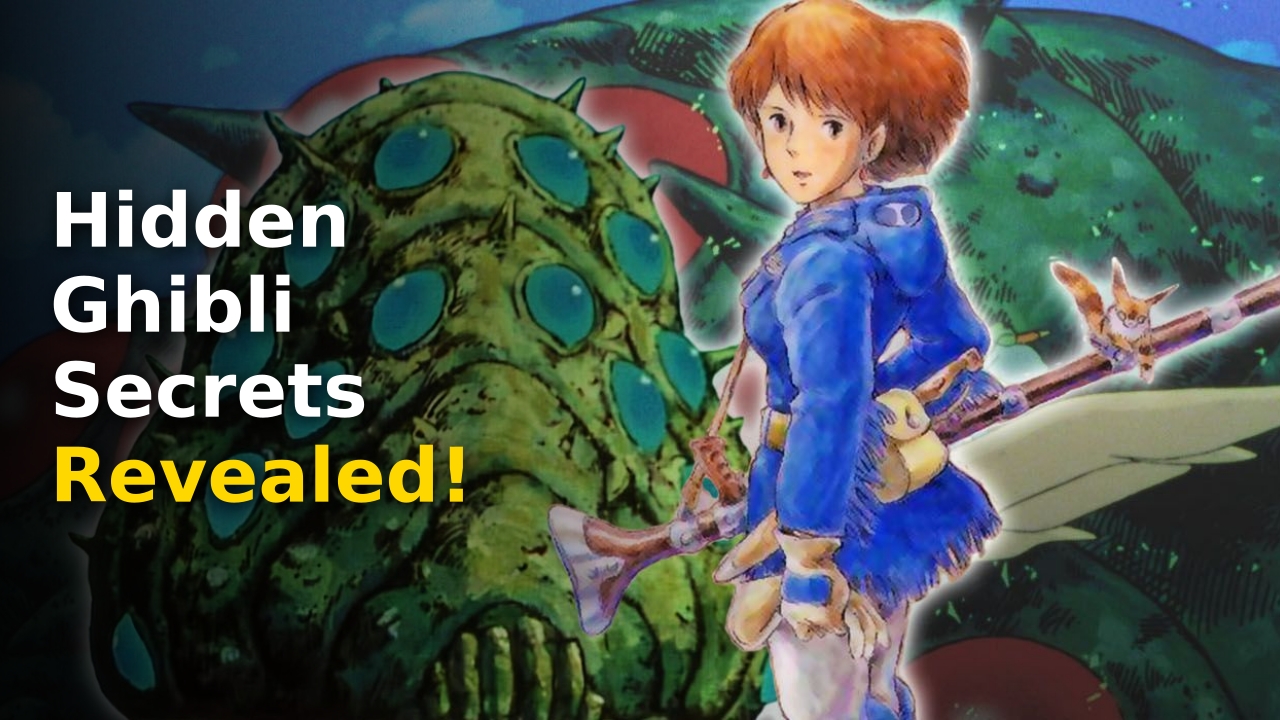
Nausicaa origins define the very foundation of modern animation, yet most fans have no idea that the legendary masterpiece was initially laughed out of the boardroom. You might think Hayao Miyazaki always had a golden ticket to success, but the reality behind the birth of this post-apocalyptic epic is a gritty tale of corporate rejection and creative defiance.
Before Studio Ghibli became the global animation powerhouse we adore today, a young Hayao Miyazaki was just another dreamer pitching to a skeptical committee. If you have ever wondered why the world of Nausicaa of the Valley of the Wind feels so dense and lived-in, it is because it was never supposed to be just a simple movie.
Understanding Nausicaa Origins And Rejection
The journey toward the 1984 release of Nausicaa was fraught with professional peril for Toshio Suzuki. As a former editor at Animage magazine, Suzuki had the vision, but the Tokuma Shoten film planning committee was firmly rooted in the standard industry practice of only backing established franchises.
To these executives, an original story from an unproven director in the film space was a financial death trap. They demanded a proven track record, which Miyazaki lacked in the feature film department at that specific moment in his career. The rejection was swift, leaving the creative team with two choices: abandon the vision or find a way to circumvent the corporate gatekeepers.
Miyazaki chose defiance, famously stating that he would only draw the manga if he could use the medium to express concepts impossible to translate into a traditional film structure. This pivot allowed him to flesh out the dark, complex lore of the Giant Warriors and the malignant mold that defines the wasteland. You can see how this depth forced the studio’s hand when the manga began selling out.
The success of the serialized manga gave Suzuki the ammunition he needed to return to the committee with proof of concept. It was a strategic gamble that transformed the landscape of anime history forever. For more updates on the legendary director, check out this exclusive industry retrospective for deep dives into his creative process.

By the time the movie was finally greenlit, the production team at Studio Top Craft was hungry to push boundaries. You can see the result of this creative freedom in every frame of the final film. The production didn’t just meet expectations; it shattered them by introducing raw, experimental animation techniques that had never been seen on a large scale.
Defining The Creative Conflict
- Corporate Stagnation: The 1980s industry was terrified of original intellectual property.
- The Manga Pivot: Miyazaki utilized the serialization process to bypass the committee’s narrow film requirements.
- Deep Worldbuilding: The manga included socio-political layers involving the Tolmekian forces that were far too complex for a standard two-hour film.
- Artistic Purity: Miyazaki refused to treat the manga as a mere storyboard for a film, ensuring it remained a standalone piece of art.
Data And Impact Analysis
The numbers behind Nausicaa prove that risk-taking pays off. While the committee initially feared a loss, the film went on to achieve significant financial success that paved the way for the establishment of Studio Ghibli in 1985. The following breakdown illustrates the impact of this legendary production.
| Metric | Details |
|---|---|
| Domestic Earnings | 1.48 Billion Yen |
| Release Date | March 11, 1984 |
| Key Animator | Yoshinori Kanada |
| Manga Conclusion | March 1994 |
The time investment required for specific sequences, such as the Tolmekian ship crash, highlights the painstaking attention to detail that became a Ghibli trademark. Yoshinori Kanada famously spent three full days on a sequence that might have taken five minutes under normal circumstances. This dedication to quality is why the film remains a cultural landmark globally.
You should consider that the film only covers a fraction of the manga’s total narrative. The serialized version continued for a full decade, ending in 1994, which gave Miyazaki the space to explore the moral ambiguity of Nausicaa’s role as a leader. This is not just a children’s story; it is a complex commentary on environmental collapse and human warfare.
The inclusion of figures like Hideaki Anno, who worked as an animator on this project before changing the world with Neon Genesis Evangelion, shows the caliber of talent involved. It was an incubator for the geniuses of the next three decades. Every frame you watch reflects this synergy of brilliant minds pushing against a system that wanted them to be safe.
Today, streaming availability on platforms like Netflix ensures that new generations of viewers can discover these origins. You are witnessing the blueprint for everything from Princess Mononoke to Howl’s Moving Castle. The rejection by the committee was, in retrospect, the greatest favor they could have done for the history of animation.
The Legacy And Final Thoughts
Looking back, the story of Nausicaa origins is a powerful reminder that true innovation often faces initial hostility. Miyazaki’s insistence on artistic integrity over corporate convenience created a vacuum that allowed Studio Ghibli to emerge with a distinct, uncompromising identity. You are seeing the ripple effects of that decision in every modern animated masterpiece.
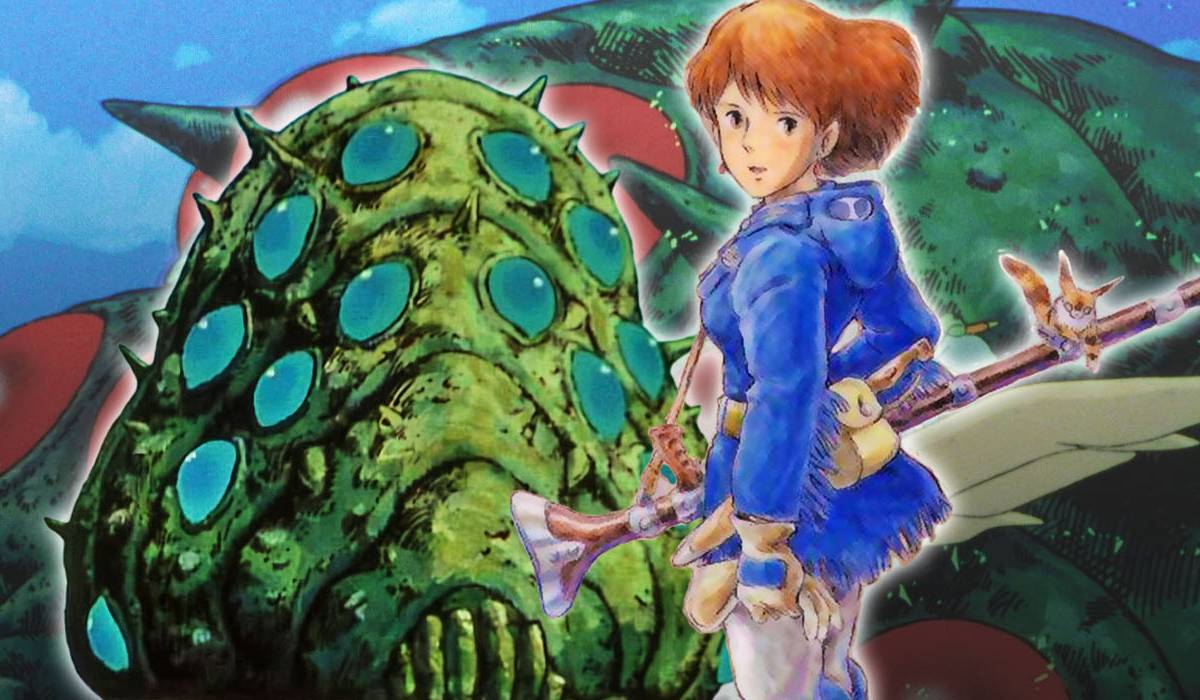
Whether you are a longtime fan of the manga or someone discovering the film for the first time, understanding the struggle behind the curtain adds a layer of depth to every scene. The malignant mold, the military politics, and the botanical discoveries all trace back to that one bold decision to create something original when told it was impossible. It is this tenacity that solidified Miyazaki as the undisputed master of his craft.
Ultimately, this history serves as a blueprint for creatives everywhere. When you face a rejection of your vision, remember the path taken by the Valley of the Wind. It took ten years to finish the manga and a lifetime of dedication to build the studio, but the result is a permanent piece of human history. The legacy of these Nausicaa origins will continue to inspire for generations to come, proving that the best ideas are often those that force the world to change its rules.
More Like This
For more updates, check out our latest entertainment and sports news.