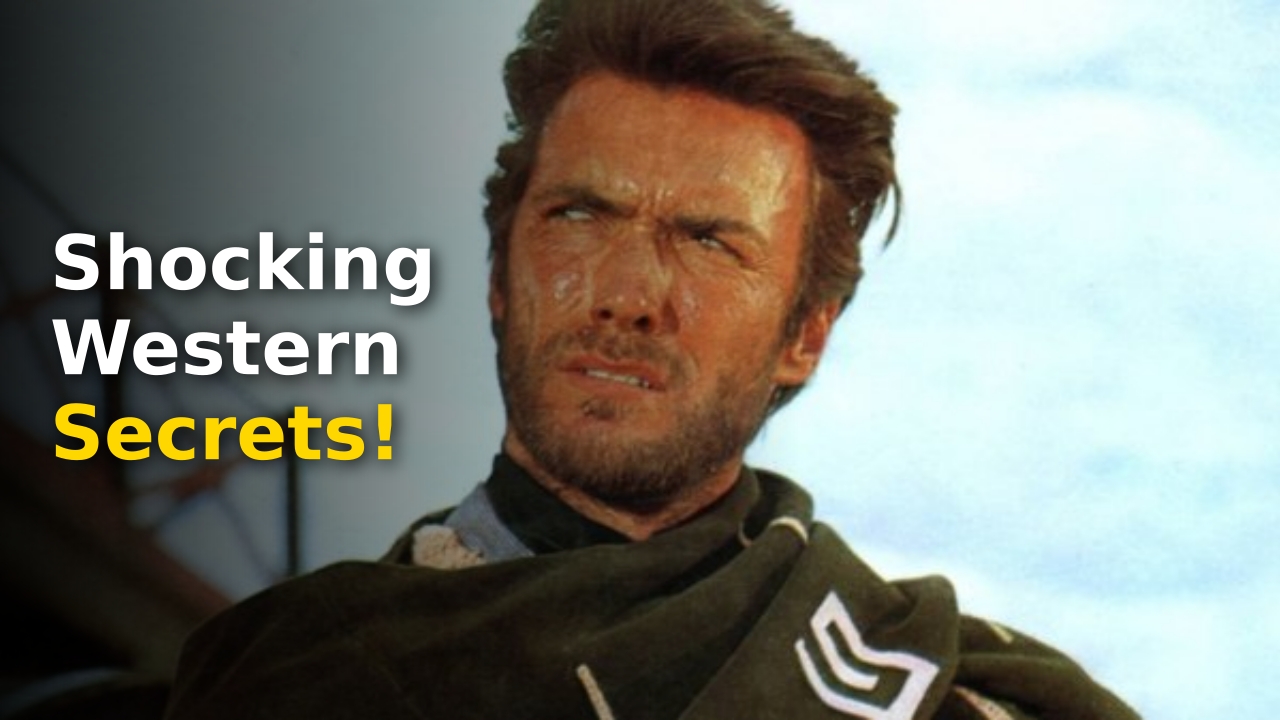
Did you know that a film rejected by Hollywood executives would change cinema history forever? If you think you know everything about classic cowboy cinema, you are in for a massive surprise. This legendary Eastwood Western completely redefined the cinematic landscape exactly sixty-two years ago.
You are likely familiar with the rugged, squint-eyed glare of a young Clint Eastwood. In 1964, an obscure Italian director named Sergio Leone took a massive gamble on an American television actor. The result was A Fistful of Dollars, a raw cinematic masterpiece that instantly shattered the squeaky-clean image of the traditional American cowboy.
This grit-soaked classic bypassed traditional Hollywood storytelling rules to deliver something entirely unprecedented. Today, film historians and casual viewers alike celebrate this masterclass in tension, style, and atmosphere. Let us uncover the raw history, legal battles, and chaotic behind-the-scenes moments that forged this immortal genre milestone.
The Eastwood Western Revolution
Before this landmark release, the American cinematic landscape was saturated with white-hatted heroes who followed strict moral codes. You saw spotless outfits, polite dialogue, and idealized versions of the American frontier. Sergio Leone despised this sanitized depiction and sought to expose the brutal reality of the old West.
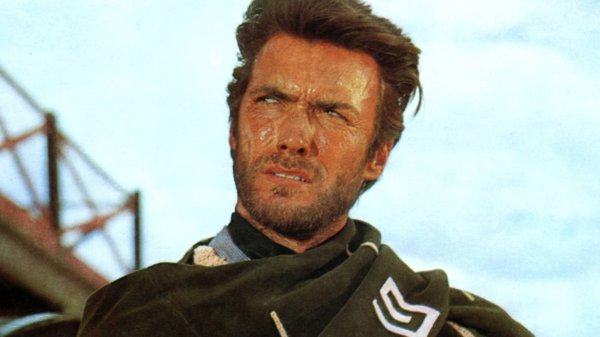
By casting Clint Eastwood, the director found the perfect vessel for his cynical vision. The actor was then known for his clean-cut role in the television series Rawhide. Stepping into the poncho of the Man with No Name allowed him to shatter his wholesome image completely.
This iconic Eastwood Western style relied heavily on visual storytelling rather than endless pages of dialogue. You felt the dry heat, the tension in the air, and the moral ambiguity of every single character on screen. It was a stylistic shockwave that left traditional Hollywood executives completely stunned.
Shaking Up Hollywood
- The film introduced the concept of the anti-hero to mainstream global audiences.
- Graphic, stylized violence replaced the bloodless shootouts of older cinema.
- Extreme close-ups of dirty faces and sweaty brows created unprecedented intensity.
The transition was not easy for the young actor, who initially doubted the project. He had to purchase his own black cigars, which he famously hated smoking. He also bought his trademark olive-colored poncho from a local shop in Spain.
These simple costume choices became the visual definition of the cool, dangerous loner. Audiences had never encountered a protagonist who acted purely out of self-interest rather than classic heroism. This shift created a template that filmmakers still copy today.
The sheer impact of this performance launched a global phenomenon. It paved the way for two iconic sequels, creating a legendary trilogy. Today, you can find exclusive celebrity insights about how this single role defined a legendary Hollywood career.
Behind The Scenes Drama
Filming in the barren landscapes of Almería, Spain was a chaotic and highly disorganized experience. The crew had a shockingly low budget of just $200,000 to bring this vision to life. Communication was a massive hurdle, as the director spoke very little English.
Clint Eastwood relied heavily on his physical acting and subtle facial expressions to communicate with the crew. He actively cut his own dialogue, believing that the less his character spoke, the more mysterious he became. This brilliant instinct turned a low-budget Italian production into a masterclass in silent charisma.
The chaotic set lacked the luxury of standard Hollywood features. Actors from different countries spoke their native languages during filming, meaning everyone had to be dubbed in post-production. This unusual process created a dreamlike, disjointed atmosphere that actually enhanced the final film.
The Battle with Kurosawa
- The plot was a direct, unauthorized remake of the 1961 Japanese classic Yojimbo.
- Director Akira Kurosawa famously wrote a letter to Leone praising the film but demanding his share of the profits.
- A massive lawsuit delayed the official release of the film in the United States until 1967.
The legal dispute was eventually settled out of court, with the Japanese filmmakers receiving fifteen percent of the worldwide box office. This settlement turned out to be incredibly lucrative for the original creators. The massive success of the remake ensured everyone involved made a fortune.
Despite the legal drama, the movie solidified its place as a groundbreaking piece of art. It proved that great stories could transcend cultural barriers, moving from samurai-era Japan to the dusty plains of the West. This cross-cultural adaptation changed the way studios viewed international intellectual property.
The raw, unpolished nature of the production became its greatest strength. You can feel the hunger of a crew trying to make a masterpiece out of nothing. It remains a testament to what filmmakers can achieve with sheer passion and limited resources.
The Music of Morricone
You cannot discuss this cinematic triumph without praising the genius of composer Ennio Morricone. The legendary musician was a childhood classmate of the director, and their reunion proved to be historic. With almost no budget for a full orchestra, he had to get highly creative.
Instead of traditional symphonies, he used whistling, whip cracks, electric guitars, and haunting gunshots. This sonic landscape became just as famous as the iconic visuals themselves. It elevated the simple story into an epic, operatic experience.
The music did not just sit in the background; it actively drove the emotional weight of each scene. The whistling theme song became an instant cultural earworm that still evokes the mystery of the desert. It redefined how filmmakers used sound design to build suspense.
A Sonic Revolution
- Morricone used the whistling of master whistler Alessandro Alessandroni to create the lead melody.
- The use of the Fender Stratocaster electric guitar added a modern, rock-and-roll edge to the film.
- The sound effects were mixed directly into the music tracks, blending reality with score.
The score proved that film music could be highly experimental and incredibly catchy at the same time. It established a lifelong partnership between the director and composer that lasted for decades. Their subsequent collaborations would yield some of the greatest soundtrack albums of all time.
Even today, this unique musical style is instantly recognizable to audiences of all generations. It has been sampled, parodied, and honored in countless modern movies, video games, and television shows. The music remains a key pillar of the film’s undying legacy.
Without these experimental sounds, the movie would have lost its distinct, surreal energy. The combination of gritty visuals and operatic music created a brand-new sensory experience. It proved that cinema could be both high art and wildly entertaining.
Box Office Power Play
The financial success of this low-budget Italian import shocked the entire global film industry. It took several years to reach American shores due to the lingering legal disputes with Japanese studios. Once it arrived in 1967, the film became an absolute box office juggernaut.
Audiences lined up around blocks to experience the gritty realism they had been denied by traditional studios. The movie earned over $14.5 million during its initial run in the United States alone. This massive return on a tiny initial investment changed the way studios calculated risk.
This incredible performance proved that international films could easily compete with major Hollywood productions. It launched the highly lucrative Spaghetti Western craze, which dominated global cinemas for the next decade. Hundreds of similar films were rushed into production to capitalize on the trend.
| Film Title | Release Year | Estimated Budget | US Box Office |
|---|---|---|---|
| A Fistful of Dollars | 1964 | $200,000 | $14.5 Million |
| For a Few Dollars More | 1965 | $600,000 | $15.0 Million |
| The Good, the Bad and the Ugly | 1966 | $1.2 Million | $25.1 Million |
The numbers demonstrate the explosive growth of the franchise as audiences grew to love the series. Each sequel received more funding, allowing the creators to expand their creative boundaries. The trilogy remains one of the most profitable runs in cinematic history.
These financial milestones forced traditional American directors to rethink their approach to filming action sequences. The slow-paced, theatrical style of older films was permanently replaced by rapid editing and stylized violence. It was a massive wake-up call for the old Hollywood establishment.
Today, the financial legacy of the trilogy is studied in film schools across the globe. It stands as a prime example of how creative marketing and stylistic innovation can overcome tiny budgets. The success of this trilogy forever altered the business of independent filmmaking.
The Lasting Cinematic Legacy
You can still feel the massive influence of this cinematic masterpiece in modern filmmaking. Legendary directors like Quentin Tarantino and Robert Rodriguez constantly credit this movie as a major inspiration. Its stylized violence and cool attitude laid the groundwork for modern action cinema.
The legendary anti-hero archetype created in this film is now a staple of modern storytelling. From grit-soaked comic book movies to high-budget television dramas, the DNA of the Man with No Name is everywhere. He proved that audiences could love a flawed, dangerous protagonist.
The movie also saved the Western genre from fading into absolute obscurity. By injecting a healthy dose of European cynicism and modern style, the creators made the genre cool again for younger generations. It showed that old formulas could be successfully revitalized with the right creative spark.
The Impact on Pop Culture
- The signature poncho and cigar look remains one of the most parodied costumes in media.
- The standoff mechanics developed in the film are still copied by modern action choreographers.
- Its visual style heavily influenced the look of modern comic book movies and gritty action series.
The film was painstakingly restored to preserve its brilliant, sun-drenched cinematography for future generations. Watching it today, you will find that the raw tension and stark visuals have not aged a single day. It remains just as thrilling and dangerous as it was sixty-two years ago.
The brilliant use of silence and space continues to be a vital lesson for aspiring screenwriters. It proves that you do not need endless dialogue to tell a compelling, deeply emotional story. Sometimes, a simple look or a hand hovering over a holster is more than enough.
The undying popularity of the film ensures that it will continue to inspire audiences for decades to come. It represents a magical moment in time when creative genius, raw luck, and a legendary star aligned perfectly. The resulting masterpiece remains an absolute high-water mark for international cinema.
An Eastwood Western Legacy
The timeless nature of this classic Eastwood Western ensures its permanent place in the pantheon of cinema. You can watch it today and still feel the raw energy that shocked filmgoers over six decades ago. It remains the ultimate benchmark for the entire cinematic genre.
Through legal battles, massive language barriers, and tiny budgets, the creators managed to forge absolute gold. The movie did not just change the career of its leading man; it reshaped the entire global entertainment industry. It proved that bold, uncompromising artistic choices could conquer the world.
As you look back on the history of cinema, very few films retain their power so completely. This undisputed masterpiece continues to outshine every other rival in the genre with ease. It remains a glowing testament to the raw power of pure, unfiltered visual storytelling.
More Like This
For more updates, check out our latest entertainment and sports news.