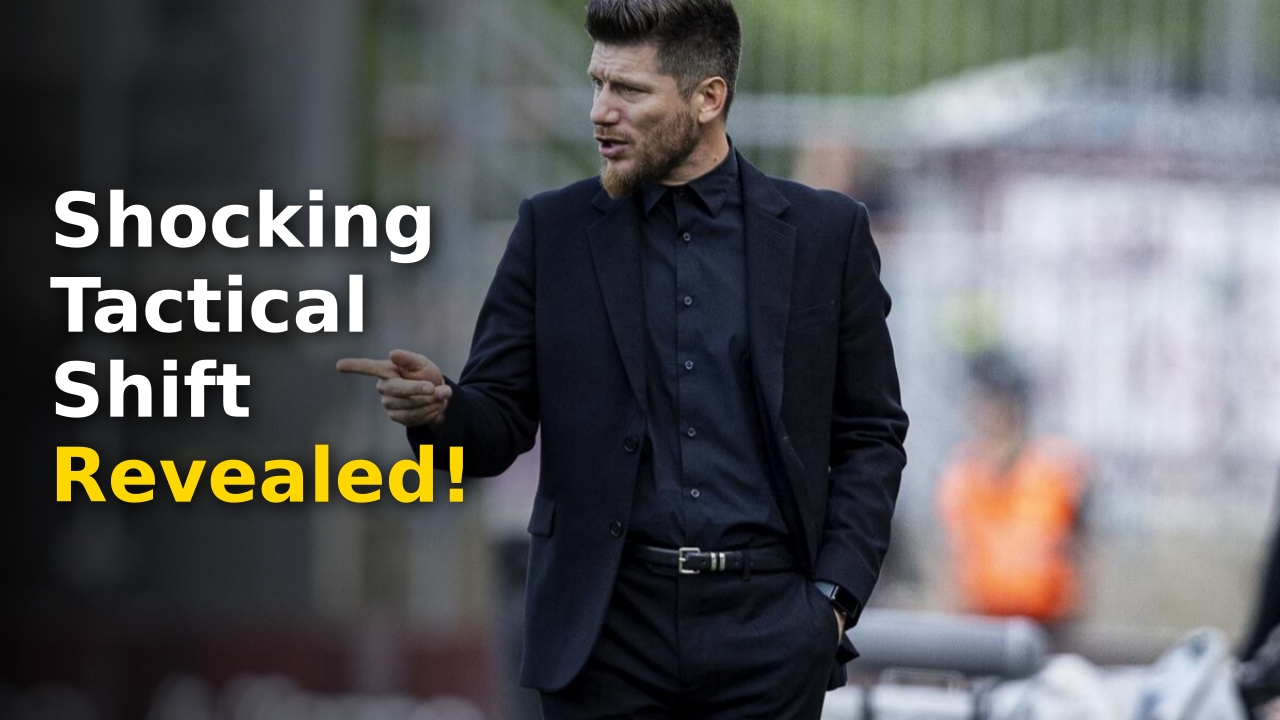
Sébastien Pocognoli has just been handed the keys to the Scottish national team in a move that has sent shockwaves through the international football community. You might be wondering how a 39-year-old Belgian tactician ended up leading the Tartan Army after their disappointing 2026 World Cup exit. The Scottish Football Association made the announcement this Sunday, confirming that the former Union Saint-Gilloise boss will take over the reins immediately.
This decision comes as a direct response to the resignation of Steve Clarke, who stepped down after failing to guide Scotland past the group stages in the recent World Cup 2026. You can feel the tension in Hampden Park as fans anticipate a complete tactical overhaul under this young, energetic leader. The Sébastien Pocognoli era is officially here, and it promises to be a wild ride for everyone involved in Scottish football.
The contract signed by the Belgian is an initial two-year deal designed to cover the upcoming UEFA Nations League campaign and the lead-up to future major tournaments. This strategic move by the SFA signals a desire for fresh ideas and a more modern approach to the beautiful game. You are looking at a manager who isn’t afraid to take risks and has already proven he can win trophies under immense pressure.
Sébastien Pocognoli Reshapes Scottish Football
Sébastien Pocognoli arrives in Glasgow with a reputation for being a meticulous student of the game who demands absolute discipline from his players. His appointment isn’t just about filling a vacancy; it is about changing the very DNA of how the national team operates on and off the pitch. You will notice that the SFA is betting heavily on his ability to develop young talent and implement a high-pressing system.
During his time as a player, the Belgian was a rugged left-back who understood the tactical nuances required to succeed at the highest levels of European competition. He played for prestigious clubs like Standard Liège and AZ Alkmaar, where he absorbed knowledge from legendary coaches. This deep understanding of the game is exactly what Scotland needs to bridge the gap between their current standing and the elite teams of Europe.
The new manager expressed his immediate excitement upon hearing about the interest from the Scottish FA, stating it was an honor he couldn’t refuse. He takes over a squad that has shown flashes of brilliance but lacks the consistency to dominate in major tournaments. Sébastien Pocognoli will need to hit the ground running as the Nations League schedule looms large on the horizon.
Fans are already debating whether his lack of experience at the international level will be a hindrance or a breath of fresh air. However, his recent domestic success suggests that he thrives when the stakes are at their highest. You can expect a very different Scotland team to take the field in the coming months as he implements his philosophy.
The 39-year-old is known for his ability to connect with players on a personal level, a trait that often leads to high levels of squad harmony. This was a hallmark of his success in Belgium, and the SFA believes it will translate well to the Scottish dressing room. Bringing in a foreign perspective might be the key to unlocking the potential of players like John McGinn and Scott McTominay.
As he prepares for his first training sessions, the eyes of the nation will be fixed on his every move and tactical decision. Sébastien Pocognoli represents a bridge between the traditional grit of Scottish football and the technical proficiency of the modern continental game. This appointment is a massive gamble, but the potential rewards are even greater for a nation starving for success.

Key Objectives for 2026
- Establishing a clear tactical identity within the first six months of tenure.
- Securing promotion or maintaining status in the UEFA Nations League.
- Integrating the next generation of Scottish Premiership stars into the senior setup.
- Improving the national team’s performance against top-tier FIFA ranked opponents.
- Building a recruitment bridge between youth academies and the first team.
Breaking the Steve Clarke Era
The departure of Steve Clarke marks the end of a seven-year chapter that saw Scotland return to the global stage after decades of absence. Clarke was credited with restoring pride to the jersey and qualifying for both the European Championship and the World Cup. However, the stagnation in results during the 2026 World Cup forced the federation to look in a new direction.
You have to respect the foundation Clarke built, but the modern game waits for no one, and the tactical gap was becoming evident. Sébastien Pocognoli must now take that foundation and build a structure capable of competing with the world’s best. The transition period will likely be difficult as players adjust to a vastly different style of management and training intensity.
The SFA spent weeks vetting candidates before deciding that the Belgian’s profile matched their long-term vision for the sport. They weren’t just looking for a coach; they were looking for a visionary who could inspire a generation of fans. Clarke’s exit was emotional, but the consensus among pundits is that a change was necessary to avoid a total regression.
Interestingly, Sébastien Pocognoli has already faced many of the challenges that await him in Scotland during his time in the Belgian Pro League. He knows how to work with limited resources and transform them into a championship-winning machine. You can read more about how football legends transform their careers at brightcelebrity.com as we track these coaching transitions.
The pressure on the new boss is immense, as the Scottish public is notoriously demanding and expects immediate improvements in style of play. Unlike Clarke, who favored a more pragmatic and defensive approach, Pocognoli is expected to introduce a more expansive brand of football. This shift will require a significant change in mindset for the defensive unit and the midfield core.
Observers have pointed out that Steve Clarke had perhaps taken this specific group of players as far as they could go under his system. By bringing in Sébastien Pocognoli, the federation is essentially hitting the reset button on their tactical approach while keeping the core talent intact. It is a bold strategy that will be tested in the fiery atmosphere of Hampden Park very soon.
Coaching Triumphs and USG Glory
To understand why Sébastien Pocognoli was the top choice, you have to look at his miraculous run with Union Saint-Gilloise. In his first full season as a head coach, he did the unthinkable by winning the Belgian Pro League title. This was the club’s first championship in 90 years, a feat that instantly made him a legend in Brussels.
His success didn’t stop there, as he also secured the club’s first-ever qualification for the UEFA Champions League group stages. He followed this up by winning the Belgian Super Cup, proving that his league win was no fluke. These achievements earned him the Belgian Coach of the Year award, beating out several veteran managers in the process.
Following his historic run in Belgium, he was headhunted by AS Monaco in 2025, where he continued to refine his coaching methods in Ligue 1. His time in France allowed him to work with some of the most expensive talents in the world, further preparing him for the pressures of international management. You can see why the SFA was so enamored with his resume despite his relatively young age.
As a player, he was heavily influenced by Louis van Gaal during their time together at AZ Alkmaar, where they won the Eredivisie. This exposure to high-level Dutch tactical training clearly left a mark on his coaching philosophy, which emphasizes positioning and ball retention. Sébastien Pocognoli has a knack for making his teams greater than the sum of their individual parts.
His playing career also took him to the English Premier League with West Bromwich Albion and Brighton & Hove Albion. This experience gives him a unique insight into the British style of play, which will be invaluable when dealing with the physical nature of Scottish football. He knows exactly what it takes to survive and thrive in the fast-paced environments of the UK.
The Belgian has always been a winner, whether on the pitch as an international defender or on the touchline as a strategist. His ability to adapt to different leagues and cultures is a testament to his intelligence and work ethic. Scotland fans are hoping that this winning mentality will finally rub off on a national team that has struggled to find its identity in big moments.
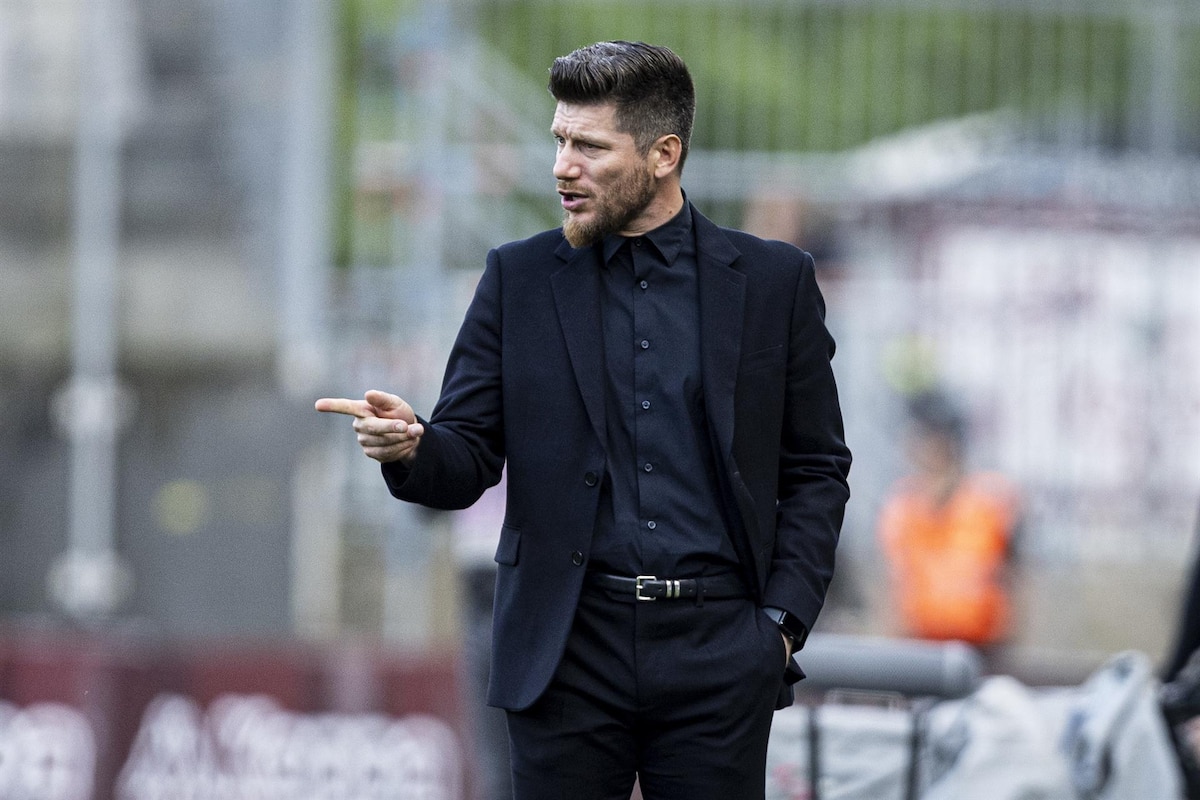
Sébastien Pocognoli Career Fact Sheet
Before he leads Scotland into their next battle, it is important to look at the hard data behind his rapid rise in the world of football. The following table highlights the key milestones that defined his journey from an elite defender to one of Europe’s most sought-after young managers. You can see the consistency in his achievements across different roles and responsibilities.
| Category | Achievement / Detail |
|---|---|
| Major Honors | Belgian Pro League, Belgian Super Cup, Eredivisie (Player) |
| Individual Awards | Belgian Coach of the Year (2024) |
| Former Clubs (Player) | Genk, AZ Alkmaar, Hannover 96, West Brom, Brighton |
| Coaching Debut | Union Saint-Gilloise (USG) |
| International Caps | Full Belgian International |
| Contract Duration | 2-Year Initial Deal (Scotland) |
Trivia You Didn’t Know
- He played under Louis van Gaal, known for his strict tactical discipline.
- He ended USG’s 90-year wait for a top-flight trophy in his rookie season.
- Pocognoli was a versatile defender who specialized in set-piece delivery.
- He is fluent in multiple languages, making him a great communicator for a diverse squad.
- He is the first Belgian to ever manage the Scotland men’s senior team.
Tactical Shifts for Nations League
You can expect Sébastien Pocognoli to move away from the five-at-the-back system that became a staple under his predecessor. His preference has historically been a dynamic 4-3-3 or a 4-2-3-1 that emphasizes wing play and overlapping full-backs. This could be great news for the attacking players who often found themselves isolated in previous matches.
The Belgian’s philosophy is built on the principle of “controlled aggression,” where the team presses high but remains structurally sound. This requires a level of fitness that the Scottish players will have to reach before the next round of Nations League fixtures. He believes that winning the ball back in the final third is the most effective way to create high-quality scoring chances.
Another key element of his strategy is the use of “inverted wingers” to create numerical advantages in the midfield. You will likely see players like Lewis Morgan or Ben Doak taking on more prominent roles under this new regime. According to official reports on FIFA.com, tactical flexibility is now the most sought-after trait in modern international coaching.
The coaching staff that Sébastien Pocognoli brings with him will also play a crucial role in this transition. He is expected to hire specialists in sports science and data analysis to give Scotland a competitive edge. This holistic approach to management is something that has been missing from the national setup for quite some time.
Defensive solidity remains a priority, but the method of achieving it will change from deep-sitting blocks to proactive interception. The Belgian wants his defenders to be comfortable on the ball and capable of starting attacks from the back. This might be a challenge for some of the more traditional Scottish center-halves who are used to a “clearance-first” mentality.
Ultimately, the goal is to make Scotland a team that other nations fear to play because of their technical ability, not just their physical presence. Sébastien Pocognoli is confident that the talent exists within the country to make this vision a reality. The Nations League will serve as the perfect laboratory for these tactical experiments.
Future Expectations for the Tartan Army
The long-term success of Sébastien Pocognoli will be measured by whether he can qualify for the 2028 European Championships. While the immediate focus is on the Nations League, the overarching goal remains returning Scotland to the knockout rounds of a major tournament. The fans have been patient, but that patience has limits, and results must follow the tactical changes.
One of the most exciting prospects of this appointment is his history with youth development. Scotland has a wealth of emerging talent in their under-21 ranks, and Pocognoli has a proven track record of giving youngsters a chance to shine. You might see a younger, faster, and more technically gifted squad taking shape over the next 24 months.
The financial backing from the Scottish FA for this new project suggests they are fully committed to his vision. They recognize that to keep pace with nations like Belgium, Denmark, and Switzerland, they need a modern coach who understands the global landscape. Sébastien Pocognoli is the man they believe can deliver that modernization.
As the news sinks in, the Scottish fans are cautiously optimistic about what the future holds. There is a sense that the Steve Clarke era was a necessary stepping stone, but Pocognoli is the one who can take them to the next level. The Belgian’s journey from a top-tier defender to an elite coach has been nothing short of remarkable.
You should keep a close eye on the first squad announcement, as it will provide the first real clues into his thinking. Will he stick with the old guard, or will he perform a radical surgery on the roster? Either way, the Sébastien Pocognoli era is guaranteed to be one of the most talked-about periods in the history of the Scotland National Team.
In the end, football is a results-based business, and the Belgian knows that his honeymoon period will be short. He has the tactical brain, the international experience, and the drive to succeed in one of the toughest jobs in football. Only time will tell if Sébastien Pocognoli can truly become the savior that the Tartan Army has been waiting for.
More Like This
For more updates, check out our latest entertainment and sports news.