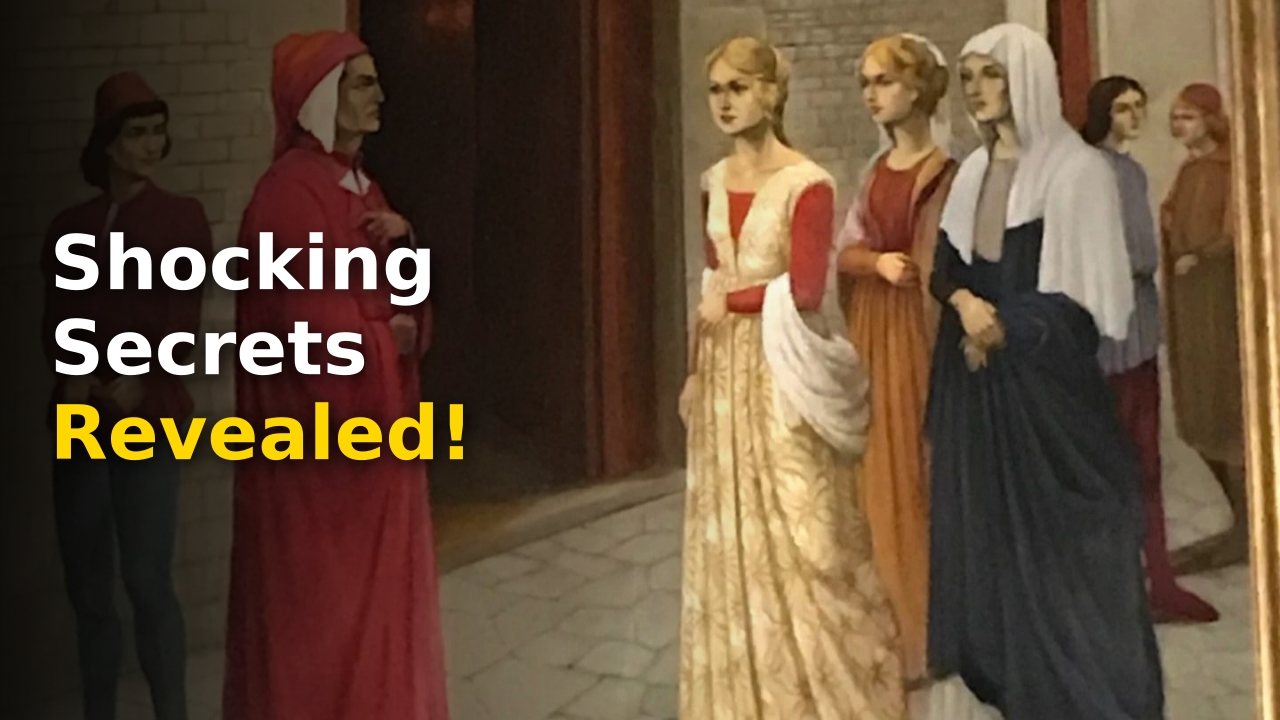
Stil Novo remains one of the most enigmatic and transformative intellectual shifts in history, forever altering how humanity perceives the depths of romantic desire. Have you ever wondered why your deepest emotional longings feel like a spiritual awakening rather than a simple human impulse? This phenomenon traces its roots directly back to the 13th-century Tuscany, where poets decoded the mechanics of the human heart.
You are stepping into a world where poetry was not just ink on parchment, but a visceral, soul-altering experience that bridged the gap between the mundane and the divine. This movement turned the cold, aristocratic codes of the past into a laboratory of the soul, pushing the boundaries of what it means to be truly alive.
Stil Novo and Human Evolution
The movement known as the Stil Novo did not start as an organized institution but as a spontaneous combustion of creativity in cities like Bologna and Florence. Authors like Guido Guinizzelli and Guido Cavalcanti abandoned traditional tropes to explore the psychological impact of love on the individual. This was a radical break from the past, shifting the focus from external courtship to internal transformation.
In the eyes of these poets, the beloved woman was no longer a trophy but a bridge to a higher, enlightened state of consciousness. This elevation of the feminine figure served as a catalyst for the lover’s spiritual journey, a concept that paved the way for modern psychological inquiry. You might recognize this evolution in the way we talk about ‘soulmates’ today—a direct inheritance from these medieval visionaries.
Guinizzelli famously proclaimed that love and the noble heart are one and the same, suggesting that only those with elevated spirits could truly grasp the power of passion. This ‘nobility’ was not about bloodlines or titles, but about the innate capacity to feel deeply and reflect on the consequences of that feeling. It turned the streets of Italy into a theater of the mind.
As you explore this, you see that the movement was also a battlefield of conflicting emotions. While some focused on the light of spiritual transcendence, others like Cavalcanti explored the darkness—the madness and fragmentation that occur when human desire exceeds the capacity of the mind to control it. 
This dichotomy between spiritual elevation and physical torment creates a rich, complex texture for the reader. It is a mirror for our own lives, where we often struggle to balance our highest aspirations with our basest instincts. You can learn more about how historical movements shape contemporary celebrity culture by checking out the insights at current cultural trends.
By turning the gaze inward, these poets anticipated the rise of humanism and the Renaissance. They proved that the most important landscapes in history are not the ones we walk upon, but the ones we cultivate within our own minds. Their legacy is the very concept of the ‘interior life’ that we hold so dear today.
Defining the Core Pillars
- Spiritual Elevation: Viewing love as a ladder to divinity.
- Introspection: Analyzing the psychological state of the lover.
- The Noble Heart: Defining virtue through emotional depth.
- Divine Presence: Transforming the beloved into a holy intermediary.
- Emotional Torment: Exploring the dark, chaotic side of desire.
- Linguistic Innovation: Creating a new, harmonious lexicon for passion.
Comparative Analysis of Poetic Eras
| Era | Primary Focus | View of Love |
|---|---|---|
| Sicilian School | Courtly ritual | Social duty |
| Stil Novo | Spiritual introspection | Internal transformation |
| Renaissance | Humanism | Rebirth of classicism |
To fully grasp the magnitude of this shift, one must look at the historical context of the 13th Century. The rise of independent cities, the growth of the merchant class, and the clash between religious and secular power created the perfect conditions for a cultural explosion. This was not a quiet evolution; it was a loud, intellectual revolution that shook the foundations of Europe.
Consider how Dante Alighieri used these building blocks to craft the Divina Comedia. Without the precedent of the Stil Novo poets, his journey from the depths of hell to the heights of paradise would lack the necessary psychological scaffolding. Beatrice, the muse who guided him, represents the ultimate embodiment of these poetic ideals—a woman whose mere presence was enough to rewrite the laws of the universe.
Historians often point to the connection between these poets and the political instability of Florence. As the city wrestled with internal strife, poets sought refuge in the idealized perfection of their inner worlds. This provides a fascinating look at how art functions as an escape from reality while simultaneously defining it.
You might be surprised to learn that this style was not universally accepted at the time. Traditionalists criticized the new movement for being too complex, too subjective, and perhaps even bordering on the heretical. Yet, the emotional resonance of their work was too powerful to suppress, eventually becoming the standard for all Italian literature to follow.
As you study the nuances of this era, keep in mind that these poets were essentially the ‘celebrities’ of their day, often engaging in fierce public debates through their verses. Their rivalries and alliances form a compelling narrative that mirrors the high-stakes world of today’s social influencers. For a deeper dive into historical figures, check out detailed archives on these poets.
The Legacy of Dante’s Muse
The influence of Beatrice Portinari on the development of Western literature cannot be overstated. By immortalizing his love for her, Dante turned a personal obsession into a universal metaphor for the search for truth. This bridge between the human and the divine became the primary template for Western romantic poetry for the next five centuries.
Every time you read a poem about the ‘angelic’ nature of a lover, you are reading a descendant of the Stil Novo. This is not just a historical curiosity; it is a living, breathing tradition that informs how we construct our own romantic narratives. We continue to look for ‘signs’ and ‘revelations’ in our relationships because these medieval writers taught us to perceive them as such.
The poets of this school also revolutionized the Italian language. By elevating the vernacular to a level previously reserved for Latin, they gave a voice to the common citizen. This democratization of high art was a revolutionary act that helped unify the Italian identity, eventually leading to the cultural powerhouse that Italy is today.
Even in the 21st Century, you can see these patterns of thought in our obsession with psychological growth and emotional wellness. The idea that we should ‘find ourselves’ through the people we love is a modern iteration of the very same quest undertaken by Cavalcanti and his contemporaries. Their questions are still our questions.
It is worth noting that the ‘suffering’ they described was not viewed as a negative, but as a necessary part of the refining process. Like gold in a furnace, the soul was purified by the intensity of desire. This perspective offers a radically different way of handling heartbreak—as a milestone in personal evolution rather than an end.
Finally, we must acknowledge the immense physical and social risk these poets took by prioritizing personal truth over societal norms. In a world governed by strict rules, their willingness to expose their innermost vulnerabilities was a radical act of rebellion. You are the inheritor of that bravery every time you speak your own truth.
Final Reflections on Stil Novo
In wrapping up this exploration, remember that Stil Novo is more than just a footnote in a textbook; it is the blueprint of the modern romantic consciousness. By choosing to prioritize the inner life, these poets transformed the very act of loving into an act of self-discovery. Their journey serves as a powerful reminder that our emotional experiences are deeply significant, not just to ourselves, but to the cultural history we all contribute to.
Whether you find beauty in the light of Beatrice or the dark intensity of Cavalcanti, the movement offers a space for every type of human experience. It remains a testament to the idea that passion, when examined with sincerity, can lead to the highest form of understanding. You carry the legacy of these Tuscan masters every time you choose to look deeper into your own heart.
More Like This
For more updates, check out our latest entertainment and sports news.