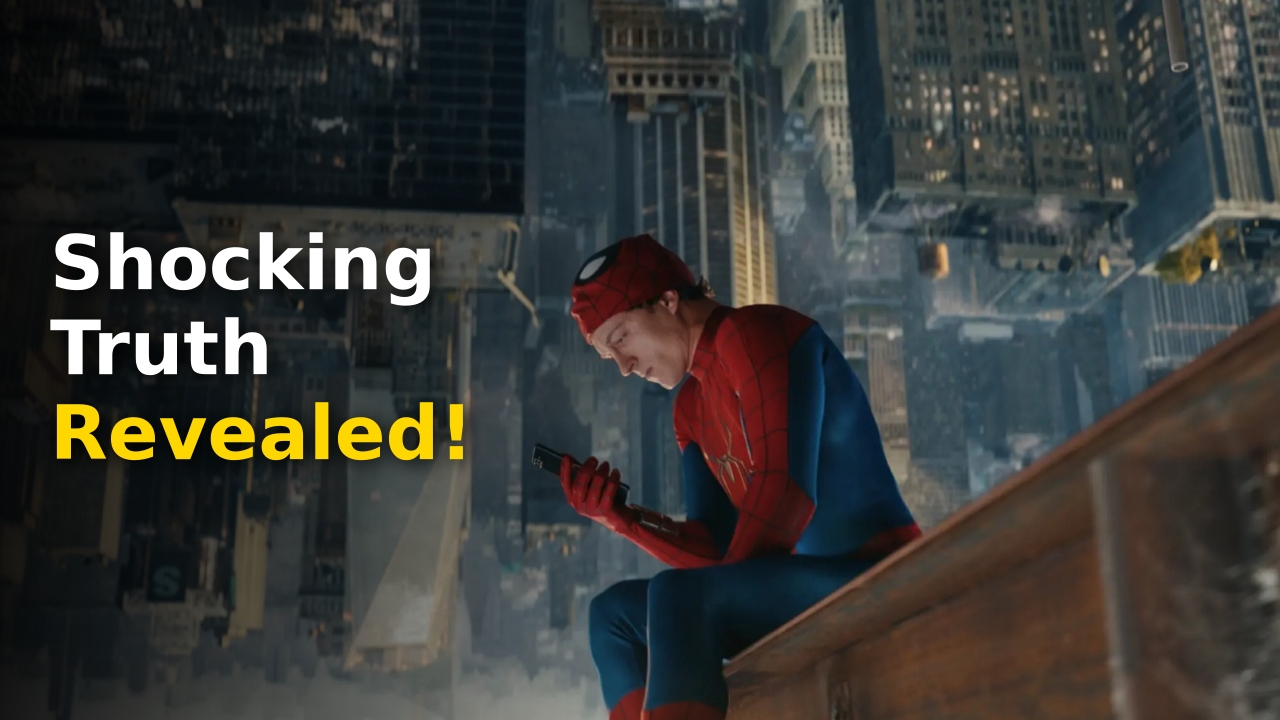
Have you ever wondered why Superhero Popularity favors some costumed crusaders over others while leaving some of the most powerful heroes in the shadows? You might think it is all about the cool outfits or the gravity-defying powers, but the truth is far more psychological. Your brain is wired to respond to specific heroic archetypes in ways you probably do not even realize.
The way you connect with these legendary icons goes back to ancient storytelling formulas. It is about how they receive their powers and what they do with them. This deep dive reveals why your favorite characters hold such a tight grip on your imagination.
Superhero Popularity Factors
Why do you obsess over certain heroes while ignoring others who could literally move planets? It turns out that Superhero Popularity relies heavily on a psychological formula first popularized by legendary television writer Jane Espenson back in 2007.
Espenson introduced the concept of the “Chosen One” archetype, which completely reshaped how we analyze genre fiction. This formula explains why characters like Peter Parker, Luke Skywalker, and Harry Potter have an unbreakable hold on fans.
When a story pulls back the curtain of ordinary life to reveal a secret, magical world, you are immediately hooked. It is the ultimate form of escapism for anyone who has ever felt ordinary. You get to project yourself onto a protagonist who suddenly becomes the center of the universe.
The Power of Identification
You do not just watch these heroes; you want to be them. When Peter Parker gets bitten by that radioactive spider, it represents the ultimate lottery ticket. This concept makes the viewer feel like greatness could strike them at any moment.
- Instant Transformation: Bypasses the boring, exhausting reality of hard work.
- Relatable Weakness: Outcasts who find their hidden value.
- Escapism Value: Escaping ordinary rules for cosmic significance.
We prefer the dream of unearned greatness because it matches our deepest daydreams. It is much easier to imagine being chosen by destiny than working hard to earn it. This psychological shortcut is why certain franchises rake in billions while others struggle.

The Chosen Myth
The Chosen One remains the most powerful narrative device in Hollywood history. These characters do not ask for their powers; greatness is thrust upon them by bloodline, prophecy, or pure cosmic luck. It creates an instant bond of sympathy between the audience and the hero.
Think about Harry Potter inheriting a magical legacy he did not even know existed. He crosses a threshold from a drab, troubled life under the stairs into a vibrant world where he is instantly special. This transition provides a massive emotional payoff for the audience.
This archetype thrives on our collective desire to escape the mundane rules of everyday life. We love the idea that our ordinary struggles are just a prelude to a grand destiny. It suggests that our current pain has a higher, cosmic purpose.
The Randomness of Destiny
Sometimes, destiny is completely random, which makes it even more appealing to mainstream audiences. That radioactive spider in Queens, New York, could have bitten anyone in that lab. It did not search for the most disciplined student; it just bit the nearest one.
- The Lottery Effect: Believing luck can change your life instantly.
- The Average Joe: Zero prep work required to become a legend.
- Cosmic Timing: Being in the right place at the right time.
The tornado that swept Dorothy Gale away from Kansas could have easily claimed anyone else. This randomness creates a powerful psychological illusion for the viewer. It makes you feel like you are always just one lucky moment away from your own heroic awakening.
The Worthy Struggle
On the opposite side of the spectrum lies the Worthy archetype, which requires immense labor and sacrifice. Characters like the Green Lantern corps do not just get handed their power; they must prove they are worthy of it. This dynamic changes the entire relationship between the hero and the audience.
Mainstream culture often struggles with this concept because it mirrors the exhausting grind of real life. When Hal Jordan or John Stewart receive their power rings, they are already highly skilled professionals. One is a fearless test pilot, and the other is a disciplined Marine veteran.
They are not depressed outcasts looking for an escape; they are already successful, disciplined men. The ring selects them because of their existing willpower, but they must constantly work to maintain that worthiness. It represents continuous effort rather than a sudden, magical windfall.
The Weight of Responsibility
For many fans, the labor-intensive audition process of the Green Lantern Corps feels too much like a job interview. You watch movies to escape your nine-to-five job, not to watch a hero go through rigorous training. The cognitive load of earned power is simply less appealing to a tired mind.
- Continuous Effort: Power that can be lost if your willpower wavers.
- Professional Duty: Serving cosmic bosses rather than personal freedom.
- Strict Discipline: Overcoming fear through systematic training.
Even Captain America, who stands as the pinnacle of moral worthiness, historically struggled to match the instant appeal of unearned power. The character’s cinematic debut in 2011 did not immediately ignite the box office like other origin stories. It took years of team-ups to build his massive modern fan base.
Box Office Battles
If you look at the cold, hard numbers, the market heavily favors the Chosen Ones. The financial data proves that audiences vote with their wallets for unearned greatness. The box office metrics show a stark divide between these two storytelling philosophies.
According to financial trackers like BoxOfficeMojo.com, solo acts like Spider-Man consistently dominate the charts. Films like Spider-Man: No Way Home shattered box office records globally, earning over $1.9 billion. The audience’s obsession with Peter Parker remains unmatched.
Meanwhile, movies featuring the Worthy archetype struggle to capture the same mainstream magic. The origin of the worthiest hero, Captain America: The First Avenger, ranks far lower on the all-time Marvel list. It seems that discipline simply does not sell as well as raw luck.
CGI Mishaps and Power Scaling
The lower popularity of heroes like the Green Lantern is also tied to how their powers are depicted. In comic books, the Lanterns possess cosmic power capable of moving entire planets. Their rings are limited only by their imagination and willpower.
- Visual Execution: Translating cosmic energy into compelling cinema.
- Tone Shifts: Moving away from cartoonish constructs to cosmic scale.
- Emotional Resonance: Grounding cosmic battles in human struggle.
Unfortunately, theatrical releases like the 2011 film starring Ryan Reynolds reduced this cosmic power to cartoonish green mallets and CGI bubbles. This failure to capture the true scale of their power alienated hardcore fans. It made a cosmic peacekeeping force look silly rather than awe-inspiring.

Analyzing Fan Favorites
To truly understand how Superhero Popularity shapes the entertainment landscape, we must analyze the leading archetypes. Some heroes are born to greatness, while others must build it from scratch. This division defines our modern cinematic universe.
Industrial titans like Tony Stark and Bruce Wayne do not fit neatly into either category. They use their vast wealth to fund their heroic crusades, making them incredibly fascinating to audiences raised on rags-to-riches stories. They are the ultimate enabler heroes who buy their way into the super-powered club.
Let us break down how these different characters stack up against each other in terms of origin, power source, and audience appeal. This comparative analysis highlights the core elements of popular superhero archetypes that dominate our screens.
| Hero Name | Archetype | Power Source | Core Appeal |
|---|---|---|---|
| Spider-Man | Chosen (Random) | Radioactive Bite | Relatable Everyday Struggle |
| Green Lantern | Worthy | Willpower Ring | Discipline and Ambition |
| Iron Man | Enabler (Wealth) | High-Tech Armor | Genius Billionaire Fantasy |
| Captain America | Worthy | Super Soldier Serum | Unwavering Moral Compass |
This division shows that while we respect the hard workers, we dream of the lottery winners. The upcoming HBO series Lanterns, starring Kyle Chandler and Aaron Pierre, hopes to change this dynamic when it premieres on August 16, 2026. It represents a bold new direction for the franchise.
If you want to stay updated on how this new show impacts the ratings, check out the latest exclusive celebrity updates online. The series offers a gritty, realistic look at how worthiness functions in a deeply flawed society. It is a massive departure from standard green-screen blockbusters.
Future of Superheroes
The battle between the Chosen and the Worthy will continue to shape the future of Hollywood. As audiences grow tired of predictable formulas, studios are forced to experiment with deeper psychological themes. They must deliver more than just explosive action scenes to keep you interested.
Shows like Lanterns are crucial because they challenge the traditional power fantasy. They force us to ask whether we want heroes who are simply lucky, or heroes who have earned their right to protect us. It shifts the focus from power to character.
While it is dreamier to imagine a magical ring or a spider bite changing our lives, real-world inspiration comes from the struggle. The next generation of films might finally find a balance between these two powerful archetypes. Finding that sweet spot is key to maintaining long-term audience engagement.
No matter which side you favor, the evolution of these characters keeps the genre alive. The true measure of Superhero Popularity is not just box office gold, but how these stories inspire us to face our own daily battles. The heroes we love the most are ultimately the ones who help us understand ourselves.
More Like This
For more updates, check out our latest entertainment and sports news.