{
“title”: “Supervillain Caleb: 10 Shocking Reasons He Made The List”,
“content”: “
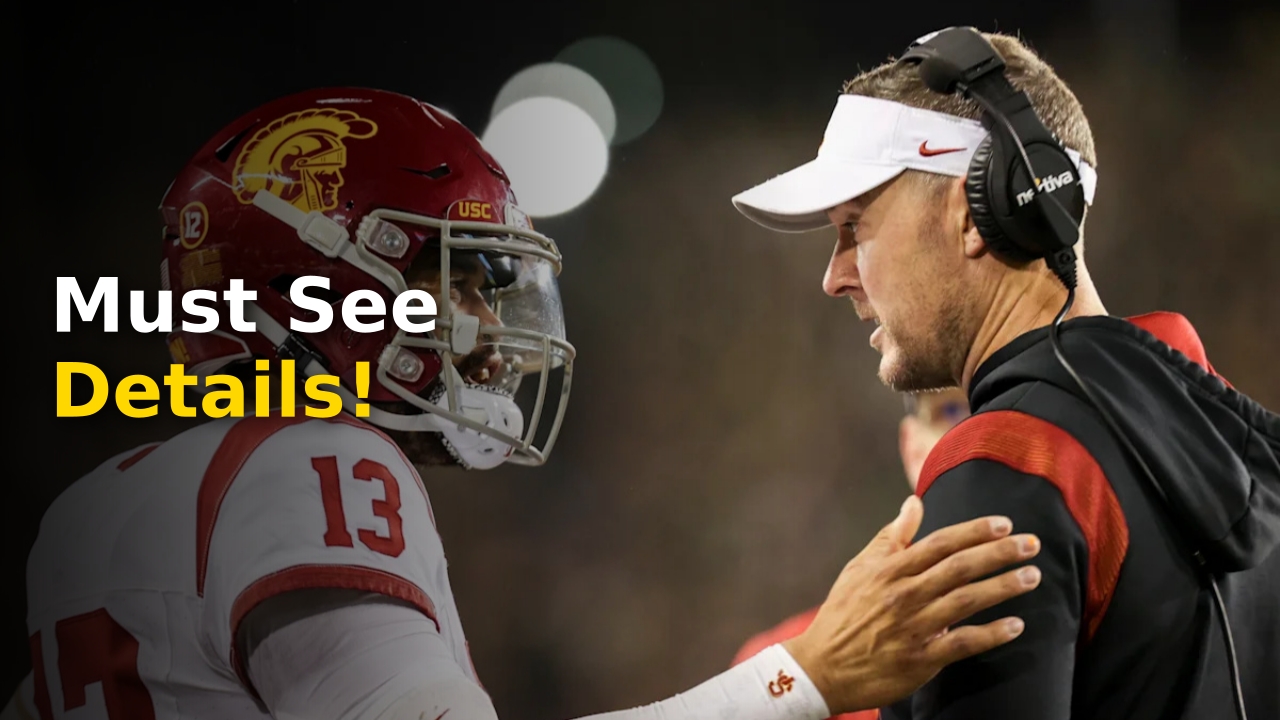
Supervillain Caleb is a title that many athletes would run from, but for the USC superstar, it is a badge of honor he wears with a smirk. You might think being a top-tier athlete is all about praise and trophies, but the reality for Caleb Williams is far more polarizing than a standard sports hero story. From the moment he stepped into the spotlight, his trajectory has been marked by as much vitriol as there is talent.
The world of college football has seen its fair share of bad guys, but the emergence of Supervillain Caleb signals a new era in the sport. It is no longer just about late hits or trash talk on the field; it is about the intersection of massive wealth, social media dominance, and the freedom to move between programs at will. You are witnessing a shift in how fans perceive loyalty, and Williams is the lightning rod for this cultural explosion.
Supervillain Caleb Sparks Heated Debate
The conversation around Supervillain Caleb reached a fever pitch when ESPN analyst Ryan McGee officially placed him on the top 10 list of all-time college football villains. You have to understand that this list spans over 155 years of history, yet a young man who only played three seasons of college ball made the cut. This ranking has left fans divided, with some claiming it is a case of massive recency bias while others insist his behavior earned the spot.
Critics argue that placing him alongside figures like Brian Bosworth is an insult to the legendary villains of the 1980s. However, the modern era of the sport moves at a different speed, and the impact Williams had was felt instantly across two major fan bases. When he moved from the Oklahoma Sooners to the USC Trojans, he didn’t just change jerseys; he changed the power dynamics of the entire NCAA. This move left a trail of broken hearts and furious donors in Norman, Oklahoma.
The Move That Changed Everything
- The sudden departure from Oklahoma following Lincoln Riley to Los Angeles.
- Public perception of a lack of loyalty to the program that gave him his start.
- The massive media circus that followed his every move during the transfer process.
- His refusal to play by the traditional rules of player-coach relationships.
Wait until you see how the fans reacted on social media during that fateful week in 2022. The venom spewed toward the young quarterback was unlike anything we had seen in the pre-NIL era. You could feel the shift in the atmosphere as he embraced the Hollywood lifestyle, leaving the Heartland behind for the bright lights of Los Angeles. This transition is a core reason why the Supervillain Caleb persona began to take root in the minds of traditionalists.
He didn’t just leave; he did so with a sense of inevitability that rubbed many the wrong way. The optics of a star quarterback following his coach to a bigger market felt like a corporate merger rather than a college sports story. You see, college football has always been built on the myth of amateurism and local pride, and Williams shattered that illusion with surgical precision. This is why his name continues to trigger such strong reactions today.

The Transfer Portal Backlash
The transfer portal is a relatively new invention, but Supervillain Caleb became its first true poster child. You could argue that the portal was designed for situations just like his, allowing talent to seek better opportunities. Yet, the way he utilized it felt cold and calculated to a fan base that had cheered his every completion just months prior. It wasn’t just the exit; it was the total lack of apology for seeking his own path.
In the past, players who transferred were often seen as quitters or benchwarmers looking for playing time. Williams was different because he was already a superstar, a Heisman Trophy contender who chose to leave a winning program for a rebuild in a flashier city. This level of autonomy is terrifying to the old guard of college football, who believe players should be grateful for their scholarships and stay put. The hatred he received was a direct result of this perceived arrogance.
Modern Era Loyalty Issues
Does loyalty even exist in the age of the transfer portal? For Supervillain Caleb, the answer seemed to be a resounding no—at least not in the way fans expected. He showed loyalty to his coach, Lincoln Riley, rather than the university or the colors he wore. This distinction is subtle but massive in the world of sports fandom, where the name on the front of the jersey is supposed to matter more than the name on the back.
You can see the ripple effects of this decision in every recruiting cycle since. Every time a star player enters the portal now, the ghost of Williams’ move haunts the discussion. He didn’t just break the rules; he wrote a new rulebook that put the player’s brand first. This radical shift in priorities is exactly what earned him a permanent spot in the pantheon of college football villains for many observers.
Even his teammates at USC had to deal with the fallout of his reputation. While he was a leader in the locker room, the national narrative was always focused on his “villainous” traits. You have to wonder if the pressure of being the most hated man in the sport took a toll on his performance during the 2023 season. Despite the noise, he never once publicly complained about the target on his back, often leaning into the role with cryptic social media posts.
Cashing In On NIL Fame
Money has always been under the table in college football, but Supervillain Caleb brought it into the boardroom. He was one of the first athletes to truly maximize the Name, Image, and Likeness (NIL) era, reportedly earning millions before he even took a snap for the Trojans. You saw him in national television commercials for brands like Dr. Pepper and Nissan during the very games he was playing in. This level of commercialization was unprecedented and, to many, quite jarring.
The sheer volume of cash flowing his way turned him into a target for everyone who thinks college athletes are being paid too much. You could find his face on billboards and TV screens across the country, making it impossible to escape his presence. This overexposure is a classic ingredient in the making of a villain, as the public tends to turn on those they see too frequently. His wealth became a point of contention for rival fans who couldn’t stand seeing a college kid make more than most professional adults.
The Business of Being Caleb
It wasn’t just that he was making money; it was the way he marketed himself. He didn’t shy away from the spotlight; he embraced it with the confidence of a seasoned NFL veteran. This business-first approach is detailed in various industry reports about how athletes manage their personal brands today. You can explore more about the rising net worth of stars like Caleb Williams at Bright Celebrity to see how NIL is changing the game and creating these new-age icons.
His financial success essentially made him untouchable in the eyes of his critics. They couldn’t use the old arguments of \”amateurism\” against him because he was clearly a professional in every sense but the name. This evolution of the athlete-as-a-brand is something Supervillain Caleb mastered before anyone else. He wasn’t just a quarterback; he was a walking corporation, and that corporate coldness is what many fans found so repulsive.
When you combine the NIL money with his move to Los Angeles, the narrative of the \”greedy superstar\” was easy to write. Whether it was fair or not, the image of him sitting in a luxury apartment while his former team struggled in Oklahoma was a powerful visual for his detractors. This financial divide between him and the average fan only served to deepen the villainous perception that followed him throughout his college career.
Emotional Moments On Camera
One of the most controversial moments in the Supervillain Caleb saga occurred after a devastating loss in 2023. After USC was knocked out of title contention, Williams was caught on camera crying in his mother’s arms in the stands. In any other context, this would be seen as a humanizing, vulnerable moment for a young man who poured his heart into his sport. However, for those who already hated him, it was fuel for the fire.
The internet exploded with memes and mocking comments, laughing at his display of emotion. It was a bizarre phenomenon where the public’s hatred for his \”villain\” persona prevented them from seeing his basic humanity. You saw a young athlete at his lowest point, and instead of empathy, he received a wave of ridicule that lasted for weeks. This reaction says more about the state of sports fandom than it does about Williams himself.
The Painted Nails Controversy
- His habit of painting his fingernails with messages, including insults to opponents.
- The \”FUCK ND\” and \”FUCK UTAH\” nail art that went viral.
- Critics calling the behavior unprofessional and beneath a Heisman winner.
- The way he used his body as a canvas for trash talk that couldn’t be ignored.
The painted nails were perhaps the most polarizing aspect of his physical appearance. For Supervillain Caleb, it was a way to express himself and get inside the heads of his rivals. To traditionalists, it was a flamboyant and disrespectful gesture that flew in the face of the sport’s rugged history. You could not watch a USC game without the cameras zooming in on his hands, waiting to see what message he had for the world that week.
He never apologized for the nails or the messages, even when they were vulgar. He understood that in the modern attention economy, being talked about—even for something small—is more valuable than being ignored. This calculated use of his personal aesthetic to troll his opponents is a hallmark of a true supervillain. He knew exactly what buttons to push to get the reaction he wanted from the media and the fans.

Historic Villains vs Modern Stars
To truly understand if Supervillain Caleb belongs in the top 10, we have to look at who he is standing next to. The list includes names like Brian Bosworth, the man who defined the villain role in the 1980s with his mohawk and anti-NCAA rhetoric. There is also Baker Mayfield, another Oklahoma quarterback who relished in planting flags on opponents’ fields. These men were lightning rods for controversy in their own eras, much like Williams is now.
However, the nature of the villainy has changed over the decades. In the 1980s, you became a villain by breaking the rules or being overtly aggressive on the field. Today, you become a villain by exercising your rights as a player to make money and move teams. According to historical records on the Heisman Trophy, the expectations for winners have evolved from being strictly \”role models\” to being dominant brands. Williams is the peak of this evolution.
| Player Name | Era | Villain Metric | Primary Controversy |
|---|---|---|---|
| Brian Bosworth | 1980s | Legendary | Suspensions & Anti-NCAA T-shirts |
| Baker Mayfield | 2010s | High | Flag Planting & Sideline Antics |
| Caleb Williams | 2020s | Top 10 | Transfer Portal & NIL Wealth |
| Johnny Manziel | 2010s | Iconic | Off-field Party Lifestyle |
Looking at the table above, you can see that the \”primary controversy\” has shifted from behavioral issues to systemic changes in the sport. Williams didn’t get suspended or fail drug tests; he simply played the system better than anyone else. This is why many people, including those at Trojans Wire, believe his inclusion on the list is a bit of a stretch. He wasn’t a bad person; he was just a person who made fans uncomfortable by revealing the truth about the modern game.
If you compare him to the villains of the 1930s or 1950s, he doesn’t fit the mold at all. Back then, a villain was someone who played too dirty or had a bad attitude in interviews. Williams, conversely, is extremely articulate and professional in his press conferences. His \”villainy\” is purely a product of the Transfer Portal and NIL era, making him a unique figure in the history of the sport.
The Final Verdict On Caleb
In the end, whether you view him as Supervillain Caleb or just a savvy businessman, there is no denying his impact on the game. He forced the college football world to look in the mirror and acknowledge that the old days are gone. You might hate how he handled his transfer or his business deals, but you cannot deny his talent on the field. He won a Heisman Trophy for a reason, and his stats speak for themselves.
The debate over his place on the all-time supervillain list will likely continue as long as he is in the public eye. As he prepares for his NFL career, the narrative will shift from his college loyalty to his professional success. You should expect him to carry that same polarizing energy into the league, where the stakes are even higher and the fans even louder. He has already proven that he can handle the heat, and he might even enjoy it.
Ultimately, Supervillain Caleb is the hero of his own story. He played by the rules that were given to him and maximized every opportunity to its fullest extent. If that makes him a villain in the eyes of the public, he seems perfectly fine with that. After all, every great story needs a character that people love to hate, and Williams played that role to perfection during his time at USC and Oklahoma.
“,
“parent_category”: “Sports”,
“sub_categories”: [
“College Football”,
“USC Trojans”,
“NIL News”,
“Athlete Net Worth”
],
“focus_keyword”: “Supervillain Caleb”,
“slug”: “supervillain-caleb-williams-ranking”,
“tags”: [
“Caleb Williams Net Worth 2026”,
“USC Trojans Football News”,
“Oklahoma Sooners Transfer Portal”,
“Lincoln Riley USC Career”,
“NIL Deals 2024”,
“Heisman Trophy Winners List”,
“Brian Bosworth vs Caleb Williams”,
“Caleb Williams Crying Meme”,
“College Football Supervillains”,
“Ryan McGee ESPN List”,
“Baker Mayfield Flag Plant”,
“NFL Draft 2024 Top Picks”,
“Caleb Williams Painted Nails”,
“USC vs Notre Dame Rivalry”,
“Transfer Portal Impact 2025”
],
“seo_description”: “Supervillain Caleb Williams has officially joined the ranks of college football’s most hated icons, sparking massive debates across the sports world today.”,
“thumbnail_text”: “Caleb’s Villainous Truth Revealed!”,
“body_image_alt_tags”: [
“Supervillain Caleb Williams USC Trojans locker room posing with Heisman”,
“Supervillain Caleb Williams crying on sidelines after USC loss to Utah”
]
}
More Like This
For more updates, check out our latest entertainment and sports news.