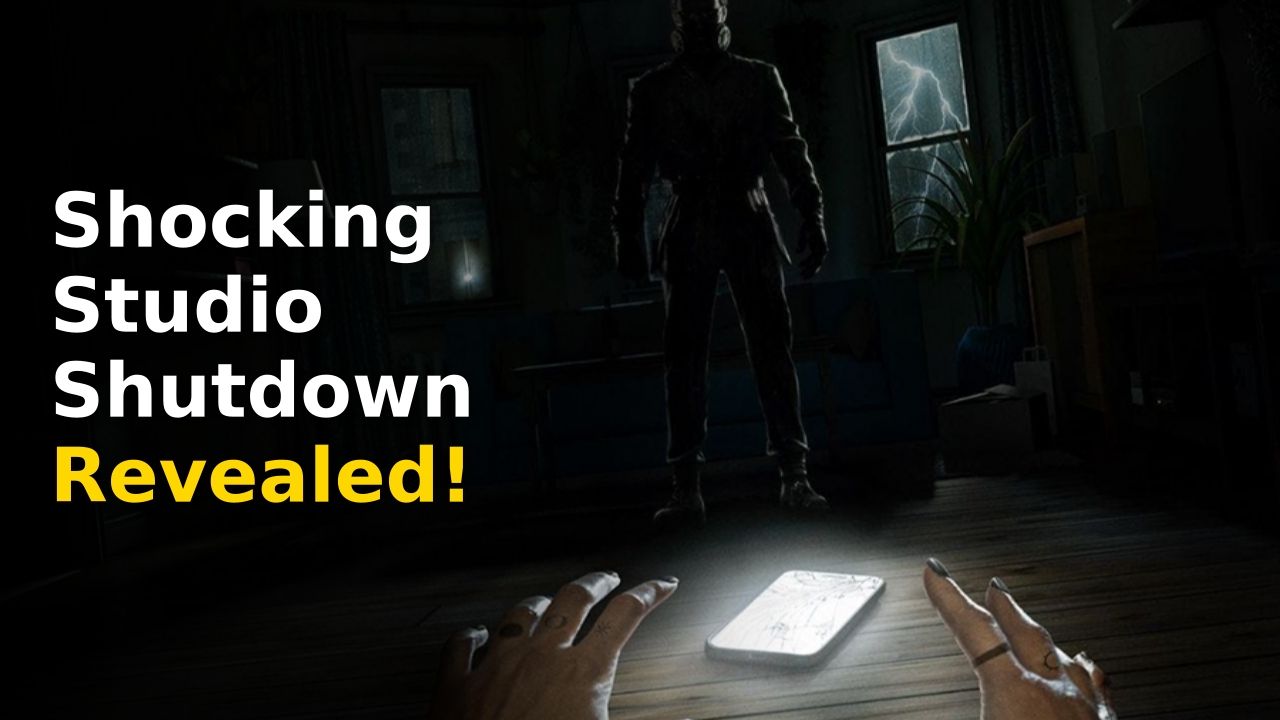
The sudden shuttering of Night School by Netflix has left the gaming world in a state of absolute disbelief, especially coming just six short weeks after the launch of their latest project.
You might be wondering how a studio that defined the indie narrative genre could be discarded so quickly by a trillion-dollar streaming titan. The decision to axe the Los Angeles-based developer behind the cult classic Oxenfree signals a massive pivot in how tech giants view interactive entertainment.
You are witnessing the end of an era for boutique storytelling as Netflix consolidates its power and trims the fat from its burgeoning gaming division. This move isn’t just about one studio; it is a warning shot to the entire industry that no acquisition is ever truly safe.
The Night School Collapse Explained
The history of Night School is one of meteoric rise and sudden, tragic falling. Founded in 2014 by Sean Krankel and Adam Hines, the studio captured hearts with its supernatural thriller, Oxenfree, which focused on realistic dialogue and eerie atmospheres. Their unique approach to branching narratives made them the perfect target for a company like Netflix, which was desperate to turn viewers into players.
In September 2021, the streaming giant officially acquired the studio to bolster its internal development capabilities. This was supposed to be the beginning of a long-term marriage between high-concept storytelling and global distribution. Netflix promised the creators creative freedom and the massive resources needed to scale their ambitious ideas into worldwide hits. For a while, it seemed like the dream scenario for any indie developer looking for stability.
However, the honeymoon period ended abruptly with the announcement that Night School would be shuttered. This news hit the wire only forty-two days after the release of Unhinged, a title that was supposed to showcase the fruits of this partnership. The timing suggests a lack of patience from Netflix executives who are under increasing pressure to show immediate returns on their gaming investments. You have to ask yourself if six weeks is enough time to judge any creative work’s success.
The Fate of Unhinged
- The game was designed to push the boundaries of psychological horror on mobile platforms.
- Initial reviews praised the atmospheric world-building and character development.
- Marketing efforts from Netflix were seen as lackluster compared to their flagship shows like Stranger Things.
- The sudden closure leaves any planned DLC or updates in a state of permanent limbo.
The dissolution of the team means that the intellectual property now sits in a corporate vault, potentially never to be touched again. This is the dark side of major acquisitions where art becomes a line item on a balance sheet. When the numbers don’t align with quarterly projections, even the most talented teams find themselves on the chopping block. The Los Angeles creative community is reeling from the loss of such a distinctive voice in the gaming space.
You see this pattern repeating across the tech landscape as companies over-extended during the pandemic boom. Now, as the economy shifts, they are retreating to their core businesses and shedding experimental divisions. Night School is unfortunately the latest casualty in this brutal cycle of corporate restructuring. The human cost is high, with dozens of talented artists and programmers now looking for work in a tightening market.

Moonloot and Helsinki Casualties
The bloodletting didn’t stop at the California border, as Netflix also pulled the plug on Moonloot. This studio was based in the gaming hub of Helsinki, Finland, and was founded only two years ago in 2022. Unlike the Night School team, Moonloot had not even managed to ship a single title before the axe fell. This suggests a total strategic withdrawal from certain types of internal development.
Setting up a studio in Helsinki was a strategic move, as the city is home to giants like Supercell and Rovio. Netflix wanted to tap into that specific mobile gaming talent pool to create the next big viral sensation. By closing a studio that was still in the incubation phase, the company is effectively saying they no longer believe in the long-term potential of these specific projects. It is a scorched-earth policy that prioritizes immediate savings over future innovation.
Industry analysts point out that Moonloot was part of a broader expansion that included multiple European outposts. The closure indicates that the cost of maintaining a studio in a high-tax, high-talent region like Finland was no longer justifiable. This is a common theme in the 2024 gaming industry, where local tax incentives and operational costs are being scrutinized like never before. You are seeing a consolidation of resources back to a few central hubs.
The Helsinki Tech Bubble
- Finland remains a powerhouse for mobile gaming despite these specific setbacks.
- Many former Moonloot employees are expected to be absorbed by local competitors.
- The closure reflects a shift away from “experimental” mobile titles toward established IPs.
- Netflix is likely to focus more on licensing existing games rather than building from scratch.
This move mirrors actions taken by other tech giants who tried to break into the gaming world with varying degrees of success. Google famously shut down Stadia and its internal studios after failing to gain significant traction. Amazon has also faced numerous hurdles with its game development division, showing that having billions of dollars doesn’t guarantee a hit game. Gaming is a hit-driven business that requires more than just capital; it requires time and a deep understanding of player psychology.
The loss of Moonloot is particularly stinging because we will never know what they were working on. Rumors suggested a social-simulation game that utilized Netflix‘s unique data on viewer preferences. Now, those prototypes will likely gather dust on a secure server. The dream of a perfectly integrated “watch and play” ecosystem feels further away than ever today.
Netflix Gaming Strategy Data
To understand why Night School was sacrificed, we must look at the hard data surrounding Netflix‘s gaming ambitions. While the company has over 270 million global subscribers, only a small fraction actually engages with their game offerings. The strategy was to provide games as a value-add to prevent churn, but the overhead of running multiple internal studios is massive. According to Reuters, the competition in the streaming space is forcing companies to be more disciplined with their spending.
| Studio Name | Location | Acquired/Founded | Status |
|---|---|---|---|
| Night School | Los Angeles | 2021 | Closed 2024 |
| Moonloot | Helsinki | 2022 | Closed 2024 |
| Boss Fight | Texas | 2022 | Active |
| Next Games | Helsinki | 2022 | Active |
As you can see from the table, Helsinki remains a focal point despite the Moonloot closure. The company is leaning more on Next Games, the developer of The Walking Dead mobile titles, which has a proven track record of profitability. This suggests that the streamer is no longer interested in nurturing new talent or unproven IPs. They want established winners that can drive engagement numbers immediately.
The financial pressure on Netflix is real, as content spending is expected to reach $17 billion annually. Every dollar spent on a video game is a dollar taken away from the next big season of Stranger Things or Bridgerton. If a game doesn’t show a clear path to high user retention, it is deemed a failure. This “hit or miss” mentality is poisonous to the long-form development cycles required in the gaming world.
Furthermore, the integration of games into the main app has been met with mixed results. Many users still don’t even know that their subscription includes a massive library of high-quality titles. Without better discovery and marketing, even a masterpiece from a team like Night School will struggle to find an audience. You are seeing the limitations of a “jack of all trades” platform in real-time.
Industry Trends and Layoffs
The closure of these studios is not happening in a vacuum. The year 2024 has been one of the most devastating years for game developers in history. Major players like Sony, Microsoft, and Electronic Arts have all announced massive layoffs and studio closures. It is estimated that over 10,000 workers have lost their jobs in the first half of the year alone. The industry is currently undergoing a painful correction after the hyper-growth of the previous decade.
You see, the cost of making games has skyrocketed, with AAA titles often costing upwards of $200 million to produce. Even smaller, indie-style games like those made by Night School require years of development and millions in payroll. When interest rates were low, companies were happy to bet on the future. Now, investors are demanding profitability and streamlined operations. This shift is killing the middle-market of game development.
Many celebrities have tried to get in on the gaming action, often partnering with studios to create branded content. For more on how fame intersects with digital media, you can explore bright celebrity trends to see how influencers are pivoting. The reality is that a big name isn’t enough to save a studio when the corporate winds change direction. The industry is becoming increasingly risk-averse, which is bad news for fans of original, narrative-driven experiences.
The Impact on Indie Talent
- Smaller studios are finding it harder to secure funding from traditional publishers.
- Subscription services were seen as a “safety net” that is now disappearing.
- The talent pool is becoming saturated, leading to lower wages and less job security.
- Creative burnout is at an all-time high as teams are asked to do more with less.
The tragedy of the Night School situation is that they did everything right. They made great games, they found a powerful partner, and they delivered on their promises. In the end, they were simply the victims of a corporate strategy that changed overnight. This creates a culture of fear where developers are afraid to take risks, leading to a landscape filled with sequels and safe, uninspired clones.
If you care about the future of interactive art, these closures should be a wake-up call. The platforms that distribute our media are becoming the gatekeepers of what is allowed to exist. When a company like Netflix can simply delete a studio, we lose a piece of the cultural fabric. The developers who once called Night School home will go on to other things, but the unique magic they created as a team is gone forever.
The Future of Netflix Games
What does this mean for the future of gaming on your favorite streaming service? It likely means a shift toward licensed content and third-party partnerships. We will probably see more games based on Squid Game or Rebel Moon, rather than original stories like Unhinged. The company is retreating to the safety of its own internal brands, where they already have a built-in audience.
They are also likely to lean more into “cloud gaming” technology, which would allow users to play on their TVs without a console. However, this technology is expensive and difficult to maintain. By cutting their internal studios, Netflix is saving the cash needed to build out this infrastructure. It’s a gamble that high-tech delivery will be more important than the actual content being delivered. You might be able to play games anywhere, but will those games be worth playing?
The loss of Night School will be felt for years. They were one of the few studios that treated dialogue as a core gameplay mechanic, making players feel truly connected to the characters. Without their influence, the narrative game genre feels a little less bright. Netflix may have the data, but they clearly lacked the heart to sustain a studio that prioritized art over algorithms.
Key Takeaways for Gamers
- Expect more tie-ins with existing Netflix shows and movies.
- The era of experimental indie acquisitions by streamers is likely over.
- Mobile remains the primary focus, but with a more conservative approach.
- Subscriber numbers will continue to dictate which projects live and which die.
In the end, the shuttering of Night School is a reminder that in the world of big tech, everyone is replaceable. The Los Angeles and Helsinki teams provided incredible value, but they weren’t enough to move the needle for a company chasing infinite growth. As a consumer, you have the power to support independent developers directly to ensure their survival outside of these corporate umbrellas.
Final Thoughts on the Exit
The news that Netflix decided to shut down Night School is a bitter pill for the industry to swallow. It marks the end of a bold experiment that many hoped would provide a new path for indie developers. Instead, it serves as a cautionary tale about the dangers of selling your soul to a platform that views art as a commodity. The legacy of Oxenfree will live on, but the potential of what could have been remains a haunting question.
You should keep a close eye on where the former staff lands, as their talent is undeniable. Many will likely return to the indie scene, hopefully with a renewed sense of independence. The industry is resilient, and out of the ashes of these closures, new and even more innovative studios often emerge. Night School might be gone, but the spirit of narrative-driven gaming will never truly be silenced by a corporate merger or a sudden shutdown.
As Netflix moves forward with its refined strategy, the pressure is on them to prove that they can actually manage a successful gaming division. Without studios like Night School to provide prestige and original ideas, they risk becoming just another storefront for generic mobile titles. Only time will tell if this brutal cost-cutting measure will pay off or if it will be remembered as a massive strategic blunder. For now, we mourn the loss of two talented teams and the stories they will never get to tell.
More Like This
For more updates, check out our latest entertainment and sports news.