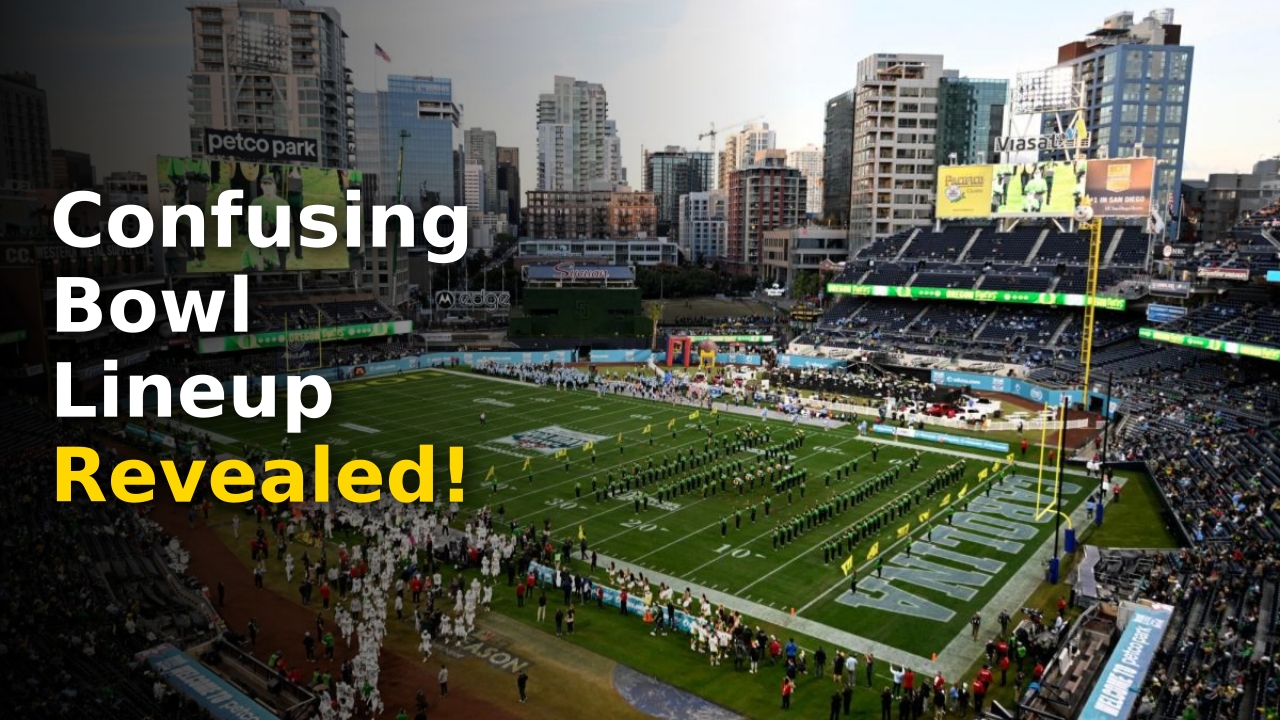
Pac-12 bowl games are entering a period of unprecedented confusion as the conference landscape shifts beneath your feet. While you might assume a brand-new conference lineup would bring total synchronization, the reality for the 2026 season is a messy, split-level reality that leaves fans and analysts scratching their heads.
As the conference begins its official rebirth this fall, the legacy programs that once defined the West Coast powerhouse are playing by a different set of rules than the newcomers. This isn’t just a scheduling quirk; it is a full-scale logistical puzzle that keeps the traditional post-season bowl ties in a state of suspended animation.
Understanding The Pac-12 Bowl Logic
You probably wonder why a conference rebuilding from the ground up would maintain ties to bowl games established decades ago. The answer lies in the complex web of television contracts, local tourism boards, and multi-year agreements that don’t simply vanish when conference members jump ship. When you look at the 2026 landscape, you are witnessing the collision of past loyalties and future growth.
The legacy schools, which are officially residing in other conferences, are still technically beholden to their historic Pac-12 bowl affiliations. This creates a bizarre scenario where your favorite team might be playing in a bowl game branded for a conference they no longer call home. It is a transition period that requires a scorecard just to keep track of the allegiances on the field.
This fragmentation has left athletic directors across the country in a difficult position. They must honor legal contracts while trying to build a sense of community among the incoming programs. You can feel the friction between the tradition-heavy expectations of donors and the reality of a modern, nomadic college athletics landscape.
In the world of collegiate athletics, clarity is a luxury that rarely exists during a restructuring phase. While the official press releases suggest that there is a defined path forward, the ground-level execution is anything but straightforward. You are essentially watching a massive, high-stakes game of legal musical chairs.
The impact on fan experience cannot be overstated. If you are planning to travel for a post-season game in 2026, you need to verify not just the city, but which specific conference tie-in is actually being served. This level of uncertainty is exactly why enthusiasts are turning to resources like expert sports analysis to keep their calendars straight.
Ultimately, the 2026 season serves as a bridge year. It is the final moment before the full integration of the new Pac-12 identity takes hold, separating the lingering ghosts of the old league from the aspirations of the new members. 
The Confusion Factor
- Contractual holdovers from legacy media deals.
- Geographic disparities between new and old members.
- Competing interests between bowl committee sponsors.
The Economic Reality Of Bowls
The financial machine driving bowl games is rarely understood by the average viewer. These games exist to fill hotel rooms and drive local tourism in cities like San Diego or Las Vegas. The conference affiliation is often just a secondary detail to the committees running these events.
When you look at the economics, the specific Pac-12 bowl affiliations are tied to revenue guarantees that date back to 2024. These figures represent millions of dollars in potential payouts that schools cannot afford to walk away from. The fiscal pressure to keep these ties alive for the legacy teams is intense.
There is also a massive discrepancy in how the ‘new’ programs view these games compared to the legacy schools. For a new program, playing in a historic bowl is a badge of honor and a recruiting tool. For a legacy school, it might be viewed as a mandatory logistical hurdle dictated by lawyers rather than a competitive highlight.
Major news organizations, including Reuters, have reported extensively on the volatility of current college sports contracts. The instability of these agreements is why conferences are scrambling to sign long-term deals that protect them against future realignment. You are watching a business model in the middle of a violent pivot.
Even the local Poinsettia Bowl committee members have struggled to find a balance between the incoming talent and the departing brands. The 2026 lineup is a compromise, not a solution. It is a temporary fix intended to satisfy auditors while the conference searches for long-term partners.
If you want to understand where the money is really moving, follow the broadcast rights. The 2026 season is the last major hurdle for many of these schools as they transition out of legacy media contracts and into a new, more localized distribution model. Your support as a fan remains the biggest variable in this equation.
Historical Context And Trivia
The history of western bowl games is filled with forgotten rivalries and defunct stadiums. Long before the current instability, the Rose Bowl was the undisputed crown jewel, but it now functions as part of a much larger, automated playoff system. The lower-tier bowls, which are currently being sorted by the Pac-12, are the ones bearing the brunt of the confusion.
Did you know that some bowl games have changed names more than five times in the last decade? This reflects the fickle nature of corporate sponsorship in the United States. These games are designed for exposure, and the brand on the field matters less than the brand on the stadium signage.
The 2026 season marks the first time that we have seen such a stark split in conference identity. Historically, realignment happened over a period of three to five years, but this current wave has occurred in less than 24 months. You are living through a record-breaking era of instability.
Behind the scenes, the coaching staffs are preparing for these games with a sense of apprehension. If a team is placed in a bowl game that carries no prestige, it can actually hurt their recruiting efforts for the following season. It is a delicate game of status management for every program involved.
Think about the travel logistics for student-athletes. The 2026 schedule forces teams to cross the country multiple times, creating a grueling workload. This is a far cry from the regional focus that made the Pac-12 famous during its peak years in the early 2000s.
It is worth noting that despite the chaos, the actual games remain high-quality displays of athleticism. Regardless of the corporate structure, the talent on the field remains the reason you watch. Even in a time of administrative confusion, the sport itself still commands your full attention.
2026 Bowl Game Breakdown
| Bowl Event | Legacy Status | Newcomer Status |
|---|---|---|
| Poinsettia Bowl | Contracted | Eligible |
| Mountain West Tie-in | Flexible | Primary |
| Western Regional Bowl | Legacy | Secondary |
Looking Ahead To 2027
As you look past 2026, the path toward total conference stability starts to emerge. Most analysts believe that by the 2027 season, the legal entanglements of the legacy teams will finally be severed. This will allow the new Pac-12 to negotiate fresh, clean contracts with its bowl partners.
You should expect more regional focus in the coming years. The current model is a patch job that everyone recognizes as unsustainable. Conferences are realizing that travel costs for fans and players are too high, and they will likely return to a more centralized bowl footprint.
The role of NCAA oversight will also play a larger part in the coming years. With so many teams changing affiliations, the governing body is under pressure to force standardizations that prevent the kind of confusion we see today. You will likely see federal or state legislation entering the mix, further complicating the legal landscape.
Despite the frustration, this is an exciting time to be a fan. The sheer unpredictability of the sport ensures that no two seasons look the same. You are witnessing the evolution of a multi-billion dollar industry in real-time.
We recommend keeping a close watch on the official announcements in late December 2026. That is when the true picture of the following year’s bowl season will start to coalesce. Stay tuned, because the game is changing faster than ever.
In summary, the 2026 bowl season is a necessary transition. By navigating this complex web of legacy and new affiliations, the conference is setting the stage for a stronger future. Keep your focus on the field, and remember that even in a confusing system, the Pac-12 bowl traditions remain a vital part of the collegiate sports experience.
More Like This
For more updates, check out our latest entertainment and sports news.