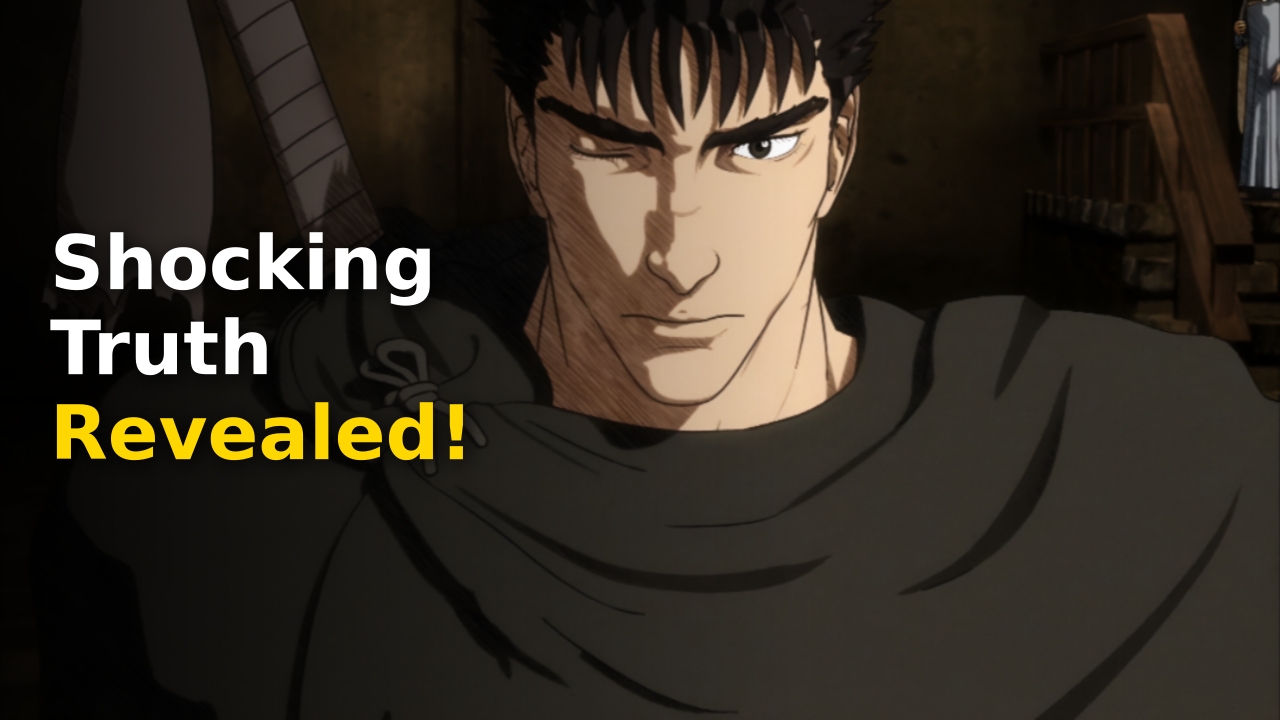
Anime remakes are currently the most debated topic in the industry, yet few titles truly capture the audience’s demand for a complete, faithful, and high-budget visual overhaul. You likely remember the sheer frustration of watching a series you love fall apart because the animation studio decided to rush the ending or ignore the source material entirely.
While some classic shows remain etched in time as perfect, self-contained experiences, others are crying out for a modern re-adaptation. Today, we are diving deep into the five most egregious cases of classic series that deserve a total, from-the-ground-up reboot to finally do their legendary manga counterparts justice.
Why Anime Remakes Are Essential
The history of animation is littered with adaptations that, despite their charm, failed to capture the true essence of their creator’s vision. When a studio like Studio Pierrot or Madhouse takes on a massive project, the pressure to deliver is immense, and the failure to do so often leaves fans stranded with incomplete or inaccurate narratives. You deserve better than filler arcs and non-canon conclusions that strip away the emotional weight of the original story.
Think back to the monumental success of Fullmetal Alchemist: Brotherhood, which proved that a second attempt, fueled by the completed manga and a higher production budget, could turn a good show into a legendary one. This isn’t just about flashy lights and high-definition resolution; it is about respecting the intricate themes, psychological nuances, and structural integrity that made these manga hits in the first place. Whether it’s the Berserk adaptations failing to translate Kentaro Miura’s visceral art or Tokyo Ghoul stripping away the complex symbolism, the pattern is clear.
By looking at the industry through a critical lens, we can see that a remake is essentially a restorative process. It acts as an apology to fans and an invitation to newcomers who might be intimidated by dated production standards or confusing non-canon plot points. When you invest time into a story, you want to ensure the narrative reaches its intended peak, not a hurried or misunderstood stopgap. This shift toward high-fidelity adaptations is the future of the medium, as explored in deep-dive features over at pop culture analysis hubs, where industry trends are dissected daily.

The Case For Tokyo Ghoul
- The current anime adaptation suffers from severe pacing issues.
- Sui Ishida’s complex psychological allegory is largely lost in the adaptation.
- The visual style failed to capture the chaotic beauty of the original paneling.
- Fans demand a darker, more faithful retelling of Ken Kaneki’s descent.
- Symbolism regarding systemic corruption deserves more than a surface-level glance.
- An updated version could align with the dark fantasy standard set by modern hits.
Comparative Data On Legendary Adaptations
To understand the sheer scale of the potential impact, we must look at how legacy titles compare in terms of their adaptation success, production studios, and fan reception scores. The following table highlights the critical discrepancy between existing adaptations and the potential of a modern, faithful reboot.
| Series Title | Original Studio | Key Issue | Remake Potential |
|---|---|---|---|
| Tokyo Ghoul | Studio Pierrot | Non-canon arcs | High |
| Soul Eater | Studio Bones | Rushed ending | Critical |
| Berserk | Various | Bad CGI | Essential |
| Claymore | Madhouse | Incomplete arc | High |
| Deadman Wonderland | Manglobe | Short length | Mandatory |
The Soul Eater Narrative Struggle
Soul Eater sits in a unique position where the original adaptation actually possessed a distinct, jazz-infused identity that fans loved, yet the narrative trajectory completely plummeted after the midway point. By deviating from Atsushi Okubo’s manga, the studio robbed the characters of their intended growth arcs. You cannot help but feel that a story with such visual whimsy and gothic atmosphere deserves a proper conclusion that stays true to the source.
Imagine a version where the Kishin Asura battle is handled with the depth it truly requires, allowing the supporting cast to flourish alongside Maka Albarn and Soul Evans. When an adaptation reaches a point of total narrative detachment, it effectively becomes fan fiction, which is why a reboot following the Fullmetal Alchemist: Brotherhood model is the only logical path forward for long-term legacy.
Modern animation techniques would allow for a level of kinetic, fluid combat that the original simply could not afford during its runtime. With the rise of international distribution platforms, providing a definitive version of this classic is not just for the fans, but for the global preservation of the medium’s greatest stories. The potential to see Death City rendered with crisp, high-octane 4K visuals is a dream for any long-term devotee of the series.
Claymore And Deadman Wonderland
Claymore remains one of the most underrated dark fantasy titles, largely because the anime adaptation stopped short of the most intense conflicts in the Northern Campaign. The humanoid shape-shifting Yoma and the tactical warfare employed by the Claymores are ripe for a gritty, high-budget reboot. You are looking at a story that handles complex female protagonists with a level of maturity that is still rare in the genre today.
Then there is Deadman Wonderland, a series that was brutally cut down in its prime with a 12-episode run that barely scratched the surface of the prison’s dark secrets. When you introduce a premise as compelling as a blood-based combat system like the Branch of Sin, you have a moral imperative to follow through until the very end. The current state of the series is a tragedy for storytelling, as it leaves Ganta Igarashi’s struggle against systemic guilt unfinished.
A modern remake of these two titles would immediately become a contender for the most talked-about series of the year. With the current appetite for mature, high-stakes anime reaching an all-time high, there is no better time to dust off these manuscripts and give them the production value they were always meant to have. A faithful, full-length adaptation would finally cement their status as true genre staples.

The Berserk Burden
If there is one title that defines the absolute need for a consistent, high-fidelity remake, it is Berserk. While the 1997 series holds a special place in the hearts of purists for its atmosphere, it is incomplete, and the recent attempts to revive the franchise have been marred by disastrous CGI. The world created by Kentaro Miura is one of the most detailed and harrowing landscapes in fiction, deserving of a 2D animation style that mirrors his hand-drawn mastery.
You see, Guts and Griffith are not just archetypes; they are deeply layered characters who embody the peak of tragic storytelling. A remake shouldn’t just be about showing the fights; it should be about the crushing weight of their trauma and the slow-burning horror of the Eclipse. As discussed in recent industry reports on manga adaptations, the demand for quality control has never been higher among the core demographic.
Ultimately, anime remakes serve as the bridge between generations. By fixing the sins of the past—rushed pacing, bad animation, and non-canon fillers—we preserve the integrity of the original art. Whether it is Tokyo Ghoul, Soul Eater, or the grand saga of Berserk, your favorite stories deserve a second chance to reach their full potential and take their rightful place in the pantheon of modern classics.
More Like This
For more updates, check out our latest entertainment and sports news.