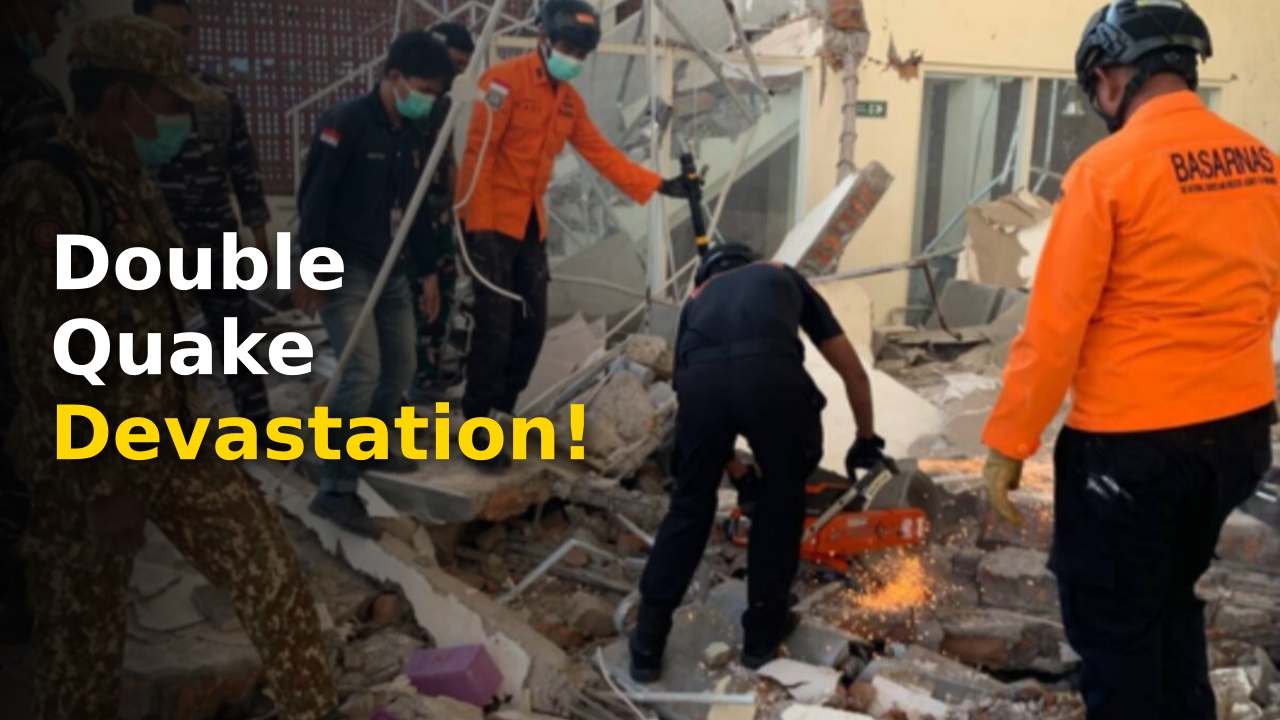
Could you imagine waking up to the earth violently tearing apart under your feet, knowing a second wave is already on the way? The latest Indonesia disaster has brought this terrifying nightmare to life for thousands of local residents. In the dark hours of the early morning, consecutive massive earthquakes struck off the eastern coast, leaving a trail of destruction.
Rescue teams are currently scrambling through the debris to locate survivors and assess the rapid damage. As officials grapple with the wreckage, this Indonesia disaster serves as a reminder of the raw power hidden beneath the Earth’s surface. With casualties rising and infrastructure crumbling, the region faces a grueling road to recovery.
The international community is watching closely as the scale of this sudden crisis begins to crystallize. You will feel the true weight of this catastrophe as we break down the dramatic timeline of this Indonesia disaster.
The Indonesia Disaster Expands
Double Shockwaves Strike
Residents were first jolted awake by a staggering **magnitude 7.7** earthquake that rattled the ocean floor. Just hours later, a massive **magnitude 6.9** aftershock slammed the exact same region of **East Nusa Tenggara**. This double-whammy of seismic activity left local structural foundations utterly compromised and residents completely terrified.
Seismologists from the U.S. Geological Survey quickly logged these back-to-back events as highly unusual and dangerously close. The consecutive nature of these tremors meant that structures weakened by the first quake easily collapsed during the second. This rapid sequence of events drastically elevated the scale of the Indonesia disaster.
Midnight Panic Escalates
The initial shock hit shortly before **5:00 a.m. local time**, catching families entirely off guard in their sleep. Screams echoed through dark streets as the ground buckled and power grids failed across the province. You can only imagine the sheer chaos of navigating pitch-black roads while the ground continues to roll beneath you.
Many citizens rushed out of their homes with nothing but the clothes on their backs. The darkness of the early morning hours severely compounded the panic, making coordinated escape routes nearly impossible. This chaotic atmosphere is a signature of such sudden tectonic emergencies, and this Indonesia disaster proved no different.
First Responders Mobilize
Emergency crews mobilized instantly, deploying the **Indonesian National Armed Forces** to assist with search and rescue operations. Heavy machinery was brought in to clear massive piles of concrete blockading key transit routes. Every second counts as rescue workers dig through collapsed homes hoping to find trapped survivors.
Medical stations have been set up in open fields to treat the sudden influx of injured citizens. First responders are working under extreme pressure, facing the constant threat of additional aftershocks. Their bravery remains a vital lifeline during these incredibly dark times for the nation.

Tsunami Terrors Unleashed
Coastal Panic Rises
Immediately following the initial seismic activity, the official **Meteorology, Climatology and Geophysics Agency** issued a dire tsunami warning. The threat of a massive wall of water rushing inland sent shockwaves of fear through coastal communities. Residents living near sea level were urged to drop everything and flee to higher ground immediately.
The memory of past devastating tsunamis in the region made the warning incredibly potent and terrifying. Parents grabbed their children and fled on foot, motorcycles, and packed trucks to escape the coast. This immediate reaction proved crucial during the initial stages of the Indonesia disaster.
Self Evacuation Moves
In the **Nagekeo Regency** on **Flores** island, over **2,000 residents** initiated a massive self-evacuation process. Moving with impressive speed, these communities organized their own transport systems to reach safety in the mountains. This proactive community response likely saved countless lives before official emergency personnel could even arrive.
People watched the shoreline anxiously from high vantage points, waiting to see if the ocean would recede. The collective sigh of relief was palpable when the tsunami warnings finally expired hours later without a major wave. However, the psychological trauma of the event will undoubtedly linger for years to come.
Warning Systems Active
Local disaster mitigation officers credited the early warning systems for the orderly evacuation of vulnerable sectors. Sirens blared across coastal towns, prompting immediate and decisive action from residents who knew the drill. While the threat did not materialize into a tsunami, the drill proved the region’s readiness.
Experts emphasize that keeping these early alert systems maintained is vital for the survival of Pacific communities. As tectonic plates continue to shift, readiness remains the best defense against nature’s unpredictable fury. The quick response of local agencies helped prevent a much larger tragedy.
Ruin in Flores Region
Epicenter Depth Hazards
The main epicenter of the quake was pinpointed just **60 kilometers** north-northwest of **Ende** in the **Flores** region. Striking at a shallow depth of only **10 kilometers**, the energy released was incredibly intense and destructive. Shallow earthquakes typically cause far more surface damage than deeper ones, making the Indonesia disaster a global focus.
This shallow depth meant that even distant towns felt the violent shaking of the earth. Reports of ground cracking and minor landslides began pouring in from remote mountain villages shortly after sunrise. The geological profile of this region makes it highly susceptible to these shallow, high-impact events.
Structural Toll Rises
The physical toll on local infrastructure is truly staggering, with over **300 houses** completely destroyed or heavily damaged. Families have been left homeless, forced to sleep in temporary tents erected in public parks. This housing crisis represents one of the most immediate challenges facing local disaster relief agencies today.
Beyond residential homes, over **100 public facilities** have suffered extensive structural damage from the violent tremors of this Indonesia disaster. Among these are **87 educational facilities** and **18 health clinics**, crippling the local community’s vital support systems. Rebuilding these essential public spaces will require significant financial investment and time.

Community Resilience Tested
Despite the immense tragedy, stories of incredible bravery and community solidarity are emerging from the ruins of **Ende**. Neighbors are sharing limited food, clean water, and medical supplies with those who lost everything. This spirit of mutual cooperation is helping survivors cope with the devastating loss of their homes.
While citizens seek safety, global eyes turn to relief efforts, much like how the world tracks high-profile stories on BrightCelebrity during global events. The resilience displayed by the people of **Flores** is inspiring observers worldwide. International aid groups are already preparing to dispatch resources to assist in the long-term recovery.
Seismic Damage Breakdown
To fully understand the vast scope of this double-earthquake event, we must examine the specific data. The physical toll on the region’s infrastructure is extensive, impacting everything from homes to schools. The following data highlights the heavy damage toll recorded across the affected provinces.
These figures, compiled by the **National Disaster Management Agency (BNPB)**, offer a sobering look at the destruction. The rapid succession of quakes meant that initial damage was amplified within hours. Let’s look at the verified statistics collated during the unfolding Indonesia disaster.
| Damaged Facility Type | Total Impacted Units | Severity Level |
|---|---|---|
| Residential Houses | 300+ Units | Severe Collapse / Major Damage |
| Educational Facilities | 87 Schools | Structural Cracks / Unusable |
| Health Facilities | 18 Clinics | Partial Collapse / Damaged Equipment |
| Places of Worship | 5 Temples/Churches | Minor to Moderate Damage |
| Public Offices | 6 Buildings | Moderate Damage |
This statistical breakdown highlights the urgent need for structural reinforcement across these vulnerable islands. Local officials face a massive challenge as they balance immediate aid with long-term reconstruction. Every damaged school and clinic represents a community cut off from critical daily services.
The monetary cost of this Indonesia disaster is expected to run into millions of dollars. Funding from both the national government and international partners will be crucial to rebuild these vital structures. Without swift intervention, the local economy of **East Nusa Tenggara** could suffer a prolonged downturn.
Engineering experts are calling for stricter building codes to prevent such widespread destruction in the future. Constructing earthquake-resistant buildings is the only sustainable way to protect communities in highly active seismic zones. The rebuilding process must prioritize safety over speed to safeguard future generations.
As recovery efforts continue, the priority remains locating the missing and supporting the families of the deceased. The official death toll of **47 people** is a stark reminder of the human cost of this event. Every statistic in the table above represents real lives disrupted by this sudden catastrophe.
Lessons From The Rubble
Living along the infamous **Pacific Ring of Fire**, Indonesia is no stranger to intense volcanic and seismic activity. However, the speed and power of this double quake have caught even seasoned emergency planners off guard. Rebuilding after the Indonesia disaster will require a fundamental shift in how the nation prepares for natural disasters.
Global scientists are analyzing the seismic data to understand why the **magnitude 6.9** aftershock was so exceptionally strong. Typically, aftershocks are significantly smaller, but this secondary quake behaved more like a major independent event. This anomaly underscores how much we still have to learn about the Earth’s crust.
As you read about this tragedy, the importance of global aid and swift emergency response becomes undeniable. The lessons learned from the Indonesia disaster will undoubtedly shape future seismic research and emergency response protocols worldwide. Communities must remain vigilant and prepared, knowing that nature can strike at any moment without warning.
In the coming weeks, international aid agencies will work alongside local teams to restore power, water, and healthcare services. The recovery will be long and difficult, but the spirit of the Indonesian people remains unbroken. Their resilience shines through the darkness of this sudden and devastating natural event.
Educational campaigns will also be launched to teach local children how to react during major seismic occurrences. Empowering the youth with survival knowledge is a proven method for preventing future casualties in another Indonesia disaster. Education and preparation are our most powerful shields against these inevitable natural phenomena.
Ultimately, this tragedy reminds us of our shared humanity and the fragile nature of our built environment. The global community stands ready to support the survivors as they rebuild their lives, homes, and dreams. Together, we can ensure that the affected communities rise stronger than ever, standing resilient in the wake of the Indonesia disaster.
More Like This
For more updates, check out our latest entertainment and sports news.