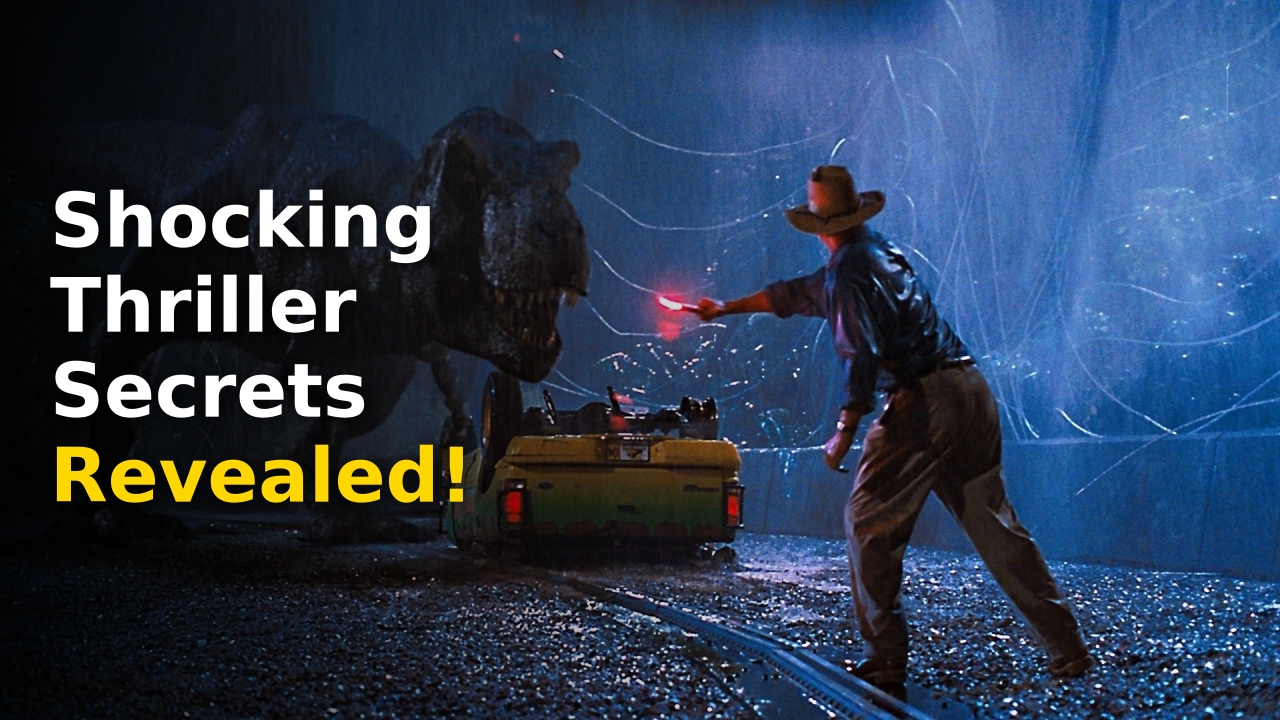
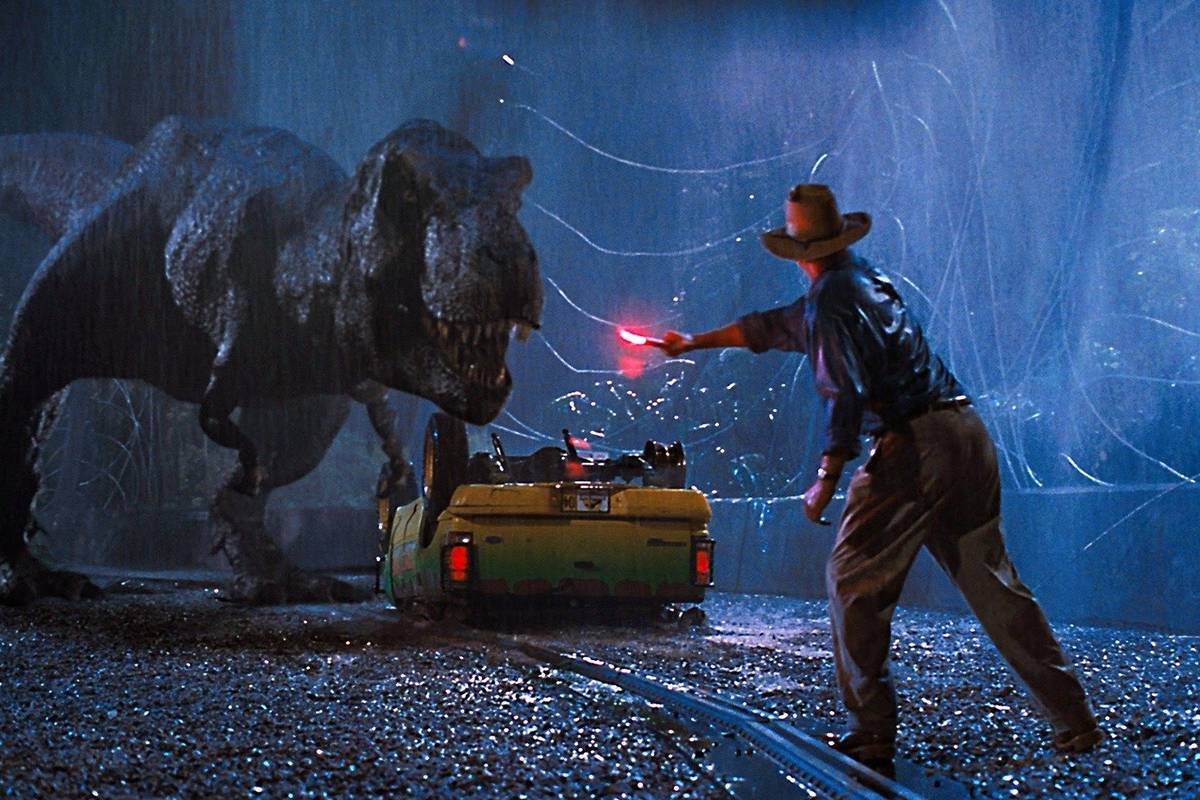
Jurassic Movies are the gold standard for high-stakes survival horror, capturing that singular moment when human hubris meets the unyielding power of nature. You likely remember the sheer adrenaline spike during the iconic T-Rex breakout sequence, a masterclass in tension that defined a generation of cinema. If you are constantly chasing that specific feeling of being trapped with a predator you cannot possibly control, you have come to the right place.
The concept of Jurassic Movies revolves around the fragile boundary between science and chaos. When the barrier of technology fails, what remains is the raw, primal reality of life in a predator’s hunting ground. This guide explores the cinematic legacy of creature-feature brilliance, moving from the depths of the ocean to the suffocating confines of space.
Jurassic Movies and Human Control
The fear of losing control is what makes these films so enduringly popular. When Steven Spielberg brought Jurassic Park to life in 1993, he didn’t just show us dinosaurs; he showed us the fragility of a John Hammond-style ego. Science often acts as the catalyst for these disasters, providing a false sense of security before the walls close in.
Think about the moment in Alien (1979) where the crew of the Nostromo realizes the Xenomorph is not just an organism, but a perfect killing machine. Just like on Isla Nublar, there is nowhere to run when your environment is designed to keep you inside. Sigourney Weaver portrays the ultimate survivalist, transitioning from a worker to a warrior in a way that resonates with every viewer who hates being a victim.
The shift from wonder to terror is critical in these stories. In The Descent (2005), characters enter a cave system seeking adventure, much like the park visitors seeking spectacle. The shift into pure, claustrophobic nightmare happens when the Crawlers reveal that humans are no longer at the top of the food chain. 
Every great creature feature relies on pacing. Whether it is the slow, deliberate footsteps of the T-Rex or the unseen, menacing movements of a shark in Jaws, suspense is built through what you don’t see. This psychological warfare forces you to imagine the worst-case scenario before it actually happens on screen.
In The Thing (1982), the terror isn’t just physical; it is psychological. The paranoia that anyone could be an impostor mimics the feeling of watching a security system fail at a theme park. If you want to dive deeper into how horror legends craft these moments, check out the latest insights on entertainment trends and production analysis.
Ultimately, these movies teach us that nature doesn’t care about your scientific accolades or your corporate budgets. The moment you step into the territory of a predator, you forfeit the right to be the master of your own destiny. It is a humbling, terrifying, and thrilling experience that keeps us coming back for more.
Defining The Creature Feature Genre
- Isolation: Trapping characters in a confined space where no one can hear their screams.
- Hubris: The dangerous belief that humanity can command forces better left alone.
- Environment: Using the setting—a jungle, a ship, or an ocean floor—as a weapon.
- Suspense: Withholding the full reveal of the creature to maximize the psychological toll.
Survival Statistics in Classic Thrillers
To understand why these films hold such a grip on our imagination, we must look at the odds stacked against the protagonists. The survival rate in these high-stakes scenarios is notoriously low, creating the tension necessary for a blockbuster experience.
| Movie Title | Setting | Threat Level |
|---|---|---|
| Jurassic Park | Theme Park Island | Critical |
| Deep Blue Sea | Underwater Facility | High |
| Crawl | Submerged Home | Moderate |
| Underwater | Ocean Floor | Maximum |
Modern Twists on Ancient Dangers
The evolution of the creature feature continues with modern masterpieces like Nope (2022). By subverting the classic monster trope, Jordan Peele forces the audience to rethink their relationship with spectacle. The creature, Jean Jacket, behaves like a wild animal with specific territorial instincts rather than a mindless killing machine.
This shift in storytelling mirrors the real-world evolution of our fears. We no longer fear the unknown as much as we fear the misunderstood. When OJ Haywood studies the creature instead of trying to blow it up, the film transforms into a tactical thriller. This is a far cry from the explosive showdowns of the 1990s.
Compare this to Deep Blue Sea (1999), where the intelligence of the sharks is the primary antagonist. These genetic abominations aren’t just hungry; they are calculating. They flood corridors and wait for researchers to lose their footing. It is a brutal, high-octane lesson in what happens when you attempt to bypass the natural order of biology.
In The Mist (2007), we see how human social structures crumble under the pressure of external terror. While the creatures outside are terrifying, the cult-like hysteria inside the supermarket is equally dangerous. It is a grim reminder that in a true Jurassic Movies-style scenario, your neighbor can become just as lethal as the monster prowling in the fog.
We also have films like Underwater (2020), which borrow from the cosmic horror genre. By placing the threat in the crushing, dark depths of the Mariana Trench, the director maximizes the feeling of helplessness. The specialized equipment becomes both a lifeline and a prison, echoing the constraints of the park’s electric fences.
Finally, we look at The Relic (1997), a gem that brings the creature into the halls of a public museum. There is something uniquely unsettling about a monster stalking the corridors of a place meant for education and history. It bridges the gap between scientific curiosity and primitive survival in a way that feels intensely claustrophobic.
As these stories progress, they continue to prove that our fascination with predators isn’t going anywhere. We want to see how we fare against the impossible. We want to see the moment the technology breaks and the true, uncaring face of nature stares back at us.
The Psychology of Predator Survival
Why do we love to be scared? Biologically, the thrill of these movies triggers a release of adrenaline and endorphins, providing a rush that is safe to experience from the comfort of your couch. It is a controlled exposure to fear, allowing you to practice your survival instincts without the actual danger.
When you watch characters make poor decisions in Jurassic Movies, you subconsciously evaluate your own reactions. Would you hide in the kitchen? Would you try to reboot the power? This engagement creates a powerful connection between the viewer and the protagonist, anchoring the film’s stakes firmly in your own psyche.
The most successful films in this genre are the ones that respect the intelligence of their audience. They don’t rely solely on jump scares; they rely on the creeping dread that something is watching you from the shadows. The best example of this remains Jaws, a benchmark for suspense that keeps viewers on edge even decades later.
Ultimately, whether it is a giant lizard, a space parasite, or an ancient aquatic predator, these films share a common soul. They are celebrations of the wild, untamable aspects of existence that refuse to bow to human civilization. They serve as a permanent reminder that we are merely guests on this planet.
If you have an appetite for more, always look for the stories that prioritize the atmosphere over the monster’s appearance. The less you see, the more you have to fear. Keep watching, keep wondering, and never assume that you are truly in control when you head into the dark. Jurassic Movies will always be there to remind you of the consequences of playing god.
More Like This
For more updates, check out our latest entertainment and sports news.