
Scream quote mastery remains the ultimate benchmark for modern horror enthusiasts who want to dissect the meta-narrative brilliance of Wes Craven’s legendary slasher series. If you have ever wondered why Ghostface feels so persistent despite the changing tides of pop culture, you need look no further than that single, razor-sharp line delivered by Billy Loomis in the original 1996 masterpiece. It is not just about the gore or the masks; it is about the cold, calculated logic that bridges the gap between fiction and reality.
For those uninitiated, the franchise often feels like a puzzle box of references. Yet, when you anchor your understanding to the philosophy that movies make psychos more creative, the entire sprawling history of the Ghostface killers suddenly makes perfect sense. Whether you are a casual viewer or a die-hard aficionado, understanding this psychological foundation is essential to appreciating why the series feels more relevant today than ever before.
Scream Quote: Deconstructing Horror Logic
The brilliance of the scream quote lies in its ability to strip away the pretense of the killer. By telling Sidney Prescott, “Now Sid, don’t you blame the movies. Movies don’t create psychos. Movies make psychos more creative!”, Billy Loomis fundamentally shifts the burden of horror. He isn’t claiming that films turn good people bad; he is asserting that they provide a terrifying vocabulary for those who are already broken.
This distinction is crucial for the internal consistency of the franchise. Across three decades, the series has consistently avoided the trope of the “accidental villain.” Instead, we see characters like Mickey Altieri or Jill Roberts who were already harboring deep-seated instability. The movies simply acted as a blueprint for their ambition, turning their path to infamy into a theatrical performance. 
We see this cycle repeat in the 2022 reboot, where Amber and Richie use the ‘Stab’ franchise as a roadmap for their carnage. Their motivation is not born from watching a movie, but from a desperate, fanatical need to fix what they perceive as a declining brand. It is a brilliant critique of toxic fandom, mirroring real-world discussions where media influence is often scapegoated for deeper societal failings.
Even in the most recent installments, the series keeps its feet firmly planted in this meta-commentary. Jessica Bowden, for instance, adds a layer of mental health history that contrasts with the ‘Stab’ fanaticism, highlighting that there is always a human origin to the madness. These layers ensure that the franchise remains grounded, despite the high-concept slasher antics. You can dive deeper into these cinematic secrets by exploring the archives at Bright Celebrity for more pop culture breakdowns.
This self-awareness is why the series has survived the shift from VHS to streaming platforms like Netflix. It constantly analyzes its own existence, questioning why we enjoy being scared and what it says about us as consumers. This intellectual depth separates the series from its contemporaries, making the original dialogue feel like a prophecy that is still unfolding today.
The Evolution of Ghostface
- 1996: Billy and Stu set the meta-standard.
- 1997: Mrs. Loomis proves the cycle continues.
- 2000: Roman Bridger takes the “Stab” concept to meta-extremes.
- 2011: Jill Roberts attempts to redefine horror fame.
- 2022: Amber and Richie attack legacy through toxicity.
Franchise Impact and Data
The longevity of the series is truly staggering, backed by massive box office performance and sustained audience loyalty. When we look at the financial success and the cultural footprint, it is clear that the franchise operates in a league of its own. Below is a breakdown of how the various installments have performed and evolved over time, cementing their place in cinema history.
| Film Entry | Release Year | Key Meta Theme |
|---|---|---|
| Scream | 1996 | The Rules of Horror |
| Scream 2 | 1997 | The Sequel Critique |
| Scream 3 | 2000 | The Trilogy Endings |
| Scream 4 | 2011 | The Remake Culture |
| Scream 5 | 2022 | The Legacy Sequel |
It is impossible to ignore the numbers when discussing the sustainability of this IP. Every release brings in a new generation of fans while keeping the core demographic engaged through callbacks and easter eggs. This constant stream of interest allows the studio to take risks that other franchises might find too daunting. 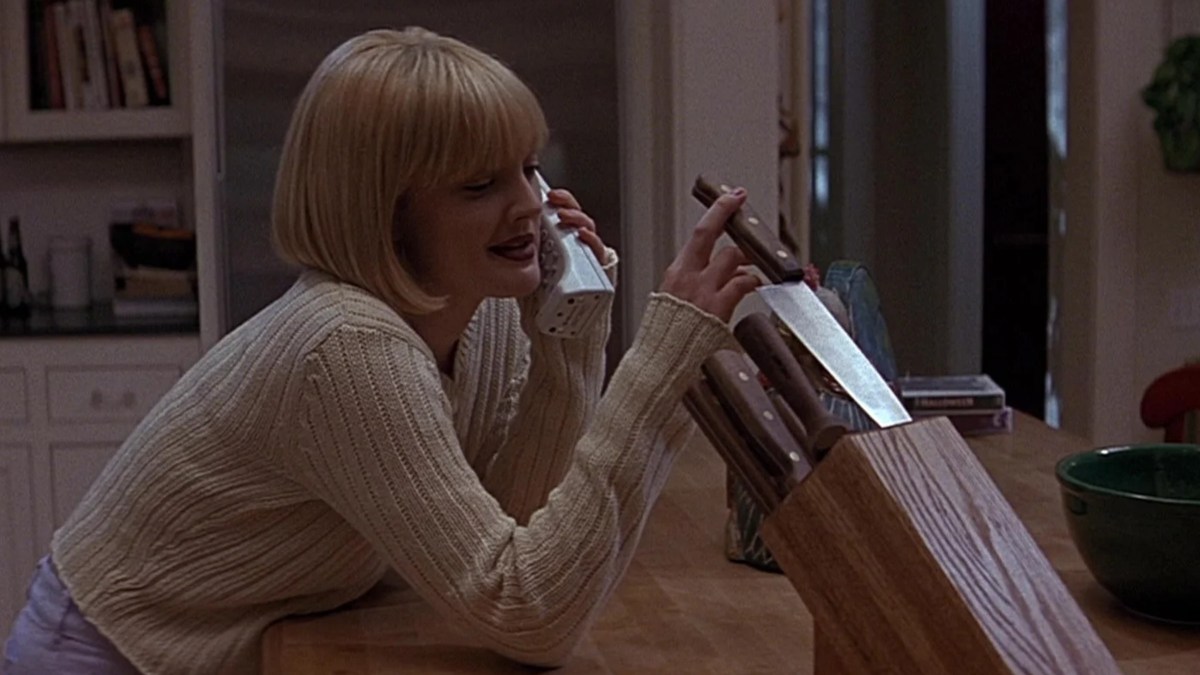
Consider the marketing strategies used in 2022. By leaning into the ‘Stab’ fan culture, they tapped into real-world fan debates about reboots and legacy sequels. The films are not just horror movies; they are interactive experiences that require the audience to know the history of the characters and the meta-rules of the genre. You can see how this strategy influences other slasher films currently in production.
The financial success of the 2022 entry proved that the audience was hungry for more. It outperformed expectations, proving that Ghostface is a timeless antagonist. By respecting the source material while evolving the narrative, the producers have ensured that the series remains a profitable and culturally significant force for years to come.
The Magneto Backstory Dilemma
While we are obsessed with horror meta-commentary, we must address the massive shifting landscape of comic book movies. The rumors regarding the MCU reboot of the X-Men suggest that Magneto will be portrayed as significantly younger, roughly 30-35 years of age. This has ignited a firestorm among fans who argue that stripping away his Holocaust origin is a betrayal of the character’s core identity.
His identity is forged in the fires of one of history’s greatest tragedies. His belief that mutantkind is destined for extermination is not just a slogan; it is a worldview born from the genocide he witnessed as a child. If you remove this element, you fundamentally change the nature of his villainy. You turn a man of conviction into a man of convenience.
Some suggest alternative histories, such as living through different ethnic cleansings or colonial conflicts. While these events are undeniably tragic, they do not possess the same specific narrative weight as the Holocaust in the context of the X-Men’s publication history. The challenge remains for Marvel Studios to reconcile his age without deleting his past.
Perhaps they will lean into his mutant biology. Could his slow aging be a result of his powers or an experiment performed on him? This would allow for an authentic historical timeline without forcing the character to be a nonagenarian in the present day. It is a narrative hurdle, certainly, but one that is worth clearing to keep the integrity of such an iconic figure.
We have to look at the precedent set by other cinematic universes. Characters are often updated for modern audiences, but some core elements must remain sacred. Magneto’s history is one of those elements. To change it is to risk losing the emotional core that makes him one of the most compelling antagonists in comic book history.
Ultimately, the discussion around this reboot highlights our hunger for depth in our heroes and villains. We no longer accept generic evil; we want to understand the “why” behind the actions. Whether it is a masked killer in a slasher film or a mutant revolutionary, we demand a story that respects our intelligence and the history that shapes our world.
Final Thoughts on Legacy
Reflecting on the enduring power of the scream quote, it becomes clear that great writing serves as the heartbeat of any franchise. When you find the right words to capture the soul of a series, that message transcends the screen and speaks directly to the audience’s lived experience. Whether it is in the halls of Woodsboro or the X-Mansion, the stories that linger are the ones that question, challenge, and ultimately, evolve.
We look forward to seeing how these narratives continue to grow. As audiences, we play a role in this too—by engaging with these stories and demanding quality, we ensure that the next generation of filmmakers continues to aim high. Keep watching, keep questioning, and always stay on the lookout for the next great cinematic moment that defines an entire era.
More Like This
For more updates, check out our latest entertainment and sports news.