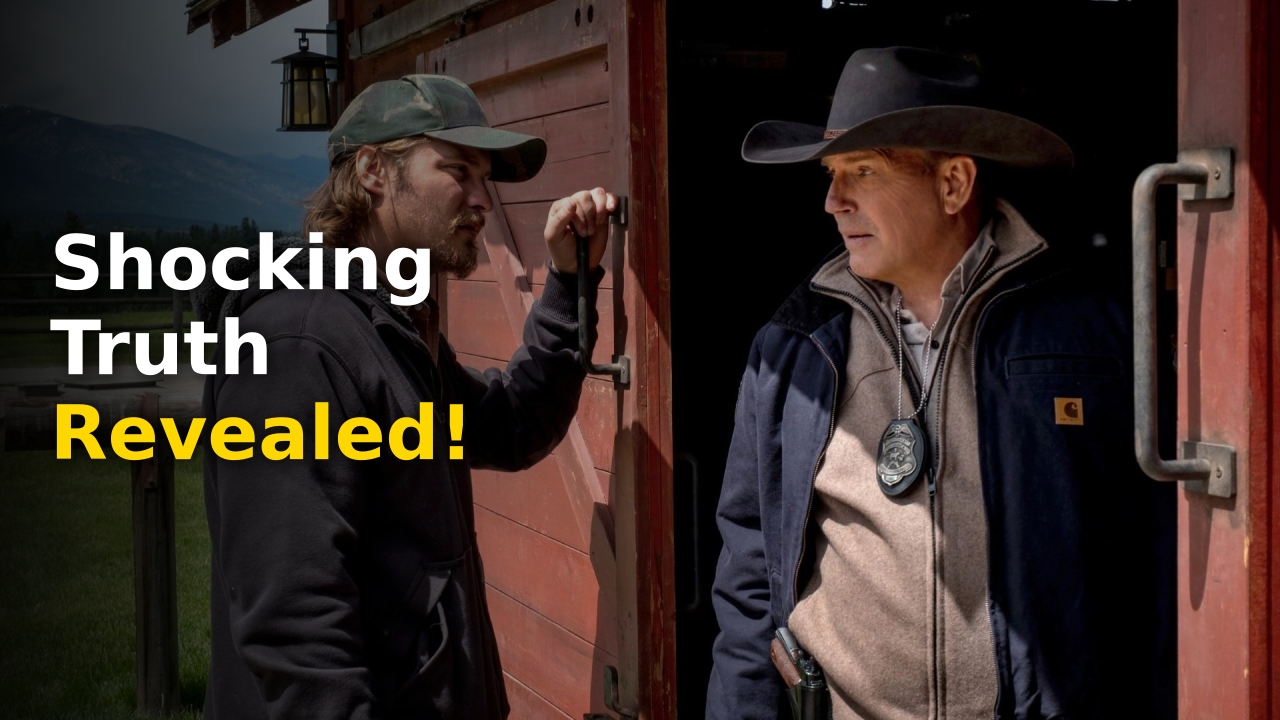
John Dutton remains the undisputed patriarch of modern television, and his John Dutton best line is still the greatest quote in Yellowstone history. Six years after he first growled those chilling words at his son Kayce Dutton, the cultural impact of this single moment continues to ripple through pop culture. If you have ever wondered why this specific sequence feels so heavy and inevitable, you are not alone.
Television writers often struggle to capture the duality of man, but Taylor Sheridan nailed the essence of the Dutton legacy in one heartbeat. You know the scene: the porch, the tension, and the cold reality of life in Montana. It is more than just script writing; it is a philosophy that defines the entire five-season run of this gritty Western saga.
The John Dutton Legacy
When you look back at the Yellowstone archives, you realize that most shows peak in their second or third season before fading into mediocrity. Kevin Costner, playing the lead character with a mix of weary gravitas and dangerous precision, elevated this script into something legendary. The line “be meaner than evil” is not just a catchphrase; it is a moral map for a family living in a moral gray area.
Consider the environment. The Dutton Ranch isn’t just a plot of land; it is a battlefield soaked in the blood of generations. By telling his son to be meaner than evil, the patriarch is effectively passing down a cursed crown. He is teaching Kayce that to survive the wolves of corporate greed and political corruption, one must become the biggest wolf of all.
This philosophy explains why the characters often act with such brutal efficiency. Whether it is Beth Dutton destroying a business rival or Rip Wheeler taking care of problems at the train station, every action tracks back to that porch conversation. You are witnessing the maturation of a dynasty that refuses to let the 21st century dilute its pioneer spirit.
Critics often point to this scene as the exact moment the show shifted from a drama to an epic tragedy. The Paramount Network hit struck gold by tapping into the audience’s deep-seated desire for protectors who aren’t afraid of the dark. It challenges you to ask yourself: how far would you go to protect your home?
For deeper insights into the star-studded cast and their off-screen lives, you can check out the latest updates over at celebrity lifestyle trends. Understanding the actors behind these roles often provides a fascinating look at why the chemistry on screen feels so undeniably authentic and raw.

The Philosophy of Protection
- The burden of inheritance across generations.
- Why traditional morality fails in the West.
- The psychological toll of perpetual conflict.
- The fine line between justice and vengeance.
Data Behind the Dutton Phenomenon
Numbers don’t lie, and the trajectory of the Yellowstone franchise since that season 3 pivot is nothing short of astronomical. The show moved from a niche hit to a cultural juggernaut, spawning multiple spinoffs like 1883 and 1923. Below, we break down the key elements that contribute to the show’s massive, sustained popularity.
| Metric | Impact Level | Fan Sentiment |
|---|---|---|
| Character Depth | Extremely High | Loyal/Connected |
| Writing Quality | Elite | Critical Acclaim |
| Cultural Relevance | Massive | Trending Daily |
The reliance on “evil” as an antagonist is a masterclass in narrative tension. By externalizing the threat—whether it is Market Equities or rival land developers—the show gives the audience a clear villain to root against. This makes the morally ambiguous actions of the Duttons easier to digest, as they are portrayed as a “necessary evil” fighting a greater, more malicious one.
As noted by major media outlets, the shift in prestige television towards rural narratives has completely disrupted traditional Hollywood casting trends. The Dutton ethos has transcended the screen, becoming a shorthand for modern resilience and uncompromising loyalty to family and legacy.
Defining the Villain
True evil in the Yellowstone universe is not always a person; often, it is a system. The show masterfully portrays bureaucracy and corporate expansion as threats to the simple, rugged life. This thematic resonance is why, six years later, audiences are still dissecting every word uttered by John Dutton.
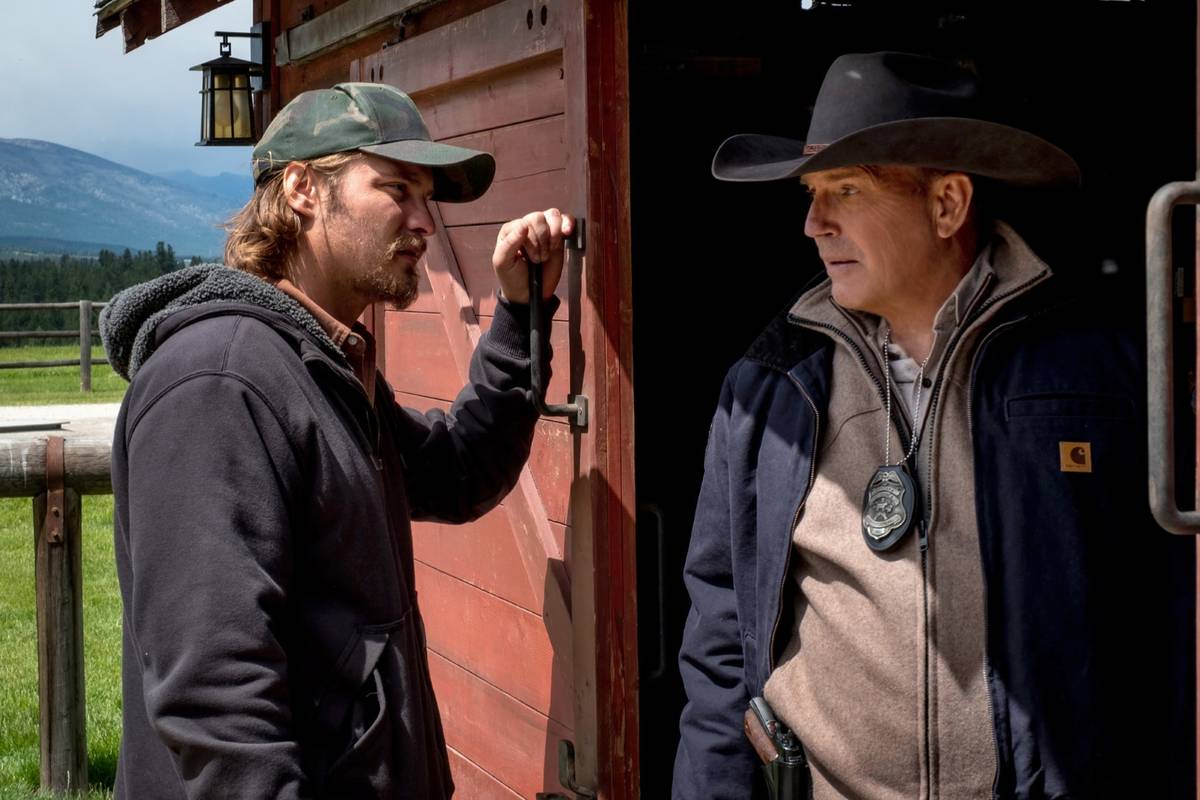
The Dutton Moral Paradox
Why do we love characters who are objectively terrible people? The answer lies in the nuance of the delivery. When Kevin Costner speaks, you aren’t listening to a sermon; you are listening to a confession. He acknowledges that he is ruining his children, that he is destroying his own peace, yet he continues because he views it as a sacrificial duty.
Every time you rewatch the scene on the porch, notice the silence. The spaces between the words are where the real story happens. It is the sound of a man who has lost his wife, whose children are drifting away, and whose world is shrinking. He is not lecturing Kayce; he is mourning the fact that Kayce has to learn this lesson at all.
This vulnerability is what anchors the show. Without it, Yellowstone would be just another soap opera with cowboys and gunfights. But with it, the show reaches high-brow drama status. It forces you to look at your own life and wonder what values you are passing down to the next generation, regardless of how dark those values might appear.
The Enduring Cultural Impact
The phrase “be meaner than evil” has been quoted on social media platforms millions of times since 2018. It has become a mantra for entrepreneurs, soldiers, and anyone facing a difficult life situation where they feel their integrity is being compromised by outside forces. It is the ultimate survival guide packaged in a Western aesthetic.
Is it possible for a show to have a singular defining moment? If any series does, it is Yellowstone. By stripping away the polish, the show reveals the raw nerves of the American dream. The dream isn’t about riches; it is about survival, and survival often requires you to discard your softness. This is the central lesson of the ranch, and it is the lesson that continues to captivate millions of viewers worldwide.
Final Thoughts
Six years later, the weight of that single, iconic line has not diminished. If anything, it has grown more relevant as the world becomes increasingly complex and unpredictable. The John Dutton perspective is one that demands total commitment, and that is why his best line remains the gold standard in modern television writing.
Whether the show concludes with a bang or a whimper, the legacy of that porch conversation will survive. It stands as a testament to the power of a well-delivered line to change a character’s trajectory and the audience’s perception forever. Always remember: in the game of life, if you aren’t ready to be meaner than evil, you’ve already lost the land.
More Like This
For more updates, check out our latest entertainment and sports news.