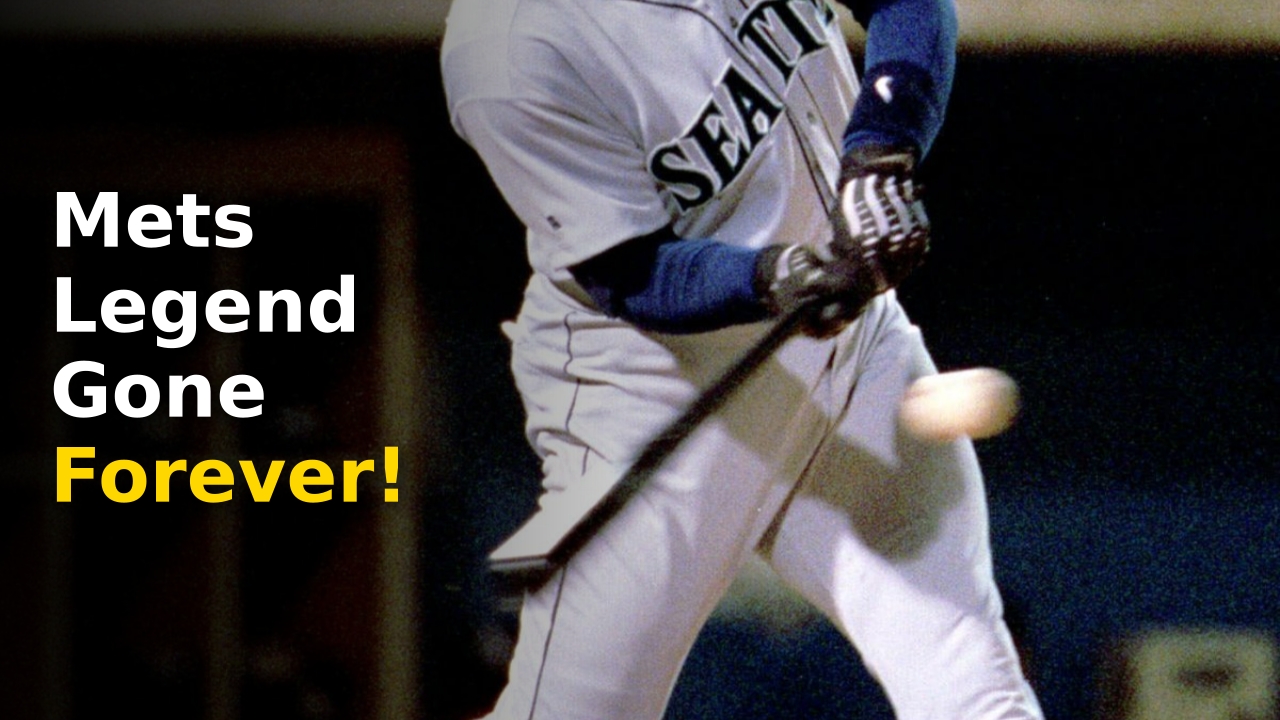
How do you say goodbye to a powerhouse athlete who helped define the gritty, high-stakes era of 1990s baseball for millions of fans in Queens? The sports world is reeling today as news broke that Butch Huskey has passed away at the age of 54, leaving behind a legacy that stretched far beyond the confines of Shea Stadium. You might remember him for his massive swing or his unique place in history as one of the last players to wear a legendary jersey number, but his impact on the game was truly singular.
His journey from a promising prospect to a middle-of-the-order threat for the New York Mets serves as a testament to hard work and raw physical talent. During a time when the game was changing rapidly, he remained a constant source of power and reliability for his teammates and the fans who cheered his name. It is rare to see a player capture the heart of a city like New York so quickly, yet he managed to do so with a blend of humility and highlight-reel home runs.
Losing a figure like this at such a young age reminds us all of the fleeting nature of our sporting heroes and the memories they create for us. Whether you followed his career from his 1993 debut or discovered his highlights years later, his presence on the diamond was impossible to ignore. Today, we look back at the life, the career, and the undeniable spirit of a man who gave his all to the game of baseball.
The Butch Huskey Era Begins
When you look back at the early 1990s, the Mets were a team in transition, looking for a new identity after the glory years of the mid-80s. Butch Huskey arrived on the scene in 1993 as a versatile player with a frame built for power and a swing that promised big things for the future. He wasn’t just a slugger; he was a player who could find a home at third base or in the outfield, providing the kind of flexibility that modern managers dream about.
Breaking Into The Bigs
Making it to the Major Leagues is a feat few achieve, but doing it in a market like New York requires a specific kind of mental toughness. He didn’t just show up; he made his presence felt by working his way through the minor league system with a focus on improving his contact rate. You could see the potential in every batting practice session where he routinely cleared the fences with ease.
The Shea Stadium Atmosphere
Playing at Shea Stadium during that era meant dealing with a vocal, passionate fan base that demanded excellence every single night. He embraced the challenge, often feeding off the energy of the crowd during crucial late-inning at-bats. His ability to stay calm under the bright lights of the Big Apple set him apart from many other young players who struggled under the pressure.
Versatility on the Diamond
One of the most underrated aspects of his game was his willingness to play wherever the team needed him most. Whether he was tracking down fly balls in the grass or guarding the hot corner at third base, he approached every play with a professional intensity. This versatility allowed the Mets to keep his dangerous bat in the lineup as often as possible.
Early Career Growing Pains
Like any young player, he faced hurdles during his first few seasons, including the 1994 player strike that disrupted the rhythm of the entire league. However, he used that time to refine his approach at the plate, coming back stronger and more disciplined. You could see the maturation process unfolding as he began to lay off tough breaking balls and wait for his pitch.
A Fan Favorite Emerges
It didn’t take long for the Flushing faithful to adopt him as one of their own, appreciating his blue-collar work ethic and no-nonsense attitude. He wasn’t a player who sought out the spotlight, but the spotlight found him because of his performance. You could find his jersey throughout the stands as he became a symbol of the team’s promising future.
The Jackie Robinson Connection
Perhaps the most fascinating piece of trivia regarding his tenure in New York is that he was the final Met to wear the number 42. Before the number was retired across all of Major League Baseball to honor Jackie Robinson, he carried that legacy on his back with pride. It is a distinction that links him forever to the greatest pioneers of the sport.

1997: A Season Of Glory
If you were watching baseball in 1997, you witnessed the absolute peak of what Butch Huskey could do on a baseball field. That season remains a gold standard for his career, a year where everything clicked and he became one of the most feared hitters in the National League. He posted a career-high .287 batting average, proving that he was much more than just a home run threat.
The Power Surge
During that incredible 1997 campaign, he blasted 24 home runs, many of which were tape-measure shots that left fans in awe. His power was effortless, stemming from a massive lower body and incredibly fast hands through the hitting zone. You could almost hear the difference in the sound of the ball off his bat compared to other players.
Driving In The Runs
Stats only tell part of the story, but his 81 RBIs in 1997 highlight just how clutch he was when runners were in scoring position. He had a knack for finding the gap or clearing the bases when the game was on the line. It was this reliability that made him the cleanup hitter the Mets had been searching for over several seasons.
The OPS Milestone
His .822 OPS (on-base plus slugging) that year was a clear indicator of his elite offensive production during that window of time. He wasn’t just hitting for power; he was getting on base and making pitchers work deep into counts. This statistical peak made him a central figure in the Mets’ offensive strategy throughout the summer.
Summer Heat Streaks
Fans often remember the scorching hot streaks he would go on during the humid New York summers, where it seemed like he couldn’t be retired. He had a way of carrying the team on his back for weeks at a time, providing the offensive spark needed during tight divisional races. You can find more updates on sports icons at brightcelebrity.com as we track these developing stories.
Mastering The Strike Zone
The 1997 season showed his improved plate discipline, as he stopped chasing pitchers’ pitches and started dictating the pace of the at-bat. This adjustment allowed him to hit for a higher average while maintaining his signature power. It was the perfect blend of aggression and patience that every major league hitter strives to achieve.
Memorable Home Runs
From walk-off hits to game-changing blasts against divisional rivals, his 1997 highlight reel is a joy to watch for any baseball purist. He had a flair for the dramatic, often delivering his biggest hits when the cameras were focused most intensely on him. These moments cemented his place in the hearts of New Yorkers forever.
Journeyman Years And Impact
After his successful stint in New York, his career took him to several other major markets, where he continued to provide veteran leadership and power. While he will always be remembered primarily as a Met, his time with the Seattle Mariners, Boston Red Sox, Minnesota Twins, and Colorado Rockies showcased his longevity. He was the ultimate professional, adapting to new clubhouses and roles with ease.
Success In Seattle
When he moved to the American League to join the Mariners, he brought that same East Coast toughness to the Pacific Northwest. He adjusted quickly to the different style of play and the designated hitter role, continuing to be a threat in a lineup that featured some of the greatest hitters in history. His presence provided much-needed depth to a team with playoff aspirations.
The Fenway Park Experience
Playing for the Boston Red Sox is another high-pressure environment that he handled with grace and skill. The Green Monster at Fenway Park was a tempting target for a right-handed power hitter like him, and he didn’t disappoint. His brief time in Boston allowed a whole new set of fans to appreciate his dedication to the craft of hitting.
Veteran Leadership in Minnesota
With the Twins, he took on the role of a seasoned veteran who could mentor younger players on the nuances of the game. You could often see him in the dugout sharing tips on how to read a pitcher’s tendencies or how to handle the mental grind of a long season. This leadership was invaluable to the younger rosters he joined later in his career.
Final Days in Colorado
His final stop in the majors was with the Rockies, where the thin air of Denver provided one last showcase for his incredible natural power. Even as his career wound down, he remained a dangerous pinch-hitter and a respected voice in the clubhouse. He left the game on his own terms, having achieved more than most ever could.
Life After The Jersey
Following his retirement from professional baseball, he stayed connected to the sport and his community in various ways. He was never one to chase the limelight after his playing days, preferring a more private life while still supporting the game that gave him so much. His passing is a reminder of the impact he had on everyone he met along the way.
A Lasting Legacy
The news of his death at 54 has sparked a wave of tributes from former teammates and coaches, all of whom speak of his character first and his stats second. He was a man of integrity who treated the clubhouse attendant with the same respect as the team owner. That is the true measure of the man we lost today.
Massive Numbers and Records
To truly understand the career of this athlete, you have to look at the cold, hard data that he put up over seven seasons. While numbers don’t capture the spirit of a player, they do provide a roadmap of his consistency and his peak performance years. The following table highlights the key metrics from his most productive seasons in the big leagues.
| Season | Team | Home Runs | Batting Avg | OPS |
|---|---|---|---|---|
| 1996 | NY Mets | 15 | .278 | .791 |
| 1997 | NY Mets | 24 | .287 | .822 |
| 1998 | NY Mets | 13 | .252 | .717 |
| 1999 | Seattle | 22 | .283 | .824 |
| Career | Total | 89 | .267 | .773 |
Impact On Baseball Culture
Beyond the box scores and the highlights, Butch Huskey represented a specific kind of player that defined an era. He was part of a generation of athletes who transitioned the game into the modern, power-heavy style we see today. His presence in the lineup gave opposing pitchers nightmares and provided his own fans with a sense of hope every time he stepped into the batter’s box.
The Power Hitter’s Role
During the late 90s, the role of the slugger was paramount, and he filled that role perfectly for the Mets. You can’t tell the story of the New York Mets in that decade without mentioning his contributions. He provided the protection in the lineup that allowed other stars to flourish and see better pitches.
Community and Fan Engagement
He was known for being accessible to fans, often staying late to sign autographs and talk to kids who dreamed of playing in the big leagues. This connection created a bond that lasted long after he hung up his cleats. You will find that many of the tributes pouring in today are from fans who remember a single kind word he shared with them years ago.
Teammate Perspectives
If you talk to the men who shared a clubhouse with him, they describe a guy who was always ready to play, regardless of minor injuries or setbacks. He was a “gamer” in every sense of the word, leading by example through his preparation and his focus. His teammates knew they could count on him when the pressure was highest.
A Bridge Between Eras
He played through a fascinating period of baseball history, seeing the shift from the old-school grass-and-dirt stadiums to the modern cathedrals. He saw the rise of advanced analytics and the changing way the game was managed. Through it all, he remained a pure hitter who relied on his instincts and his natural strength.
Physical Presence
Standing at 6’3″ and weighing over 230 pounds during his playing days, he was an imposing figure in the box. Pitchers often spoke about how he seemed to crowd the plate, leaving them very little room for error. This physical dominance was a key part of his success throughout his seven-year major league career.
The Final Out
The news of his passing at 54 is a stark reminder to cherish the legends of the game while they are with us. He leaves behind a legacy of power, versatility, and professionalism that will not be forgotten. The baseball community has lost a true original, but his memory will live on in every home run highlight and every story shared by those who knew him.
Forever A Butch Huskey Memory
As we wrap up this look at a remarkable life, it’s important to recognize that Butch Huskey was more than just a set of statistics on a baseball card. He was a father, a teammate, and a hero to a generation of fans in New York and beyond. His journey reminds us that the impact of an athlete is measured by the joy they bring to the people watching from the stands.
You can see the outpouring of grief across social media as former clubs and players share their favorite memories of the man they called a friend. It’s a testament to the kind of life he lived—one marked by respect and a genuine love for the game. He carried the weight of expectation with a smile and a powerful swing that fans will never forget.
The story of Butch Huskey is one of achievement against the odds and excellence on the world’s biggest stage. While his time with us was far too short, the marks he left on the game are permanent. We offer our deepest condolences to his family and friends as the baseball world says its final, heavy-hearted goodbye to a true New York legend.
More Like This
For more updates, check out our latest entertainment and sports news.