{
“title”: “AI Usage: 7 Shocking Secrets Behind This Contentious Game Reveal”,
“content”: “
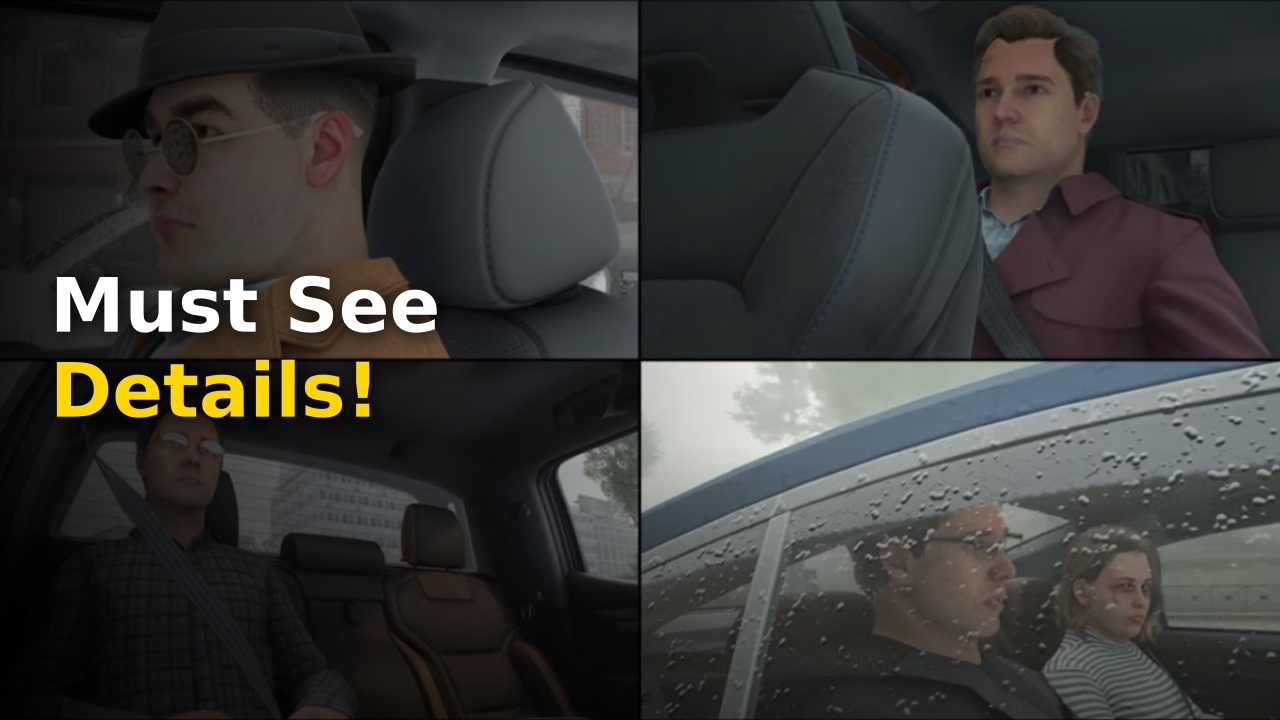
AI Usage in the modern gaming world has reached a boiling point after a shocking exchange between a lead writer and a massive studio. You might think your favorite characters are born from human imagination, but Saber Interactive just changed the rules of engagement. The reveal of their upcoming title, Rideshare Stimulator, has ignited a firestorm that has everyone talking on social media.
You deserve to know if the stories you play are crafted by human hands or generated by a machine. This controversy isn’t just about one game; it is about the future of creative work in an era of automation. When Stella Sacco claimed she was replaced by ChatGPT, the industry stood still. The drama has forced a level of transparency we rarely see from secretive development studios.
What started as a simple game announcement has spiraled into a debate about ethics, technology, and corporate honesty. Matthew Karch, the CEO of Saber Interactive, found himself at the center of the storm. The fallout provides a rare look at how gaming industry secrets are managed behind closed doors. Let’s dive into the messy reality of this digital divide.
AI Usage Sparks Massive Drama
The announcement of Rideshare Stimulator was supposed to be a standard marketing win for Saber Interactive. Instead, it became a lightning rod for criticism regarding AI Usage in creative roles. You probably didn’t expect a simulator about driving people around to cause such a stir. The game promises an infinite number of passengers, which was the first clue that something automated was under the hood.
Stella Sacco, the former lead writer, didn’t hold back when she saw the game’s debut. She took to Bluesky to voice her frustration, claiming she was ousted mid-development. According to her, the transition happened because Matthew Karch believed using ChatGPT would be a great publicity stunt. This claim suggests that the human element was sacrificed for a marketing angle that eventually backfired.
The tension between traditional storytelling and algorithmic generation is palpable here. You can feel the frustration of a creator who spent years building a world, only to see it handed over to a bot. Saber Interactive has since tried to clarify their position, but the damage to their reputation might already be done. They are now facing a community that is increasingly skeptical of automated content.
Inside the studio, the atmosphere must have been incredibly tense as these decisions were made. Matthew Karch has defended the move as a way to provide more content for a lower-priced title. He believes that the average consumer will see the sheer volume of missions as a plus. However, this logic ignores the value of cohesive, human-led narrative that players have come to expect from Saber Interactive.
The debate over AI Usage isn’t going away anytime soon, especially with the rise of Artificial Intelligence in all sectors. Gaming is just the latest battleground for this technological revolution. When you pick up a controller, you expect a certain level of craftsmanship. If that craftsmanship is being outsourced to an LLM, it changes the fundamental relationship between the player and the developer.
Critics argue that this is a race to the bottom for quality. If one studio gets away with replacing writers, others will surely follow. This puts thousands of creative jobs at risk across the globe. The Rideshare Stimulator situation is a canary in the coal mine for the entire entertainment industry. We are watching a live experiment in how much automation a community will tolerate.

The Stella Sacco Saga
- Stella Sacco served as the lead writer before being allegedly replaced by ChatGPT mid-way through the project.
- She claimed that the decision was made by CEO Matthew Karch specifically for publicity purposes.
- Sacco highlighted that planned live updates were also moved to automated systems.
- The writer’s public disclosure led to a contentious back-and-forth regarding her confidentiality agreement.
Saber Interactive Fires Back
The response from Matthew Karch was swift and surprisingly personal. He claimed he didn’t even know who Stella Sacco was, even suggesting he had to ask Claude to identify her. This kind of public dismissal is rare in the professional world of game development. It added a layer of toxicity to an already heated situation, making the AI Usage debate even more polarized.
Matthew Karch maintains that the company has always been transparent about their tech. He stated that the plan was always to reveal the details once the feature set was finalized. According to the CEO, Sacco’s public comments violated her confidentiality clause. This legal angle suggests that Saber Interactive may take further action against their former lead writer.
Despite the fiery rhetoric, Saber Interactive did eventually update their Steam page. They now admit to using various tools for voice generation and localization tasks. However, they are doubling down on the fact that the main story remains human-written. This distinction is crucial for players who value narrative integrity over procedural generation.
You have to wonder why the CEO chose such a combative tone. In an industry built on community trust, attacking a former employee rarely ends well. It paints a picture of a leadership team that is out of touch with the current sentiment surrounding automation. Players are currently very sensitive to the idea of “slop” replacing curated art.
The company also claims that any awards the script might win would go to a human. This seems like an attempt to reassure the Screen Actors Guild and other unions. But the question remains: if the machine is doing the heavy lifting, who actually deserves the credit? This is a legal and ethical quagmire that the industry is not yet prepared to handle.
Ultimately, the CEO believes that the price point of the game justifies the tech. Since Rideshare Stimulator will be a “lower-priced title,” they feel shortcuts are acceptable. You might disagree, especially if you believe that every game deserves a human touch regardless of the cost. The market will eventually decide if this gamble pays off for the studio.
Breaking Down AI Usage
Let’s look at the specifics of how AI Usage actually functions within this particular game. The developer has disclosed that voice generation is a primary area of focus. This allows for an “infinite” number of passengers without the massive cost of hiring thousands of voice actors. While efficient, it often results in a “dead” or robotic feeling that many players find distracting.
Localization is another area where the studio is cutting corners. Traditional localization is a delicate process that requires deep cultural understanding. Using a machine to translate dialogue often leads to errors and lost nuance. If you play games in a language other than English, you might notice a dip in quality with Rideshare Stimulator.
The game also features radio stations with a mix of human and machine-made music. The Steam page promises that the machine-made tracks will be clearly labeled. This is a small win for transparency, but it still feels like a loss for the music industry. Many musicians rely on these small gigs to build their portfolios and earn a living.
Perhaps the most controversial feature is the “AI-generated passenger missions.” These are side quests that are built on the fly by an algorithm. The developer admits these are separate from the main campaign. They have even included a feature that allows you to skip these missions if you only want “human-written narrative content.”
This “skip” feature is a fascinating admission of the technology’s current limitations. If the missions were truly high-quality, there would be no need to offer a way to bypass them. It suggests that even Saber Interactive knows the machine-made content might not be up to par. You are essentially being given the option to filter out the automated filler.
The main campaign, however, is supposedly safe from the algorithm. Saber Interactive insists that the core characters and dialogue are the work of human writers. But with Stella Sacco claiming she was replaced “midway through,” it’s hard to know where the human work ends and the machine work begins. This lack of a clear boundary is exactly what has the community so worried.
Examining The Vital Data
To understand the scope of this project, we need to look at the numbers and the platforms. Saber Interactive is a powerhouse, responsible for massive hits like Space Marine 2. Their shift toward AI Usage represents a significant change in strategy for a major player in the industry. The following table breaks down the key components of the game and who is responsible for them.
| Feature Category | Creation Method | Status |
|---|---|---|
| Main Campaign Story | Human Team | Confirmed |
| Passenger Missions | Algorithm Generated | Optional/Skippable |
| Voice Over Work | Voice Generation Tech | Active |
| Localization | Machine Translation | Active |
| Radio Music | Hybrid (Human/Machine) | Labeled |
| Live Updates | Disputed (Machine Claimed) | TBD |
This data highlights a clear trend toward automation in non-core assets. While the “main campaign” is touted as human, the surrounding world is heavily reliant on machines. This hybrid model is becoming increasingly common as development costs skyrocket on platforms like PlayStation 5 and Xbox Series X.
However, the dispute over live updates is a major red flag. If post-launch content is entirely automated, the game may lose its soul over time. Players often stick with a game because of the evolving narrative and community engagement. An algorithm can’t truly engage with a community or react to cultural shifts the way a human can.
Public Perception Problems
The feedback on the Steam discussion page has been overwhelmingly negative. Many potential players are calling out Saber Interactive for their heavy-handed AI Usage. You can see the frustration in the comments, where users are questioning the value of a game that doesn’t prioritize human creators. This is a PR nightmare that the company didn’t see coming.
One recurring theme in the comments is the “uncanny valley” of voice generation. Even with advanced technology, machine voices often lack the emotional cadence of a real person. For a game that relies on driver-passenger interactions, this could be a fatal flaw. If the passengers sound like robots, the immersion is broken immediately.
There is also a growing movement of players who refuse to buy games with significant machine-generated content. They see it as a strike against the creative community. By voting with their wallets, these players hope to force studios to rethink their AI Usage policies. Whether this movement gains enough steam to affect sales remains to be seen.
Matthew Karch believes that most consumers won’t care as long as the game is fun and cheap. This is a cynical view of the gaming audience. Most players are deeply invested in the lore and artistry of their favorite titles. Reducing that to a series of algorithmic outputs feels like a betrayal of that investment.
The controversy has also caught the attention of industry watchdogs. They are looking at how companies disclose their use of automation. If a company isn’t upfront about these things, it could lead to legal trouble or platform bans. Transparency is no longer just a courtesy; it is becoming a requirement in the digital age.
We are currently in a transition period where the rules are being written in real-time. The outcome of the Rideshare Stimulator release will be a major data point for other studios. If it succeeds, expect more automation. If it fails, studios might realize that you can’t replace the human heart with a piece of software.
Final Verdict On Automation
The saga of Rideshare Stimulator is a wake-up call for everyone involved in the creative arts. The tension between Stella Sacco and Saber Interactive has exposed the raw nerves of an industry in flux. The bottom line is that AI Usage is a double-edged sword that can provide efficiency but at a high cost to human narrative.
You have to decide where you stand on this issue. Are you willing to trade human storytelling for a lower price and more content? Or do you believe that some things should remain strictly in the realm of human imagination? This isn’t just a question for developers; it’s a question for the entire community.
The game currently has no release date, which might be a blessing for the studio. They have time to address the feedback and perhaps scale back some of the more controversial features. Or they might double down on their current path. Regardless of what they choose, the eyes of the entire industry are on them.
As we look toward the future, the integration of technology will only increase. But as this controversy shows, the way you implement that technology matters. If you treat creators like Stella Sacco as expendable, you risk losing the very thing that makes your games special. You can find more brightcelebrity.com insights on gaming industry secrets to stay ahead of the curve.
Ultimately, the drama surrounding AI Usage in this game is a reflection of our wider society. We are all grappling with the same questions about work, value, and technology. Rideshare Stimulator just happens to be the latest vehicle for that conversation. Let’s hope the final destination is one that respects the creators who build these digital worlds.
Keep an eye on the Steam updates as the release draws closer. The developers have promised to be more transparent moving forward. Whether they actually follow through is another story. For now, the debate over AI Usage continues to rage on, and the stakes couldn’t be higher for the future of play.
“,
“parent_category”: “Entertainment”,
“sub_categories”: [“Gaming News”, “Tech Trends”, “Industry Controversy”],
“focus_keyword”: “AI Usage”,
“slug”: “ai-usage-rideshare-stimulator-controversy”,
“tags”: [
“Saber Interactive Games”,
“Stella Sacco Lead Writer”,
“Matthew Karch CEO”,
“Rideshare Stimulator Release Date”,
“ChatGPT in Gaming”,
“AI in Video Games 2024”,
“Gaming Industry Secrets Net Worth 2026”,
“Claude AI vs ChatGPT”,
“Steam Game Controversies”,
“PlayStation 5 New Releases”,
“Xbox Series X AI Games”,
“Video Game Narrative Design”,
“Artificial Intelligence Ethics”,
“Game Developer Salary 2025”,
“Saber Interactive Net Worth”,
“Future of NPCs”
],
“seo_description”: “AI Usage in Rideshare Stimulator sparked a massive feud between Saber Interactive and Stella Sacco. Discover the 7 shocking truths behind this game’s AI script.”,
“thumbnail_text”: “SHOCKING AI LIES EXPOSED!”,
“body_image_alt_tags”: [
“Saber Interactive AI Usage controversy in Rideshare Stimulator game development”,
“Stella Sacco vs Matthew Karch AI Usage debate over ChatGPT script writing”
]
}
More Like This
For more updates, check out our latest entertainment and sports news.