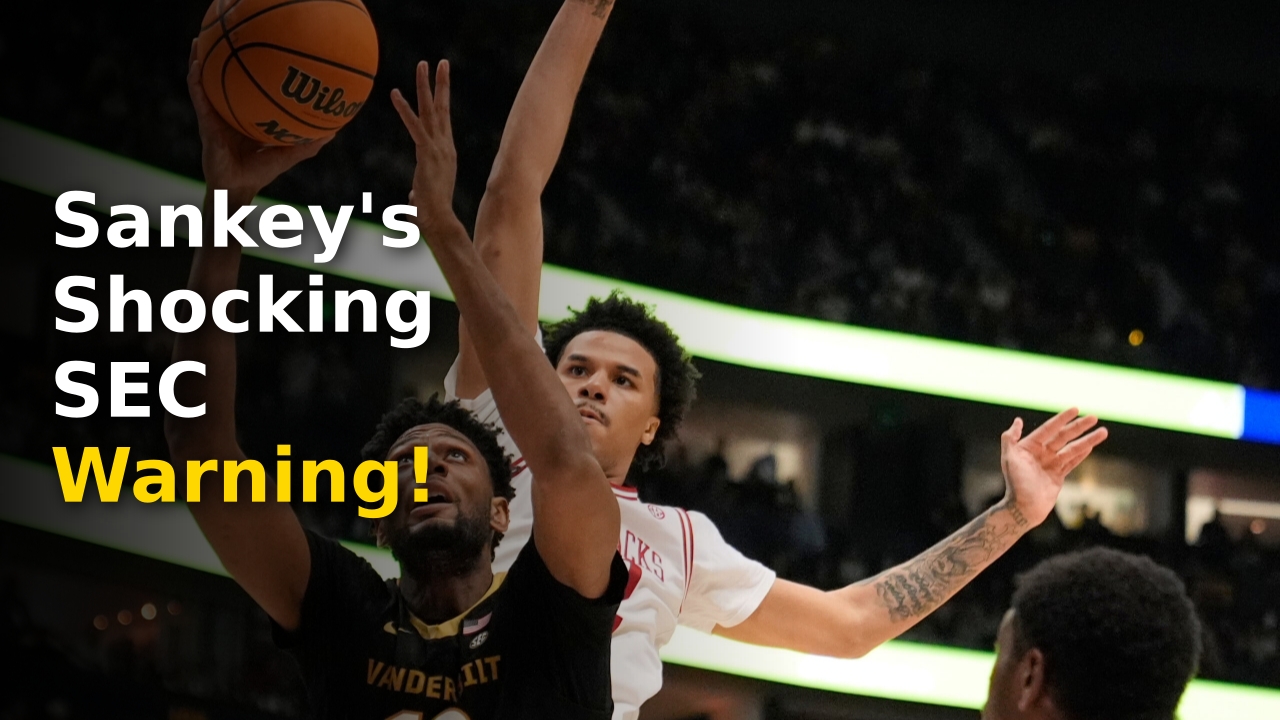
SEC Rules have become the eye of a legal hurricane that could fundamentally alter the landscape of collegiate athletics for years to come. Imagine being a coach who spends months scouting a star player, only to find out a judge in a different state just changed the definition of who can even step onto the court. You are currently witnessing a massive power struggle between traditional governing bodies and a legal system that is increasingly siding with student-athlete freedom.
Commissioner Greg Sankey isn’t taking these changes lightly and is now demanding absolute compliance from every school in the conference. The stakes are incredibly high as billions of dollars in revenue and the integrity of the game hang in the balance during this August 2026 transition period. You need to understand that the rules you knew last season are effectively extinct, replaced by a “highly dynamic” environment that even the most seasoned lawyers are struggling to navigate.
The current chaos stems from a series of court filings that have opened a literal floodgate for players seeking a fifth year of eligibility. Greg Sankey recently sent a direct, no-nonsense memo to league members, warning them to move with extreme caution. This wasn’t just a friendly reminder; it was a strategic directive aimed at preventing a total collapse of roster management across the Southeastern Conference.
SEC Rules: 5 Massive Eligibility Secrets
When you look at the SEC Rules, you see a framework designed to keep the playing field level, but recent court rulings are throwing that balance into total disarray. Commissioner Greg Sankey was very specific in his memo, which was first brought to light by CBS Sports. He emphasized that schools must operate under existing NCAA interpretations until they are explicitly told otherwise by the league office.
The memo highlights that the legal landscape is “highly dynamic,” a phrase that should worry any athletic director. This means that a player who is eligible on a Monday could potentially be ruled ineligible by Friday if a higher court stays a preliminary injunction. You have to realize that schools are now operating in a world where the judicial branch is essentially acting as the new NCAA headquarters.
One of the most shocking revelations is that these court rulings are not a “get out of jail free” card for every athlete. Sankey was clear that recent rulings should not be interpreted as creating broader relief beyond the specific scope of the applicable court orders. In other words, if the court didn’t specifically mention your situation, don’t assume the SEC Rules no longer apply to you or your recruits.
The Intraconference Transfer Nightmare
- Athletes moving between SEC schools like Alabama and Auburn still face strict league-specific hurdles.
- The conference has not waived its internal rules regarding how many times a player can move within the league.
- Compliance offices are now required to check with the SEC staff before making any scholarship commitments.
- The Southeastern Conference remains a private voluntary association with the right to enforce its own bylaws.
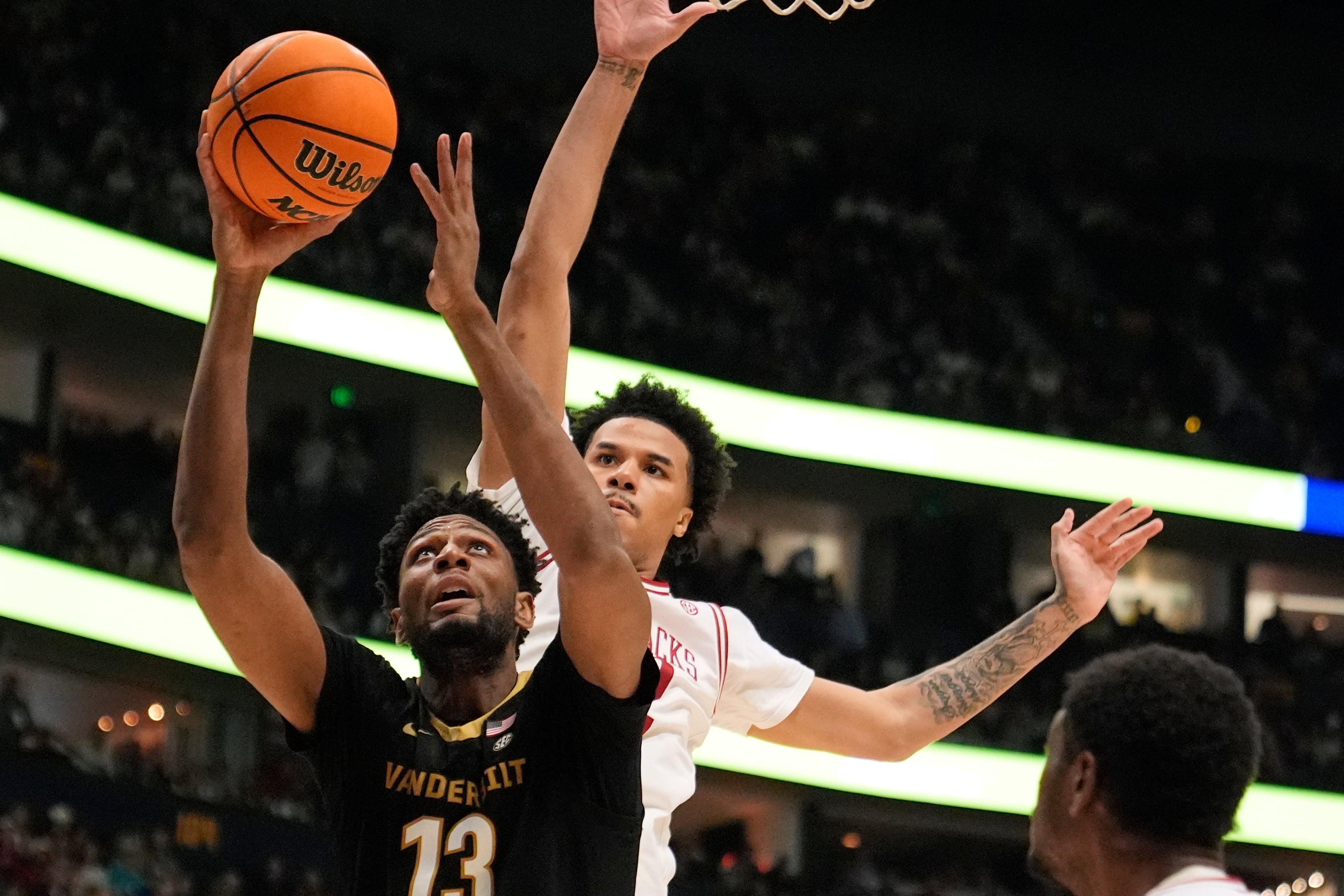
The SEC Rules regarding intraconference transfers remain a major sticking point for players like Jalen Washington. Washington, a former Vanderbilt star, recently signed with Tennessee on August 5, 2026. His case is the tip of the spear, as he was the lead plaintiff in a Tennessee chancery court case that secured a temporary injunction. This injunction was the catalyst that allowed him to retain his eligibility just hours before a federal judge in Colorado issued a similar order.

Why The Fifth Year Matters
The move to grant a fifth year of eligibility is a game-changer for roster depth and veteran leadership. For years, the NCAA strictly limited players to four years of competition within a five-year window, barring a redshirt or medical hardship. Now, the courts are arguing that the disruptions of previous years, including the tail end of the pandemic era, warrant more flexibility for the class of 2022. You are seeing a generation of athletes who feel they were robbed of a fair chance to maximize their professional prospects.
If you follow SEC athlete lifestyle news, you know that an extra year on campus can mean millions in additional NIL deals. This isn’t just about playing a game; it’s a massive financial decision for these young men and women. Jalen Washington shooting past Malique Ewin in the 2026 SEC Tournament was a glimpse into the talent level that is now fighting for more time in the collegiate spotlight.
Sankey Issues Urgent Compliance Warnings
The SEC Rules are designed to prevent the conference from falling into legal jeopardy that could result in vacated wins or massive fines. Greg Sankey knows that if schools start handing out scholarships to ineligible players, the entire conference’s reputation is at risk. He has instructed every school’s compliance office to work hand-in-hand with the league office before a single paper is signed. This centralized control is Sankey’s way of maintaining order in a time of unprecedented collegiate rebellion.
You might wonder why the NCAA is fighting this so hard in the courts. The simple answer is control; if every athlete can sue for more time, the concept of a “season” or a “class” becomes meaningless. The NCAA is currently appealing a preliminary injunction from a Colorado judge that gave student-athletes who graduated high school in 2022 that coveted fifth season. This appeal is a desperate attempt to regain some semblance of authority over the sports they supposedly govern.
The Southeastern Conference has always prided itself on being the premier destination for college sports. By strictly enforcing SEC Rules, Sankey is trying to ensure that the league doesn’t become a “wild west” of eligibility. He wrote that the rules remain in effect until they are “fully or individually waived,” which puts the power squarely back in the hands of the conference leadership. This move protects the conference from external legal shocks while providing a clear roadmap for member institutions.
Navigating The Legal Minefield
- Preliminary injunctions are temporary and can be overturned at any moment by higher courts.
- The Colorado ruling specifically targets the high school graduating class of 2022.
- Federal judges are increasingly viewing NCAA restrictions as antitrust violations.
- State courts, like the one in Nashville, Tennessee, are becoming battlegrounds for athlete rights.
According to Wikipedia, the SEC is one of the most successful and influential conferences in the history of collegiate athletics. This influence means that whatever happens with SEC Rules will likely set the trend for the Big Ten, ACC, and Big 12. When Sankey speaks, the entire sporting world listens because the SEC’s footprint in football and basketball is simply too large to ignore. You are watching the dismantling of the old guard in real-time, and it’s happening through memos and court filings.
The Impact Of SEC Rules On Data
To truly grasp the magnitude of this situation, you have to look at the sheer number of players affected. We are talking about hundreds of athletes across multiple sports who could suddenly be granted an extra year of competition. This creates a massive logistical nightmare for athletic departments that have already filled their scholarship quotas for the upcoming 2026-2027 season. Where does the money come from to fund these extra players, and who gets cut to make room?
The SEC Rules must now account for these “sudden” additions to the roster. If a school has 13 basketball scholarships and a 14th player is granted eligibility by a court, the school is in a bind. Do they violate NCAA scholarship caps or do they follow the court order? This is the impossible situation that Greg Sankey is trying to help his member schools navigate through his recent memo. The financial data alone is staggering when you consider the cost of tuition, room, board, and NIL collective payouts for a fifth-year senior.
| Case Type | Location | Target Group | Current Status |
|---|---|---|---|
| Preliminary Injunction | Colorado Federal Court | 2022 High School Grads | Active / Under Appeal |
| Chancery Court Case | Tennessee State Court | Specific Transfer Players | Temporary Injunction Granted |
| SEC Internal Memo | Birmingham, AL (HQ) | All SEC Member Schools | Enforcement Active |
Compliance officers are now the most important people in the building. They have to scrutinize every detail of SEC Rules to ensure they don’t accidentally trigger a violation. If you are a fan, you might just see a new name on the roster, but behind the scenes, there is a mountain of paperwork and legal consultation happening for every single player. The era of “simple” eligibility is officially over, replaced by a legal system that moves at the speed of light.
The Future Of SEC Rules And Eligibility
Looking ahead, the tension between the NCAA and individual conferences like the SEC will only grow. The SEC Rules will likely have to be rewritten entirely by the 2027 season to account for the permanent loss of control over eligibility timelines. Greg Sankey is playing a masterful game of chess, positioning the conference to be a leader in whatever new system emerges from the wreckage of the old one. He knows that the Southeastern Conference is powerful enough to set its own standards if the NCAA continues to crumble.
You should expect more lawsuits and more injunctions as the 2026 season progresses. The case of Jalen Washington is just the beginning; there are dozens of other athletes waiting for their day in court. These players are no longer willing to accept the “because we said so” logic of the past. They have seen the power of the legal system, and they are using it to take back their careers and their financial futures from an organization they view as outdated.
The bottom line is that the SEC Rules are your only shield in this chaotic environment. By sticking to the established bylaws and working closely with Sankey’s team, schools can avoid the pitfalls that are currently trapping others. This is about more than just sports; it’s about the evolution of athlete rights in America. Whether you love the changes or hate them, you cannot deny that collegiate athletics will never be the same again. The focus on SEC Rules will remain the primary concern for every coach, player, and fan as we head into this brave new world of five-year eligibility and court-ordered freedom.
More Like This
For more updates, check out our latest entertainment and sports news.